
Why Does the Bride Wear a White Gown? Exploring the Meaning and Traditions Behind This Choice
Wearing a white gown on your wedding day has become a cherished tradition in many cultures. The white wedding dress symbolizes purity and new beginnings, representing the bride’s fresh start as she embarks on a journey with her partner. This practice started to gain popularity in the 19th century when Queen Victoria wore a white dress for her marriage to Prince Albert, setting a trend that continues today.
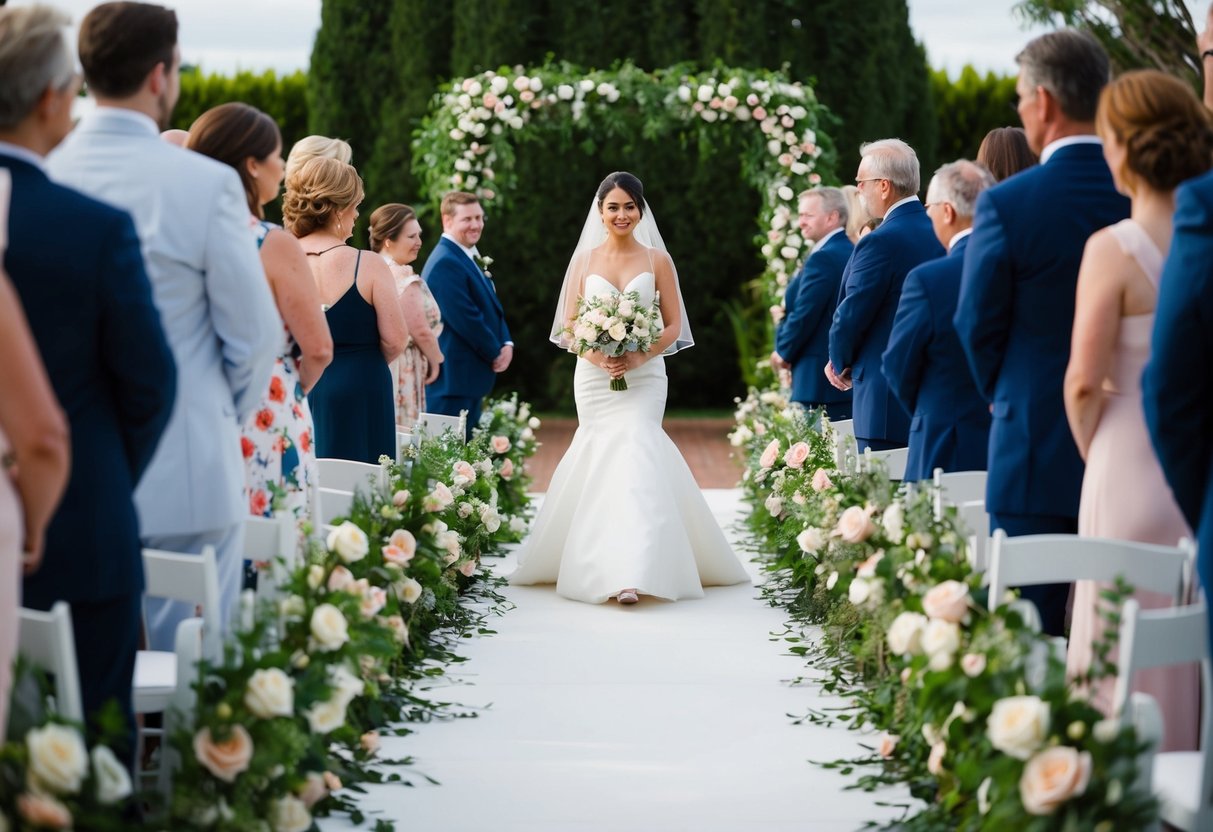
While many brides choose white, not all cultures follow this custom. In some places, like China and India, brides wear vibrant colors such as red, which symbolizes good luck and prosperity. Regardless of the color, each wedding dress tells a unique story about the bride’s background and values.
As you plan your special day, consider what the white dress means to you. Embracing this tradition has its roots in history, but your choice should reflect your personal style and beliefs while creating beautiful memories for you and your loved ones.
History of the White Wedding Gown
The tradition of wearing a white wedding gown has deep roots that connect to royal influences and historical changes. Understanding these factors will enrich your appreciation of this enduring custom.
The Influence of Royalty
One of the most significant shifts in wedding dress color came from Queen Victoria. When she married Prince Albert in 1840, she chose to wear a white gown. This decision surprised many, as brides typically wore colorful or dark dresses at the time.
Queen Victoria’s choice made the white gown popular among brides. It not only symbolized purity but also set a trend that continued for generations. Before this, Anne of Brittany wore a white gown in 1499 when she married Louis XII of France, but her influence was minimal compared to Queen Victoria’s.
By embracing white, Queen Victoria transformed wedding attire into a symbol of beauty and innocence. Soon after, white wedding dresses became a staple in bridal fashion, leading countless brides to follow her lead.
Evolution Over Centuries
The history of wedding dresses includes various styles and colors. Before the 19th century, brides commonly wore dresses of many hues. Bright colors and even black were popular choices, reflecting the customs of the time.
After Queen Victoria’s wedding, white started trending in Western cultures. Over the years, styles changed as fabric options and designs evolved. For instance, after World War II, wedding dresses became more extravagant and were often inspired by fashion icons.
Dresses made from silk or satin became popular. The materials and designs varied greatly, but the color white remained a constant choice. Today, the white wedding dress is seen as a classic symbol of bridal beauty.
Symbolism and Meaning
The tradition of brides wearing white gowns is rich with symbolism and deep meanings. This choice often reflects concepts like purity, joy, and the promise of new beginnings in a marriage. Understanding these meanings can add layers of significance to your special day.
Purity and Virginity
Wearing white is often associated with purity and virginity. Historically, the color white was linked to innocence and moral virtue. When you choose a white wedding dress, you tap into this long-standing tradition. Many people see it as a representation of the bride’s commitment to her partner, reflecting a pure heart and intent.
This symbolism also connects to various cultural beliefs. For instance, in many societies, a white dress signifies a fresh start. It is a powerful statement of your values as you embark on a new journey together. This idea of purity is a way to honor your relationship while embracing the future with hope.
Joy and New Beginnings
Another key meaning behind the white wedding dress is the celebration of joy and new beginnings. The white color is often connected to brightness and positivity. When you wear a white gown, it can symbolize the happiness that comes with marriage and the excitement for what lies ahead.
Your wedding day is a joyous occasion, marking the start of a new chapter. By choosing white, you express this sense of optimism. The white gown can serve as a reminder of the joy and love that you hope to cultivate in your life together.
In this way, the white dress goes beyond fashion; it embodies the spirit of your commitment and the bright future you envision.
Cultural Significance and Variations
The choice of the bride’s gown color carries deep cultural meanings across different regions. It reflects not only personal style but also local customs and beliefs.
Global Wedding Attire
Around the world, wedding attire varies widely based on cultural traditions. While white is popular in Western cultures, many regions embrace different colors for bridal gowns.
For example, in South Asia, brides often wear vibrant red or gold, symbolizing prosperity and good fortune. In some African cultures, colorful dresses may represent the bride’s heritage and family lineage.
In Japan, brides traditionally wear a silk kimono with colorful layers, embodying grace and elegance. Each color used in wedding dresses is rich with meaning and reflects the values of the specific culture.
Color White in Different Cultures
The color white symbolizes purity in many cultures, especially in Western societies. This symbolism became prominent in the mid-19th century, influenced by Queen Victoria’s choice to wear a white gown for her wedding in 1840.
In contrast, in other cultures, white does not hold the same significance. For example, in some East Asian cultures, white is associated with mourning and funerals. Instead, brides may choose red or other bright colors to welcome happiness and good luck.
These variations highlight how cultural significance can shape wedding customs, making each celebration unique. Understanding these meanings helps you appreciate the diversity found in wedding traditions worldwide.
Contemporary Wedding Fashion
Today, bridal fashion blends tradition with modern style. You can choose a wedding dress that honors classic customs while reflecting your personal taste. Let’s explore how contemporary interpretations and choices shape your special day.
Modern Interpretations of Tradition
The trend of wearing a white wedding gown has deep roots, often linked to Queen Victoria’s choice in the 19th century. Yet, many brides now put their spin on this classic look.
You might find dresses in shades like ivory, blush, or even pastel colors. These options let you stand out while still respecting wedding traditions.
Designers often incorporate unique fabrics, cuts, and embellishments to create a distinctive look. Whether you prefer a sleek silhouette, flowing bohemian styles, or vintage-inspired designs, there are many ways to express your individuality.
Choosing the Right Dress Today
Selecting your bridal attire is a personal journey. First, consider the wedding theme you envision. Is it a casual beach ceremony or a formal church event?
Next, think about your comfort level. Some people opt for a form-fitting dress, while others prefer flowing gowns that allow for easy movement.
Don’t forget to account for the season. Lightweight fabrics are ideal for summer weddings, while heavier materials work well in colder months.
Lastly, budget is a key factor. Weddings can be expensive, so setting a realistic price range helps narrow down your options. Remember, it’s about how you feel in the dress. Your wedding gown should reflect you and the beautiful moments of your celebration.