
Why Don’t Men Get Bridal Showers? Exploring Gender Traditions in Wedding Celebrations
Traditionally, bridal showers have been women-only events. This can leave you wondering why men don’t typically join in the celebration. There are a few reasons for this custom. Historically, these gatherings centered around gift-giving and celebrating the bride. This often created a space for female friends and family to connect.

The decision to invite men really depends on your personal preferences and the type of shower being hosted. Many couples are now opting for co-ed celebrations, allowing both men and women to come together and celebrate the upcoming marriage. This shift not only makes the event more inclusive but can also make it more fun and engaging for everyone involved.
As you plan your event, consider what fits your style best. Opening up the guest list to include male friends and family can create a warm and welcoming atmosphere, making the day even more special.
Exploring the History of Bridal Showers
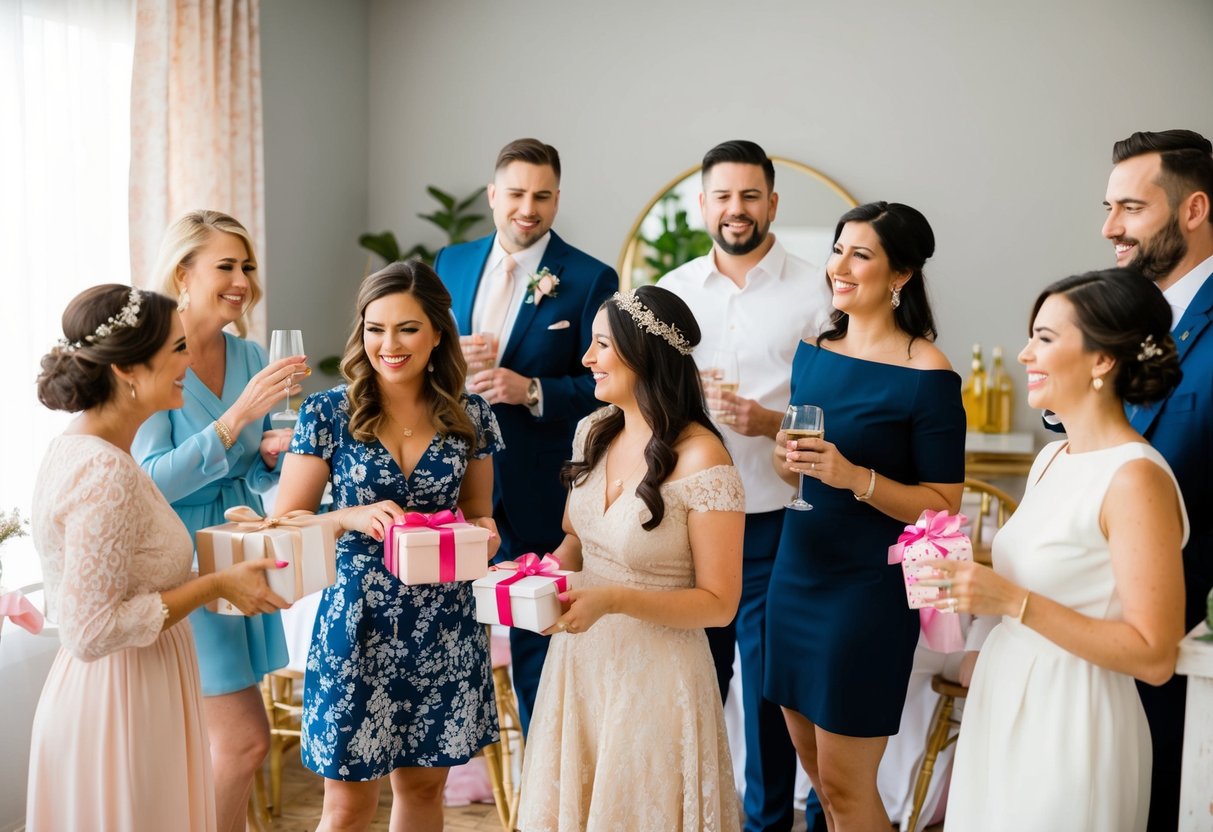
Bridal showers have a rich history that reflects changing cultural practices and beliefs about marriage. Understanding these origins and variations can shed light on why this tradition centers around brides and not grooms.
Origins and Evolution
The bridal shower dates back to the 1800s. Initially, it was not just a party to give gifts. This celebration helped ensure that the bride had what she needed to start her new life. Families would gather to support the bride, making sure she would have a successful wedding.
As time went on, bridal showers evolved into more elaborate events. The focus shifted to celebrating the bride surrounded by loved ones. Today, it’s common for friends and family to come together to share in the joy and shower the bride with gifts, adding a festive touch to the wedding experience.
Cultural Variations
Cultural differences have shaped how bridal showers are celebrated around the world. In some cultures, a traditional bridal shower may not exist at all. Instead, similar celebrations might occur.
For instance, in China, a tea ceremony is often part of the wedding celebrations. This ceremony honors family traditions. In other cultures, wedding showers might emphasize specific customs or practices unique to their communities.
Despite these differences, the main goal remains the same: to honor the bride and provide her with support as she embarks on her new journey. Each version adds to the rich tapestry of bridal shower traditions.
Modern Wedding Celebrations

In today’s world, wedding celebrations have evolved significantly. These changes reflect shifting gender roles, the inclusion of male guests, and a trend toward co-ed events. As you explore modern weddings, you’ll see how these elements come together to create inclusive and enjoyable experiences for everyone involved.
Gender Roles and Expectations
Traditionally, bridal showers were women-only events. They focused on the bride and her close female friends and family. This practice stemmed from historic gender roles where men were often excluded from such gatherings.
Now, society is moving towards breaking these norms. You might find that many couples feel comfortable reshaping these events. As a result, many are embracing co-ed options, which allow friends and family of all genders to join in celebrating the couple.
Inclusion of Male Guests
The inclusion of male guests has become more common in modern wedding-related celebrations. Events like couples showers and jack and jill showers welcome both men and women, offering a balanced atmosphere. This shift demonstrates growing acceptance of shared experiences in wedding planning.
As you consider your own celebrations, think about your guest list. Including male friends can create a fun, relaxed vibe. This also helps build a sense of community, as everyone gets to know each other better before the big day.
Co-Ed Celebrations Trend
The trend toward co-ed celebrations is gaining popularity. Events like engagement parties and co-ed wedding showers bring everyone together, fostering connection among families and friends. This approach makes planning easier, as you focus on enjoying time together rather than separating guests.
For couples, these celebrations can help in creating wider networks of support. When everyone is included, it helps ensure that the excitement of wedding planning is shared. Couples can also receive gifts that benefit both partners, making these events even more meaningful.
Alternative Celebrations for Men

Men have unique ways to celebrate their upcoming weddings. These alternatives reflect changing views about gender roles, allowing guys to enjoy their own festivities. You might find various events that serve as substitutes for a traditional bridal shower.
Evolution of the ‘Man Shower’
The idea of the “man shower” has gained popularity in recent years. Traditionally, men did not have a formal celebration like a bridal shower. Now, events like a groom roast or man shower allow close friends to gather and celebrate.
These gatherings can include fun games, food, and drinks. They focus on bonding and having a relaxed time before the big day. You might also find some mix of traditional gift-giving with activities that showcase the groom’s interests.
Differences in Traditions
While bridal showers are often female-only events, these celebrations for men break that mold. In some cases, gatherings may allow for both genders, called Jack and Jill events. This style encourages a mix of men and women, promoting inclusivity.
Event formats, like bro-dal showers, create a casual atmosphere by emphasizing the groom’s personality and hobbies. Whether it’s a picnic or a barbecue, these types of parties allow men to connect and share moments that reflect their friendships, challenging old societal norms.
Planning and Guest List Etiquette
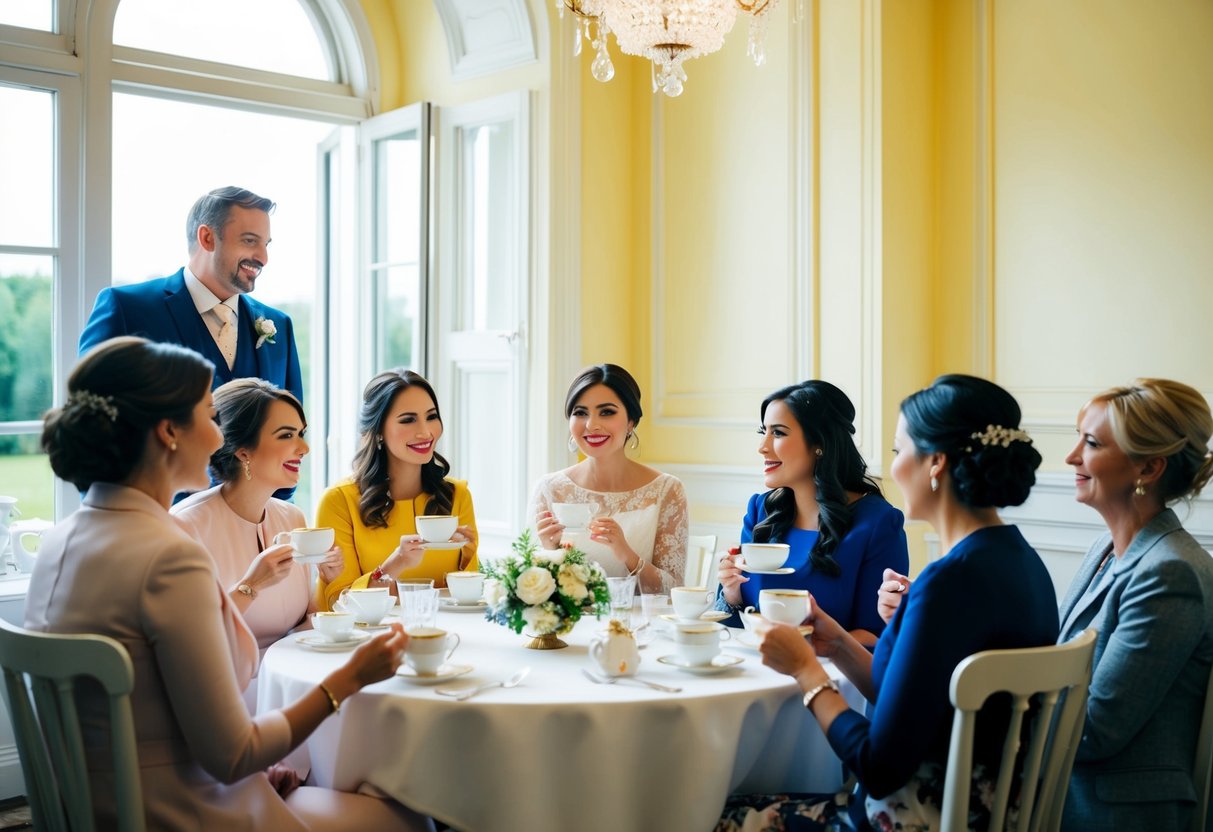
When planning a bridal shower, knowing who to invite and when to schedule the event is crucial. Understanding guest list etiquette can ensure a smooth and enjoyable gathering.
Who to Invite?
Deciding who makes the cut for your guest list can be tricky. Typically, you should invite close friends and family of the bride. This includes:
- Bridal Party: Wedding attendants are usually included as they play a key role in the bride’s life.
- Close Friends and Family: Think of those who support the couple and will celebrate their new chapter.
For a more modern touch, consider a coed wedding shower. This allows both men and women to mingle and celebrate together. If you go this route, expand your guest list to include the groom’s friends and family.
Remember, avoid inviting someone to the bridal shower if they aren’t invited to the wedding. This creates confusion and can lead to hurt feelings.
Timing and Scheduling
Timing is everything. You should aim to schedule the bridal shower about one to three months before the wedding. This gives guests enough time to plan and buy gifts.
When choosing a date, consider the availability of key guests, especially the bridal party. You should reach out to them before setting the date.
You should also think about the shower’s duration. A two- to three-hour party is usually ideal. It allows enough time for mingling, games, and gift opening without feeling rushed.
Finally, send out your bridal shower invitations at least four to six weeks in advance. This gives everyone ample notice to mark their calendars and prepare for a fun celebration.