
Why Is the Officiant of a Wedding Important? Understanding Their Key Role in Your Special Day
When planning your wedding, you may wonder why the officiant is such an important figure in your special day. The officiant not only leads the ceremony but also sets the tone and creates an engaging atmosphere for you and your guests. This person plays a crucial role in guiding you through your vows, ensuring that every meaningful moment is captured and celebrated.
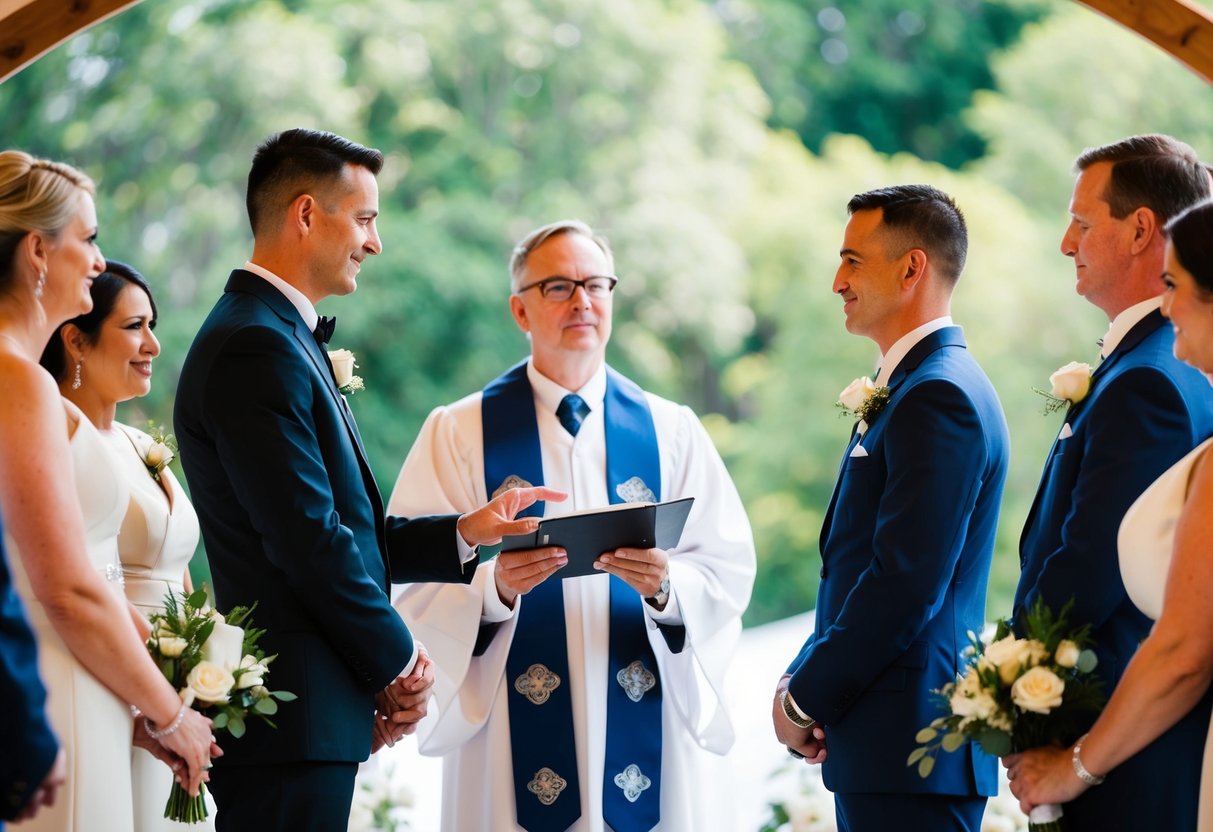
Choosing the right officiant can make a significant difference in how your wedding day unfolds. They help craft a ceremony that reflects your love story, making it personal and memorable. With their experience, they can calm your nerves and help you focus on the joy of your vows rather than the stress of the day.
Roles and Responsibilities of a Wedding Officiant
The wedding officiant plays a vital role in ensuring your ceremony is legal, personal, and memorable. They manage the flow of the event and add special touches that reflect your relationship.
Conducting the Ceremony
As the person leading your wedding, the officiant is responsible for conducting the entire ceremony. This includes welcoming guests, introducing the couple, and guiding the flow of events.
They create a ceremony script that outlines what will happen during the event. This script often includes readings, vows, and special rituals that hold meaning for you and your partner.
Whether you choose a professional officiant, a religious officiant, or a civil officiant, their guidance keeps everything organized. Their presence helps ensure everyone feels connected to the moment.
Legal Obligations
Your officiant has important legal responsibilities. Before you tie the knot, they must verify that you have obtained a marriage license. This license is crucial as it makes your marriage official in the eyes of the law.
Different types of officiants may have varying legal requirements. For example, a religious officiant may need to follow specific rituals, while a civil officiant focuses more on legal aspects.
It’s essential that your officiant understands the legal requirements of your state or country to ensure your marriage is valid.
Personal Touches
Adding personal touches turns your wedding from ordinary to extraordinary. Your officiant can work with you to incorporate elements that reflect your love story.
This might include personalized vows, unique readings, or special rituals that are meaningful to you. They can create a moment that truly resonates with you and your guests.
A skilled officiant takes the time to get to know you, shaping the ceremony to celebrate your relationship. This ensures that your wedding is not just another event but a heartfelt experience.
Choosing the Right Officiant
Selecting an officiant for your wedding is a vital part of your planning process. This choice involves deciding between a professional officiant who can bring experience to your ceremony and a personal touch that may come from a family member or friend.
Professional vs. Personal
When choosing between a professional and a personal officiant, consider what feels right for you. Professional wedding officiants often have experience in conducting ceremonies and can provide emotional support during the wedding planning process. They understand the logistics and can help ease any stress.
On the other hand, a personal officiant, like a family member or close friend, can add a unique touch to your ceremony. They can make it more intimate and meaningful by including personal stories. However, ensure they are comfortable speaking in front of a crowd and can commit time to meetings and planning.
Religious vs. Secular
Deciding between a religious or secular officiant can shape the tone of your wedding. A religious officiant, such as an ordained minister, can guide you in incorporating traditional elements and spiritual aspects into your ceremony. If faith is a crucial part of your relationship, this choice may feel very natural.
In contrast, non-religious officiants, including celebrants or civil officiants, can tailor your ceremony to reflect your beliefs and values without religious connotations. They can focus on creating a personalized experience that resonates with your love story while providing a relaxed atmosphere.
The Impact of a Well-Chosen Officiant
Choosing the right officiant for your wedding has a significant impact on your special day. A great officiant not only leads the ceremony but also enhances the experience through their skills in public speaking and their ability to connect with you and your guests.
Creating a Memorable Experience
A well-chosen officiant makes your wedding memorable. They craft personalized wedding vows that reflect your unique love story. This personal touch transforms a standard ceremony into something truly special.
Their skills in public speaking help engage your guests. A confident and heartfelt delivery can capture everyone’s attention. This way, your family and friends feel connected to the moment, making memories that last a lifetime.
Additionally, a professional officiant knows how to handle any unexpected situations. If something doesn’t go as planned, their poise ensures the ceremony continues smoothly.
Support and Guidance
The right officiant provides emotional support during a significant time. Leading up to the wedding, you may feel nervous or anxious. A skilled officiant understands these feelings and offers reassurance.
They guide you through the entire process. From planning the ceremony to selecting readings and rituals, their experience is invaluable. This guidance helps you make informed decisions that suit your style and values.
Furthermore, a good officiant serves as a calming presence on your wedding day. Their professionalism shines through as they lead you and your partner. Knowing you have someone you can rely on allows you to focus on the joy of the moment.
Additional Elements to Enhance the Ceremony
Enhancing your wedding ceremony with thoughtful elements can make it more memorable. Music and readings create emotional moments, while cultural traditions add personal significance.
Music and Reading Selections
Choosing the right music sets the tone for your ceremony. Consider incorporating songs that resonate with you as a couple. Live musicians can create a beautiful atmosphere, adding an intimate touch.
Reading selections can also enhance your ceremony. You might choose meaningful poems or excerpts that reflect your journey together. Having a friend or family member read these pieces can make it even more special. This way, the readings not only convey emotions but also involve loved ones in the ceremony.
Cultural and Family Traditions
Including cultural and family traditions can make your ceremony uniquely yours. These elements often hold deep significance.
You could incorporate rituals, such as handfasting or lighting a unity candle. Additionally, honoring family customs speaks to your backgrounds.
This could involve incorporating specific readings or symbols that represent your heritage. Engaging in these traditions can strengthen the bond between you and your families and create a richer experience for everyone involved.