
Why Should I Buy a Planner? Discover the Benefits of Staying Organized
A planner can be a game-changer for organizing your life. By using a planner, you can boost your productivity, manage your time better, and reduce stress.
Whether you’re juggling school, work, or personal commitments, a planner helps you keep track of important tasks and deadlines.
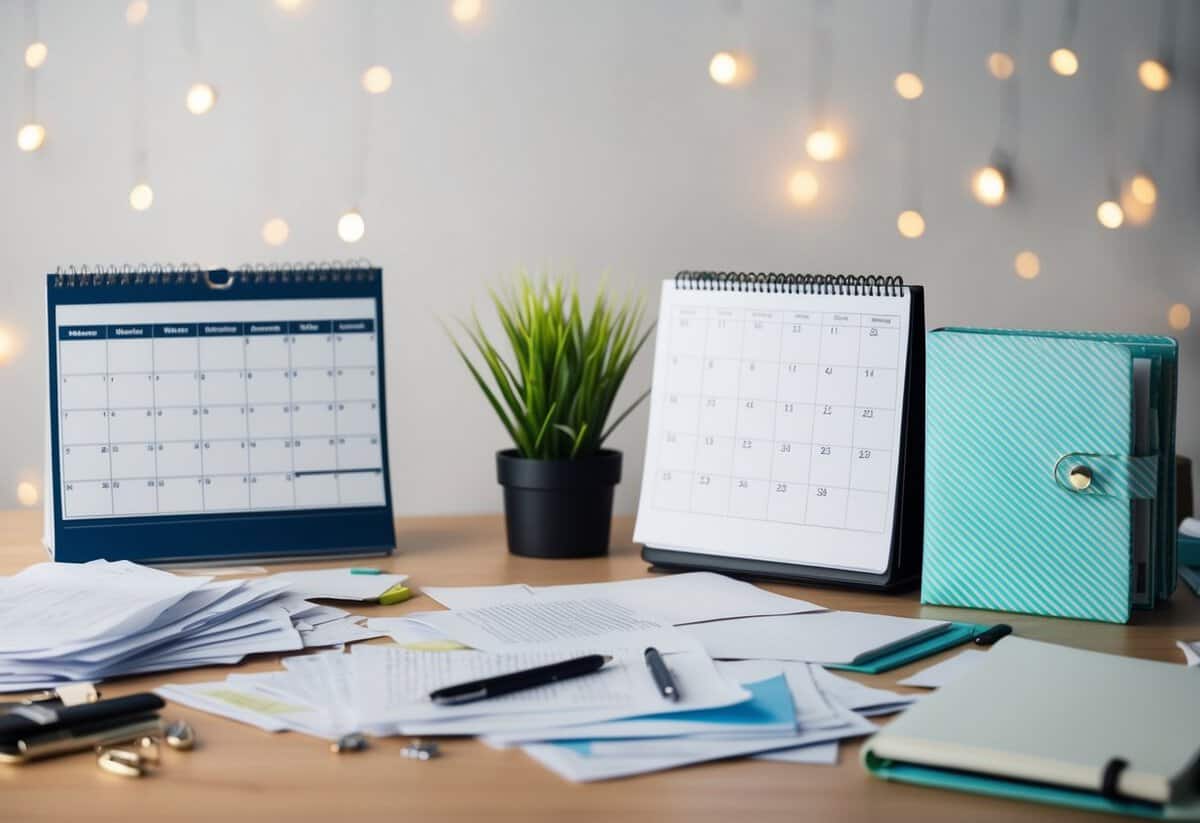
You might think about using your phone for this, but many people find that writing things down in a planner helps them focus better. It allows you to see your day or week at a glance, making it easier to prioritize what really matters to you.
With a planner, you create a visual roadmap that guides you through your busy schedule.
Imagine having more time for the things you enjoy. A planner helps you carve out moments for fun and creativity, leading to a more balanced life. Investing in a planner is not just about organization; it’s about taking control of your time and making space for what you love.
Understanding the Basics of Planners
Planners are useful tools that help you organize your life. They come in various forms and can support different planning styles. Knowing what a planner is and the types available can help you choose the right one for your needs.
What Is a Planner?
A planner is a tool designed to help you keep track of your daily activities, tasks, and appointments. It can come in paper or digital formats. With a planner, you can write down important events, deadlines, and personal goals.
Some planners focus on daily scheduling, while others might help you map out your long-term objectives. For example, a daily planner can help you break down tasks into manageable parts. This makes it easier to stay on top of your responsibilities.
Planners can also be a creative outlet. You can personalize them with stickers or drawings, making planning fun and engaging.
Types of Planners
There are many types of planners to fit different needs. Common options include daily planners, life planners, and bullet journals.
- Daily Planners: These are great for detailed day-to-day planning. They often have time slots for each hour, helping you schedule tasks effectively.
- Life Planners: These allow for long-term goal-setting and planning. You can track major life events and milestones within a single layout.
- Bullet Journals: These are more flexible and can be customized based on your preferences. This format allows you to combine journaling with scheduling, making it a unique choice for creative individuals.
Choosing the right planner depends on how you plan to use it and what fits your style best.
The Role of Planners in Boosting Productivity
Using a planner can greatly enhance your productivity. It helps with organizing your time, setting clear goals, and keeping you focused. Here are some of the key ways planners can support your daily routine.
Planning and Time Management
Effective planning is key to managing your time well. A planner allows you to break your day into manageable parts. By creating a daily or weekly schedule, you can see exactly what you need to do.
You can use a simple to-do list format to prioritize tasks. Write down urgent tasks first and then note less critical items. This approach helps you avoid procrastination and keeps you organized.
When you allocate specific time slots for each task, it helps you see where your time goes. This awareness can lead to better decision-making regarding how you spend your day.
Setting and Achieving Goals
Setting goals gives you something to work toward. A planner encourages you to write down both short-term and long-term goals. When you see your goals in writing, they become more tangible.
Break your goals into smaller steps and assign deadlines for each. This makes achieving them feel less overwhelming.
You can track progress in your planner, which boosts motivation as you see how far you’ve come.
Reviewing your goals regularly helps you stay committed. It gives you the chance to adjust your plans as needed and keeps you on the right path.
Maintaining Focus and Motivation
Staying focused on tasks can be challenging with many distractions. A planner can help you block out time for specific activities. By setting aside dedicated time for each task, you limit interruptions.
To reinforce your commitment, you can jot down motivating quotes or reminders in your planner. These small additions can keep your spirits high and encourage you to stay on track.
Regularly checking off completed tasks provides a sense of accomplishment. This feeling boosts your motivation and encourages you to tackle the next item on your list.
Managing Appointments and Deadlines
A planner is essential for managing appointments and deadlines. It keeps all your commitments in one place, making it easy to see what’s coming up. This organization prevents last-minute stress about forgetting important dates.
Use your planner to mark deadlines for assignments, meetings, and personal appointments. You can also set reminders for these events to ensure you stay prepared.
By planning ahead, you can avoid conflicts and create a balanced schedule. This balance allows you to maintain productivity without feeling overwhelmed by too many tasks at once.
Enhancing Your Well-Being with Planners

Using a planner can greatly improve your mental and physical health. By helping you stay organized, it can reduce anxiety and promote self-care. You will also find that a planner can assist with memory keeping and overall well-being.
Benefits to Mental and Physical Health
Planners provide structure in your daily life. This structure can lead to better mental health. By breaking tasks into smaller steps, you can reduce feelings of being overwhelmed.
Additionally, writing things down helps clear your mind. This simple act can lessen anxiety and help you focus on what’s important.
When you plan your days, you also create space for healthy habits. Tracking your exercise or meal plans in a planner can improve your physical health. Establishing routines can lead to better sleep, mood, and energy levels.
Self-Care and Anxiety Management
A planner is a great tool for self-care. You can schedule regular breaks or activities that make you happy. Prioritizing these moments can help combat stress.
Having a daily layout allows you to see where you can fit in self-care. Whether it’s a short walk or time to read, noting these activities can reduce anxiety.
In moments of high stress, a planner can guide you. You can jot down your thoughts and feelings, which makes them more manageable. This practice helps keep your mind clear and focused.
Memory Keeping and Organization
Keeping records in your planner is helpful for memory. You can note important dates and reminders, which can help you feel more in control. This organization supports your mental well-being.
Using your planner for habit tracking is another great option. You can see your progress and celebrate small wins. This can boost your motivation and sense of accomplishment.
A well-organized planner helps you stay on track. It serves as a reliable reference for appointments and tasks. This reduces stress and gives you confidence in managing your daily life.
Practical Applications of Planners
Planners are versatile tools that can enhance various aspects of your daily life. From managing household tasks to organizing academic responsibilities and exploring your creative side, they offer practical solutions to keep your life on track.
Household and Budget Planning
Using a planner for household management can make a big difference. You can track household chores, create a budget, and even develop a meal plan.
For instance, setting aside a section for meal planning helps you choose recipes for the week. This way, you can save time and reduce food waste.
You can also create a simple budget table to manage your expenses better. List your income sources at the top and categorize your expenses below.
You can use color codes to highlight essential payments, like bills versus discretionary spending. This method can keep your spending in check and promote healthier financial habits.
Academic and Back-to-School Organization
For students, a planner serves as a vital tool for success. You can track assignments, due dates, and study schedules.
Consider dividing your planner into sections for each subject. This way, you can easily see what needs attention.
Back-to-school season is the perfect time to start a planner routine. You might include reminders for upcoming exams and a list of supplies.
Breaking large projects into smaller tasks can make them feel manageable. Writing them down can help reduce stress, allowing you to focus better on your studies and personal well-being.
Creative Expression and Stationery
If you’re into creativity, a planner can be your canvas. You can decorate your planner with stickers, drawings, or washi tape, making it a fun part of your self-care routine.
Personalizing your planner allows you to express yourself while keeping important records.
You might also create sections dedicated to your creative projects or hobbies. For example, keep track of book ideas, art projects, or even journaling prompts.
This section gives you a place to brainstorm and develop your creativity while keeping everything organized in one spot. It’s a fulfilling way to blend planning with personal expression.