
All-Inclusive Wedding Venues Near the City: A Local Guide
Planning a wedding near the city gives you access to hotels, restaurants, historic estates, and scenic properties within an easy drive of your guests. All-inclusive wedding venues near the city also bundle key services, which helps you spend less time coordinating separate vendors and more time making decisions that fit your celebration.
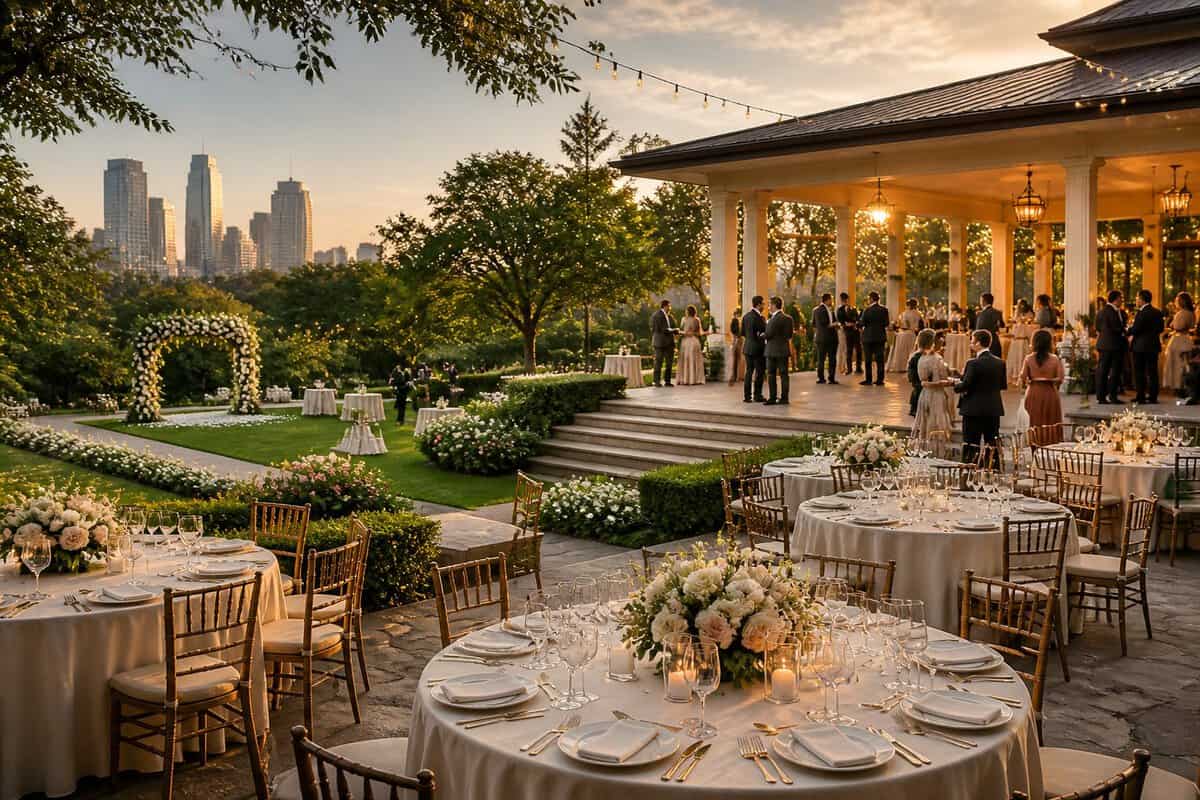
The best package is the one that clearly lists every included service, fee, and guest limit before you sign. Ask for an itemized proposal, tour the property, and compare the total cost with your wedding budget. When you find a venue that fits your style and schedule, request a tour and review the contract with your partner.
What Does an All-Inclusive Package Actually Cover?
An all-inclusive wedding package combines the venue, food service, rentals, and coordination into one agreement, though each all-inclusive wedding venue sets its own limits. Review the package line by line so you know what your venue rental includes and which services need separate bookings.
Core Services You Can Usually Expect
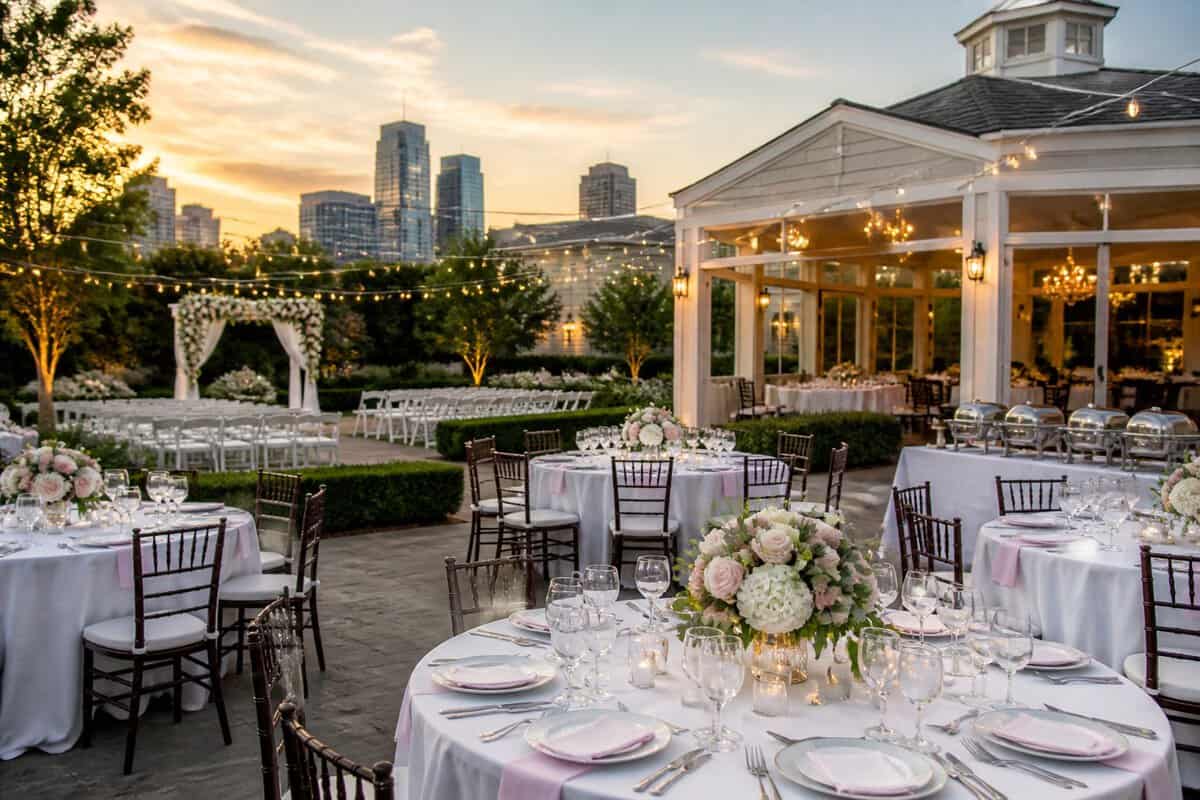
Many all-inclusive wedding packages include ceremony and reception space, tables, chairs, linens, setup, cleanup, and catering. Bar service might cover beer and wine, a full open bar, or drinks served during set hours.
Some wedding packages also include a cake or dessert, centerpieces, basic lighting, and a venue coordinator. Read the service descriptions closely. “Included” might describe a limited menu, a basic rental collection, or a fixed number of service hours.
Common Add-Ons That Cost Extra
Popular upgrades include premium liquor, specialty cocktails, upgraded linens, additional floral design, extended bar hours, and late-night food. You might also pay separately for:
- Ceremony officiant services
- Hair and makeup
- Photography and videography
- DJ or live entertainment
- Photo booth
- Transportation
- Rehearsal dinner
- Guest lodging
- Additional setup or breakdown time
Request prices for these items before comparing venues. A lower package price can change once you add the features you want.
Venue Coordinator vs. Wedding Planner
A venue coordinator manages the property’s schedule, staff, setup, and facility rules. That person might confirm vendor arrival times, direct the catering team, and handle venue-related problems on your wedding day.
A wedding planner supports your full wedding planning process. Your planner can help with design, vendor contracts, guest communication, transportation, timeline creation, and personal details across the entire event.
Ask whether your coordinator works only for the venue and whether you can bring an outside planner.
How to Find the Right Venue Close to the City
The right wedding venue balances guest access, event style, overnight options, and total travel time. Start with the neighborhoods and suburbs that keep your guest list close to major roads, airports, hotels, and local attractions.
Choose a Location That Works for Guests
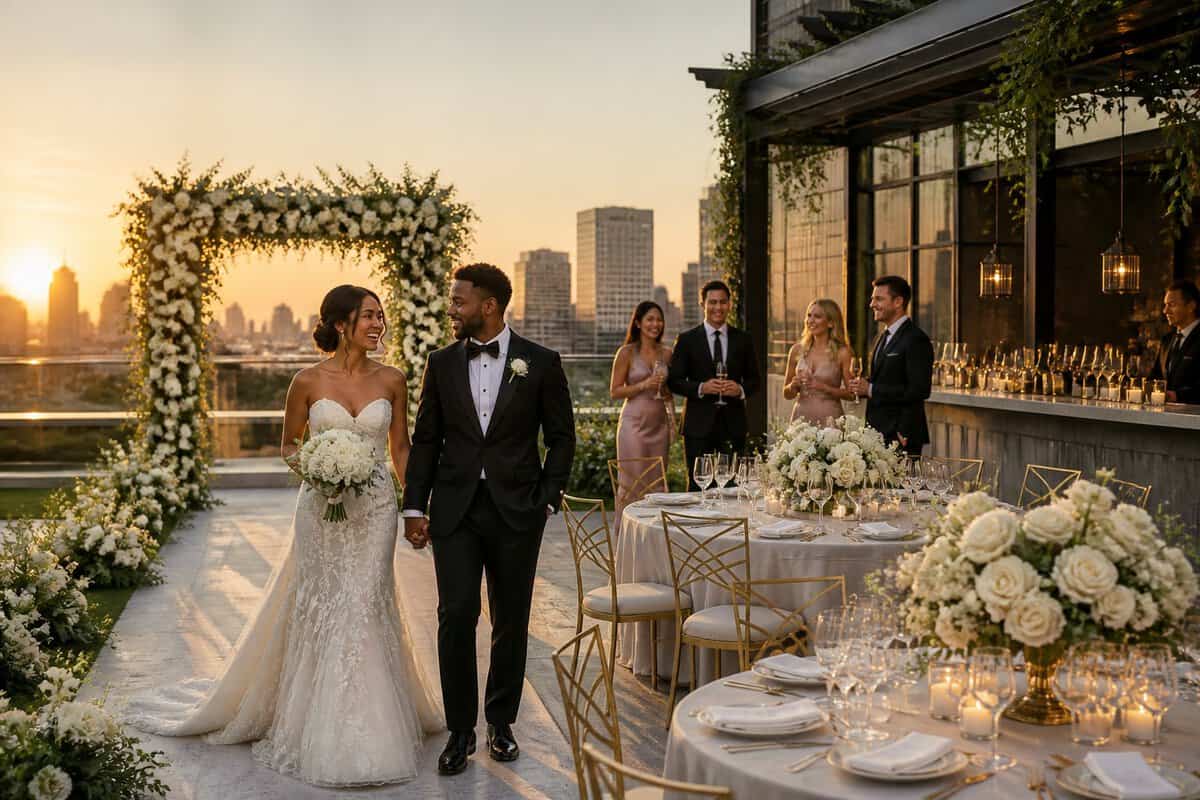
Map the venue from the airport, downtown hotels, and the homes of your largest guest groups. Check drive times during the hours of your ceremony and reception, since weekday traffic and sports events can affect arrival plans.
Look for accessible parking, rideshare pickup areas, elevators, and clear walking paths. If guests will drink, arrange shuttle service or share reliable transportation details with your invitations.
A nearby wedding venue can still feel difficult if guests face a long route or limited parking.
Compare Hotels, Event Spaces, and Country Clubs
Hotels offer guest rooms, catering teams, ballrooms, and convenient indoor plans. Event spaces often provide more freedom with décor and vendors, while country clubs bring landscaped grounds, food service, and private reception rooms.
Compare each wedding venue using the same checklist:
- Ceremony and reception locations
- Guest capacity and seating layout
- Catering and bar choices
- Rental inventory
- Parking and accessibility
- Vendor rules
- Overnight accommodations
- Event end time
Read reviews for service quality and ask whether the property hosts multiple events on one day.
Consider a Wedding Estate for an Overnight Celebration
A wedding estate gives you a private setting for the ceremony, reception, and wedding weekend. Some estates include guest rooms, cottages, or nearby lodging, while others provide event space only.
Ask how many guests can stay onsite, who handles breakfast and cleanup, and whether quiet hours apply. Confirm the property’s rules for music, candles, pets, outside vendors, and next-day brunch before you reserve the date.
How Much Do Local All-Inclusive Weddings Cost?
Local all-inclusive weddings often range from several thousand dollars for a smaller event to tens of thousands for a large celebration with premium food, bar service, and upgraded design. Your guest count, date, location, menu, and package level shape the final wedding budget.
How Guest Count Changes Package Pricing
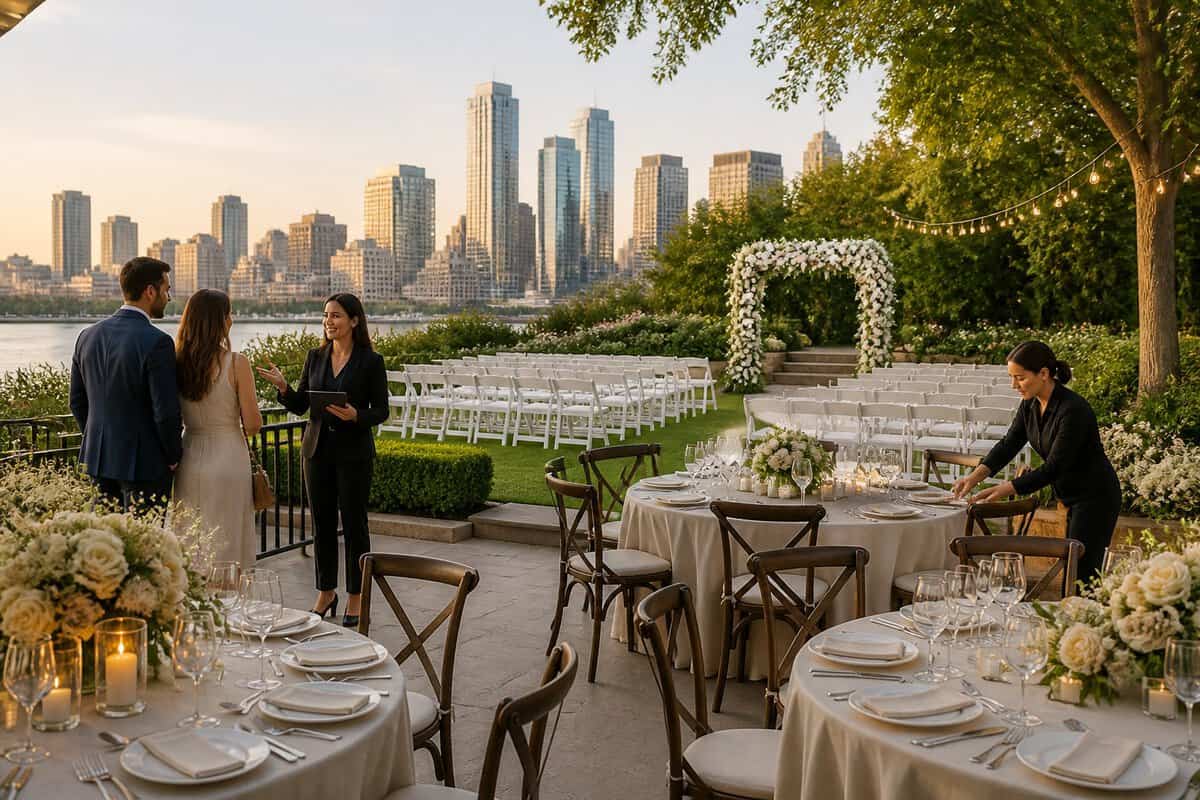
Many venues price food and drinks per guest, so your headcount has a direct effect on the proposal. A 50-person wedding might fit a smaller room and require fewer rentals, while a 200-person reception needs more staff, tables, chairs, meals, and bar inventory.
Ask whether children receive a reduced rate, whether vendors count as guests, and when your final headcount is due. Find out how additions and reductions affect the invoice after that deadline.
Costs That May Not Appear in the Initial Quote
Your first quote might exclude service charges, taxes, gratuities, insurance, ceremony fees, cake-cutting charges, and overtime. Delivery, setup upgrades, vendor meals, parking, and cleanup fees also deserve a place on your comparison sheet.
Request a sample final invoice from a recent event with a similar guest count. That document helps you see the full cost of all-inclusive weddings before you commit. For more planning context, review how to figure out your wedding budget.
Set a Realistic Wedding Budget Before Touring
Set your maximum spending limit before you tour. Divide the budget among the venue, attire, photography, music, flowers, stationery, transportation, lodging, and a reserve for unexpected costs.
Create a “must include” list and a “nice to have” list. Then ask each venue to quote the same guest count, meal style, bar package, and event length. Consistent details make all-inclusive wedding packages easier to compare.
How to Compare Packages Before You Book
Compare packages by the guest experience and the services you would otherwise need to arrange separately. Food, bar hours, rentals, décor, music, photography rules, and reception upgrades deserve written details in every proposal.

Food, Bar Service, and Cocktail Hour Details
Ask for sample menus, portion sizes, dietary options, tasting fees, and meal-service styles. Confirm whether cocktail hour includes passed appetizers, stations, a champagne toast, or only basic drinks.
For bar service, check the alcohol brands, mixers, signature drink options, bartending staff, and service window. Ask whether the wedding cake comes from the venue’s baker, whether dessert is included, and whether outside cakes incur a cutting fee.
Decor, Rentals, and Vendor Flexibility
Review the rental inventory for tables, chairs, linens, glassware, flatware, arches, and centerpieces. Ask to see the exact items included in your package, since photos might show upgraded décor.
Learn which vendors you must use and which you may choose. A preferred-vendor list can simplify planning, while outside-vendor permission gives you more control over style and pricing.
Confirm insurance requirements and delivery rules for every outside professional.
Entertainment, Photography, and Reception Enhancements
Find out whether the package includes a DJ, sound system, dance floor, lighting, or ceremony microphones. Live entertainment, upgraded lighting, and a photo booth often cost extra.
Ask whether photography or videography is included, how many hours are covered, and who owns the finished files. Confirm the rules for speeches, cultural traditions, sparkler exits, late-night snacks, and guest transportation before you book.
This checklist of what most wedding packages include can help you prepare for those conversations.
Questions to Ask During a Venue Tour
A venue tour should answer three practical questions: Can the property host your guest count, does the contract fit your budget, and will the team manage key day-of details? Bring your guest estimate, preferred date, package questions, and a way to take notes.
Availability, Capacity, and Event-Time Limits
Ask whether your preferred date is open and how many events the venue hosts that day. Confirm the maximum seated capacity for your preferred layout, plus the space available for dancing, dining, entertainment, and a ceremony.
Ask when vendors may arrive, when guests may enter, and when music must end. Check whether the venue offers a private getting-ready suite, accessible restrooms, coat storage, and parking for guests and vendors.
Contract Terms, Fees, and Payment Schedule
Request the complete contract before paying a deposit. Review the deposit amount, payment dates, cancellation policy, rescheduling terms, guest-count deadline, insurance rules, taxes, service charges, and gratuity guidance.
Ask who handles damage claims and what happens if a vendor cancels. Your contract should name the services, quantities, prices, service hours, and approved substitutions for your all-inclusive wedding venue.
Weather Backups and Day-Of Logistics
Outdoor ceremonies need a firm weather plan with a specific indoor location, decision time, and setup process. Ask whether a tent, fans, heaters, umbrellas, or backup lighting cost extra.
Walk through the vendor entrance, kitchen access, loading area, ceremony route, reception room, and parking lot. Confirm how staff handle rain, heat, power issues, accessibility needs, and transportation delays.
For more planning prompts, use these wedding venue tips during each tour.
When a Nearby All-Inclusive Venue Makes Sense
A nearby all-inclusive venue suits couples who want a streamlined wedding weekend, reliable local access, and one team coordinating major event services. It works especially well when guests live nearby or when you want a destination-style setting without long-distance travel.
Great Fits for Busy Couples and Short Engagements
Bundled services reduce the number of vendor searches and meetings on your calendar. A venue with catering, rentals, staffing, and coordination in place gives you a shorter planning path for a compressed engagement.
You still need time to review menus, approve designs, send guest details, and confirm the contract. Ask how quickly the venue can provide a proposal and whether its core vendors are available for your date.
Creating a Destination Feel Near Home
Choose a property with gardens, waterfront views, historic architecture, guest rooms, or a strong local food program. Add welcome drinks, a rehearsal dinner, brunch, and planned activities so guests experience a full wedding weekend.
A nearby estate or hotel can deliver the shared celebration of destination weddings while keeping travel easier for relatives and friends. Couples exploring a larger travel experience can also compare how to decide between a local or destination wedding.
When a Custom Venue Rental May Be Better
A custom venue rental fits couples who want full control over vendors, décor, timing, menu design, or cultural traditions. It also suits celebrations with a unique format that a fixed package cannot support.
Plan for added work when you choose this route. You will need to coordinate catering, rentals, staffing, cleanup, permits, insurance, and vendor schedules. Ask for a detailed rental estimate and assign one person to manage the timeline on the wedding day.