
All-Inclusive Wedding Venues Ontario: What to Expect
All-inclusive wedding venues in Ontario bring your ceremony, reception, food, rentals, and event support into one coordinated plan. You can choose from city event spaces, lakeside estates, countryside properties, and resort settings designed around a smooth guest experience.
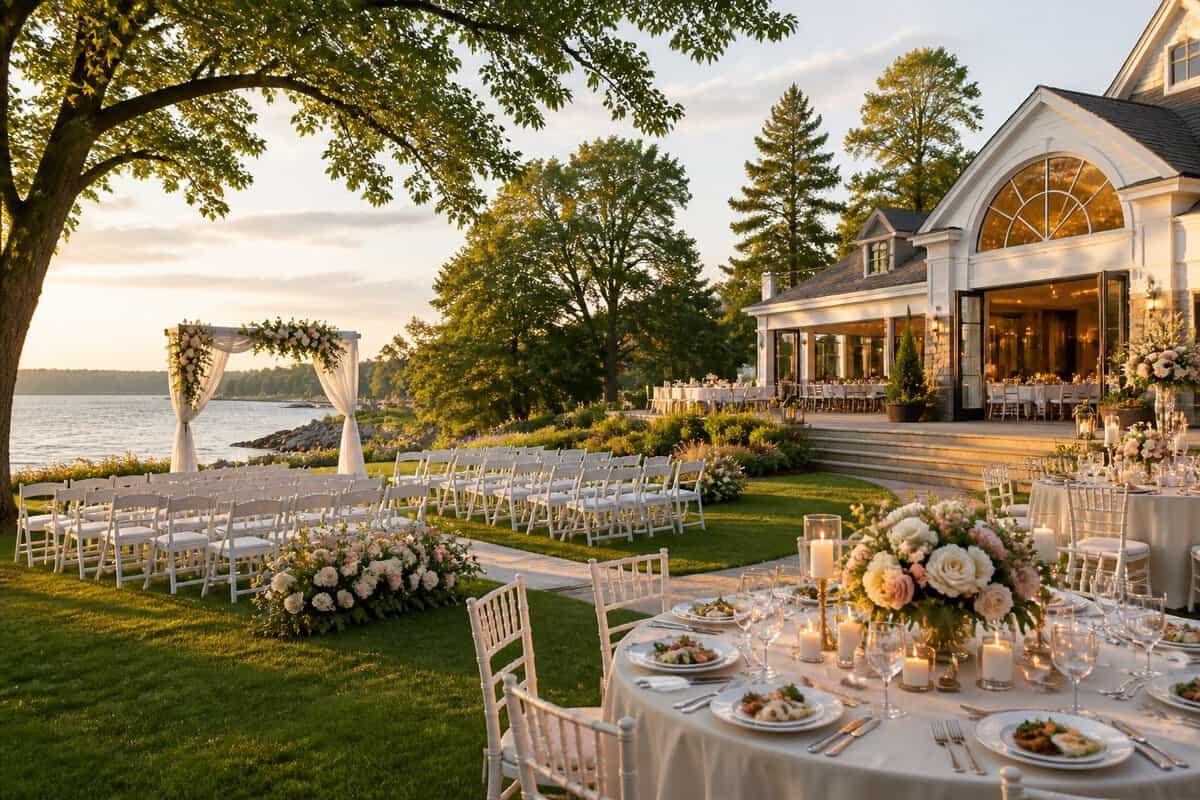
The best all-inclusive wedding packages give you a clear starting price, defined services, and a venue team that keeps each part of your day connected. You still need to check the fine print, since package names and inclusions differ from one venue to another.
As you compare your options, focus on the guest count, setting, food service, accommodation needs, and flexibility you want for your dream wedding. If a lakeside resort appeals to you, Severn Lodge invites couples to request a proposal for its 2026 wedding options and guest accommodations.
What Does an All-Inclusive Package Usually Include?
An all-inclusive wedding package usually combines venue rental, reception essentials, food, drinks, and planning support under one agreement. The exact list determines how much outside coordination and extra spending you will need.
Venue Rental, Furniture, and Décor Essentials
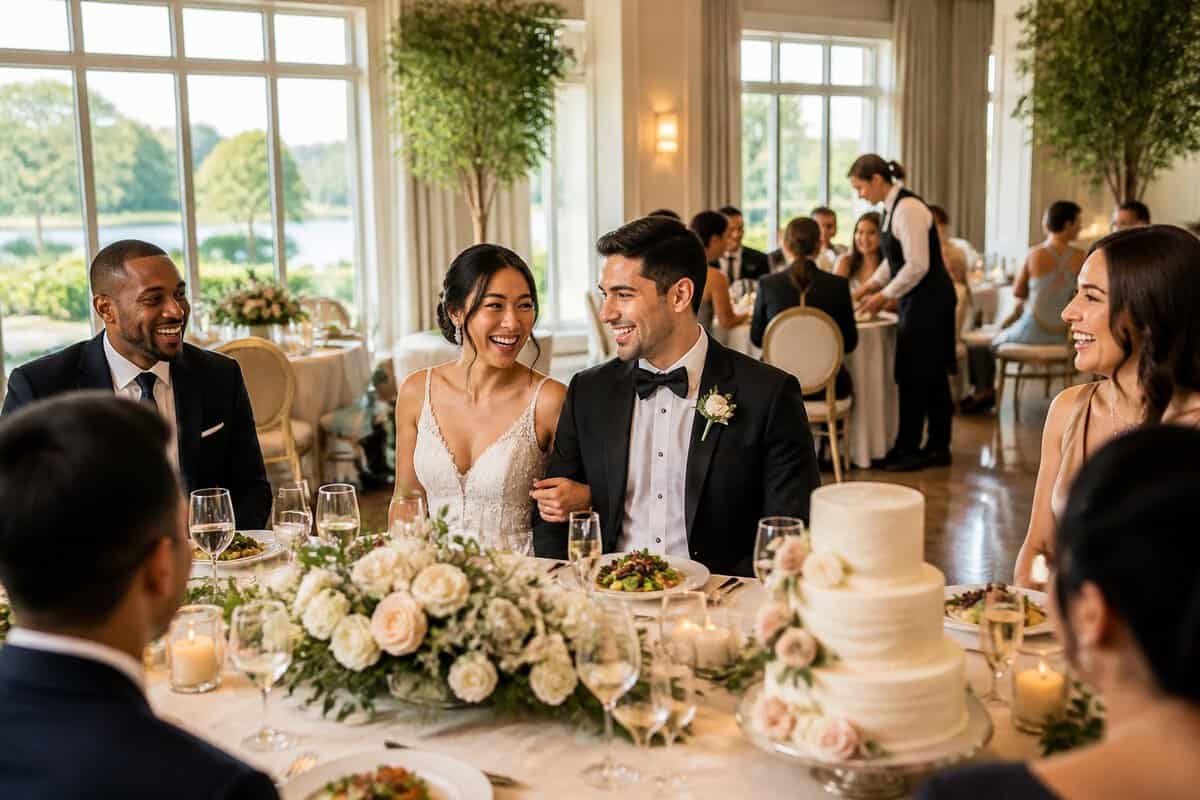
The base package often includes the ceremony or reception space, tables, chairs, standard linens, place settings, and basic room setup. Some wedding packages also include a head table, guestbook table, cocktail furniture, lighting, centerpieces, or a sound system.
Ask for a written inventory of every rental item. Confirm whether setup and teardown are included, which linen colors are available, and whether the venue provides ceremony chairs separately from reception seating. You can also review ideas for wedding reception setup before your tour.
Food, Drinks, and Reception Service
Food service may include a cocktail hour with hors d’oeuvres, a plated meal, buffet stations, late-night snacks, and dessert. A wedding cake appears in some packages, while other venues include a dessert table or apply a cake-cutting fee.
Bar service needs close attention. Your quote should state whether it covers an open bar, beer and wine, a limited drink menu, nonalcoholic beverages, bartenders, glassware, and service time.
Ask how the venue handles allergies, vegetarian meals, children’s portions, and vendor meals.
Planning, Coordination, and Setup
Many venues assign wedding experts to help with menus, timelines, room layouts, and vendor communication. Day-of coordination might include ceremony transitions, reception cues, vendor arrival, table setup, and teardown.
Clarify the level of support you receive. A sales manager who answers questions before booking may not be the same person who manages your wedding day. Ask when your coordinator joins the planning process and which tasks remain yours.
Common Exclusions and Optional Add-Ons
Photography, videography, entertainment, invitations, attire, florals beyond basic décor, transportation, officiant services, and overnight accommodations frequently sit outside the base package. Upgrades may include premium bar options, specialty linens, enhanced floral design, a signature cocktail, or extra reception hours.
Request an itemized list of included services and add-ons. Compare that list with a wedding décor checklist so you can spot missing details before you sign.
How Much Do Ontario Wedding Packages Cost?
Ontario wedding package pricing is shaped by guest count, date, location, menu, bar service, and the services bundled into the quote. A low starting price can rise when you add upgrades, taxes, gratuities, and outside vendors.
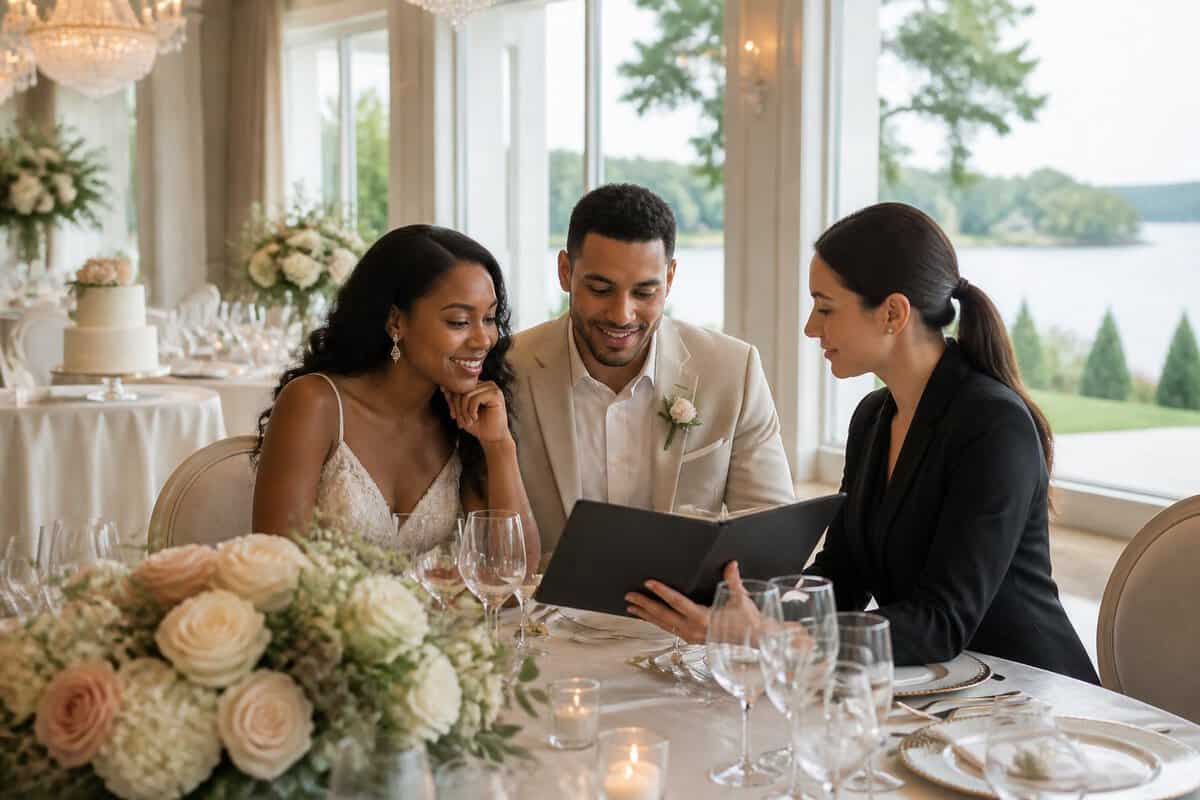
Compare quotes by separating fixed costs from per-person charges and listing every service in the same format. Weekend dates, peak summer months, premium rooms, and larger guest counts often change the total.
Per-Person Pricing vs. Venue Rental Fees
Per-person pricing covers costs tied to each guest, such as meals, beverages, staffing, rentals, and dessert. A separate venue rental fee covers access to the ceremony or reception space.
Some all-inclusive wedding packages combine the room charge into a minimum food and beverage spend. Others list a site fee, catering minimum, and service charge separately. Ask whether your ceremony space, cocktail hour, dance floor, and late-night service are included in the quoted rate.
What Changes the Final Wedding Budget?
Your final budget can shift with the wedding date, guest total, meal format, menu selections, bar duration, décor level, and reception length. A Saturday evening in July can carry a different minimum from a winter weekday celebration.
Guest accommodations, transportation, ceremony fees, vendor meals, overtime, cake-cutting, corkage, and rain-plan equipment also affect the total. Use a wedding budget worksheet and record each charge as soon as the venue explains it. You can compare your estimate with guidance on how much you should spend on your wedding.
Taxes, Gratuities, and Service Charges to Confirm
Ask whether quoted prices include HST, gratuities, administrative fees, staffing charges, and delivery costs. A service charge may apply to food and bar service, while gratuities may be calculated on the pre-tax or post-tax amount.
Request a sample final invoice. Confirm the deposit schedule, cancellation terms, payment deadlines, and the cost of adding guests after the final count. Written terms make the package easier to compare.
Ways to Compare Quotes Fairly
Place competing wedding packages in a side-by-side worksheet with the same guest count, date type, meal style, bar hours, and service time. Add each venue’s required fees before comparing totals.
| Cost category | Quote A | Quote B |
|---|---|---|
| Site fee | Included | Separate |
| Meal price | Per guest | Per guest |
| Bar service | 5 hours | 4 hours |
| Coordination | Included | Add-on |
| Taxes and fees | Listed | To confirm |
A package with a higher headline price may include more rentals, longer bar service, or stronger coordination support. Compare the finished event cost and the work left for you to arrange.
Choosing the Right Setting for Your Celebration
The right wedding venue matches your guest travel needs, visual style, ceremony plan, and accommodation requirements. Ontario gives you choices ranging from urban halls near Toronto to quiet waterfront resorts in Muskoka.
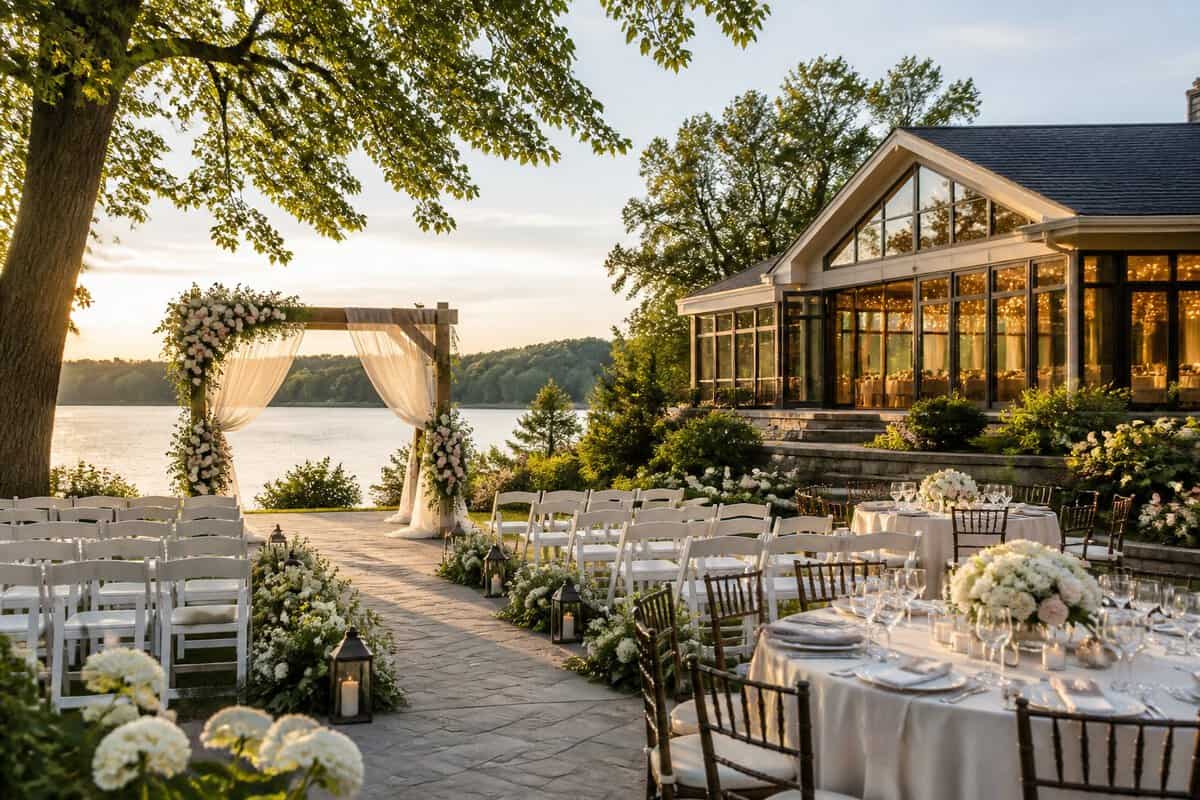
Think about arrival time, parking, weather coverage, photo locations, noise rules, and where guests will stay. A beautiful setting works best when its layout supports the way you want your celebration to flow.
Toronto and GTA Event Spaces
Toronto and Greater Toronto Area venues offer convenient access for local guests, airport travelers, and large vendor networks. Hotels, lofts, banquet halls, estates, and renovated industrial spaces support many wedding styles.
Urban venues often provide strong indoor plans, accessible transit, nearby restaurants, and a range of accommodations. Check loading access, parking costs, elevator use, music limits, and the distance between ceremony and reception rooms.
Waterfront and Lakeside Locations
Waterfront venues create natural ceremony backdrops and scenic photo locations. Lake views also shape the guest experience during cocktail hour and outdoor receptions.
Ask about shoreline access, wind, mosquitoes, uneven paths, lighting, and a covered rain plan. Confirm whether the ceremony site remains private during your event and whether guests can move comfortably between outdoor and indoor areas.
Muskoka Resorts and Destination-Style Escapes
Muskoka resorts give you a destination-style wedding with ceremony spaces, reception facilities, recreation, and accommodations in one setting. Guests can extend the celebration with lake activities, trails, shared meals, or a weekend stay.
Severn Lodge offers cottages and lakefront suites near Gloucester Pool, along with wedding support and a proposal process for couples planning their event. Ask about room blocks, check-in times, accessibility, meal plans, and transportation for guests who do not drive.
Indoor, Outdoor, and Year-Round Options
Indoor venues provide dependable shelter, climate control, restrooms, power, and lighting. Outdoor venues offer gardens, forests, vineyards, fields, or waterfront views that shape your ceremony design.
A year-round venue should show you the backup plan in person. Confirm the indoor ceremony location, guest capacity, flooring, heating, umbrellas, tent costs, and the timeline for moving the event if weather changes. More ideas for selecting a location appear in how to pick a wedding location.
Match the Package to Your Guest Count and Wedding Style
Your guest count should guide the room size, food minimum, staffing plan, and package tier you choose. A well-matched package supports your dream wedding without paying for space or services you will not use.

Before you book, ask how the venue handles your ceremony format, meal style, dance floor, children, accessibility needs, and preferred vendors. The same package can feel efficient for one event and restrictive for another.
Intimate Weekday Celebrations
Weekday weddings and smaller guest lists can open access to lower minimums, flexible timelines, and quieter spaces. You might choose a short ceremony, family-style meal, focused bar service, and limited décor.
Check whether the venue has a minimum spend even for a small group. Ask if a private dining room or garden space is available, and confirm how the venue prices children, vendors, and guests who attend the ceremony without joining the reception.
Large Ballroom Receptions
Large weddings need enough room for dining, dancing, entertainment, service stations, gift tables, and comfortable guest movement. Ballroom packages often provide a clear floor plan, banquet staffing, linens, staging, and lighting.
Ask for the maximum seated capacity with your preferred dance floor and head table. A room that holds 250 guests may feel crowded once you add a band, photo booth, lounge furniture, or cultural ceremony elements.
Ceremony-Only and Micro-Wedding Options
Ceremony-only packages suit couples who plan a restaurant meal, private reception, or larger party elsewhere. Micro-wedding packages serve small groups with a focused schedule and fewer rental needs.
Ask whether the officiant, chairs, signing table, sound system, rehearsal time, photography window, and permit requirements are included. For more planning guidance, review these tips for choosing a venue for a small wedding.
Customizing a Set Package Without Losing Value
Start with the services that affect guest comfort and event timing. You can then direct the remaining budget toward food upgrades, floral details, music, photography, or additional reception time.
Ask the venue to price each change in writing. Removing an included service may not reduce the package price, while upgrading several items together could qualify for a better rate. Confirm whether outside vendors trigger corkage, delivery, setup, or coordination fees.
Questions to Ask Before You Sign the Contract
Ask detailed questions before signing so your accommodations, wedding experts, bar service, guest logistics, and final costs are clear. A venue tour gives you the setting, while the contract defines what you receive.
Bring a written checklist and request answers by email when possible. Pay close attention to deadlines, limits, substitutions, weather plans, and charges that apply after the initial deposit.
Availability, Minimums, and Payment Terms
Ask whether your date is held exclusively, when the deposit is due, and whether payments are refundable. Confirm the guest minimum, food and beverage minimum, maximum capacity, overtime rate, final guest-count deadline, and cancellation policy.
Ask what happens if your guest count falls below the minimum. Check whether the venue can change the date, apply payments to another event, or retain your deposit under specific conditions.
Menu Flexibility and Dietary Accommodations
Request sample menus and ask how far in advance you select the final dishes. Confirm options for allergies, vegetarian and vegan guests, halal or kosher requirements, children, cultural dishes, and vendor meals.
Ask whether tastings cost extra and whether substitutions change the per-person rate. Confirm the meal timing, hors d’oeuvres quantity, late-night food, dessert service, cake cutting, and leftovers policy.
Vendor Policies and Décor Restrictions
Ask whether you must use preferred vendors for catering, bar service, rentals, music, florals, photography, or coordination. If outside vendors are allowed, confirm insurance requirements, arrival windows, setup access, and any vendor fees.
Review rules for candles, confetti, open flames, hanging décor, flower petals, fog machines, amplified sound, and wall attachments. Ask who handles setup and teardown, and whether your décor team receives enough access time.
Room Blocks, Transportation, and Guest Convenience
Confirm room-block rates, release dates, accessibility features, parking, check-in, checkout, and the distance between accommodations and event spaces. Ask whether your guests can book rooms individually or whether you must guarantee a set number.
For resort weddings, ask about shuttle service, taxi access, boat or waterfront safety, weather transportation, and activities between wedding events. Give guests a clear travel plan that includes the venue address, arrival time, parking details, and accommodation booking instructions.