
All-Inclusive Wedding Venues With Lodging: Planning Guide
All-inclusive wedding venues with lodging bring your ceremony, reception, guest accommodations, and wedding weekend activities into one connected setting. You get fewer travel details to manage, more time with your guests, and a clear home base for wedding planning.
For couples hosting a destination wedding or a multi-day celebration, an all-inclusive venue with on-site accommodations is the most convenient choice because the event spaces and guest rooms operate under one property plan.
Your package still needs a close review. “All-inclusive” can cover the wedding ceremony, cocktail hour, open bar, wedding cake, rentals, and coordinator while placing guest rooms, taxes, service charges, and premium upgrades in separate parts of the agreement.
Ask for an itemized quote that shows the wedding cost and lodging terms together.
If you are comparing options in the US, browse all-inclusive wedding venues with lodging and request current availability before you set your date.
What Is Included When Lodging Is Part of the Package?
Lodging and wedding services usually appear as connected parts of one booking, with the exact inclusions set by the property, season, guest count, and package tier. Review each line item before you compare prices.
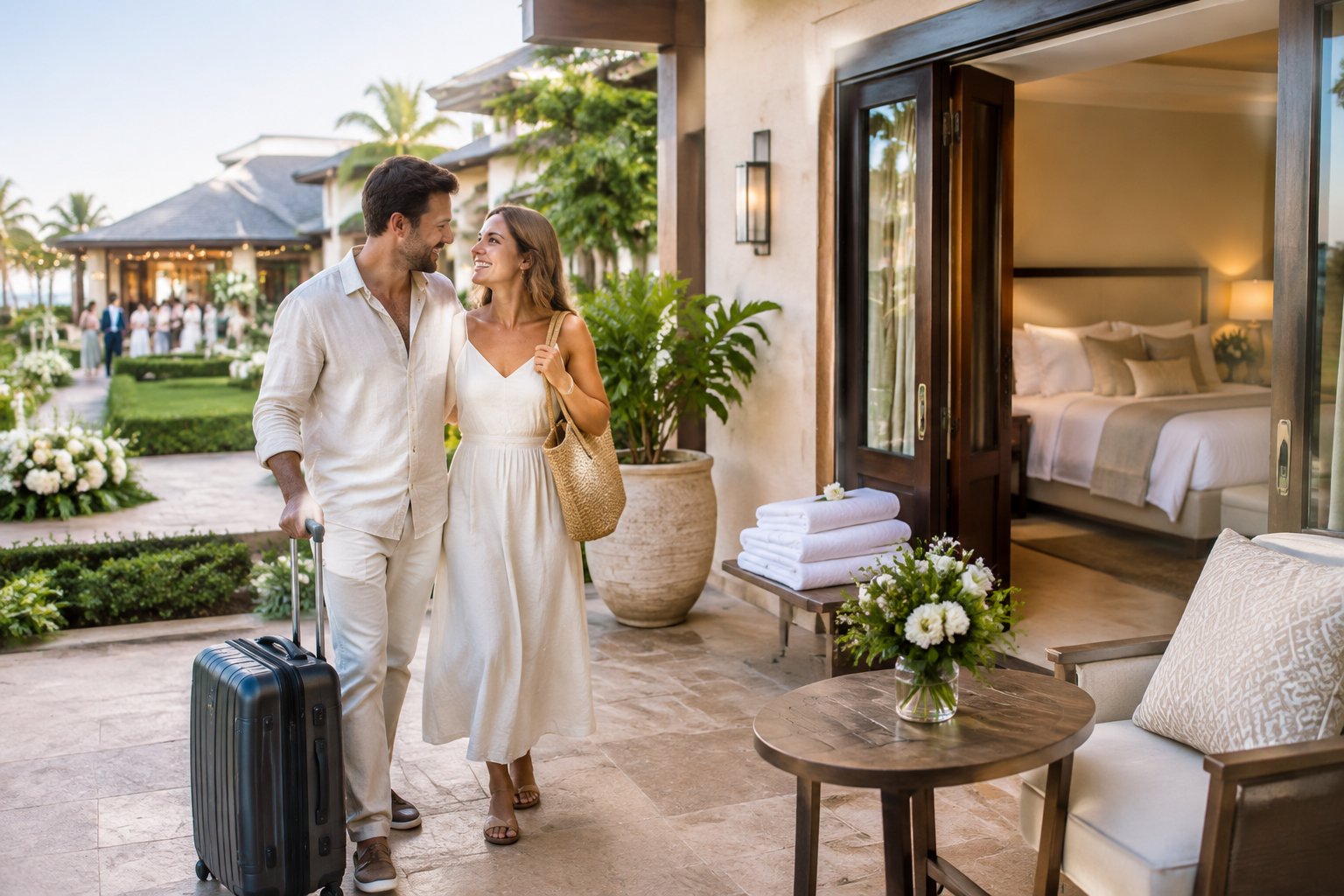
Wedding Services Typically Included
Core all-inclusive wedding packages frequently include:
- Wedding ceremony and reception spaces
- Tables, chairs, linens, glassware, and dinnerware
- Cocktail hour appetizers
- A set wedding menu
- Beer, wine, or open bar service for a defined number of hours
- Wedding cake or another dessert
- Basic décor and centerpieces
- Setup and cleanup
- A wedding coordinator
- A toast with sparkling wine
Some wedding packages add a DJ, sound equipment, simple floral designs, or a venue-approved officiant. A legal ceremony can bring document, translation, officiant, and government charges.
Ask whether children, vendors, and staff meals count toward the package guest limit.
Dietary restrictions should be listed during menu planning. Confirm the deadline for meal selections and whether special meals carry an extra charge.
Resort Stay Inclusions vs. Wedding Package Inclusions
A resort stay and a wedding package cover different parts of the experience. The stay might include a guest room, meals at resort restaurants, drinks, activities, and entertainment.
The wedding package handles ceremony and reception services.
Guest accommodations can follow a room-block agreement, with each guest paying for their room. At some properties, a required number of room nights unlocks a complimentary ceremony package or reduces a venue fee.
Get the room requirement in writing, including room types, taxes, booking deadlines, and cancellation rules.
Common Add-Ons and Exclusions
Photography, videography, hair and makeup, transportation, invitations, attire, and custom floral design frequently sit outside the base package. Premium liquor, specialty lighting, custom cocktails, live entertainment, late-night food, and extra reception hours also increase the bill.
Ask for the unit price of every upgrade. Check whether taxes, gratuities, service charges, cake-cutting fees, outside-vendor fees, delivery, parking, insurance, or overtime apply.
How Do On-Site Rooms, Room Blocks, and Buyouts Work?
On-site lodging gives your guests a convenient place to sleep, while a room block reserves selected inventory and a buyout gives your group control of the full property. Your contract determines who books the rooms and who carries financial responsibility.
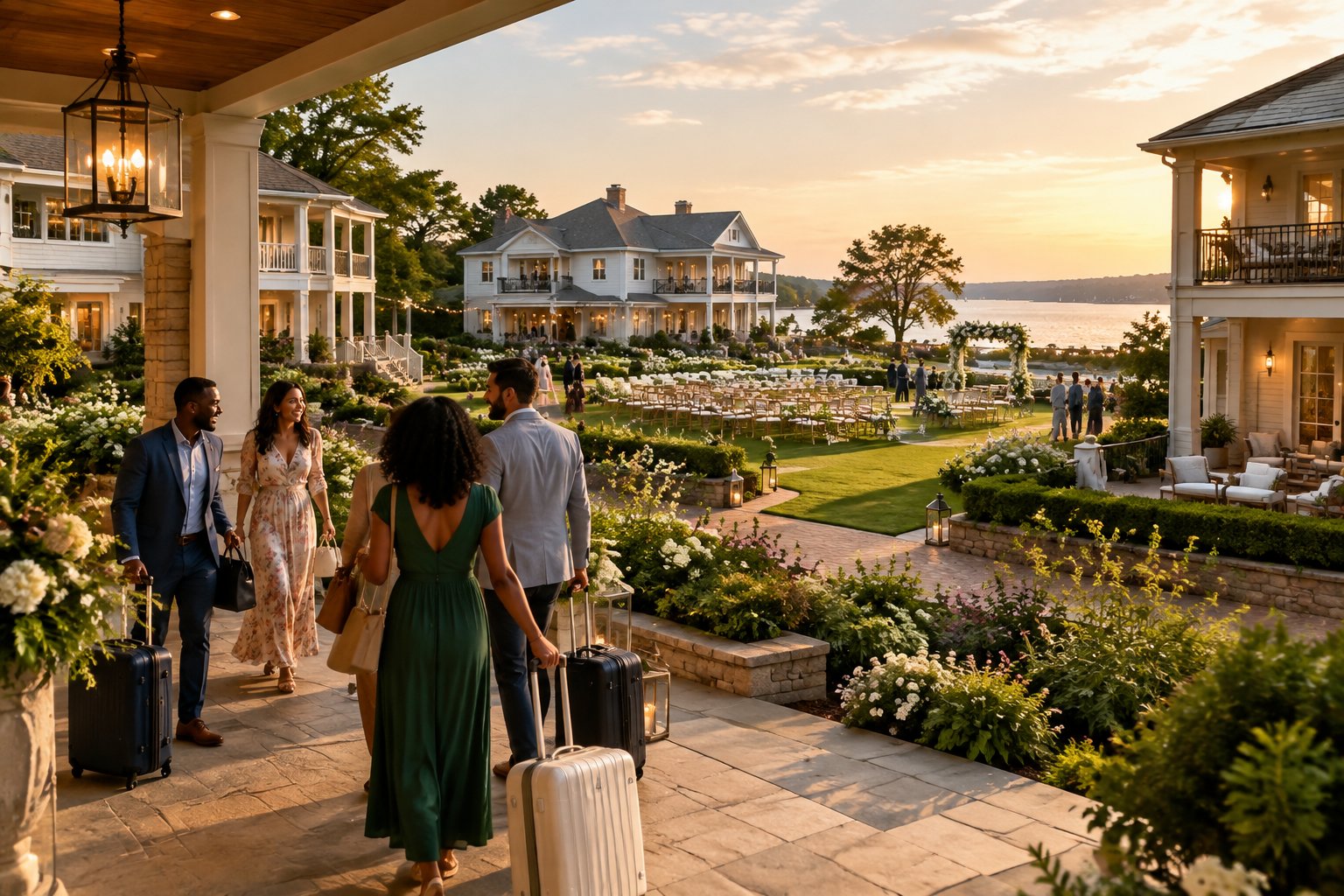
Property Buyout vs. Room Block
A property buyout reserves every guest room and the agreed event spaces for your group. You gain privacy, greater schedule control, and a shared setting for the wedding weekend.
Buyouts also bring a larger financial commitment, a minimum stay, and possible cleaning, security, or exclusive-use fees.
A room block holds a set number of guest rooms at a negotiated rate. Guests reserve and pay for their own accommodations under the hotel’s booking instructions.
A courtesy block releases unbooked rooms after a deadline, while a contracted block can include deposits, minimum room nights, and attrition responsibility.
| Criteria | Property Buyout | Room Block |
|---|---|---|
| Property access | Exclusive | Shared |
| Guest rooms | Entire inventory | Selected rooms |
| Privacy | High | Limited |
| Financial commitment | Larger | Varies |
| Schedule control | Greater | Contract-based |
How to Evaluate Guest Rooms and Accessibility
Inspect room layouts, bed counts, bathrooms, storage, parking, and walking distances to the event spaces. Lodging might include hotel rooms, suites, cabins, cottages, villas, or guesthouses, so compare each type against your guests’ needs.
Request the number of accessible rooms and ask about step-free routes, elevators, accessible bathrooms, pool access, and transportation across the property. Confirm check-in, check-out, early arrival, late departure, and luggage storage policies.
Minimum Room Nights, Attrition, and Booking Deadlines
Minimum room nights set the number of nights your group must reserve. A contract might count rooms across the full stay or require a nightly pickup target.
Attrition terms explain what happens when guests book fewer rooms than promised. You could owe payment for part of the unused inventory, depending on the agreement.
Ask for the allowed reduction, deposit schedule, cancellation policy, reporting process, and cut-off date.
Give guests the booking link, group code, room rate, cancellation terms, and deadline in one place. Ask whether the venue can add rooms after the original block fills.
Which Venue Type Fits Your Celebration?
The right all-in-one wedding venue matches your guest count, privacy needs, travel plans, and preferred style. A private estate creates an intimate shared stay, while hotels and resorts provide broader services, dining, and room inventory.
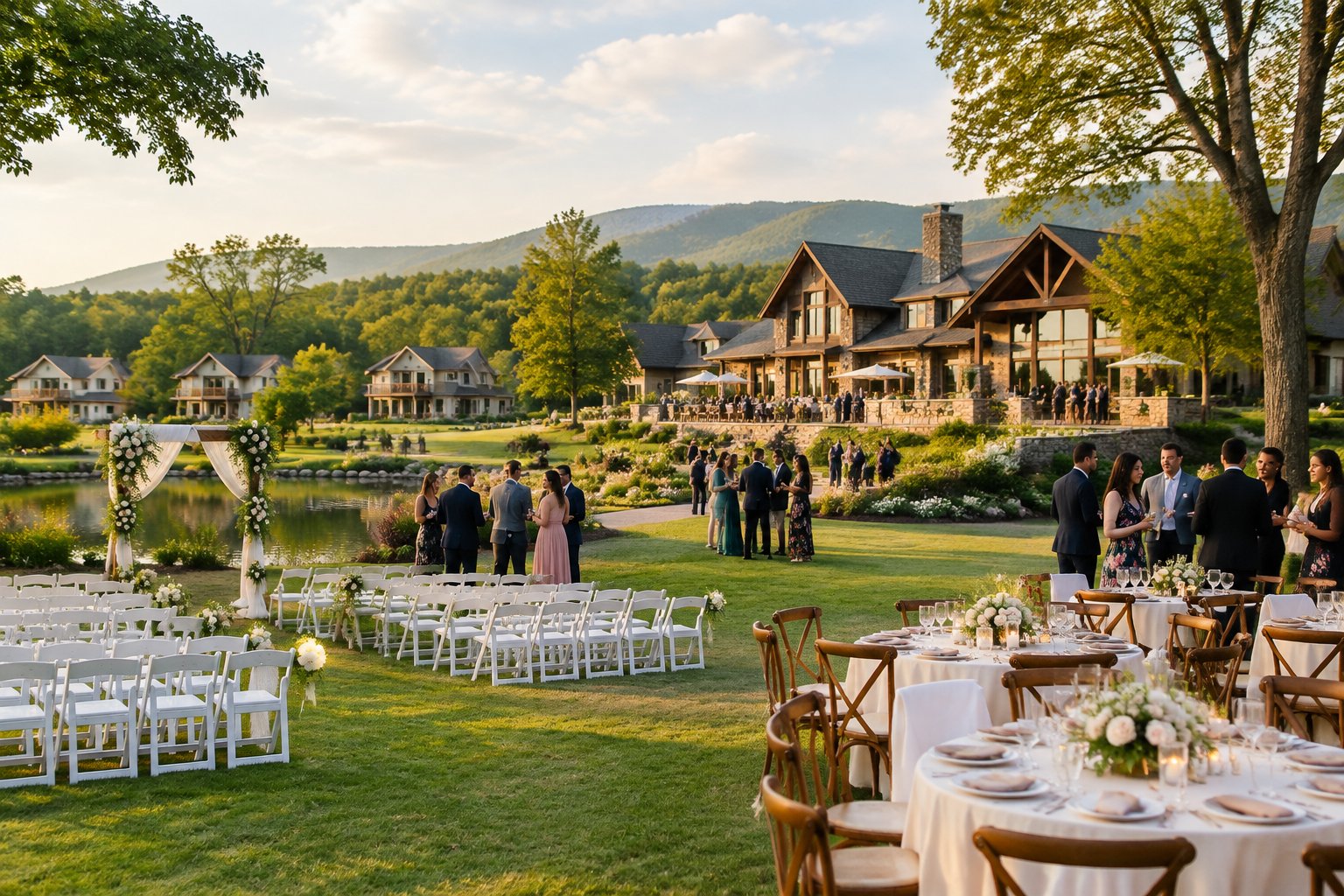
Private Estates and House Rentals
A private estate works well for a close group that wants exclusive use, character, and shared time. You might find gardens, guest cottages, pools, terraces, kitchens, and indoor backup areas on one property.
Check overnight capacity, parking, catering access, fire rules, nearby neighbors, amplified-music limits, tent policies, and event hours. Private homes can have fewer guest rooms and tighter restrictions than a resort.
An Orlando Lakefront Estate, for example, could suit a celebration that combines outdoor scenery with access to city services. If guests are traveling from New York, compare flight routes, transfer times, and local hotel choices before you set a room requirement.
You can also review all-inclusive venues for weddings for more property styles.
Hotels, Restaurants, and Banquet Halls
Hotels provide guest rooms, dining, indoor event spaces, and staff in one building. They suit larger guest lists and celebrations that need reliable weather protection.
Restaurants work well for food-focused receptions and smaller groups. A restaurant buyout creates a warm dinner setting, though dance-floor space might be limited.
Banquet halls offer flexible seating, formal service, and room for larger receptions, with nearby hotels supplying overnight accommodations when rooms are not on-site.
Ask how many events share your date, whether the ceremony space is private, when vendors can load in, and what noise curfew applies.
All-Inclusive Resorts for Destination Weddings
All-inclusive resorts suit destination weddings where guests want rooms, meals, activities, and event services in one place. Beach wedding, resort wedding, and tropical wedding options often include gardens, terraces, pool decks, restaurants, ballrooms, or beachfront ceremony sites.
An adults-only resort creates a quieter guest experience, while a family-friendly property supports children and multigenerational groups. Compare wedding package fees with room rates, required stays, private reception charges, weather backups, photography rules, and marriage-license requirements.
For broader comparisons, explore all-inclusive resorts with wedding venues.
How Much Do Stay-On-Site Weddings Cost?
Stay-on-site weddings range from modest local celebrations to luxury destination events, with the final total shaped by venue access, guest accommodations, food and beverage, season, and add-ons. Your quote should separate each cost.
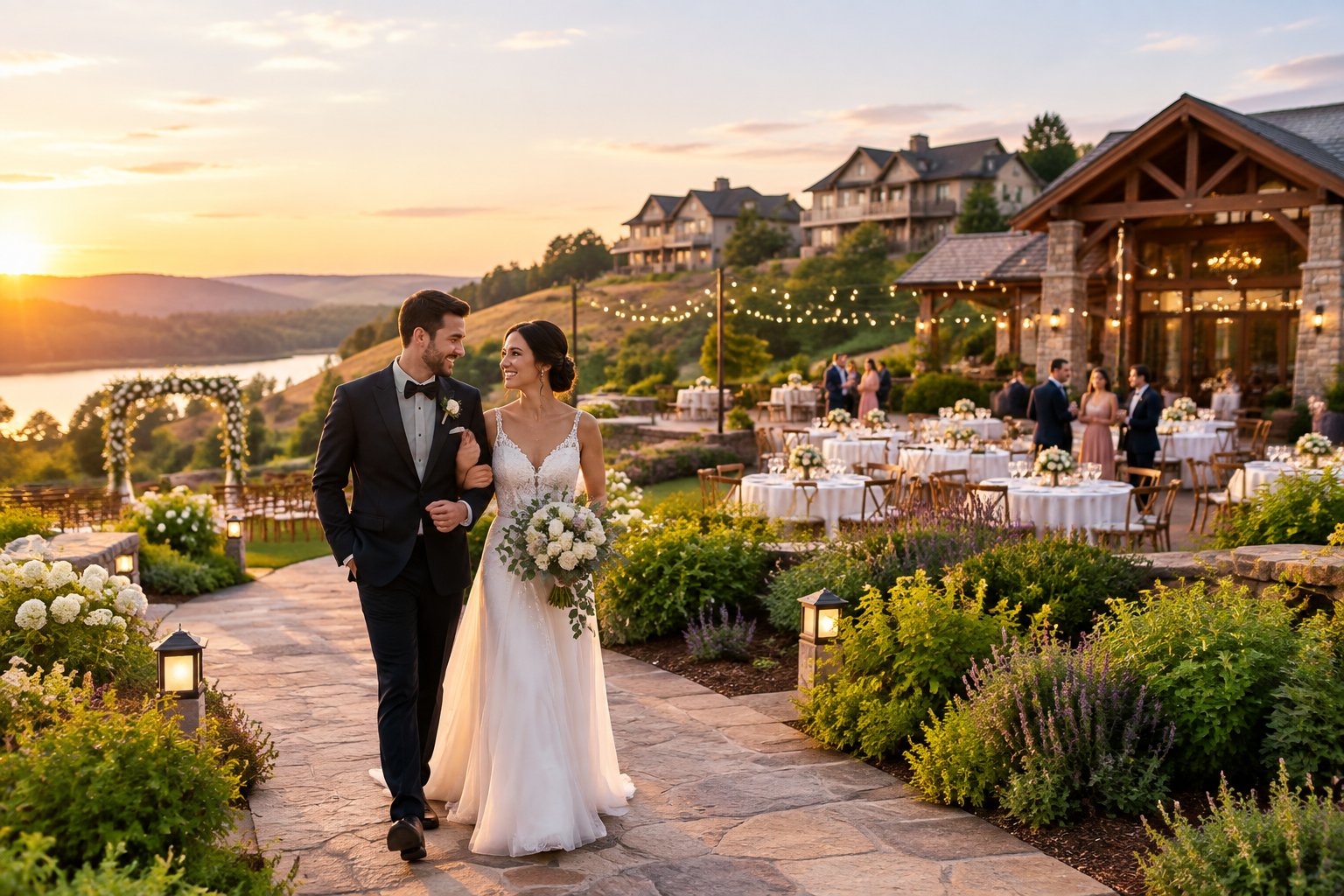
Comparing Venue, Lodging, and Food-and-Beverage Costs
A local estate might charge a site fee plus catering per person. A hotel might combine guest rooms with a food-and-beverage minimum.
An all-inclusive resort might charge a wedding package fee while guests pay nightly room rates and resort taxes.
Build your wedding budget with these lines:
- Venue rental or property buyout
- Ceremony and reception services
- Catering and open bar
- Guest accommodations and required room nights
- Rentals, staffing, taxes, and service charges
- Transportation and vendor fees
- Photography, flowers, entertainment, and décor upgrades
A per-person package also needs careful math. For example, a $150 package for 100 guests equals $15,000 before taxes and added fees.
Request pricing at several guest counts so you can see how the total shifts.
How Guest Count and Season Affect the Total
Guest count raises costs for meals, drinks, seating, dinnerware, cake, staffing, and guest rooms. Ask the venue to price 50, 100, and 150 guests, then include children, vendors, and required staff meals.
Peak wedding dates and holiday weekends can bring higher rates and fewer available rooms. An off-season or weekday date might open more package choices and reduce venue pressure.
Confirm the weather plan before choosing a low-demand season for an outdoor celebration.
Fees That Can Change Your Wedding Budget
Request written details about deposits, cancellation, date changes, minimum guests, minimum spend, room-night commitments, overtime, insurance, security, and cleanup. Service charges and taxes can apply to the wedding package, guest accommodations, or both.
Ask about corkage, cake cutting, outside vendors, delivery, parking, resort fees, vendor meals, and extended reception hours. Review a sample final invoice so the quoted wedding budget reflects the amount you expect to pay.
How to Plan a Multi-Day Wedding Weekend
Plan a multi-day wedding by assigning each event a clear purpose, space, meal plan, and staffing schedule. A connected property makes arrival, ceremony, reception, and departure easier to coordinate.
Build open time into the itinerary so guests can rest, explore, and enjoy the property. Share the schedule, dress code, transportation details, and meal information before guests arrive.
Welcome Dinner and Rehearsal Dinner Logistics
A welcome dinner gives traveling guests an easy first gathering. Reserve a restaurant, terrace, lawn, or private dining room near the guest rooms, and confirm the menu, bar service, dietary restrictions, seating plan, and end time.
The rehearsal dinner works best for the wedding party, close family, and ceremony participants. Schedule the rehearsal with enough time to walk through entrances, readings, music cues, and the weather backup.
A wedding planner or coordinator should confirm who leads each part.
Wedding-Day Flow From Getting Ready to Reception
Place getting-ready rooms near the ceremony space when possible. Give your wedding planner a timeline that includes hair and makeup, photography, first look, transportation, guest seating, the wedding ceremony, cocktail hour, dinner, speeches, cake, dancing, and cleanup.
Ask when vendors can enter and when the venue must be cleared. Build a transition period between the ceremony and reception so guests can move comfortably and staff can reset the space.
Farewell Brunch and Flexible Guest Time
A farewell brunch gives guests a relaxed final meal before departure. Offer a buffet, a limited menu, or a casual outdoor gathering, and confirm luggage storage and checkout timing.
Leave part of the weekend unscheduled for pool time, spa appointments, local tours, or quiet conversations. Guests who prefer flexible plans can enjoy the stay without adding another required event to your schedule.
Destination Resort Locations and Examples to Compare
Destination resorts in Mexico, the Caribbean, Central America, and nearby tropical regions offer different guest experiences, ceremony settings, room styles, and legal requirements. Compare the airport transfer, wedding package, room rates, resort atmosphere, and marriage license process together.
Ask each property about ceremony privacy, rain plans, guest capacity, minimum stays, outside vendors, and the documents needed for a legal ceremony. A symbolic ceremony can reduce paperwork, while a legal marriage requires destination-specific steps.
Mexico and Los Cabos Resorts
Mexico offers broad resort choice across Los Cabos, Puerto Vallarta, Cancún, Riviera Maya, and Playa del Carmen. You can compare properties such as Hard Rock Hotel Los Cabos, Breathless Cabo San Lucas Resort & Spa, Hotel Xcaret Mexico, Royalton Riviera Cancun, Secrets Moxché Playa del Carmen, Dreams Bahia Mita, and Barceló Puerto Vallarta.
Los Cabos suits desert-coast scenery and sunset events. Puerto Vallarta combines beach settings with mountain views and city access.
Cancún and Riviera Maya provide large resort inventories, family-friendly options, and adults-only resort choices.
Confirm the marriage license process, blood-test rules where applicable, document translations, local fees, and required waiting periods before you advertise a legal wedding date.
Caribbean Resorts in Jamaica and the Dominican Republic
Jamaica offers properties such as Grand Lido Negril, Sandals Regency La Toc Golf Resort & Spa, and Beaches Turks & Caicos for couples seeking resort activities and waterfront settings. Adults-only options suit intimate celebrations, while family-focused properties welcome children.
In the Dominican Republic, compare Hotel Paradisus Palma Real, Majestic Colonial Punta Cana, Dreams Dominicus La Romana, Casa de Campo Resort & Villas, and El Embajador in Santo Domingo. Punta Cana offers large beach resorts, while Casa de Campo provides a broader resort setting with villas and event spaces.
Ask about hurricane-season planning, ceremony privacy, transportation, room blocks, and the marriage license documents required by the local authority.
Costa Rica, Panama, and Other Tropical Settings
Costa Rica offers rainforest, beach, and garden settings through properties such as Riu Palace Costa Rica, Occidental Papagayo, Secrets Papagayo Costa Rica, and Planet Hollywood Costa Rica. These locations suit couples who want resort lodging with access to outdoor scenery and local excursions.
In Panama, Dreams Playa Bonita Panama provides a coastal resort setting near Panama City. Barceló Tambor offers another Costa Rica comparison point for couples considering a quieter beach area.
Other destinations to compare include Royal Hideaway, Susurros del Corazón, Hotel Xcaret Mexico, Grand Lido Negril, and Sandals Regency La Toc Golf Resort & Spa. Check the property’s current wedding collections, room inventory, adults-only rules, transfer plans, and marriage license requirements before paying a deposit.