
Are Wedding Rehearsals Always the Day Before? Exploring Timing Flexibility
When planning your wedding, you may wonder about the timing of the rehearsal. Most couples hold their wedding rehearsal the day before the big event, but it is not a strict rule. Some may choose to do it earlier, which can actually help guests arrive without stress.
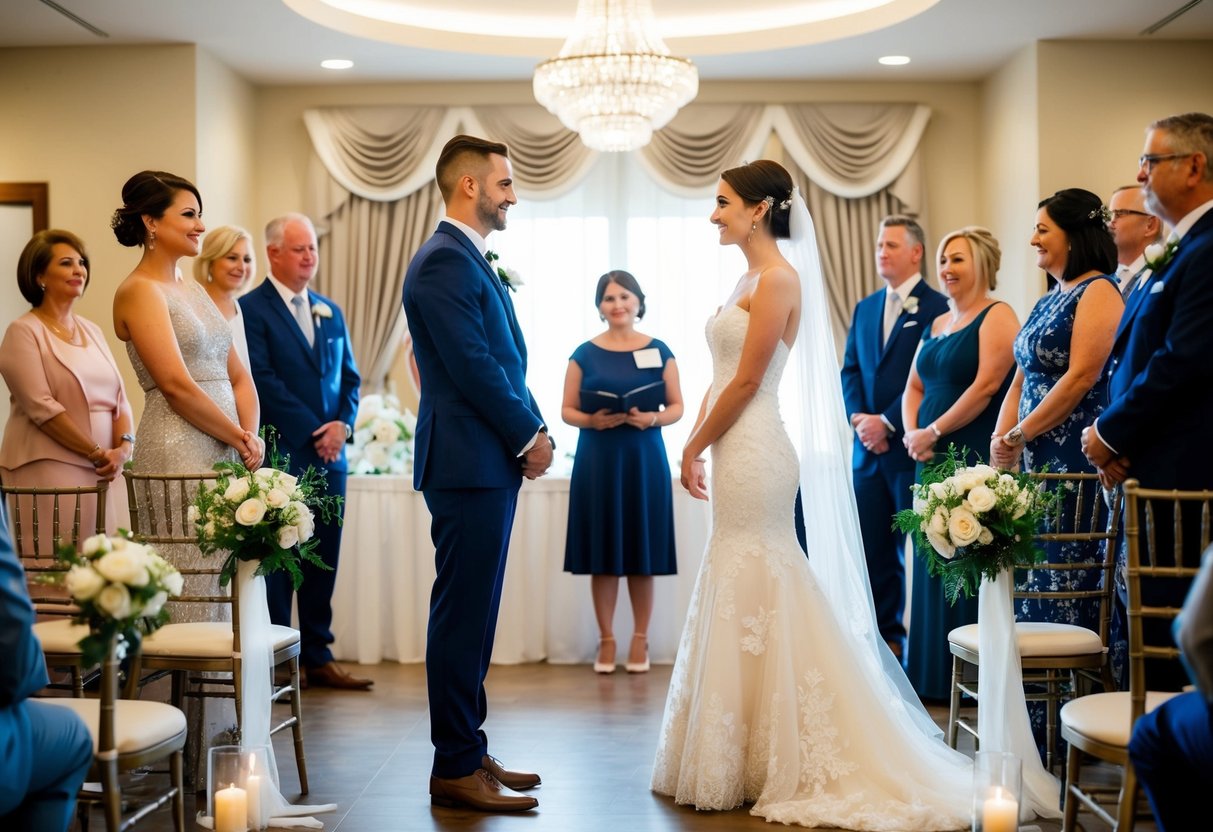
A rehearsal serves as a vital pre-wedding event, providing a chance for everyone involved to practice their roles and feel comfortable with the flow of the ceremony. If your wedding day schedule is tight or if many guests are traveling, considering a different day for the rehearsal might be a smart move.
Ultimately, it’s about what works best for you and your loved ones. Whether it’s the night before or a couple of days ahead, the goal is to ensure a smooth and enjoyable wedding celebration.
The Purpose and Timing of Wedding Rehearsals
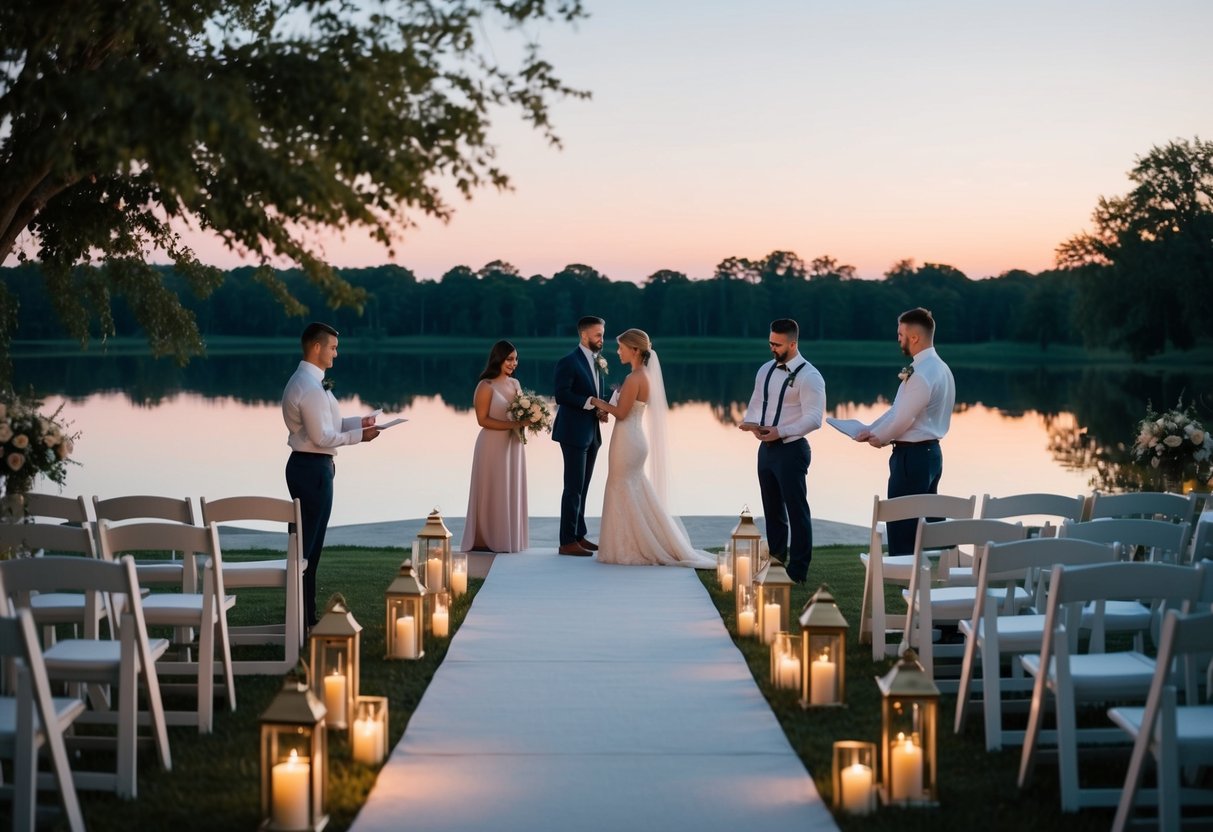
Wedding rehearsals are important for making sure your ceremony runs smoothly. They help everyone involved understand their roles and build confidence for the big day. When you choose to hold your rehearsal can affect how comfortable and prepared everyone feels.
Understanding the Rehearsal
The main goal of a wedding rehearsal is to practice the ceremony. This includes going over the order of events, such as where everyone stands and when to walk down the aisle. It also helps clarify expectations for each person in the wedding party.
You might also discuss important details, like music cues and readings. This practice time can ease any nerves and reduce confusion on the actual day. In short, a rehearsal makes your wedding feel more organized and less stressful.
Scheduling for Success
Most couples choose to have their rehearsal the night before the wedding. This timing allows you to include your wedding party in the practice without too much hassle. Some people even opt for a day-of wedding rehearsal. This can work well if you’re short on time or want to keep things simple.
When planning the rehearsal dinner, consider accommodating out-of-town guests. It’s best to schedule the dinner after the rehearsal to make it convenient for everyone. Allow yourself enough time between the rehearsal and dinner for travel and relaxation. Proper scheduling can lead to a smoother wedding weekend.
Participants and Their Roles
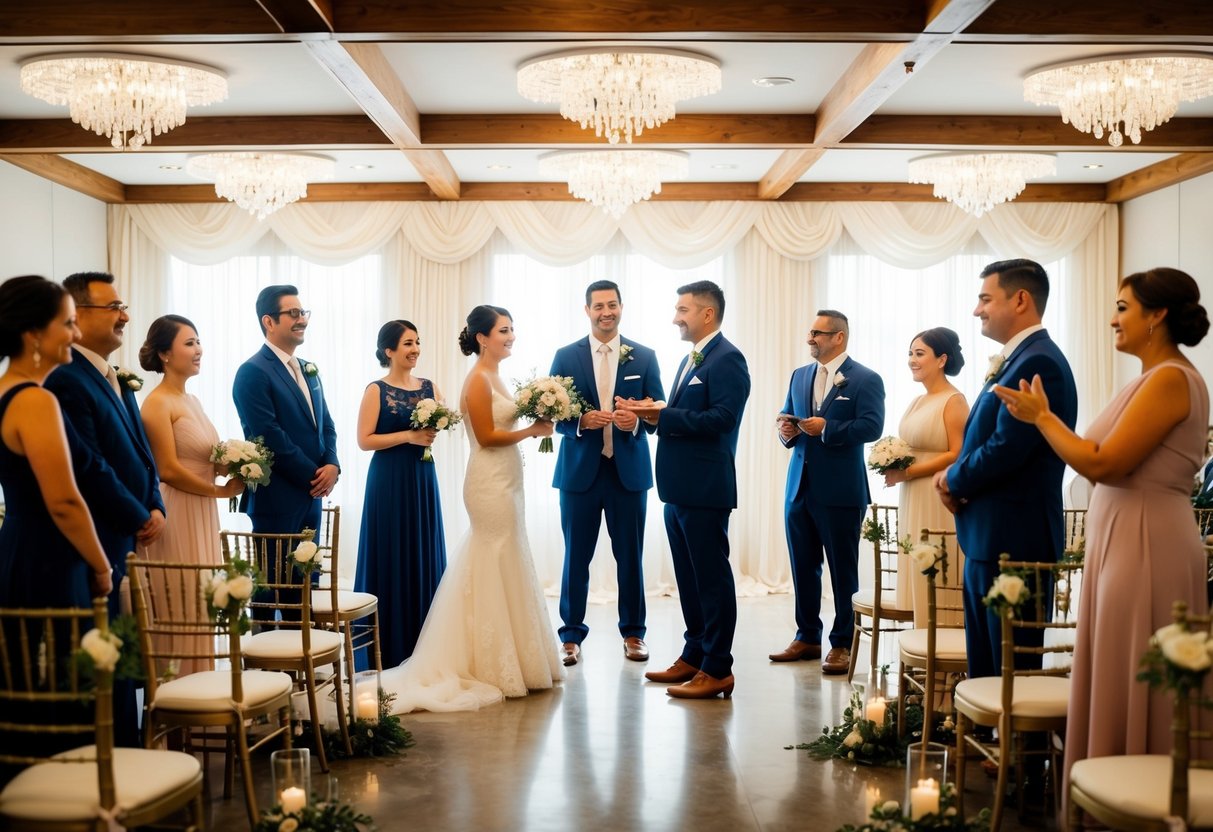
Understanding who takes part in the rehearsal and what their responsibilities are can make the ceremony smoother. Each person has a specific role that contributes to the overall flow of the wedding.
Roles in the Wedding Party
In the wedding party, the bridesmaids and groomsmen play essential roles. They support the bride and groom, helping with everything from planning to the ceremony itself. During the rehearsal, they practice how to walk in the processional and exit during the recessional.
Bridesmaids often carry flowers and stand beside the bride, making sure she feels supported. Groomsmen, on the other hand, assist the groom and ensure all details are in place. Assigning specific duties helps everyone know what to do on the big day. You might also want to include close family members or friends in special readings, making them feel included.
The Role of the Officiant
The wedding officiant is a key figure in the ceremony. They guide the event and ensure everything goes smoothly. At the rehearsal, the officiant will explain the schedule, introduce various parts of the ceremony, and clarify any special readings to be included.
It’s important for the officiant to discuss how the processional and recessional will unfold. They also help participants understand where to stand during the ceremony. This makes everything more comfortable and familiar on your wedding day, reducing any jitters. Engaging with your officiant beforehand can create a more personal feel for your ceremony.
Planning the Rehearsal Dinner
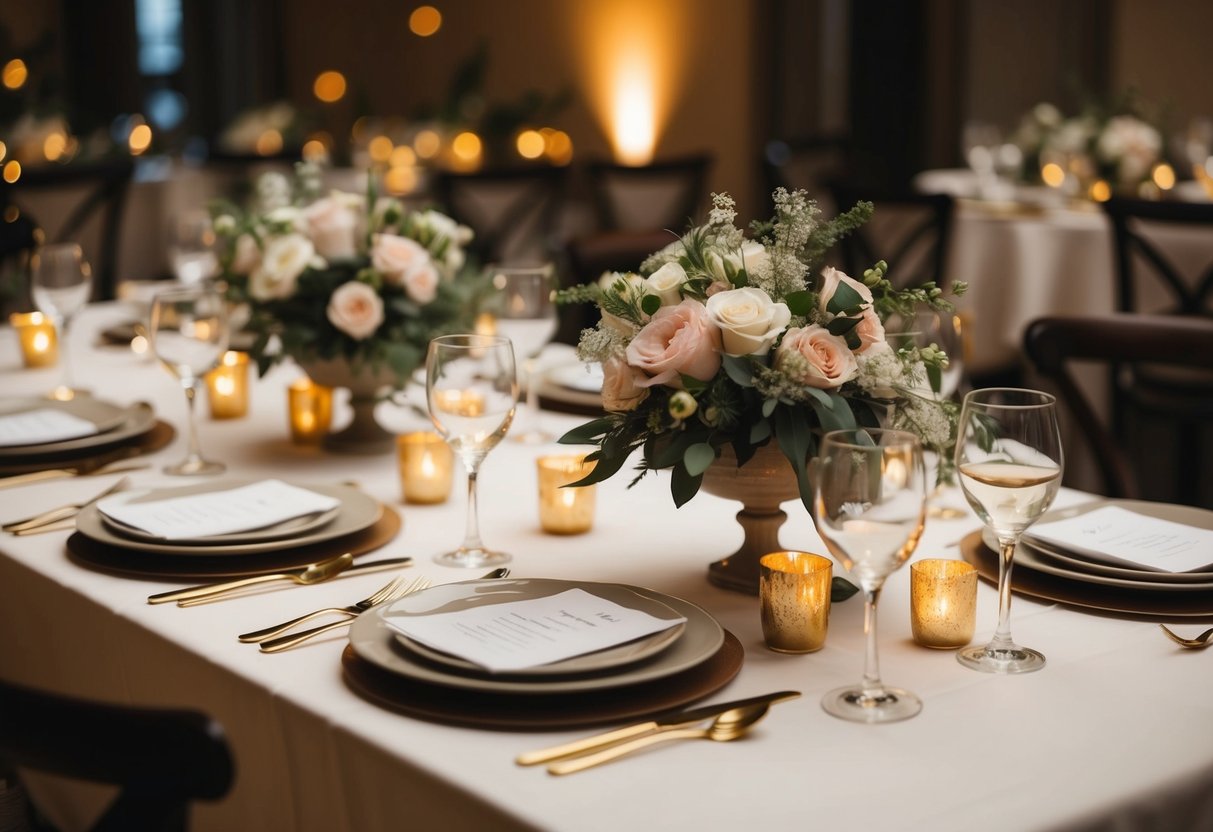
A rehearsal dinner is a special event that brings together the bridal party, family, and close friends before the big day. You want to make it memorable while keeping your guests in mind, especially those who traveled for the occasion. Here’s what to consider when planning it.
Choosing the Venue
Selecting the right venue is key to having a successful rehearsal dinner. A common choice is a restaurant that can accommodate your group size comfortably. Look for places that are convenient for your guests and can handle the event specifics, like menu choices and seating arrangements.
Consider your budget, as some venues may be pricey. If you want something more personal, hosting it at home or a family member’s place can be charming. Make sure to check facility amenities, especially for out-of-town guests who might need parking or accommodation nearby.
Crafting the Guest List
Creating a guest list involves balancing family, close friends, and, often, out-of-town guests. Start by including immediate family and bridal party members. They play significant roles in the wedding and should be there for this pre-wedding celebration.
Next, think of relatives and close friends who have traveled a long way. This acknowledges their effort to be part of your special day. Aim for an intimate gathering but also ensure that no important person feels left out. Be mindful of space limitations in your chosen venue when finalizing the list.
Dinner Etiquette and Traditions
A few traditions can enhance the dinner experience. Typically, the couple or their parents host the dinner, expressing gratitude to everyone for their support. This is a great opportunity to share stories and introduce both families.
Make sure to send rehearsal dinner invitations well in advance. This allows your out-of-town guests to plan their travel accordingly. You can include a brief itinerary, so everyone knows what to expect. Remember to encourage mingling among guests, as this helps break the ice.
As the evening unfolds, consider having a toast to honor the couple, followed by some fun games or activities. These moments can create lasting memories for you and your loved ones.