
Average Cost of a Florist for a Wedding: 2026 Prices
A realistic average cost of florist for wedding in the United States is about $2,000 to $6,000 in 2026, with many couples spending close to $2,800 on wedding florals. A small order with bouquets and boutonnieres can stay below $2,000, while full-service designs with ceremony installations and reception décor can reach $7,500 or more.
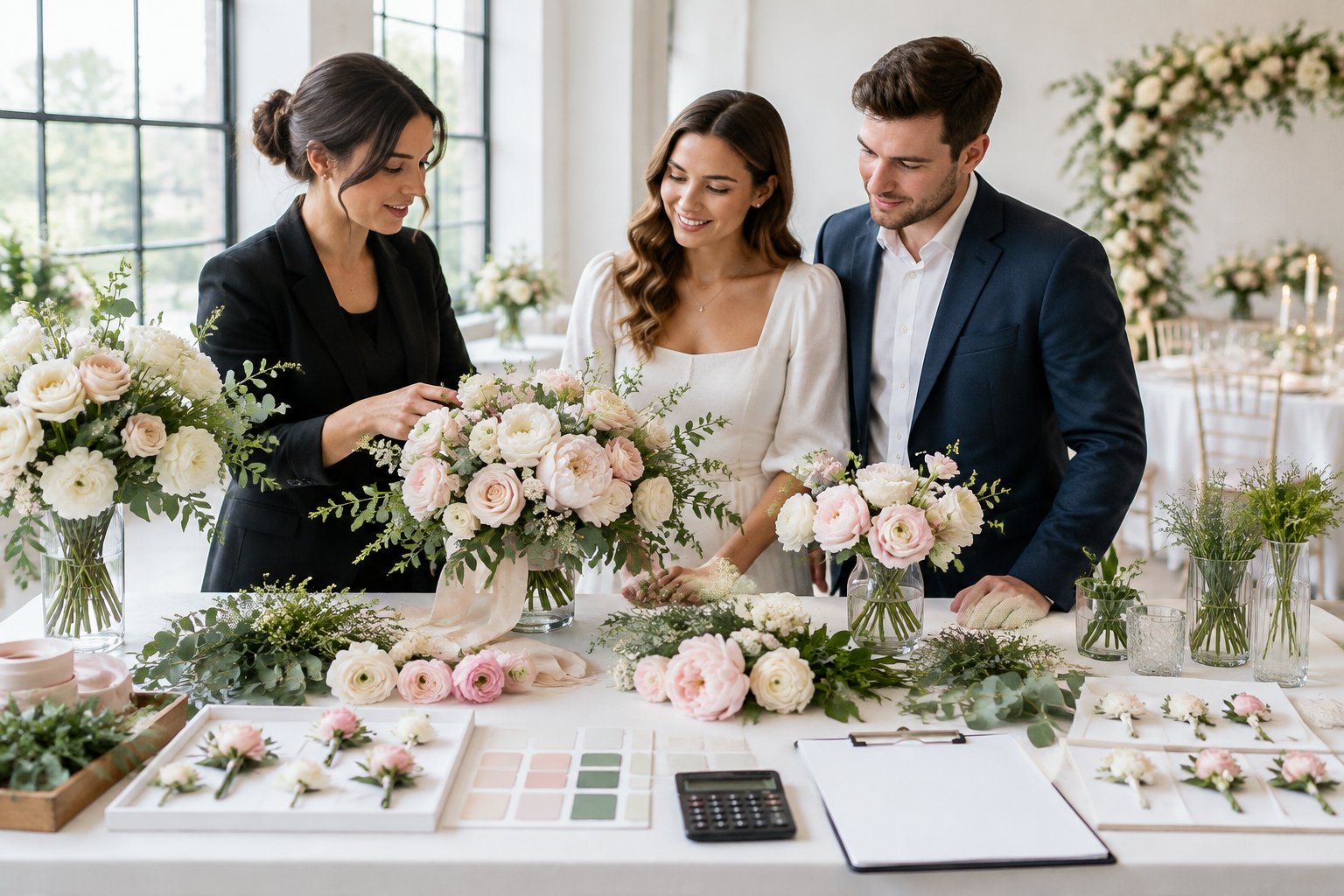
Your guest count, flower choices, wedding date, venue layout, delivery distance, and design labor shape the final wedding flower cost. A clear wedding flower budget helps you choose where flowers should create the strongest visual effect.
If you want help planning your order, explore these wedding florist tips before requesting quotes.
What Does a Wedding Florist Typically Cost in 2026?
A wedding florist costs about $2,000 to $6,000 for many U.S. weddings in 2026, while full-service floral design with arches or installations can exceed $7,500. Smaller orders may cost $800 to $2,000, while large celebrations with extensive wedding florals can reach $10,000 or more.
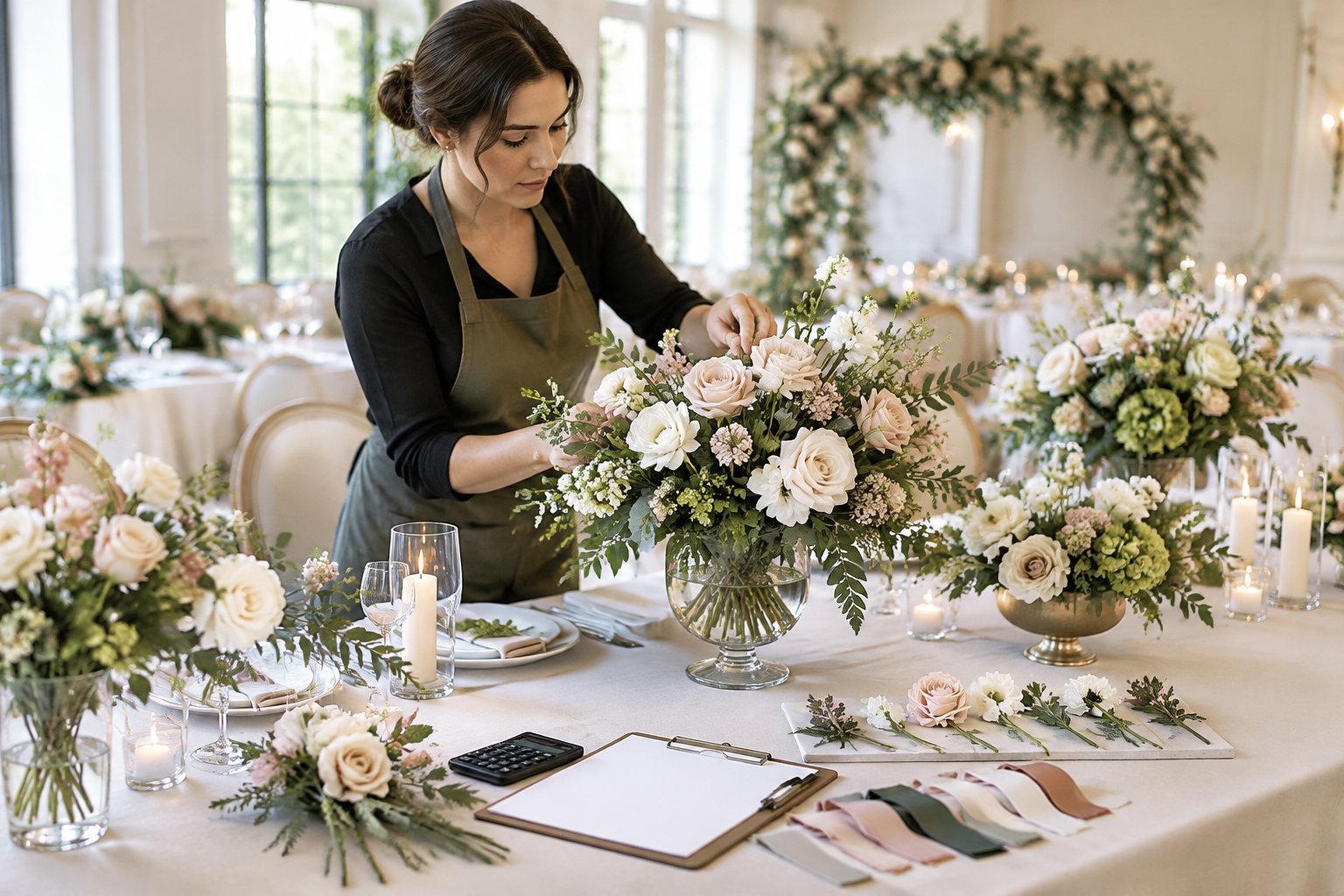
A professional florist prices the full order, including flowers, containers, design time, delivery, setup, breakdown, and rentals when those services apply. Ask for an itemized proposal so you can see which choices drive the average wedding flower cost.
Why National Averages Vary So Widely
National averages combine very different wedding plans. One couple might order a bridal bouquet, six bridesmaid bouquets, and boutonnieres.
Another might hire a full-service florist for a floral arch, aisle décor, cocktail arrangements, large reception centerpieces, delivery, and a late-night pickup.
Location also affects wedding flower costs. Major cities and high-cost wedding markets carry higher labor and delivery rates.
A Saturday wedding during peak season can require more staff and advance sourcing than a weekday celebration in a smaller town.
The Knot data often reflects couples who purchased wedding florals, while other estimates include full-service designs with extensive labor. Use national figures as a starting point, then request local quotes for a useful planning number.
How Much of Your Total Wedding Budget Should Go to Flowers?
Plan 8% to 10% of your total wedding budget for flowers when floral design plays a visible role in your ceremony and reception. A $30,000 wedding would support a starting floral budget of $2,400 to $3,000.
A smaller 5% allocation can work when you want personal flowers and a few centerpieces. A 12% to 15% allocation fits a floral-forward celebration with an arch, hanging pieces, lush tables, or multiple ceremony arrangements.
You can compare different approaches in this guide to how to allocate a wedding budget. Include tax, delivery, setup, and rental fees in your working number so the final quote does not stretch your budget.
Estimated Floral Budgets by Wedding Size
Guest count affects the number of personal flowers and reception tables. The design style still controls the range, so use these estimates as planning bands:
| Wedding size | Focused floral plan | Full-service floral plan |
|---|---|---|
| 25 to 50 guests | $1,000 to $2,500 | $2,500 to $5,000 |
| 75 to 125 guests | $2,000 to $4,500 | $4,000 to $8,000 |
| 150 to 200 guests | $3,000 to $6,000 | $6,000 to $12,000+ |
A large guest list does not require elaborate flowers at every table. You can use candles, bud vases, rented décor, and reused ceremony arrangements to control the floral spend.
Price Ranges for Common Floral Pieces
Common 2026 prices range from $150 to $350 for a bridal bouquet, $25 to $75 for a bridesmaid bouquet, $20 to $45 for a boutonniere, and $75 to $250 for a reception centerpiece. Ceremony installations and tall reception designs carry much higher prices because they use more product and labor.
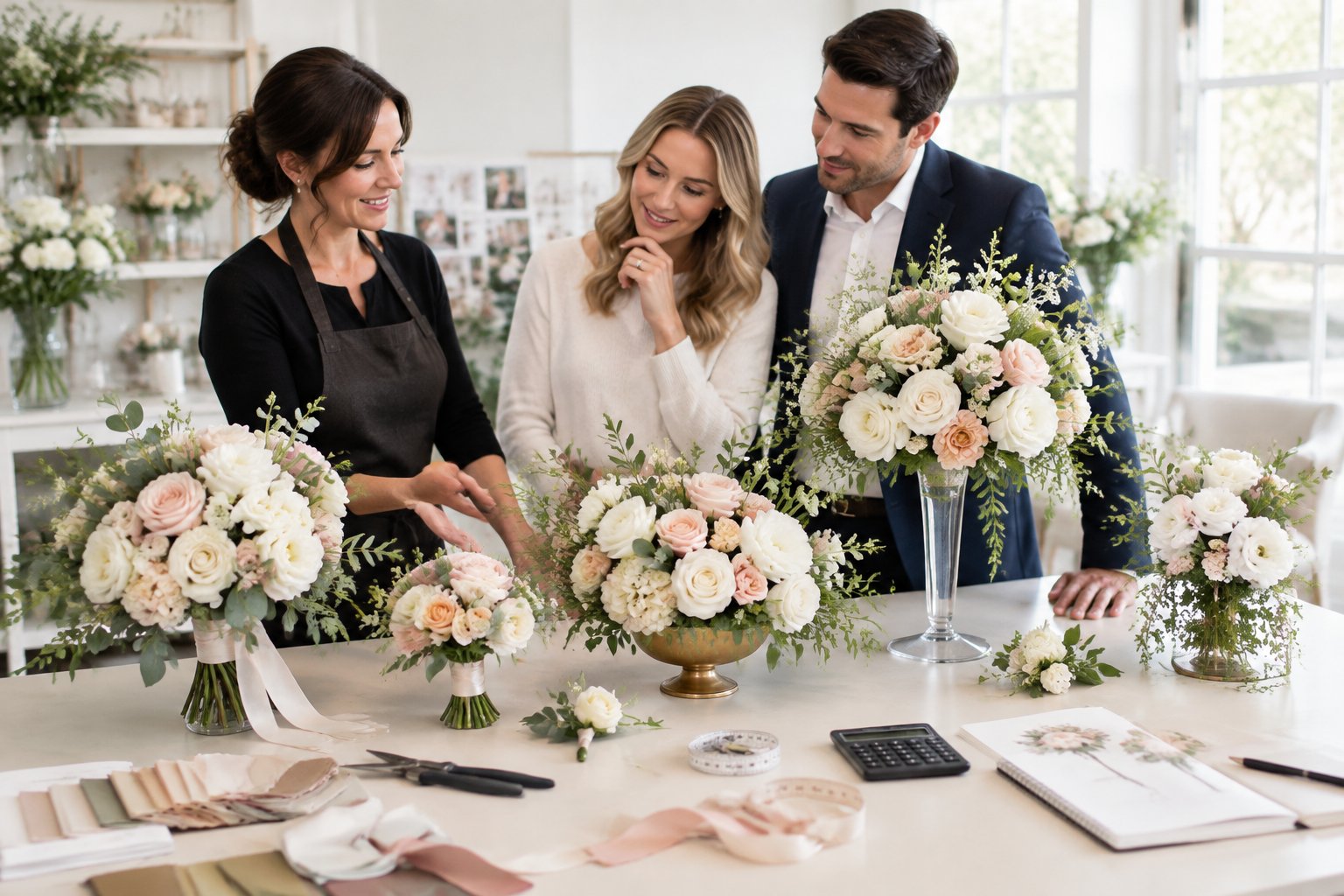
Your florist quote will reflect flower type, arrangement size, stem count, mechanics, delivery, and setup. A compact design with premium flowers can cost more than a larger arrangement made with affordable seasonal blooms.
How Much Does a Bridal Bouquet Cost?
A bridal bouquet costs about $150 to $350 for a medium hand-tied design. A petite bouquet with standard roses and greenery can start near $100, while a lush cascading design with peonies, orchids, or garden roses can reach $500 or more.
Bouquet size affects the bridal bouquet cost through stem count and design time. Loose, airy bouquets use fewer flowers than dense, rounded designs.
Trailing greenery, ribbon treatments, exposed stems, and special shapes also add work.
A bridesmaid bouquet costs about $75 to $175. Many couples choose a smaller version of the bridal bouquet so the wedding party flowers feel coordinated without matching the full size.
For more planning detail, review this guide to how much is the average bridal bouquet.
What Do Wedding Party Flowers Cost?
Typical wedding party flowers fall into these ranges:
- Bridesmaid bouquets: $75 to $175 each
- Boutonnieres: $20 to $45 each
- Corsages: $35 to $75 each
- Flower girl basket flowers: $40 to $100
- Toss bouquet: $50 to $125
- Hair flowers: $25 to $150 per person
- Groom’s boutonniere: $25 to $60
- Parents’ flowers: $20 to $75 per person
A boutonniere with one rose and greenery sits near the lower end. A design with orchids, berries, multiple blooms, or a custom wrap takes more time and product.
Corsages also vary by format. Wrist corsages need a base, ribbon, and secure mechanics, while pin-on versions use a simpler structure.
Confirm the number of each item before accepting a quote.
What Do Ceremony and Reception Flowers Cost?
Ceremony arrangements can range from $300 to $1,500 each, depending on size and flower coverage. A floral arch may cost $1,500 to $5,000 or more, while smaller aisle markers often cost $50 to $200 each.
Reception centerpieces commonly cost $75 to $250 per table. Low centerpieces use fewer mechanics and are easier to move.
Tall centerpieces add vessels, structure, flowers, delivery care, and setup time, placing many designs between $200 and $600 each.
Other common prices include:
- Cake flowers: $50 to $200
- Aisle décor: $300 to $1,500
- Cocktail arrangements: $35 to $100 each
- Head-table flowers: $250 to $1,000
- Large floral installations: $2,000 to $10,000+
Ask whether ceremony arrangements can move to the reception. Reusing them after the ceremony gives one floral order two roles.
What Drives a Florist Quote Up or Down?
Flower type, season, design scale, labor, delivery, setup, and rentals create the largest changes in a florist quote. Two weddings with the same guest count can have very different totals because one uses compact arrangements while the other fills an arch and every reception table.
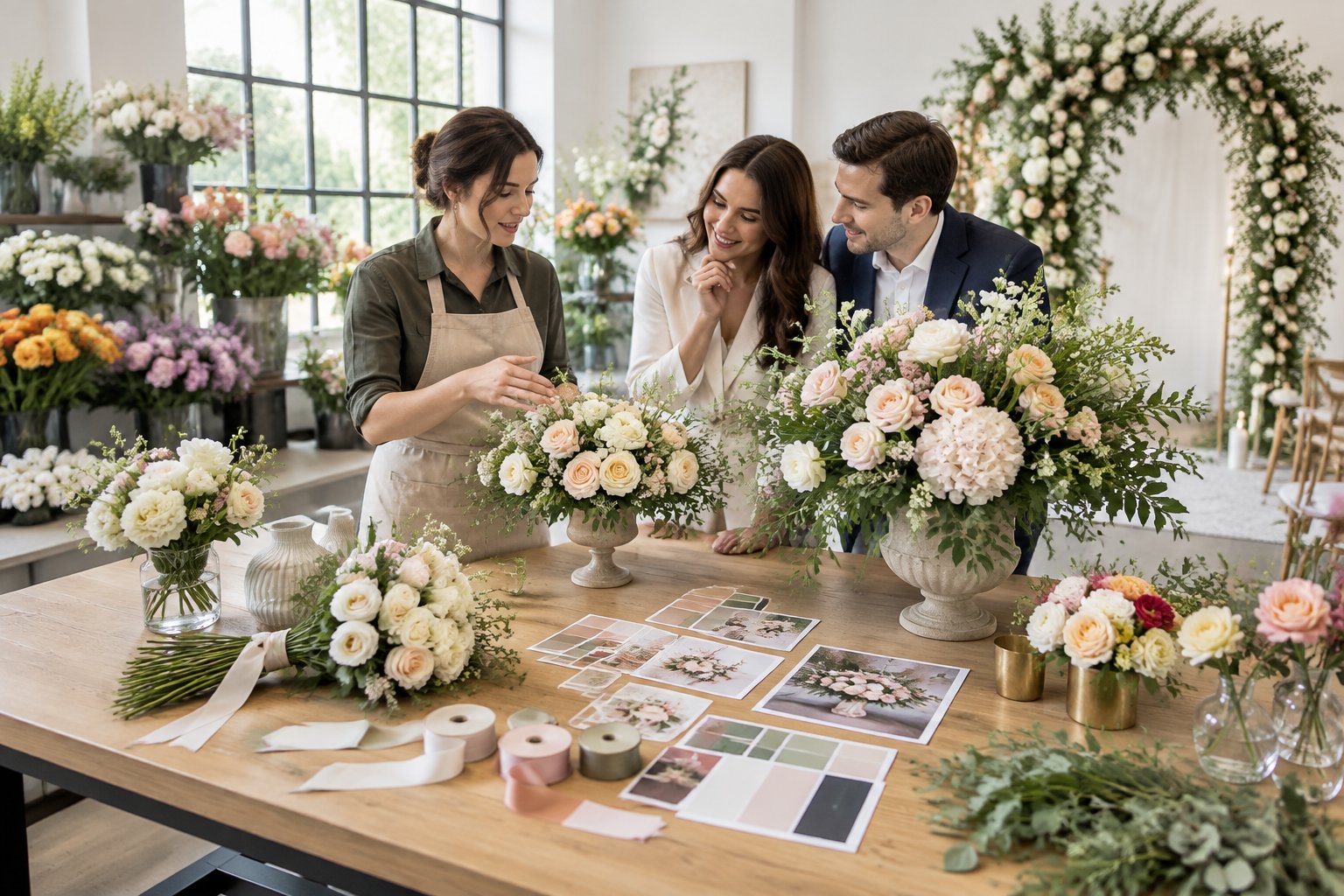
Your proposal should show both the creative plan and the service costs. Ask which parts are fixed, which parts change with flower availability, and which rentals carry a separate fee.
How Flower Choices Affect the Final Price
Premium flowers raise the product cost and often require extra sourcing. Peonies, garden roses, orchids, and lily of the valley can push a bouquet or centerpiece into a higher price range.
A design filled with one expensive bloom needs careful ordering because the florist must account for damaged or unopened stems.
Fresh flowers also require conditioning, hydration, refrigeration, and careful handling. Dense floral arrangements use more stems than airy designs with visible greenery.
Greenery can lower the flower count while adding volume. Eucalyptus, ferns, ruscus, and Italian ruscus create texture and movement.
Their price still depends on variety, season, stem length, and availability.
Design style shapes labor. A loose garden arrangement takes a different amount of time from a tightly packed round centerpiece, even when both use similar flowers.
Why Seasonality and Sourcing Matter
In-season flowers are easier to source and often provide better value. Out-of-season flowers may require imports, special ordering, or extra shipping.
Imported flowers also carry costs tied to transportation, supply changes, and wholesale availability.
Local flowers can support a seasonal look and reduce the distance from grower to florist. Their availability follows the local growing calendar, so your florist might recommend substitutions that preserve color and shape.
Share your wedding date before choosing a specific bloom. A florist can tell you whether the flower should be available, whether quality is reliable, and which alternatives offer a similar appearance.
Labor, Delivery, Setup, and Rentals Explained
Labor includes design planning, flower processing, arranging, packing, loading, installation, and cleanup. Large floral installations require a team, ladders, mechanics, safety checks, and more time at the venue.
Delivery charges reflect distance, vehicle needs, travel time, and the number of drop-off points. Setup costs rise when flowers must be installed on an arch, distributed across several rooms, or placed at different times.
Rentals may include vases, urns, arches, stands, columns, candles, foam-free mechanics, and specialty vessels. Ask about rental deposits, return times, damage fees, and pickup charges.
A detailed florist price request should state the date, venue, guest count, desired pieces, installation needs, delivery window, and budget range.
How to Budget for Your Wedding Floral Priorities
Set the budget by visual priority, then place the most money where guests spend time and where photographs will focus. Personal flowers, ceremony arrangements, reception centerpieces, and a single statement installation can create a complete design without covering every surface.
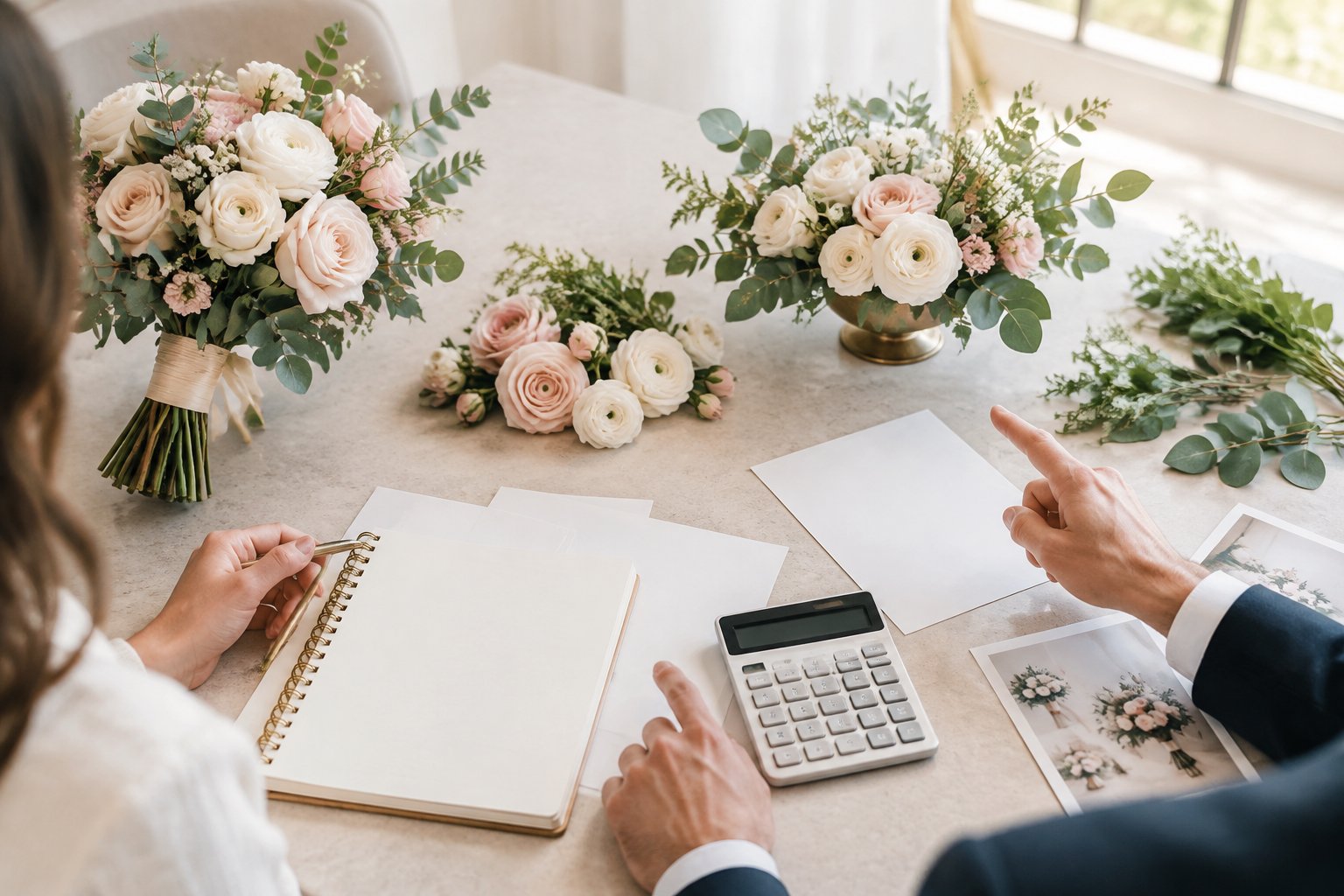
Start with your total floral limit and reserve part of it for delivery, setup, tax, and rentals. Tell your florist which pieces are essential, which pieces are optional, and which colors or flowers define your style.
Budget, Mid-Range, and Full-Service Floral Expectations
A budget floral plan of $1,000 to $2,500 can cover a bridal bouquet, a small wedding party order, boutonnieres, modest ceremony arrangements, and simple reception flowers. Bud vases, candles, and seasonal flowers help stretch the design.
A mid-range plan of $2,500 to $6,000 can include larger personal flowers, aisle décor, ceremony arrangements, reception centerpieces, cake flowers, and professional delivery and setup. This range suits many 75- to 125-guest weddings.
A full-service plan of $6,000 to $12,000 or more supports a floral arch, multiple installations, lush reception centerpieces, large ceremony arrangements, upgraded vessels, and a larger setup crew. Guest count, venue size, and installation complexity determine how far the budget reaches.
Where to Spend for the Biggest Visual Impact
Spend first on pieces that frame important moments:
- The bridal bouquet for close-up portraits
- The ceremony focal point behind you
- The entrance or aisle for guest impressions
- The head table or sweetheart table
- Reception centerpieces at tables visible in photos
A floral arch can transform a ceremony backdrop, while aisle markers create a more focused effect for less money. At the reception, low centerpieces keep conversation easy and let candles or textured linens add atmosphere.
Reuse ceremony arrangements at the reception when the venue layout allows it. Your florist can move altar flowers to the sweetheart table, bar, escort-card display, or cake table.
Ways to Reduce Costs Without Sacrificing Style
Choose one statement area and keep supporting arrangements lighter. Use a color palette with several flower types so your florist can respond to market availability.
Other practical options include:
- Select in-season flowers and local greenery
- Use bud vases or small clusters on some tables
- Replace every-table centerpieces with designs on key tables
- Rent vessels instead of purchasing specialty containers
- Reuse ceremony flowers during the reception
- Choose a smaller bridal party
- Use candles and fabric to fill visual space
- Ask about foam-free designs and reusable structures
You can also compare fresh and faux options through this guide to how much to spend on fake wedding flowers. A mixed plan can reserve fresh flowers for personal pieces and use quality faux arrangements in areas with limited guest contact.
Choosing Flowers That Fit Your Style and Spend
Roses, carnations, chrysanthemums, alstroemeria, daisies, and seasonal greenery offer strong value, while peonies, orchids, garden roses, and lily of the valley often require a higher floral budget. Your florist can combine premium focal blooms with affordable supporting flowers to create depth without filling every arrangement with costly stems.
Start with color, shape, and season before locking in a flower list. A flexible palette gives your florist room to protect the design when a specific bloom has limited supply.
Premium Blooms and Their Budget Impact
Peonies have a large, soft shape that creates impact with fewer stems, though their price rises outside their growing season. Garden roses offer a layered, romantic look and cost more than standard roses.
Orchids, gardenias, lily of the valley, and calla lilies bring distinctive shapes and fragrance. They need careful handling and can raise the price of bouquets, boutonnieres, and centerpieces.
Ranunculus, anemones, dahlias, amaryllis, and tulips sit across a broad price range. Availability, stem length, color, and wedding date affect each quote.
Hydrangeas provide volume, while a small amount of premium blooms adds detail at the focal points. Ask your florist for a visual substitute list. Similar flower shapes can preserve the look when a preferred variety exceeds your budget.
Beautiful Budget-Friendly Flower Options
Standard roses provide reliable color and structure at many price points. Carnations now come in soft tones and unusual forms, making them useful for textured centerpieces and fuller bouquets.
Daisies, baby’s breath, lisianthus, chrysanthemums, and alstroemeria add movement and volume. Sunflowers bring a bold focal point for rustic or summer designs, while zinnias suit colorful seasonal arrangements.
Greenery can fill gaps and create a natural shape. Eucalyptus, ferns, ruscus, and Italian ruscus work well in bouquets, aisle markers, and table designs.
Use a few premium flowers as accents, then build the rest with affordable blooms and foliage. Your florist can repeat color and texture across each arrangement so the plan feels intentional.
Seasonal Flower Ideas by Wedding Date
Your wedding flowers by season can guide both style and cost:
- Spring: tulips, ranunculus, anemones, sweet peas, and early-season garden roses
- Summer: dahlias, zinnias, sunflowers, hydrangeas, lisianthus, and garden roses
- Fall: dahlias, chrysanthemums, amaranth, roses, sunflowers, and warm-toned foliage
- Winter: amaryllis, orchids, standard roses, carnations, anemones, eucalyptus, and evergreen accents
Seasonal availability changes by region and growing conditions. Share your date, color palette, and must-have flower with your florist early so you can compare reliable options before signing the proposal.