
Average Cost of Wedding Flowers: 2026 Price Guide
For most U.S. couples, the average cost of wedding flowers in 2026 is $2,500 to $5,000, with smaller floral plans starting near $1,500 and large installations reaching $7,500 or more. Your wedding flower costs include much more than stems: bouquets, ceremony décor, reception centerpieces, delivery, setup, rentals, and design labor all shape the final quote.
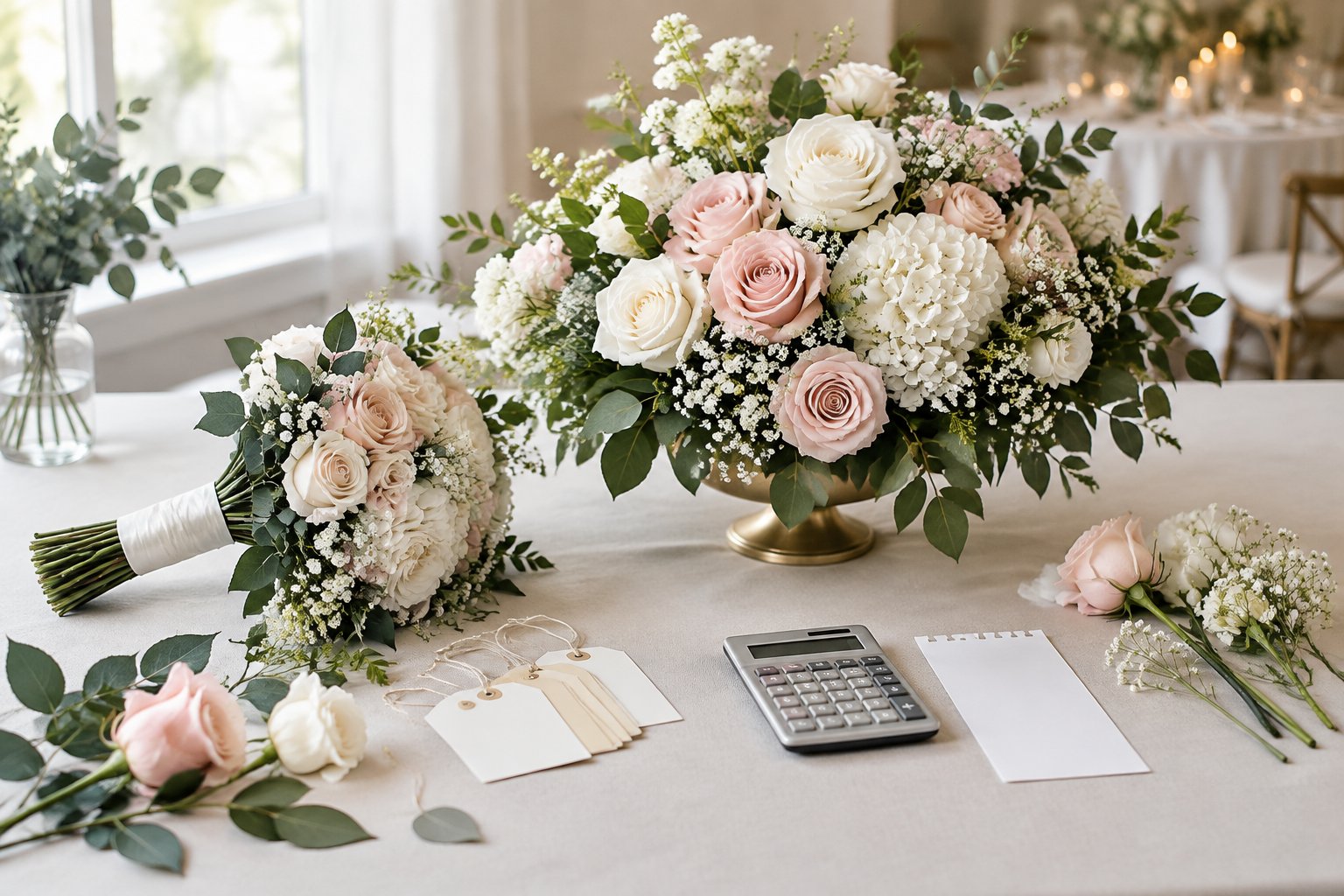
A useful starting point is 8% to 12% of your total wedding budget. For a $30,000 wedding, that equals about $2,400 to $3,600. The Knot Real Weddings Study and other wedding spending data show why averages can differ: some couples order personal flowers and a few table arrangements, while others add ceremony arches, floral installations, and full-service setup.
Set your wedding floral budget before you request quotes, then tell each florist which pieces matter most. If you want help planning the rest of your wedding finances, use this guide to how to allocate a wedding budget before your florist consultation.
What Couples Typically Spend
The average cost of wedding flowers lands between $2,500 and $5,000 for many U.S. celebrations, with guest count, location, season, and design scope moving the number up or down. A focused plan can cover a bridal bouquet, personal flowers, and modest reception décor, while a full-service design with a floral arch and large centerpieces can exceed $7,500.
Why the National Average Is Only a Starting Point
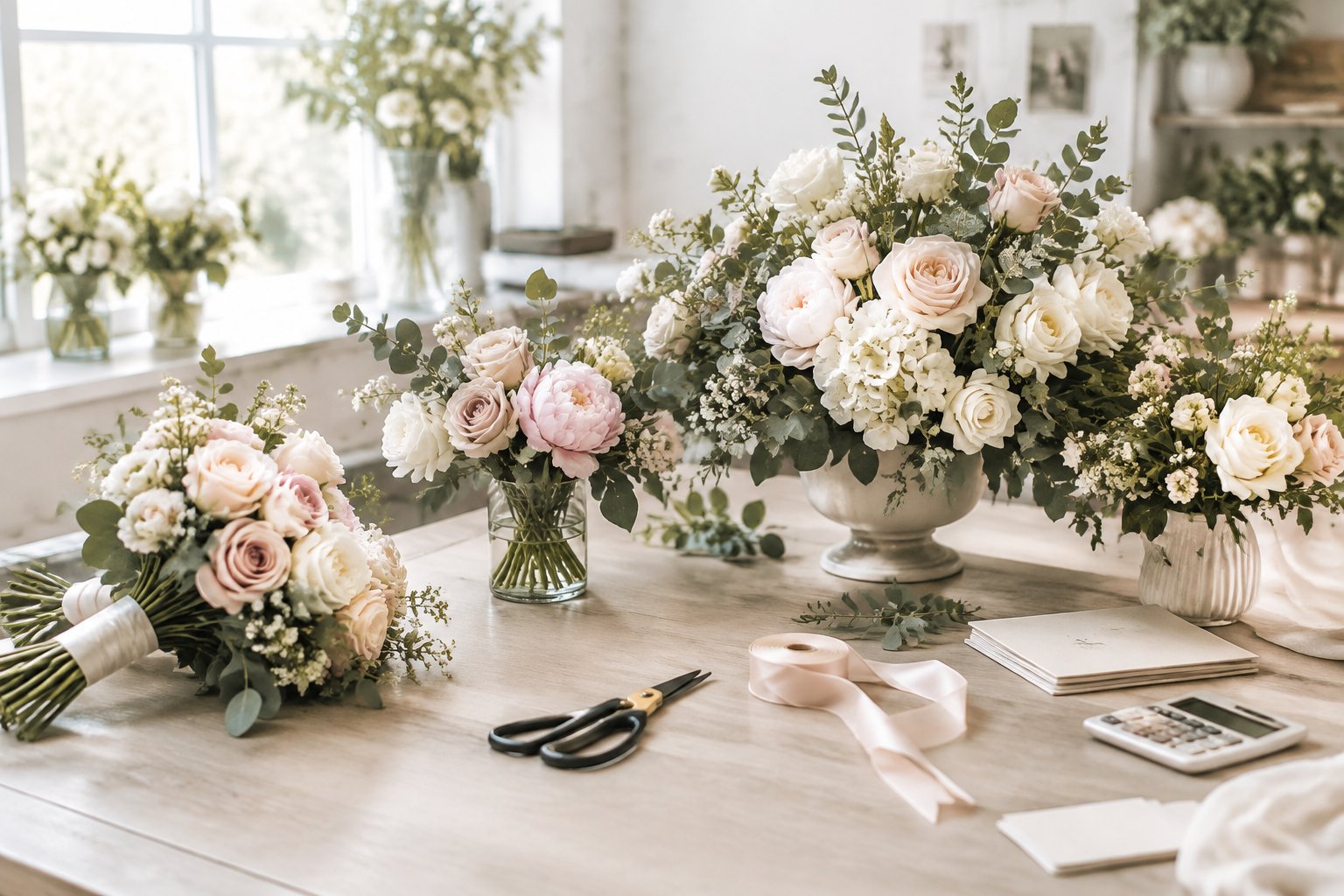
A national range gives you a planning target, not a fixed wedding flower cost. A simple order with one bridal bouquet, several boutonnieres, and small centerpieces may stay below $2,500. A design with ceremony arrangements, lush reception flowers, and a full floral arch can reach $5,000 to $7,500 or more.
A percentage method helps connect your wedding flower budget to the rest of your spending. Set aside about 8% to 12% of your total budget, then reserve a little flexibility for delivery fees, taxes, rentals, and setup labor.
How Guest Count Changes the Floral Spend
Guest count affects the number of tables, attendants’ bouquets, boutonnieres, and family corsages you need. A 50-person wedding may use five to seven centerpieces, while a 150-person celebration may require 15 or more.
Table shape also affects the order. Long banquet tables need several arrangements across each surface, while round tables may need one centerpiece each. Your venue can reduce costs when it already provides an attractive garden, arbor, or architectural backdrop.
Regional and Seasonal Price Differences
Major metropolitan areas often have higher wedding florist costs because of labor rates, studio overhead, delivery distance, and venue rules. A smaller market may offer lower service fees, though flower availability still affects the quote.
Wedding flowers by season also shape your choices. In-season flowers and seasonal blooms are easier for a florist to source during their natural growing period. Out-of-season requests can require greenhouse production, imports, or special ordering. Ask about seasonal flowers and flexible substitutions before you lock in a specific variety.
Wedding Flower Cost Breakdown by Item
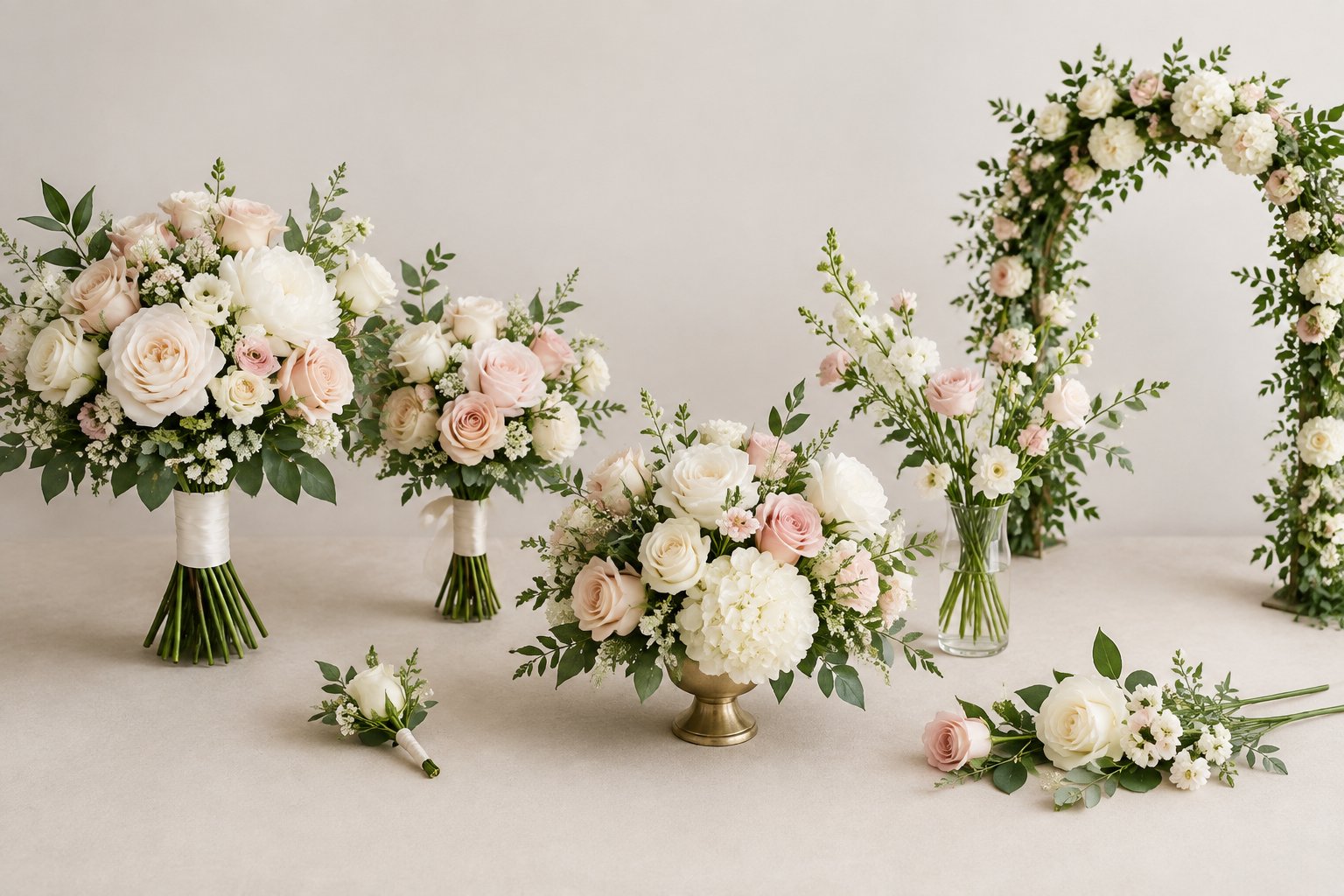
A wedding flower cost breakdown becomes easier to plan when you price personal flowers, ceremony décor, reception pieces, and small finishing touches separately. Individual items range from about $15 for a boutonnière to $4,000 or more for a large floral arch.
How Much Does a Bridal Bouquet Cost?
A bridal bouquet costs about $150 to $350, while a large, detailed design can reach $500 or more. Size, stem count, ribbon, flower variety, and shape all affect the bridal bouquet cost.
A compact hand-tied wedding bouquet with standard roses, seasonal flowers, and greenery sits near the lower end. Cascading designs, trailing foliage, premium blooms, and complex mechanics raise the price. For more detail, compare current average bridal bouquet costs.
What Do Bridesmaid Bouquets, Boutonnieres, and Corsages Cost?
Plan for these common personal flower prices:
- Bridesmaid bouquet: $75 to $175 each
- Boutonnière: $15 to $35 each
- Corsage: $35 to $75 each
- Flower crown: $75 to $200
- Hair flowers: $25 to $100
- Toss bouquet: $50 to $125
A large wedding party increases the total quickly. Six bridesmaid bouquets and six boutonnieres can add several hundred dollars before you include corsages for parents or grandparents.
What Do Ceremony Flowers Cost?
Ceremony flowers cost about $500 to $4,000 or more, depending on the size and structure of the design.
- Aisle markers: $40 to $150 each
- Aisle arrangements: $100 to $350 each
- Altar arrangements: $250 to $1,000 each
- Floral arch: $1,500 to $4,000 or more
- Large floral installation: $2,500 to $10,000 or more
A few aisle markers and two altar arrangements create a lighter plan. A full floral arch uses more flowers, mechanics, labor, and installation time. Ask your florist whether ceremony arrangements can move to the reception after the vows.
How Much Do Reception Centerpieces Cost?
Reception centerpieces cost about $75 to $250 per table, while tall or especially lush wedding centerpieces can reach $300 to $500 or more. Vessel rentals, support structures, flower volume, and setup time shape the price.
Low floral centerpieces use fewer mechanics and often cost less. You can mix a few larger floral centerpieces with bud vases, candles, or greenery to create variation across the room. For more layout ideas, explore wedding table decoration ideas with flowers.
Costs for Floral Extras and Finishing Touches
Small floral details add polish, though several extras can increase your wedding flower cost:
- Flower girl basket with petals: $25 to $75
- Cake flowers: $50 to $200
- Flower crown: $75 to $200
- Hair flowers: $25 to $100
- Toss bouquet: $50 to $125
Ask your florist to coordinate these details with the main arrangements. Shared flower varieties and leftover stems can help the order feel cohesive.
What Makes Floral Quotes Go Up or Down?
Floral quotes reflect flower costs, design labor, mechanics, delivery, setup, rentals, and teardown. Two celebrations with the same color palette can receive very different quotes when one uses compact floral arrangements and the other requires large floral installations.
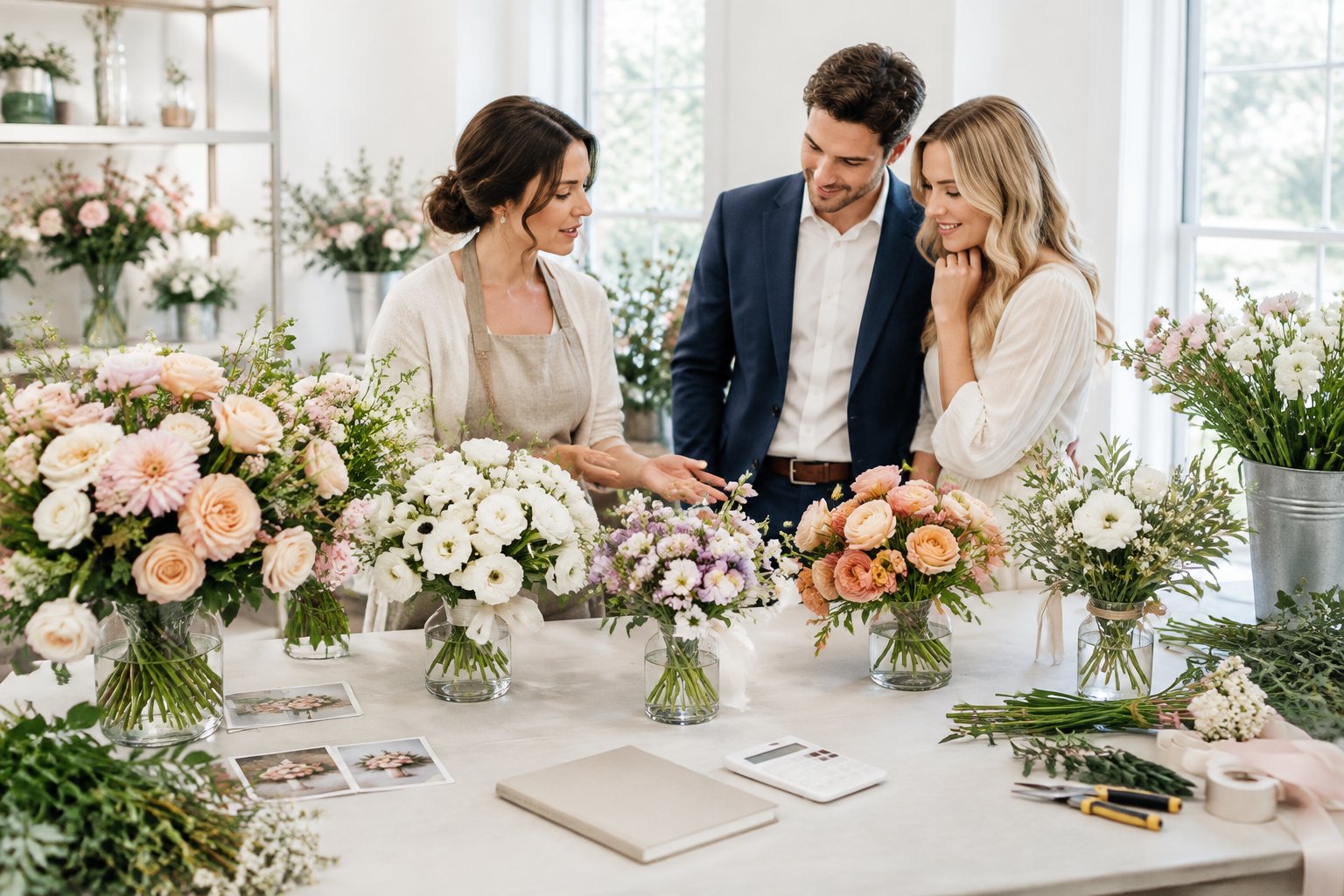
Share your budget early during a florist consultation. A professional florist can suggest substitutions, adjust stem counts, or shift money toward the pieces guests see most.
Flower Variety, Stem Count, and Greenery
Premium flowers cost more per stem, and larger arrangements require more stems. A compact bouquet with standard roses uses fewer costly ingredients than an oversized design filled with peonies, orchids, or garden roses.
Greenery adds volume and texture while reducing the number of fresh flowers needed. Your florist can combine focal blooms with filler flowers and foliage to keep the design full.
Seasonality, Sourcing, and Availability
Seasonal flowers and locally grown flowers often offer better availability during their natural growing period. Out-of-season flowers can require special growing conditions, long-distance shipping, or imports, which raises the price.
Holiday demand also affects supply. Roses can cost more around Valentine’s Day and Mother’s Day. Give your wedding florist a flexible flower brief so the designer can select similar blooms at a better market price.
Design Complexity, Delivery, and Installation Labor
A florist handles ordering, flower processing, hydration, recipe planning, vessel preparation, construction, delivery, placement, and cleanup. Large arches and suspended designs require extra mechanics and safety planning.
Stairs, long delivery distances, narrow setup windows, venue restrictions, and separate ceremony and reception locations add labor. Ask whether the quote includes delivery, setup, teardown, rentals, taxes, and moving ceremony flowers.
Choosing Blooms for Your Budget
Your flower choices can shift the budget by hundreds or thousands of dollars, especially when you request premium blooms in large quantities. A balanced design combines a few statement flowers with affordable filler flowers, foliage, and in-season stems.
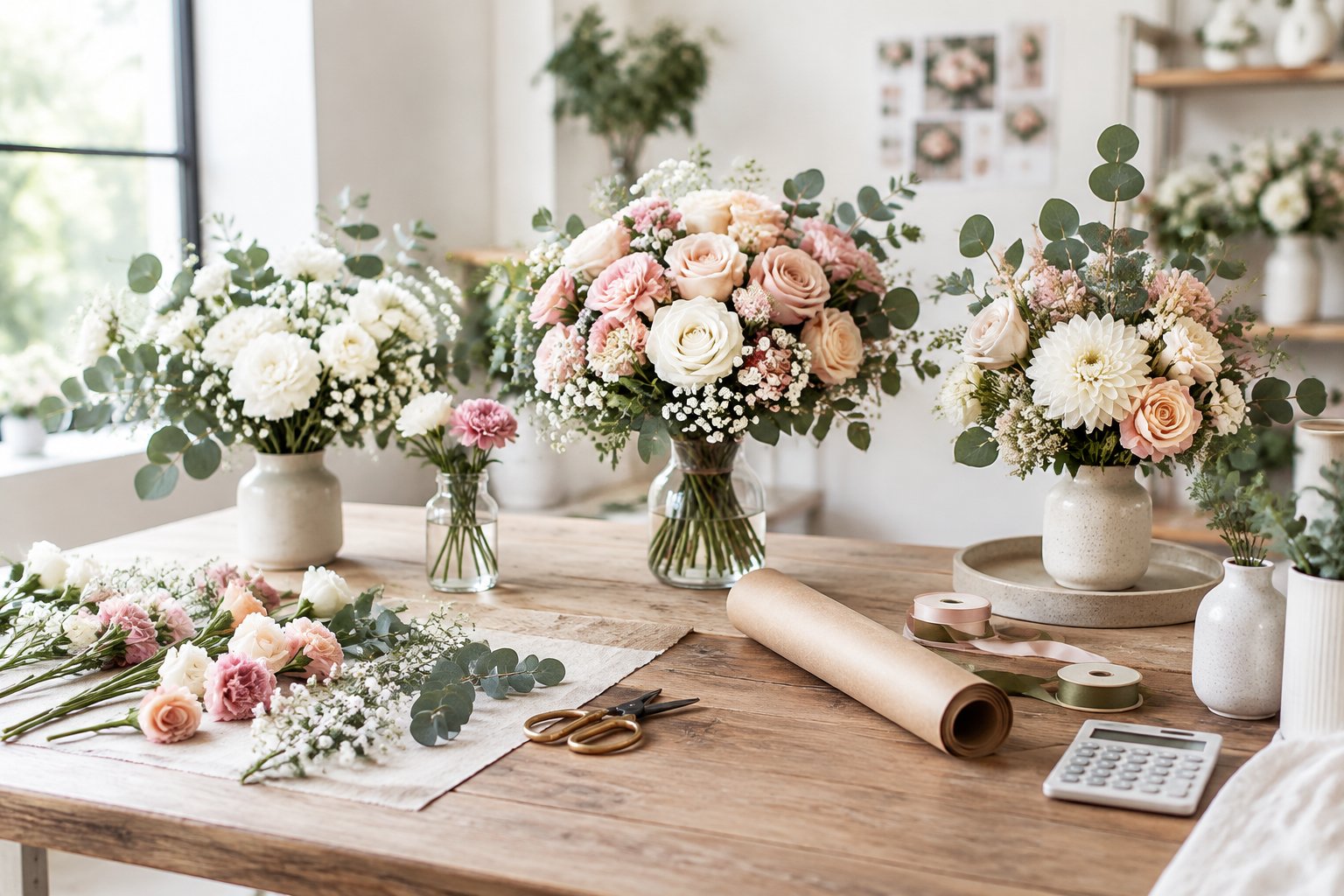
Give your florist a preferred color palette and style, then ask which flowers fit the date. This keeps the design direction clear while leaving room for substitutions.
Premium Flowers That Increase the Price
Peonies, garden roses, orchids, gardenias, lily of the valley, and some hydrangeas often push a floral budget higher. Ranunculus, dahlias, sweet peas, calla lilies, and tulips can also become expensive when they are out of season or needed in large quantities.
Use premium flowers in high-visibility places such as the bridal bouquet, ceremony focal point, or head table. A few special stems create emphasis without filling every arrangement with the most expensive variety. See more examples of which flowers are most expensive for a wedding.
Budget-Friendly Flowers That Still Look Polished
Roses, standard roses, spray roses, carnations, daisies, lilies, chrysanthemums, alstroemeria, sunflowers, and baby’s breath offer strong coverage at accessible prices. Lisianthus gives a soft, garden-inspired look, while eucalyptus, ruscus, Italian ruscus, and ferns add shape and volume.
Your florist can use these flowers in centerpieces, aisle arrangements, and bridesmaid bouquets. Color, grouping, and vessel choice can make affordable flowers feel refined.
How to Use Seasonal Stems Strategically
Choose flowers that grow naturally during your wedding month, then ask for a short list of similar seasonal substitutes. In-season flowers are easier to source and give your florist more control over the quote.
Use one premium flower as a focal point and fill the rest of the design with seasonal blooms. You can also keep the palette flexible, since a narrow request for one exact shade may require special sourcing.
How to Get More From Your Floral Budget
You can stretch your wedding flower budget by concentrating flowers in visible areas, reusing ceremony arrangements, and choosing practical alternatives for selected details. These choices reduce waste while preserving the parts of the design that shape your photos and guest experience.
Prioritize the Arrangements Guests Will Notice Most
Start with the bridal bouquet, ceremony focal point, reception entrance, and head table. Then assign funds to guest tables, attendants’ flowers, cake flowers, and smaller accents.
Create a priority list before your florist consultation. A focused order gives your florist clear direction when the first proposal includes more design elements than your budget allows.
Repurpose Ceremony Flowers for the Reception
Ask your florist to design portable ceremony arrangements that can move after the vows. Altar arrangements can decorate the sweetheart table, welcome table, bar, or reception entrance.
A floral arch can also work at the reception when the venue permits relocation. Confirm whether moving the pieces requires a second crew or an added service fee.
When DIY, Silk Flowers, and Potted Plants Make Sense
DIY flowers suit couples who have reliable helpers, a cool storage area, and time for preparation close to the wedding date. Learn the likely supply cost first with this guide to making your own wedding bouquet.
Silk flowers work well for bouquets, hair flowers, and décor that needs to be prepared early. Potted plants can add height and texture to a ceremony or reception, especially when the venue allows them. Compare the purchase, transport, setup, and return costs before choosing an alternative.
Questions to Ask Before Booking a Florist
Ask each wedding florist:
- What does the proposal include?
- Are delivery, setup, teardown, rentals, taxes, and service fees listed separately?
- Which flowers are in season on your date?
- What substitutions will you make if a flower is unavailable?
- Can ceremony arrangements be repurposed?
- How will the flowers be transported and kept hydrated?
- What deposit, payment schedule, cancellation, and change policies apply?
Request an itemized quote that lists every arrangement, quantity, labor charge, rental, and delivery fee. You can also review these questions to ask a florist for a price before signing your contract.