
Average Flower Cost for Wedding: 2026 Pricing Guide
Most couples in the United States spend about $2,500 to $5,000 on wedding flowers in 2026, with a national average near $2,800. A smaller celebration with personal flowers and a few reception arrangements may cost less, while a full-service florist handling ceremony flowers, reception centerpieces, delivery, setup, and large installations can bring the total to $5,000 to $7,500 or more.
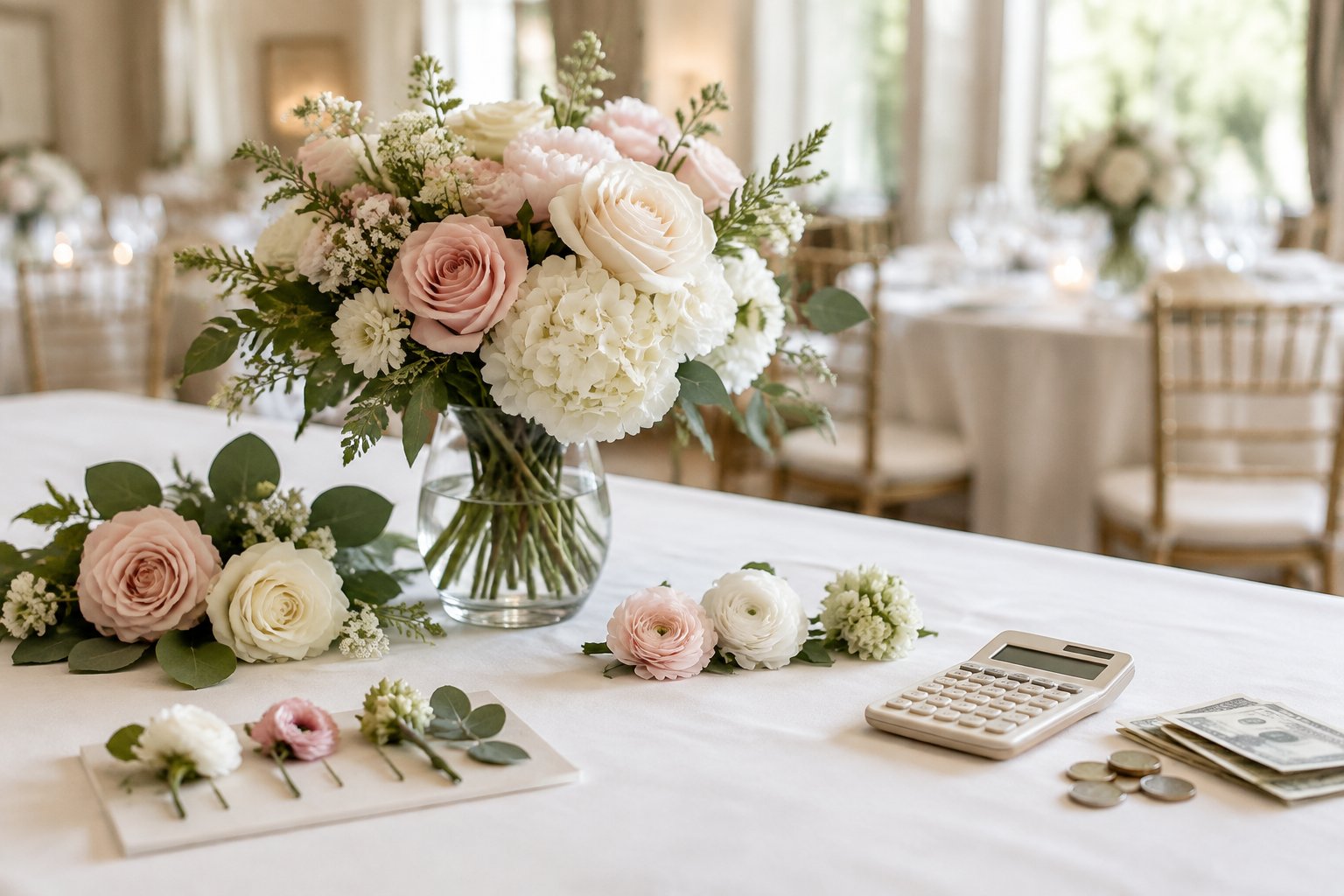
Your wedding flower budget covers much more than the stems. Labor, containers, mechanics, delivery, installation, teardown, flower availability, guest count, and venue layout all shape your final wedding flower costs.
A helpful starting point is 8% to 10% of your total wedding budget, then adjust that amount around the moments you want guests to notice most. You can compare your priorities with these practical wedding flower ideas and request a detailed quote before choosing specific blooms.
The 2026 Average and What It Really Covers
The average wedding flower cost in 2026 is about $2,500 to $5,000 for a moderate celebration, while full-service wedding florals with large installations can reach $7,500 or more.
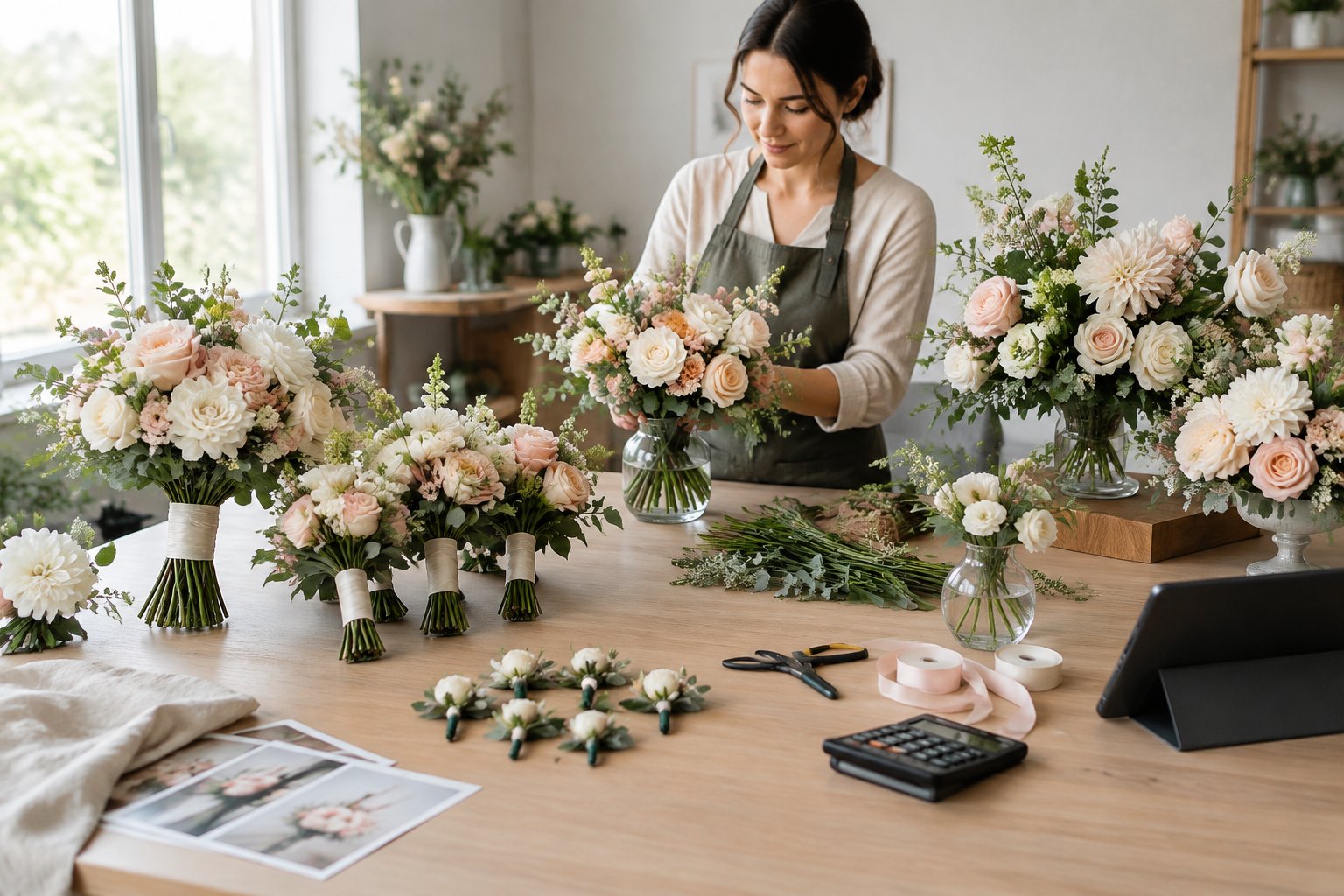
That range may include a bridal bouquet, bridesmaid bouquets, boutonnieres, corsages, ceremony flowers, reception centerpieces, delivery, and setup. A full-service florist also charges for design planning, flower processing, rental vessels, installation labor, and cleanup.
Why National Averages Vary So Widely
National averages combine very different wedding plans. A 40-person dinner with bud vases has a different wedding flower cost from a 150-person event with a floral arch, aisle décor, hanging flowers, and lush reception centerpieces.
Your location affects wholesale flower prices and labor rates. Date, guest count, flower varieties, design style, venue access, delivery distance, and the number of arrangements all shift the quote.
A floral installation also requires support structures, mechanics, extra labor, and careful transport. Ask whether a published price includes tax, delivery, setup, rentals, and breakdown. Two quotes with the same flower list may cover different services.
How Much of Your Wedding Budget Should Go to Flowers
Set aside about 8% to 10% of your wedding budget for flowers as a first planning estimate. A $30,000 wedding budget would create a starting floral allowance of $2,400 to $3,000.
Raise that percentage when wedding florals play a major design role. A floral arch, flower-filled reception, or large ceremony installation requires more money than a bouquet-focused plan.
If flowers have a smaller role, place more of the allowance toward your bridal bouquet and the guest areas visible in photographs.
What Different Floral Budget Tiers Can Deliver
- Under $2,000: Personal flowers, simple ceremony flowers, bud vases, candles, or a small number of reception centerpieces.
- $2,500 to $5,000: A bridal bouquet, attendants’ flowers, boutonnieres, ceremony accents, reception centerpieces, delivery, and setup for a moderate wedding.
- $5,000 to $7,500: Full-service design with fuller centerpieces, a floral arch, aisle décor, larger quantities, and more involved installation.
- $7,500 and above: Large floral installations, premium flowers, hanging designs, flower walls, abundant ceremony flowers, and extensive reception styling.
What Does Each Wedding Floral Item Cost?
Individual wedding floral items range from about $25 for a boutonniere to $1,500 or more for a large floral arch, depending on flower choice, size, labor, and installation.
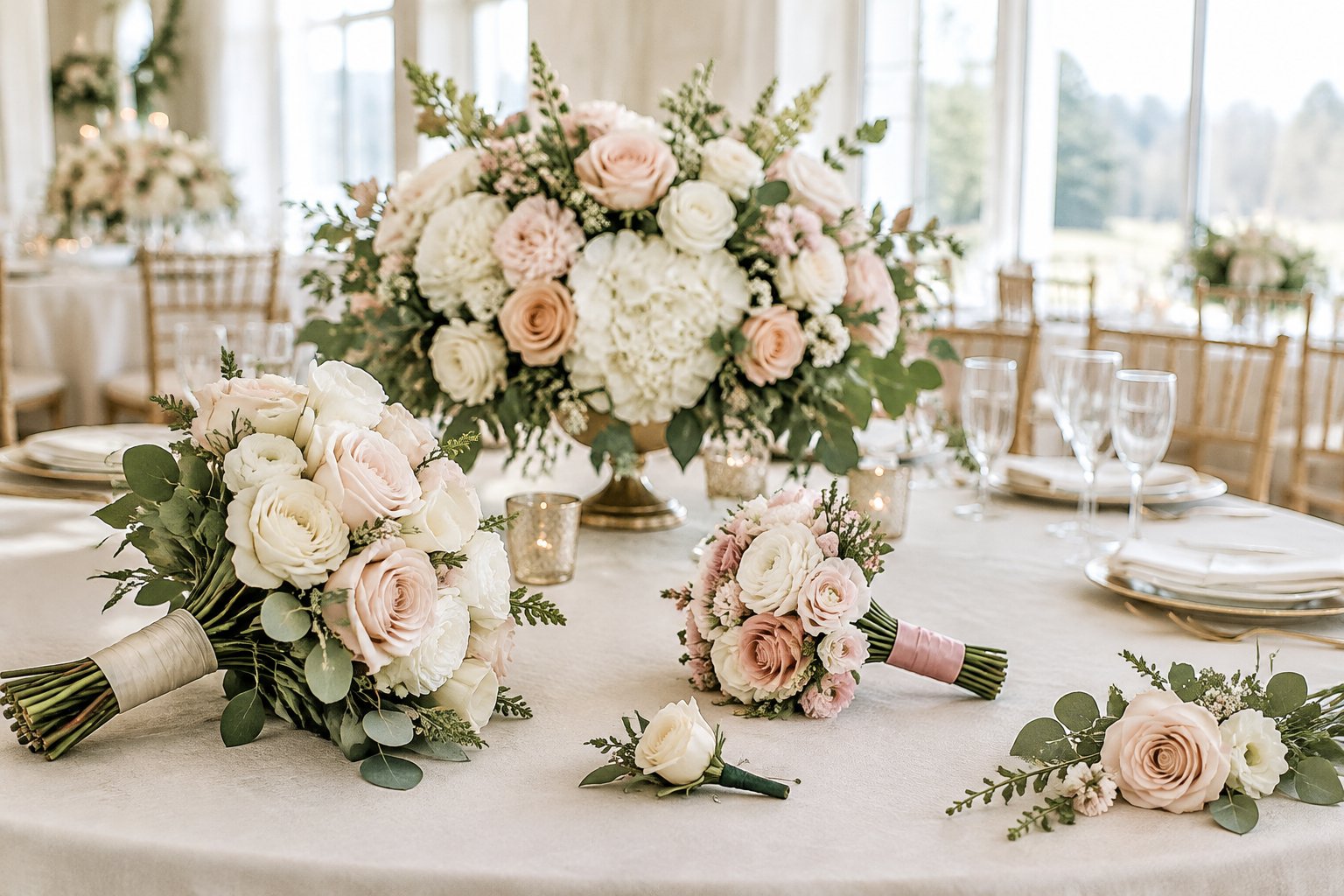
Use these ranges for early planning, then ask your florist for prices based on stem counts and design size. A hand-tied design, wired bouquet, compact centerpiece, and lush arrangement each use different amounts of product and labor.
How Much Does a Bridal Bouquet Cost?
A bridal bouquet costs about $150 to $350, with premium flowers, large sizes, complex shapes, and wired details reaching higher. A compact hand-tied wedding bouquet sits near the lower end, while a cascading or heavily layered design uses more stems and takes longer to make.
The bridal bouquet often receives the largest personal-flower allowance because it appears throughout the ceremony and portraits. Share your preferred shape, color palette, ribbon, flower types, and inspiration images during your consultation.
You can also review guidance on how much the average bridal bouquet costs.
What Do Bridesmaid Bouquets, Boutonnieres, and Corsages Cost?
Bridesmaid bouquets cost about $65 to $175 each, depending on size and flower selection. A smaller bouquet with one focal flower and greenery uses fewer stems than a full bridal-style design.
Boutonnieres cost about $15 to $35 each, while corsages range from $35 to $75. Wrist corsages require extra materials and construction time.
Include flowers for parents, grandparents, readers, ushers, and other people in the processional when you create your quantity list.
What Do Ceremony Flowers and Floral Arches Cost?
Ceremony flowers can range from $300 to $2,000 or more, depending on how much of the space you decorate. A few aisle markers and a modest altar arrangement stay near the lower end.
A large floral arch, asymmetrical meadow installation, or flower-covered structure requires more flowers, mechanics, transportation, and labor. A floral arch often costs $800 to $2,500 or more.
Aisle markers may cost $35 to $150 each, while loose flower petals can add $50 to $250 based on aisle length and flower type.
What Do Reception Centerpieces and Table Decor Cost?
Reception centerpieces cost about $75 to $500 each. Bud-vase groupings and greenery runners use less product than elevated floral centerpieces or lush compotes.
Your table count drives the total quickly. Add candles, specialty vessels, table garlands, sweetheart-table flowers, bar arrangements, and welcome-table décor to the quote.
For lower-cost inspiration, explore wedding table centerpieces ideas on a budget.
The Cost of Cake Flowers and Other Extras
Cake flowers cost about $50 to $200, depending on whether your florist supplies loose blooms, a small cluster, or a full floral cascade. Other extras include:
- Flower girl basket petals: $25 to $100
- Toss bouquet: $50 to $150
- Hair flowers: $25 to $150
- Welcome-table arrangement: $75 to $250
- Cake table flowers: $50 to $200
- Specialty floral vessels or rentals: $10 to $100 per item
Ask whether your florist provides the containers, ribbons, stands, candles, and return pickup as part of the proposal.
How Wedding Size and Venue Affect Your Spend
Wedding size increases floral spending through the number of bouquets, boutonnieres, tables, centerpieces, and ceremony arrangements you need.
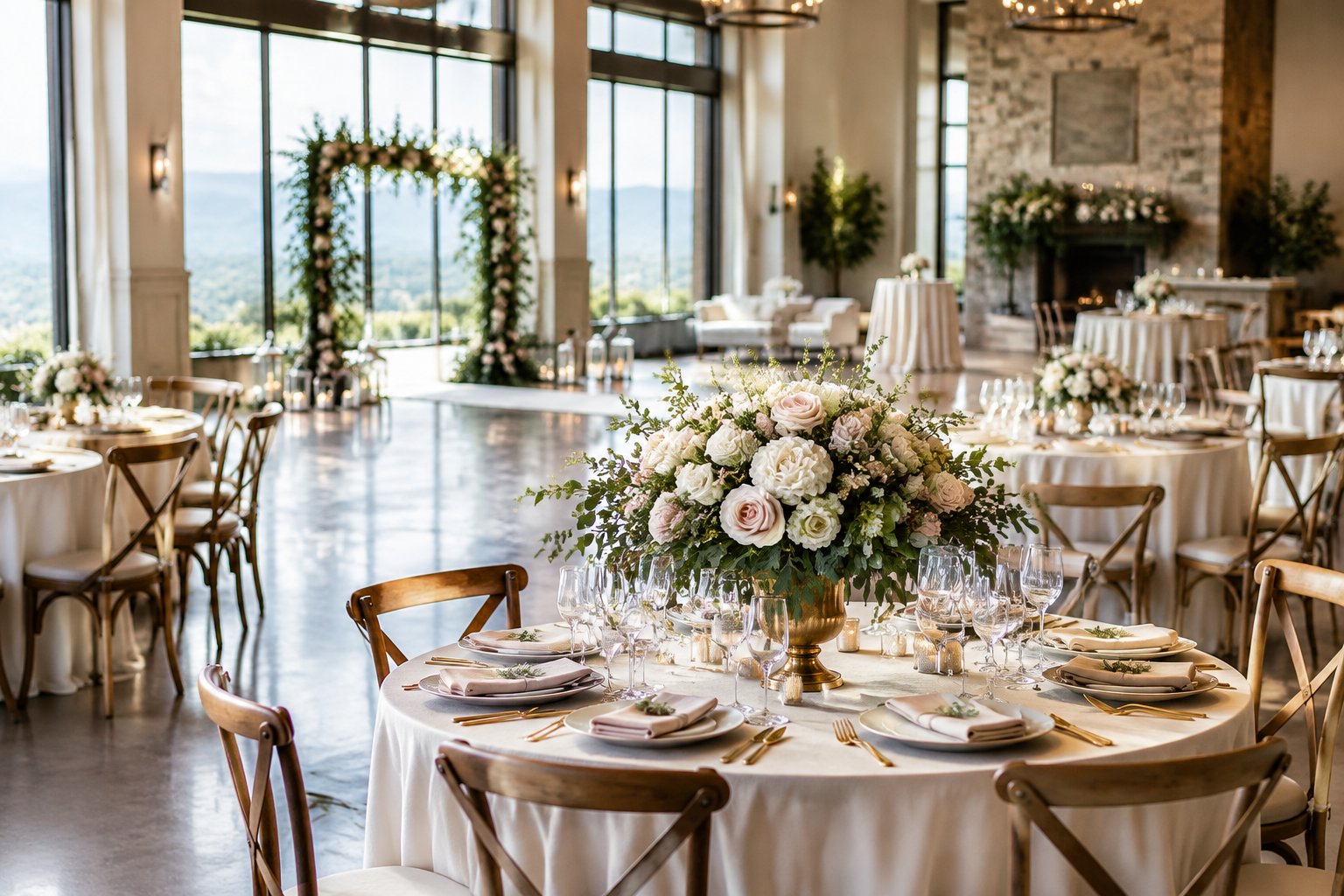
Your venue also controls how much décor the space needs. A naturally attractive room may need a few focused arrangements, while a large blank hall can require flowers across several areas to feel finished.
Flower Budgets for Small, Medium, and Large Weddings
A small wedding with up to 50 guests may fit a floral budget of $1,000 to $2,500 when you choose personal flowers, limited ceremony flowers, and compact table décor.
A medium wedding with about 50 to 120 guests often lands around $2,500 to $5,500. This range supports more reception centerpieces, a larger wedding party, and ceremony accents.
A large wedding with more than 120 guests may require $5,000 to $10,000 or more, especially when the design includes many tables, a floral arch, large floral arrangements, or installations.
How Guest Count Drives Centerpiece and Aisle Costs
Guest count affects your table count first. More tables require more reception centerpieces, vessels, candles, table greenery, and delivery space.
A 100-person reception may need 10 to 15 tables, while a smaller event may need only five or six. A larger ceremony also increases aisle décor when you place markers at every row or add flowers to chairs.
You can control this cost by decorating the aisle entrance and altar area, then moving those arrangements to the reception after the ceremony.
When a Wedding Venue Can Reduce the Floral Need
A venue with attractive architecture, gardens, trees, drapery, built-in lighting, or decorated ceremony features needs fewer floral arrangements. A historic staircase, vineyard view, greenhouse, or finished ballroom can provide visual impact without a floral installation in every area.
Ask about restrictions before booking. Some venues require approved vendors, limit open flames, charge loading fees, or control when your florist may access the room. Those rules affect delivery, setup, and labor costs.
Flower Choices That Raise or Lower the Quote
Premium flowers and out-of-season flowers raise your quote, while in-season flowers, locally grown flowers, and flexible color choices help control it.
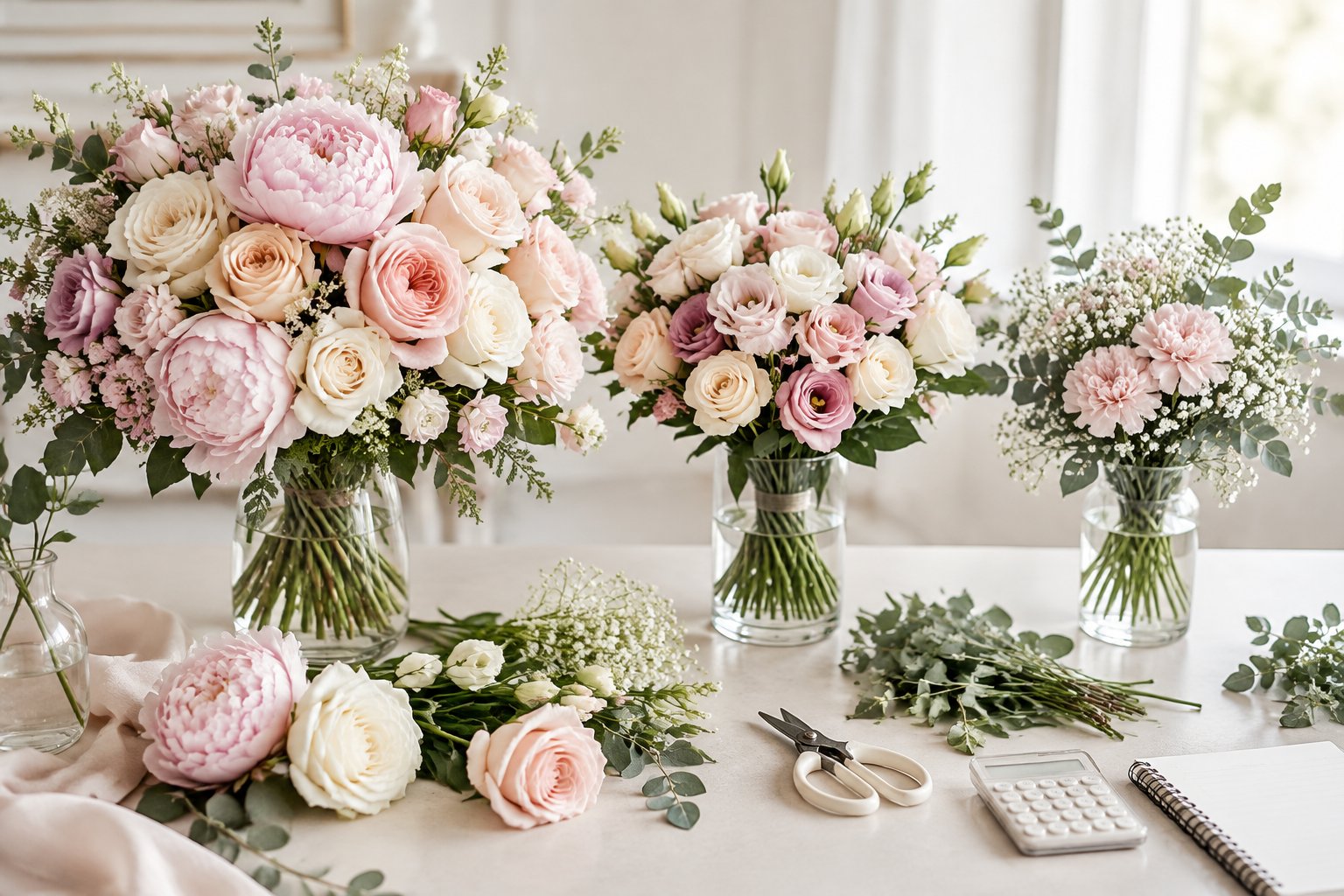
Your florist can create a similar color mood with several flower varieties. Share the feeling and palette you want, then ask which seasonal blooms provide the best value on your date.
Premium Blooms and Specialty Stems
Peonies, lily of the valley, gardenias, premium garden roses, orchids, and some varieties of ranunculus carry higher prices because of demand, growing conditions, stem quality, or limited availability. Calla lilies, dahlias, and specialty tulips also vary widely by season and grade.
Using premium flowers throughout every arrangement increases the flower cost quickly. Placing them in your bridal bouquet, ceremony focal point, or sweetheart table creates emphasis while keeping the rest of the design more flexible.
Affordable Flowers That Still Look Elevated
Roses, standard roses, carnations, daisies, baby’s breath, lisianthus, chrysanthemums, alstroemeria, sunflowers, lilies, and seasonal blooms offer many design options. A skilled florist can combine texture, color, shape, and placement to give affordable flowers a refined finish.
Hydrangeas provide volume, while greenery and clustered blooms help fill arrangements. Ask about locally grown flowers available in your wedding colors. A flexible palette gives your florist more ways to source fresh flowers at a manageable price.
Why Seasonality and Sourcing Matter
In-season flowers arrive with better availability and fewer sourcing challenges. Out-of-season flowers may require imports, special ordering, added shipping, or substitutions if supply changes.
Your wedding flowers by season can guide the first conversation:
- Spring: Tulips, ranunculus, peonies when available, sweet peas, and flowering branches
- Summer: Dahlias, garden roses, hydrangeas, sunflowers, and lisianthus
- Fall: Dahlias, chrysanthemums, roses, berries, and warm-toned seasonal blooms
- Winter: Anemones, roses, orchids, evergreens, and imported specialty flowers
Request a color and texture plan that allows substitutions. That flexibility protects your budget when a specific stem becomes scarce.
How to Keep Wedding Flowers Within Budget
You can keep wedding flowers within budget by concentrating money on one or two visible moments, choosing seasonal blooms, and reusing ceremony arrangements.
Start with the spaces guests and cameras notice most. A clear priority list helps your florist shape the proposal before extra arrangements consume the allowance.
Prioritize One or Two High-Impact Floral Moments
Choose a bridal bouquet and reception tables, or an altar installation and sweetheart table, as your main floral investments. Reduce small arrangements that receive little attention.
A strong focal arrangement creates a sense of abundance through scale and placement. Your florist can repeat its colors and textures in smaller personal flowers without using the same flower mix everywhere.
Use Greenery and Seasonal Blooms Strategically
Greenery such as eucalyptus, ruscus, Italian ruscus, and ferns adds shape and movement to bouquets, arches, runners, and aisle décor. It works best as part of a planned design, since some greenery requires significant processing and labor.
Combine greenery with seasonal flowers, candles, bud vases, or potted plants. Ask your florist which fresh flowers have reliable supply during your wedding month.
Repurpose Ceremony Arrangements at the Reception
Move altar arrangements to the sweetheart table, welcome table, bar, or lounge after the ceremony. Aisle markers can decorate reception tables, the cake table, or the entrance.
Confirm that the plan fits your timeline. A florist needs access to the ceremony space, enough staff, safe transport, and suitable vessels for a quick changeover. Repurposing labor is part of the quote, even when the flowers serve twice.
When Silk Flowers, Potted Plants, or DIY Make Sense
Silk flowers work well for arrangements that must remain stable in heat, for long installations, or for couples who want keepsakes. Quality varies, so order samples and check color, texture, and size before committing. For more planning guidance, review how much to spend on fake wedding flowers.
Potted plants suit garden, greenhouse, and earthy wedding styles. They also provide a clear reuse plan after the event. DIY works best for simple bud vases, loose greenery, or personal projects completed by a small team with time, transport, water, and storage. Complex bouquets and floral installations require design skill and event-day labor.
How to Work With a Wedding Florist
A wedding florist builds your quote from your priorities, flower choices, arrangement quantities, labor, logistics, and venue requirements.
Share your wedding date, venue, guest count, budget range, color palette, inspiration images, and must-have flowers before the consultation. Clear information helps a professional florist recommend a design that fits the space and your spending plan.
What a Florist Consultation Should Cover
Your florist consultation should cover:
- Wedding date and delivery location
- Ceremony and reception layouts
- Personal flowers and wedding-party quantities
- Ceremony flowers and reception centerpieces
- Floral installations, rentals, and repurposing
- Preferred flowers, colors, textures, and substitutions
- Setup, breakdown, access times, and venue rules
- Budget range and highest-priority arrangements
Bring a floor plan or ask the venue for one. Note guest-table shapes, aisle length, ceiling height, loading access, and areas that need extra visual attention. You can also prepare with this guide on how to prepare for a wedding florist consultation.
What Is Included in a Professional Florist Quote?
A professional florist quote should identify each arrangement, its quantity, flower or design description, unit price, and extended price. It should also show delivery, setup, breakdown, rentals, labor, tax, payment schedule, deposit, and cancellation terms.
Check whether the quoted total includes vases, arches, stands, candles, floral foam, mechanics, water service, and rental returns. Ask how substitutions work when a flower becomes unavailable. A detailed proposal gives you a clearer view of wedding flower costs than a single package price.
Questions to Ask Before You Book
Ask these questions before signing:
- Who designs and installs the wedding flowers?
- How many weddings does your team handle on the same date?
- What does the delivery and setup fee include?
- Who provides structures, vessels, candles, and rental items?
- When can your team access the wedding venue?
- How will ceremony flowers move to the reception?
- What happens if a requested flower is unavailable?
- When is the final guest count and flower list due?
- What deposit and payment schedule apply?
- What is the cancellation or postponement policy?
Compare proposals by scope, service, labor, and logistics as well as price. The right wedding florist should explain each cost clearly and connect the design to your wedding budget.