
How Do I Prepare for a Wedding Florist Consultation? Tips for a Successful Planning Experience
Preparing for your wedding florist consultation is an exciting step in your wedding planning journey. To get the most out of your meeting, you need to come prepared. This means bringing inspiration photos, a list of desired arrangements, and a clear budget. This preparation not only helps the florist understand your vision, but also ensures you receive an accurate estimate.
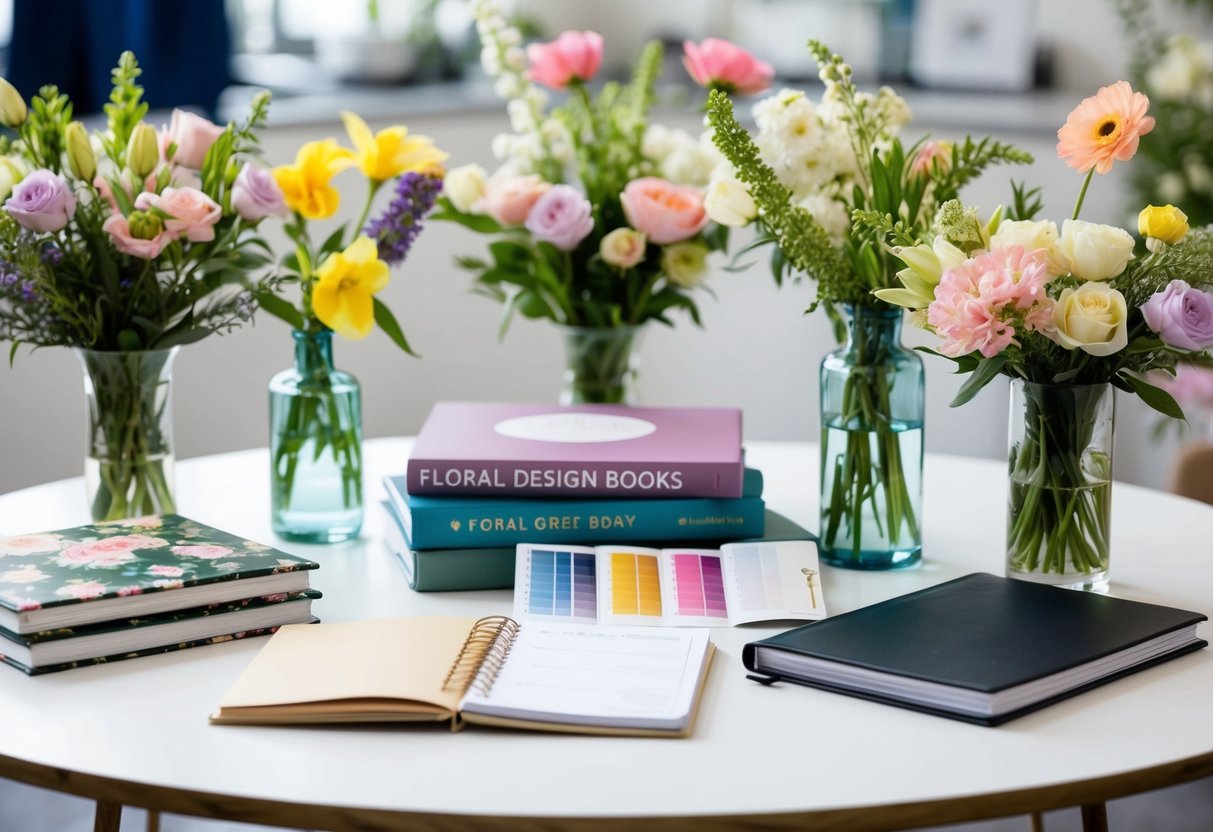
Think about your wedding theme, colors, and the types of flowers you love. Whether you’re aiming for elegant roses or vibrant wildflowers, having specific ideas can guide your florist in creating stunning arrangements that match your style. Additionally, knowing your budget and setting aside about 8-10% for floral costs will make the consultation smoother and align your expectations.
Remember, flexibility is key. While it’s great to have an idea of what you want, allow your florist the chance to suggest alternatives that fit your vision and budget. With the right preparation, your floral consultation can be a joyful part of planning your special day.
Understanding the Basics of a Florist Consultation
A florist consultation is a key part of planning your wedding flowers. Taking the time to prepare can help you connect with the right florist and ensure your floral vision comes to life. Focus on selecting a florist, scheduling your consultation, and knowing what to bring.
Selecting a Florist
Choosing the right florist is crucial for your big day. Start by researching local florists and checking their reviews. Look for work that matches your style.
It’s a good idea to ask for recommendations from friends or family. Create a shortlist of florists you’re interested in. Reach out to them to ask about their availability, pricing, and style. Then, schedule consultations with at least two to three florists to compare options.
Scheduling Your Consultation
Once you’ve selected a few florists, it’s time to set up your consultations. Aim to schedule these meetings about six months before your wedding. This allows enough time for planning and adjustments.
When scheduling, be clear about your wedding date and venue. It’s helpful to choose a time when you’re not rushed, so you can focus on discussing all your ideas. Be prepared for a friendly chat where you can share your vision and preferences.
What to Bring to Your Meeting
To make the most of your consultation, come prepared with several important items. An inspiration board or folder with inspiration photos can help convey your style and preferences.
Make a list of various arrangements you have in mind. Include details about bridesmaid bouquets, boutonnieres, and centerpieces. If you have a budget, it’s wise to bring this information as well. This will help the florist give you an accurate quote and make suggestions based on your wishes.
The more prepared you are, the better your florist can serve you!
Crafting Your Wedding Flower Vision
Creating your wedding flower vision is an exciting part of planning your special day. It involves selecting a color palette, exploring different floral varieties, and incorporating your personal style to achieve a look that reflects who you are.
Choosing Your Color Palette
Your color palette sets the mood for your wedding. Start by considering the colors of your venue, your dress, and the season. Choosing a combination of 2-4 colors works well.
Think about the emotions you want to convey. For a romantic feel, consider soft pastels like blush or lavender. For a bold statement, vibrant colors like red or deep blue can create drama.
Gather inspiration from online platforms, magazines, or flowers in your area. Once you have a palette, share it with your florist. This will help them understand your vision and suggest flower choices that complement your colors.
Exploring Floral Varieties
Understanding different floral varieties can help deepen your flower vision. Each flower has its own unique beauty, meaning, and availability.
Popular choices include roses, peonies, and lilies, each offering different shapes and textures. Research the meaning behind flowers, as they can represent love, purity, or friendship.
Talk to your florist about which blooms are in season when you get married. Seasonal flowers tend to be fresher and more affordable. Additionally, ask about alternatives if a specific flower is outside your budget. A skilled florist can suggest similar varieties that maintain your desired look.
Incorporating Personal Style
Your wedding flowers should reflect your personal style. Take time to think about what makes you feel comfortable and happy.
Do you prefer classic elegance or bohemian charm? Are you drawn to minimalistic designs or lush arrangements? Consider incorporating elements that showcase your personality, such as favorite colors or specific flowers that hold meaning for you.
Don’t hesitate to bring photos or inspiration boards to your consultation. This will help your florist understand your vision better. Together, you can create arrangements that make your day truly yours!
Budgeting for Your Wedding Flowers
Setting a clear budget for your wedding flowers is key to ensuring you get what you want without breaking the bank. Knowing how much you can spend on florals, understanding the costs involved, and finding ways to save can help you achieve your dream wedding look.
Determining Your Floral Budget
First, think about how much of your total wedding budget you want to allocate to flowers. A good starting point is to dedicate 8-10% of your overall budget to your floral arrangements.
For example, if your wedding budget is $20,000, your floral budget could be around $1,600 to $2,000. You can adjust this figure based on how important flowers are to you. If they are a high priority, consider increasing this percentage.
Understanding Costs and Fees
Many factors impact the total cost of your wedding flowers. The type of flowers you choose, their availability, and the complexity of your arrangements all affect pricing.
Additionally, keep in mind that there may be extra costs such as delivery fees and setup fees. Some florists charge for these services, which can add up quickly. Always ask for a detailed breakdown of costs so you can plan accordingly.
For example, delivery fees can range from $50 to $200, depending on the distance. It’s important to factor these into your floral budget.
Ways to Save on Your Wedding Flowers
There are several great strategies to save money on wedding flowers without sacrificing beauty.
- Choose In-Season Flowers: Seasonal blooms often cost less and look great.
- Limit Floral Arrangements: Fewer arrangements can reduce costs. Focus on key areas like the ceremony and reception.
- DIY Options: If you’re crafty, consider creating your own centerpieces or bouquets.
Always communicate your budget clearly with your florist. They can offer options that fit within your financial plan and still look beautiful!
Finalizing the Details
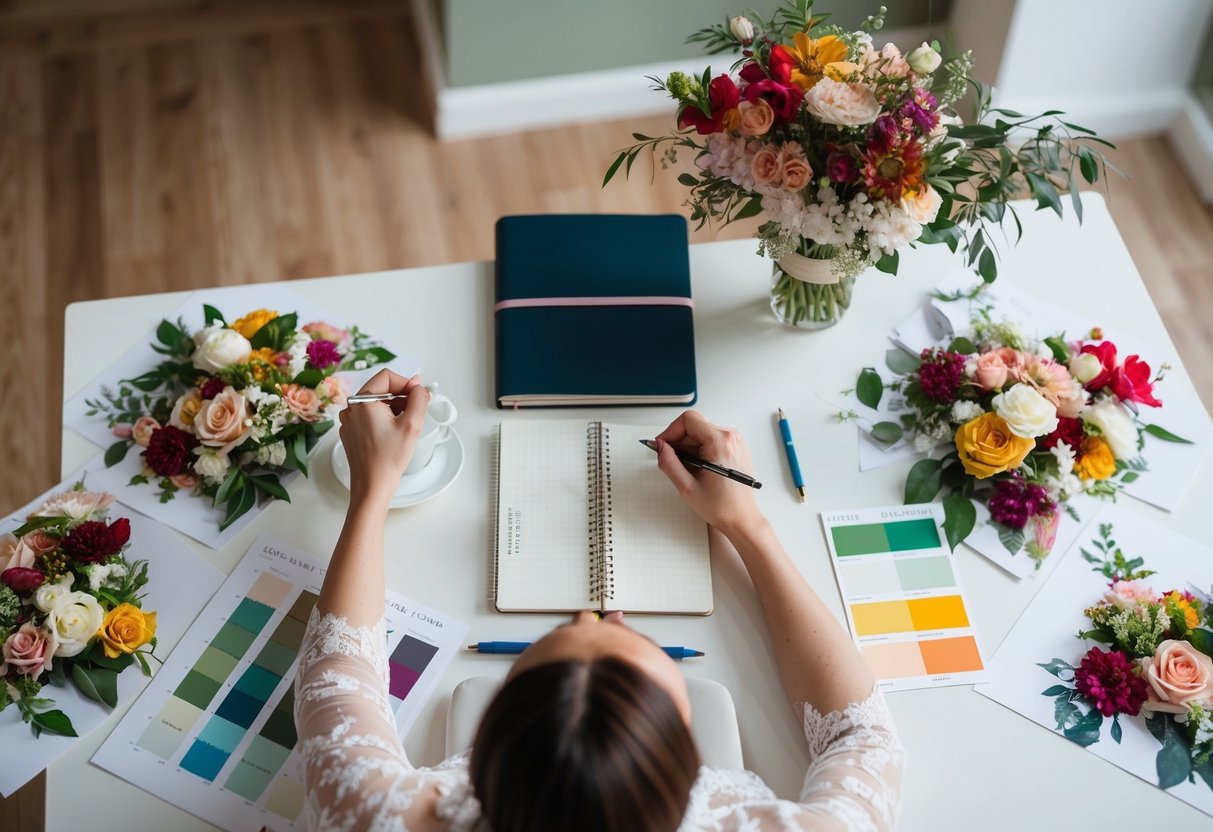
When preparing for your wedding florist consultation, it’s essential to get your details in order. This will help you communicate your vision clearly. Knowing your guest count, reviewing your flower checklist, and arranging for delivery will ensure everything goes smoothly on your big day.
Final Guest Count and Venue Layout
Knowing your final guest count is critical. This number affects not just the types of floral arrangements but also the quantity needed. You’ll want to share this count with your florist to help them recommend centerpieces and ceremony flowers that fit.
Next, consider the layout of your wedding venue. Will your guests be seated at round tables or long banquet tables? Share this information so the florist can create arrangements that complement the layout. Think about where you want floral displays—entrances, aisles, and tables all provide different opportunities for stunning decor.
Reviewing Your Floral Checklist
Before your consultation, it’s helpful to have a wedding flower checklist ready. This should include all the floral arrangements you need, such as bridal party bouquets, boutonnieres, centerpieces, and ceremony flowers.
Bring inspiration photos if you have them, as these visuals can significantly aid your florist in understanding your taste. Discuss any specific flowers you want, especially if you have favorites or need to consider seasonal options. This way, your florist can provide you with accurate pricing and ideas based on what you envision.
Arranging Delivery and Setup
A smooth delivery and setup of your flowers require good logistics. Discuss with your florist when and where to deliver the arrangements. Typically, flowers should arrive as close to the ceremony start time as possible for freshness.
Consider who will handle the setup. Some florists offer this service, while others may require you to arrange it separately. Clear communication about these details will help prevent any last-minute surprises.
Make sure to provide access to the venue and any specific instructions needed for your floral displays.