
Basic Wedding Photography Packages: What You Get
Basic wedding photography packages give you professional coverage for the most important parts of your wedding day, along with edited digital images delivered in an online gallery. They suit couples who want quality wedding photos while keeping the package focused on essential services.
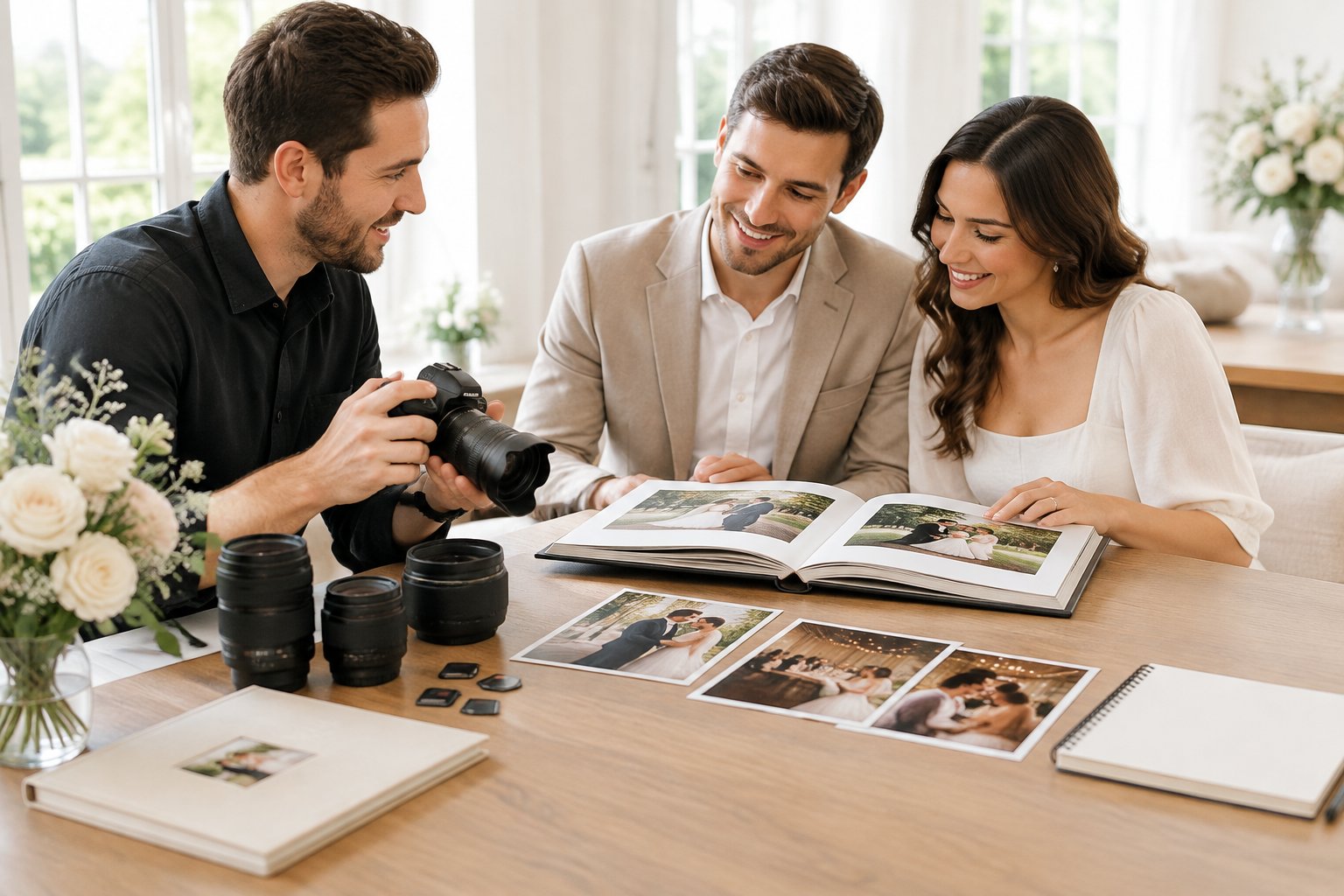
A basic wedding photography package often includes one wedding photographer, a set number of coverage hours, professionally edited photos, high-resolution downloads, and personal printing rights. Albums, engagement sessions, second photographers, and extended reception coverage may be available as paid additions.
Your guest count, wedding timeline, locations, and wedding photography style should guide your choice. Review each photographer’s full galleries and written package details before you book. If you are ready to compare wedding photography services for your date, contact a professional wedding photographer and ask what their entry-level collection includes.
What Is Included in an Entry-Level Collection?
An entry-level collection usually includes a limited block of wedding day coverage, professional editing, high-resolution digital files, an online gallery, and a print release.
These features give you a complete set of core services while keeping the package manageable for a smaller wedding or focused timeline. Read the details closely because photographers define image counts, delivery dates, gallery access, and print rights in different ways.
Coverage Hours and the Moments They Usually Capture
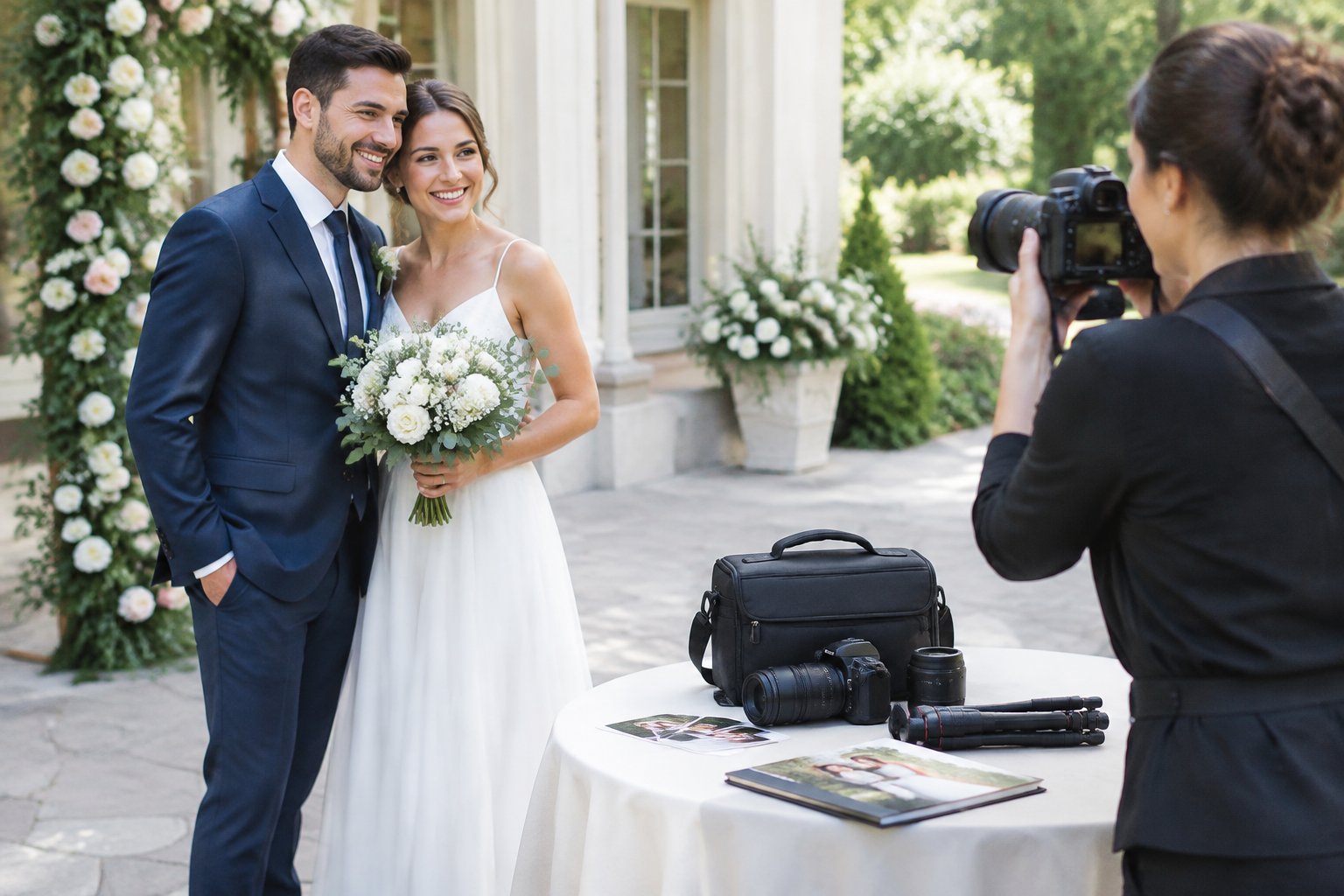
Coverage hours are the continuous time your wedding photographer works on the wedding day. A four-hour collection can cover a ceremony, family portraits, couple portraits, and part of the reception.
Six hours gives you room for late bridal preparation, the ceremony, formal portraits, cocktail hour, and key reception events.
Before booking, place the coverage window on your wedding timeline. Decide whether you want the photographer present for getting ready, a first look, the ceremony, golden hour portraits, dinner, dancing, or the exit. Travel between locations also uses time, so include it when you choose coverage hours.
Edited Digital Images and High-Resolution Downloads
Your package should explain whether you receive a set number of edited digital images or the full wedding gallery. Edited digital photos receive color, exposure, cropping, and style adjustments during post-production.
High-resolution images are suitable for personal printing and long-term storage. Ask how many images the photographer expects to deliver and whether the files are print-ready JPEGs.
A large image count does not replace consistent editing, so request a full gallery from a real wedding.
Online Galleries, Gallery Hosting, and Print Release
An online gallery gives you a central place to view, download, and share your wedding photos. Confirm how long gallery hosting remains active and whether you can download the files in full resolution.
A print release grants you permission to make personal prints and gifts. It does not always transfer copyright ownership, so read the wording carefully. Ask whether sharing on social media is allowed and whether the photographer requests credit.
What Professional Editing and Post-Production Mean
Post-production begins after the wedding and includes selecting usable images, correcting color and exposure, refining the photographer’s style, and preparing files for delivery. Detailed retouching, album design, and extensive object removal may carry separate fees.
Ask whether black-and-white images, skin retouching, and detailed edits are included. The contract should state the expected delivery window and the type of files you receive.
Which Wedding Days Are a Good Fit?
Basic coverage fits courthouse ceremonies, elopements, micro weddings, and intimate celebrations with a short, focused timeline.
You get the strongest value when your ceremony and portrait locations are close together and you have a clear list of priority moments. A simple wedding photography style also works well when you want natural coverage with a small amount of directed posing.
Courthouse Ceremonies, Elopements, and Intimate Weddings
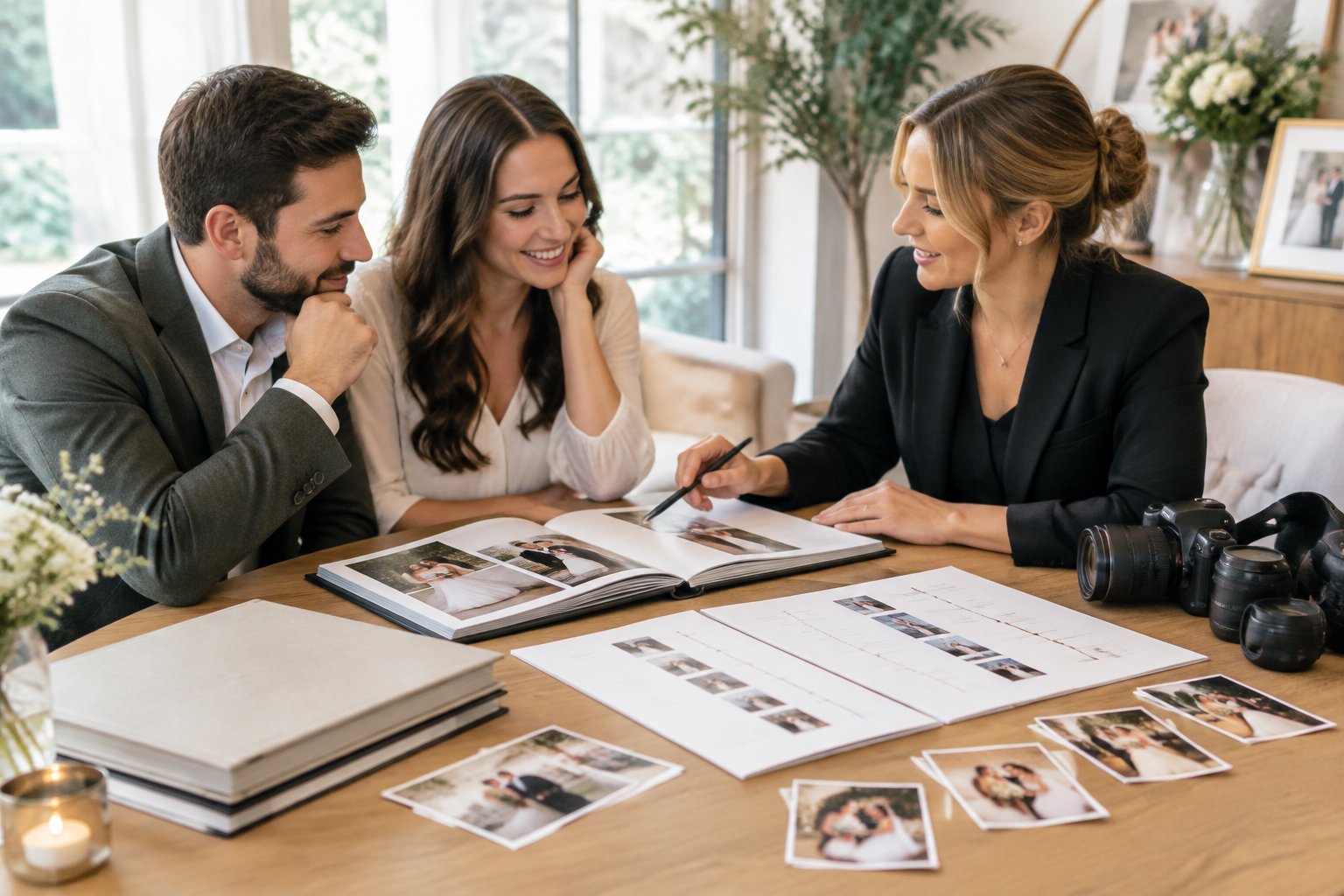
A courthouse ceremony can fit into two to four hours of coverage, including the vows, family photos, couple portraits, and nearby location portraits. Elopements often need a flexible plan because travel, permits, and outdoor conditions affect the schedule.
An intimate wedding with one venue may need four to six hours. This gives you time for the ceremony, portraits, details, and a meaningful portion of the reception.
How to Build a Timeline Around Limited Coverage
Start with the moments you want preserved and work backward from the ceremony or reception end time. Schedule the most important portraits during the coverage window, then leave a small buffer for delays.
Keep locations close, prepare family members before group photos, and share a short shot list with your photographer. A first look can move couple and wedding party portraits earlier, leaving more time for guests after the ceremony.
Prioritizing Family Portraits and Couple Portraits
Create a family portrait list with names and group combinations before the wedding. Assign a family member to gather people so your photographer can move through the list efficiently.
Reserve enough time for couple portraits in the light you prefer. Golden hour portraits need a planned window, and sunset timing changes by date and location. If portraits are your priority, place them near the center of your coverage plan.
When Bridal Preparation or Reception Coverage Will Not Fit
Limited coverage forces you to choose which parts of the day receive attention. Full bridal preparation, a long ceremony gap, dinner, open dancing, and a grand exit rarely fit into a short collection.
You can start coverage later to include the ceremony and reception, or begin earlier to document preparation and portraits. Tell your photographer which moments you are willing to leave out before signing the contract.
How Basic, Standard, and Premium Tiers Compare
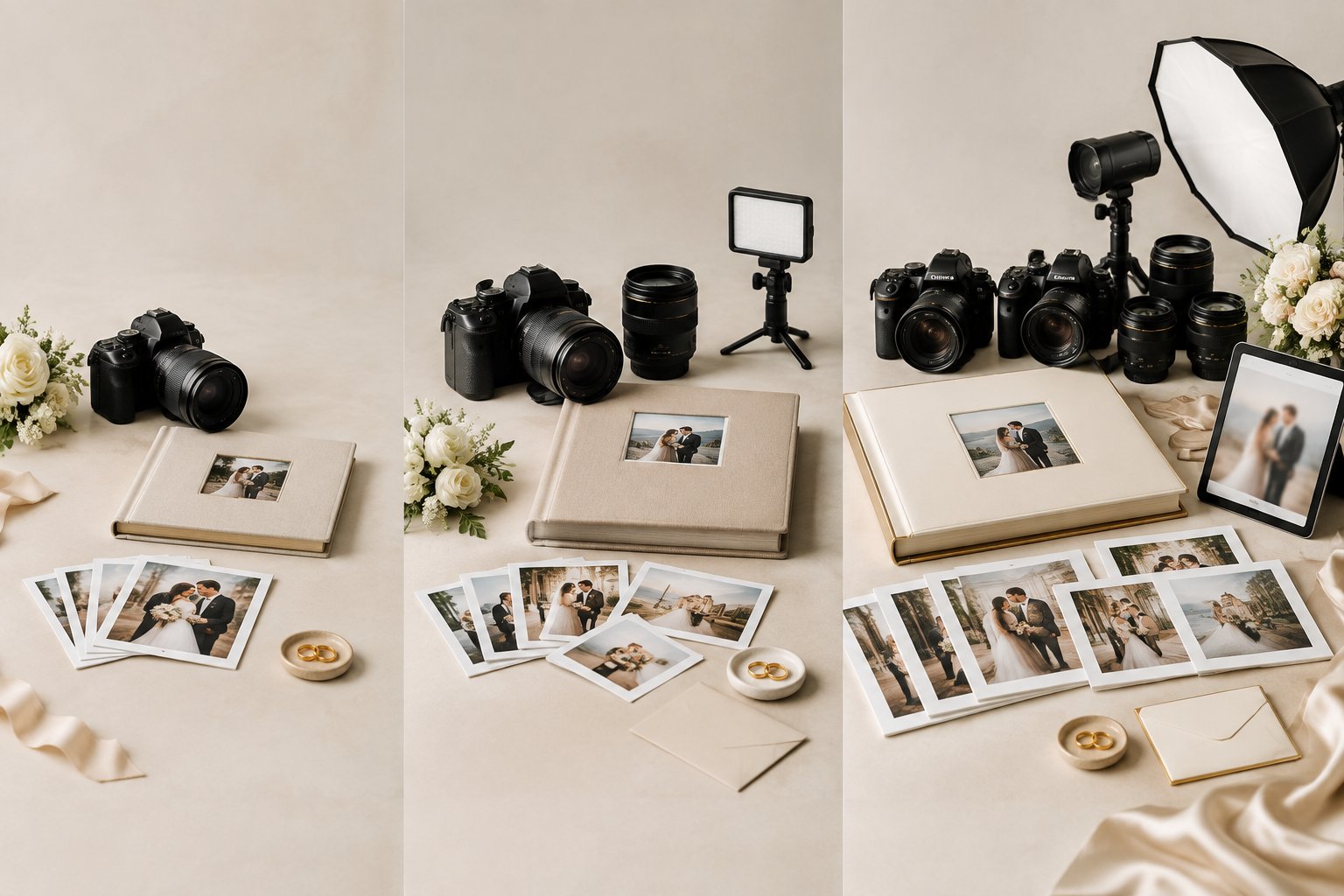
Basic packages focus on essential coverage and digital delivery, standard packages add time and useful extras, and premium packages expand the experience with more photographers, albums, and creative services.
The right tier depends on how much of the day you want recorded and how you plan to enjoy the images afterward. Compare the full cost of add-ons with the included value in each package.
What Changes in Standard Wedding Photography Packages
A standard wedding photography package often includes six to eight coverage hours, a larger edited gallery, and more timeline support. Some photographers include an engagement session, a second shooter, or expanded print rights at this level.
This tier fits couples who want preparation, portraits, the ceremony, and major reception events. Check whether the engagement session is included or priced separately.
What Premium Wedding Photography Packages Add
A premium wedding photography package may include full-day coverage, multiple photographers, an engagement session, a wedding album, print credit, and faster delivery. Some collections also include wall art, canvas prints, or a bridal session.
Premium pricing reflects the photographer’s experience, demand, editing time, album design, and level of service. Review a complete gallery in the photographer’s advertised style before choosing this tier.
When an Engagement Session Is Worth Adding
An engagement shoot gives you practice in front of the camera and helps you learn how your photographer directs movement and poses. The resulting pre-wedding photos can support invitations, announcements, and your wedding website.
Add the session when you want more relaxed portraits or feel unsure about posing. Schedule it several months before the wedding so you have time to use the images.
Digital-Only Coverage vs. Albums and Wall Art
Digital-only coverage gives you flexible access to edited files and lets you choose when to print. Albums and wall art provide finished products designed for regular viewing at home.
A print credit can help you order professional products later, while an included album gives you a clear physical deliverable from the start. Ask about album size, page count, cover options, design revisions, and shipping.
Do You Need More Hours or a Second Photographer?
Choose more hours when important events fall outside your coverage window, and choose a second photographer when meaningful moments happen in separate places at the same time.
One experienced wedding photographer works well for many intimate weddings. Larger guest lists, multiple locations, and parallel preparation often justify a second shooter.
When One Wedding Photographer Is Enough
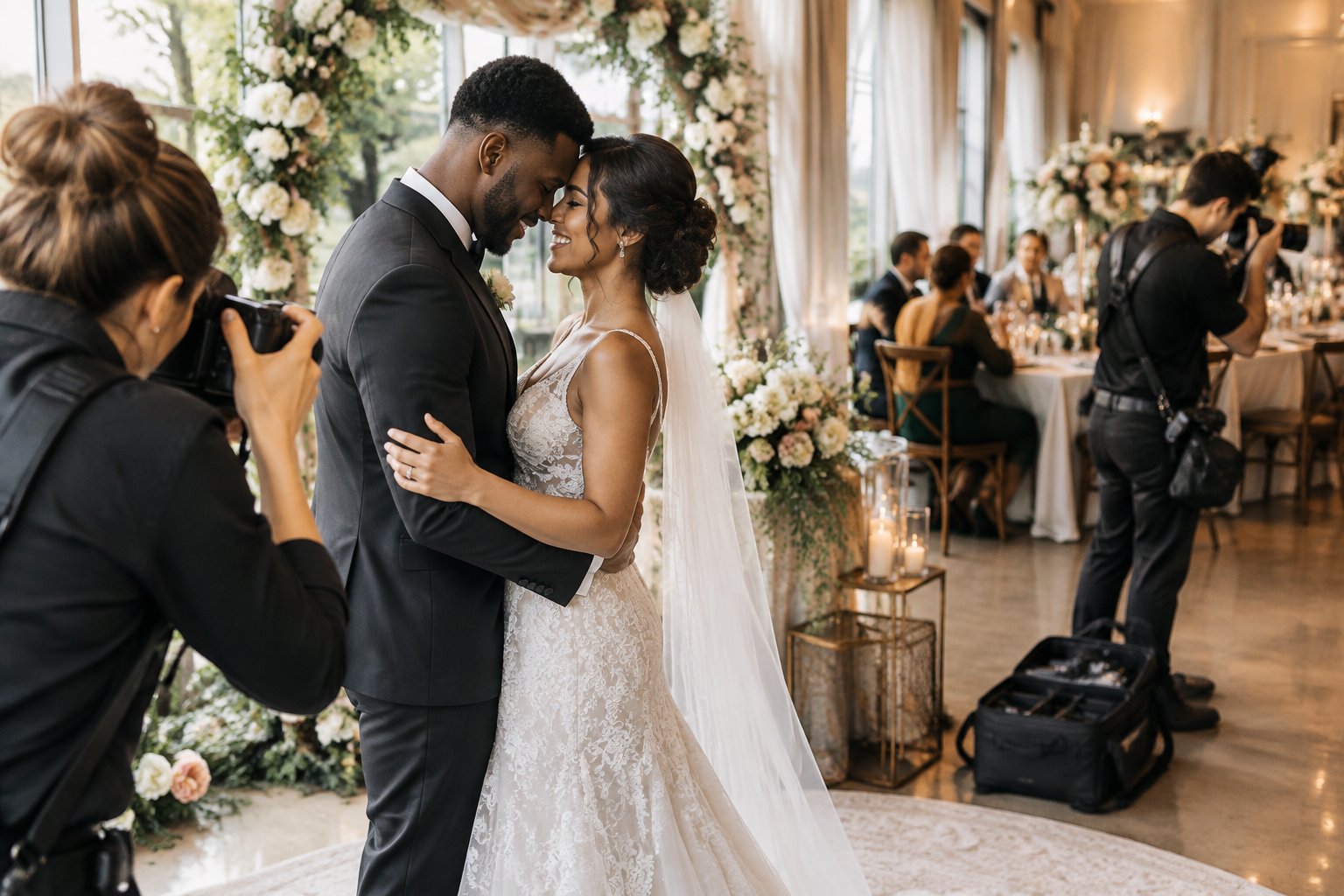
One photographer can cover a small wedding with one venue, a relaxed timeline, and a manageable family portrait list. This setup keeps communication simple and directs more of your budget toward additional coverage hours or finished products.
Ask to see full galleries from weddings similar to yours. The photographer should explain how they handle low light, family formals, travel between spaces, and backup equipment.
What a Second Shooter Can Capture
A second photographer captures another angle and covers moments that occur at the same time. During preparation, one photographer can document each partner in separate rooms.
During the ceremony, the second shooter can focus on guest reactions while the lead photographs the couple. At the reception, two photographers cover more of the room and provide additional candid images.
Confirm whether the second shooter is a professional photographer, how long they work, and whether their images receive the same editing treatment.
Planning for Multiple Locations and Multiple Photographers
Multiple locations add travel time and create moments that one person cannot cover simultaneously. A second shooter helps when partners get ready at different venues or when portraits overlap with guest arrivals.
Share addresses, parking details, venue rules, and contact information for your planner and other vendors. Clear vendor coordination helps both photographers stay on schedule and avoid missed transitions.
Special Considerations for Destination Weddings
Destination wedding photography requires written travel terms covering transportation, lodging, meals, travel days, overtime, and possible permits. Ask whether the package includes travel or adds those costs separately.
Drone photography and drone coverage require venue approval, safe weather, and compliance with local rules. Confirm whether a licensed operator handles the drone work and whether the service is included in your contract.
What Do Basic Packages Cost and What Raises the Price?
In the United States, basic wedding photography packages often begin around $1,200 to $1,800 for newer professionals, while experienced photographers commonly charge more based on coverage, location, and deliverables.
Wedding photography pricing varies widely by market and scope. Use the written proposal to compare what your wedding photography costs include, not just the starting price.
How Photographer Experience Affects Wedding Photography Pricing
Photographer experience affects how confidently a professional handles changing light, family groups, tight schedules, and unexpected problems. An established photographer also brings a deeper gallery and a refined editing process.
A newer photographer may offer a lower price while building a portfolio. Review complete wedding galleries, ask about backup equipment, and confirm who will photograph and edit your images.
Comparing Wedding Photography Package Prices Fairly
Compare the same categories across each proposal:
- Coverage hours and locations
- Number of photographers
- Estimated edited image count
- Gallery access and delivery timing
- Print release and file resolution
- Albums, sessions, and other products
- Travel, overtime, and taxes
A lower package price can rise after you add hours, a bridal session, an engagement session, or an album. Ask each photographer for the total price of the collection you would actually book.
Common Add-Ons and Their Value
Common add-ons include extra coverage hours, a second shooter, engagement sessions, bridal sessions, albums, canvas prints, and print credit. Choose an add-on when it supports a specific part of your plan.
More hours help when your ceremony and reception are far apart in time. A second shooter helps when locations overlap. An album or wall art makes sense when you want a finished display piece.
How to Keep Photography Within Your Wedding Budget
Set a photography budget before requesting proposals, then rank the moments and products you value most. A smaller guest list or single venue can make basic coverage more effective.
You can reduce the total by choosing a weekday or off-season date, shortening coverage during quiet periods, or selecting digital delivery. Keep enough time for your highest-priority portraits and reception events.
Questions to Ask Before You Book
Ask about the assigned photographer, editing process, delivery timeline, image rights, raw files, overtime, and travel before you sign a contract.
Written answers help you compare photographers and prevent package language from creating surprises. Request a full gallery and confirm every included service in the agreement.
Who Will Photograph the Wedding and Handle Editing?
Ask whether the person you meet will photograph your wedding and edit the gallery. Some studios assign an associate photographer, so request that person’s portfolio and name before booking.
Confirm who handles a second shooter’s images, how the editing style stays consistent, and what backup plan applies if the assigned photographer becomes unavailable.
When Will You Receive a Sneak Peek and Final Gallery?
Ask whether you receive a sneak peek, how many preview images it contains, and when you can expect it after the wedding. Then confirm the promised delivery range for the complete gallery.
Your contract should state the final gallery deadline or delivery window, along with the length of online gallery hosting. Ask how you download and back up your files.
Can You Print, Share, and Use Your Images?
Confirm that your package includes a personal print release and high-resolution files. Ask whether you can print gifts, share images on social media, and use photos on your wedding website.
Copyright may remain with the photographer even when you receive permission for personal use. Ask whether the photographer can publish your images for portfolio or marketing purposes and record any privacy request in writing.
Are Raw Files, Overtime, and Travel Fees Included?
Raw files are unedited camera files and are separate from the edited JPEGs delivered in most collections. Ask whether raw files are available, whether they carry an extra fee, and whether the photographer releases them at all.
Confirm the overtime rate, minimum overtime block, travel terms, parking costs, lodging requirements, and destination fees. Put each charge in the signed contract before you pay the retainer.