
Bay Area Wedding Photographer Cost: 2026 Pricing Guide
If you are planning a wedding in San Francisco or the wider Bay Area, set aside about $5,000 to $10,000 for an experienced wedding photographer in 2026. Smaller celebrations may start near $1,500, while established luxury photographers can charge $15,000 to $65,000 or more.
Your final quote will reflect coverage time, experience, editing, travel, and the level of service included.
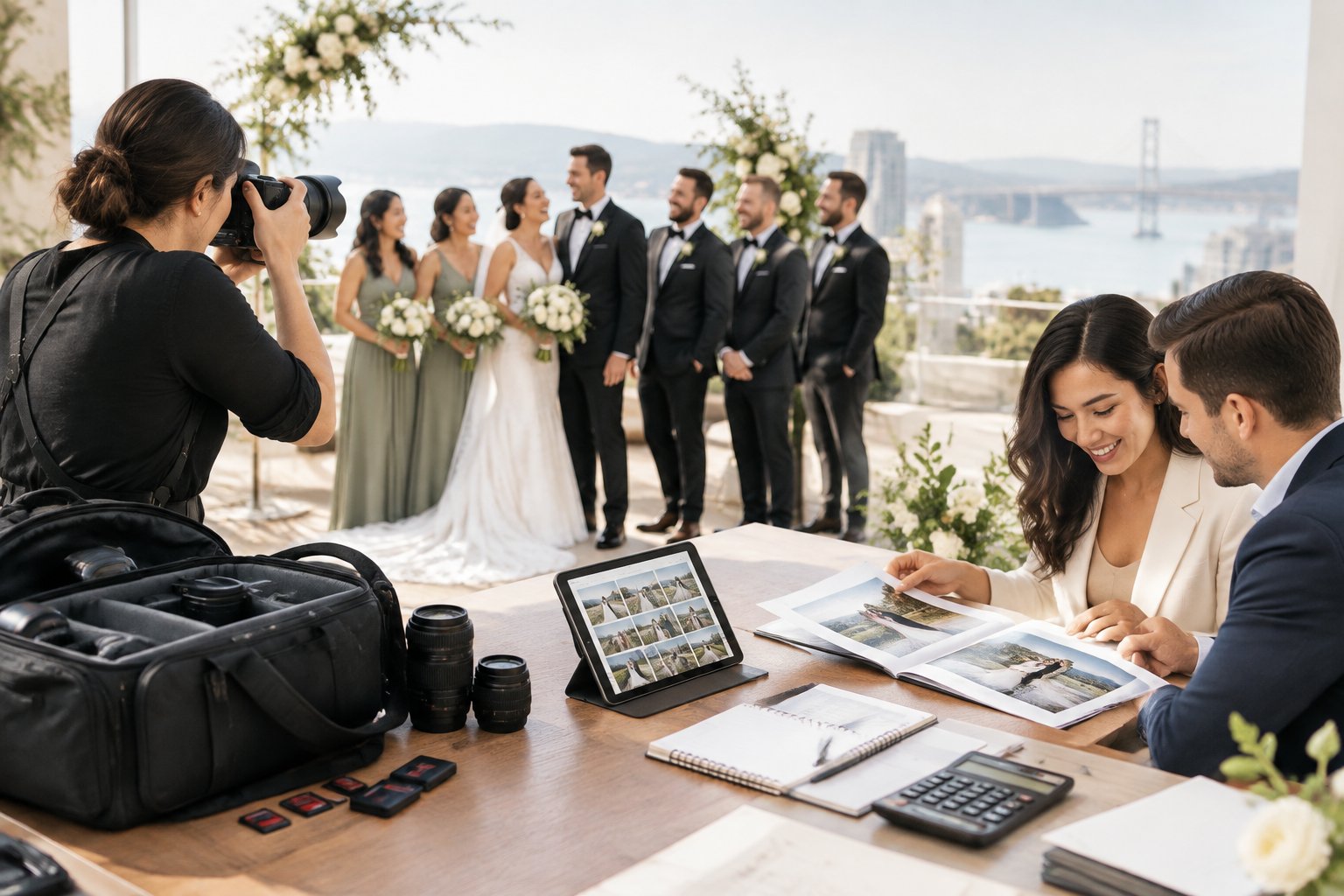
Photography stays important long after your venue, flowers, and menu have changed. You are paying for the wedding day itself, along with planning, equipment, file backups, image selection, editing, and gallery delivery.
A clear budget helps you choose a Bay Area wedding photographer whose work and service match your priorities.
If you are ready to explore your options, request a personalized quote from a Bay Area wedding photography studio serving San Francisco and nearby communities.
How Much Should You Budget for Photography?
Most couples should budget $5,000 to $10,000 for full-day wedding photography in the Bay Area, with many experienced photographers priced between $6,500 and $12,000. Short celebrations can cost less, while luxury services and multi-day events can reach $15,000 to $65,000 or more.

Your wedding photography cost should reflect the coverage you need and the photographer’s ability to handle your venue, schedule, and guest count. Before you compare wedding photography prices, ask whether each quote includes editing, a second photographer, travel, and image delivery.
What Does a San Francisco City Hall or Elopement Package Cost?
A San Francisco City Hall or elopement package may range from about $1,500 to $3,500 for a short session. A package with several hours of coverage, portraits at another location, or an assistant can reach $4,000 or more.
These packages suit couples who need ceremony coverage, family photos, and portraits without a full reception. Ask how many hours are included, whether transportation between locations is covered, and how many edited images you will receive.
Hourly pricing can look attractive for a brief event, though a package may include planning and editing time that an hourly quote leaves separate. Compare the complete deliverables before choosing.
What Do Full-Day Wedding Photography Prices Look Like?
Full-day wedding photography prices commonly fall between $5,000 and $10,000 in the Bay Area. Eight to ten hours of coverage, a private online gallery, and several hundred edited images are common package features.
More elaborate celebrations with multiple locations, cultural events, or extended receptions may cost more. A full-day quote covers work before and after your wedding.
Your photographer may review the timeline, prepare equipment, coordinate family portraits, travel between locations, select images, edit the gallery, and maintain file backups.
How Do Budget, Established, and Luxury Tiers Compare?
| Photographer tier | Common price range | What you may receive |
|---|---|---|
| Newer photographer | $2,500 to $4,500 | Growing portfolio, basic coverage |
| Established professional | $4,500 to $12,000 | Consistent work, planning support, full-day coverage |
| Luxury photographer | $15,000 to $65,000+ | Highly sought-after style, extensive service, custom production |
A lower quote can work well for a smaller event when your coverage needs are limited. Established Bay Area wedding photographers bring more experience with changing light, tight timelines, large family groups, and unexpected moments.
Luxury pricing reflects demand, artistry, reputation, and a high-touch experience.
What Is Included in a Wedding Photography Package?
A wedding photography package commonly includes coverage hours, edited digital images, an online gallery, and personal planning support. Engagement photography, albums, and a second photographer may be included or priced as upgrades.
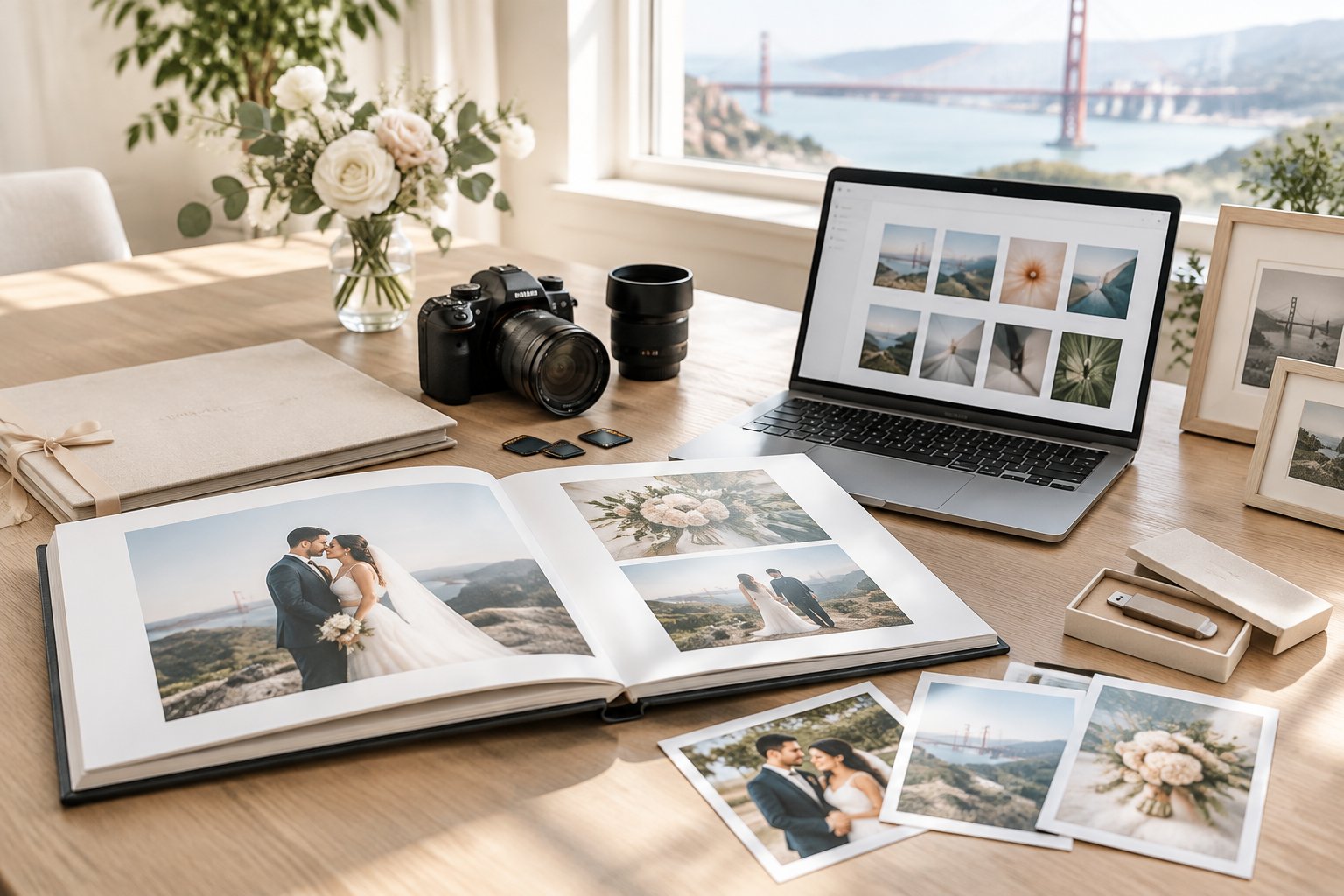
Read each proposal closely because two wedding photography packages with similar prices can provide very different services. Look for the details that affect your day and your final collection.
Coverage Hours and the Number of Photographers
Coverage may range from two hours for a civil ceremony to 10 or more hours for a full wedding day. Ask when the clock starts, when it ends, and how overtime is billed.
A second shooter or second photographer helps cover separate locations, large guest lists, and fast-moving receptions. Your lead photographer can focus on the couple while the additional photographer documents guests, cocktail hour, or preparations elsewhere.
Edited Images, Online Galleries, and Print Rights
Many full-day packages deliver about 500 to 800 or more edited images through a private online gallery. Confirm whether the gallery allows high-resolution downloads, sharing with family, and personal printing.
Ask how long the gallery remains available and whether the photographer keeps backup copies. Your contract should explain your personal print rights and any restrictions on commercial use or image changes.
Engagement Sessions, Albums, and Other Add-Ons
An engagement session gives you time to become comfortable with your photographer before the wedding. Engagement sessions may include one location, outfit changes, and a set of edited images, with travel or extra hours priced separately.
Albums, parent books, additional coverage, rehearsal dinner photography, film photography, and rush delivery can increase the final price. Request itemized pricing so you can choose upgrades that fit your budget.
What Drives the Final Quote?
The final quote reflects experience, creative demand, coverage complexity, travel, venue rules, and the Bay Area’s high operating costs. A photographer’s price also includes the planning and editing work that surrounds your wedding day.

Your photographer may spend many hours preparing your timeline, checking locations, organizing equipment, editing thousands of files, and storing your images securely. These services shape the value of Bay Area wedding photography.
Experience, Demand, and Photography Style
An experienced wedding photographer has handled dark receptions, rain, difficult family combinations, tight schedules, and emotional moments. That experience supports calm direction when your timeline changes.
Demand also affects wedding photography pricing. Peak dates from May through October, holiday weekends, and popular venues book early.
A documentary, editorial, fine-art, or film-focused style may carry a higher rate because of specialized skill and strong demand. Review complete wedding galleries to see how a photographer handles ceremonies, family portraits, reception lighting, and quiet moments.
A polished highlight reel alone gives you limited information.
Wedding Size, Timeline, and Coverage Complexity
A large wedding requires more group organization and may benefit from a second photographer. A split timeline, multiple outfits, tea ceremony, or several venues adds planning and travel time.
Your coverage needs also depend on what you want documented. Getting-ready photos, a first look, ceremony, portraits, dinner, speeches, dancing, and a late-night exit require more hours than ceremony-only coverage.
Bay Area Travel, Venue Logistics, and the Cost of Living
San Francisco, Napa, Sonoma, Marin, the Peninsula, and the East Bay each create different travel and logistics needs. Parking, tolls, ferry schedules, traffic, overnight stays, and venue access can affect your quote.
The Bay Area’s cost of living also raises studio expenses, insurance, equipment, software, taxes, and business overhead. Ask whether travel, lodging, permits, and overtime appear in the initial proposal.
How to Compare Photographer Proposals Fairly
Compare proposals by matching coverage, deliverables, staffing, fees, and backup protections before you judge the wedding photographer cost. A lower starting price can change after you add services listed separately.

A clear comparison helps you see what each Bay Area wedding photographer offers for the quoted amount. Keep the proposals together and record every included item.
Compare Like-for-Like Coverage Before Judging Price
Check the number of hours, start and end times, edited image count, gallery access, and delivery schedule. Confirm whether an engagement session, album, or second shooter is included.
A $4,500 proposal with six hours of coverage is difficult to compare with a $7,500 proposal offering 10 hours, two photographers, and an album. Align the services first, then compare the creative work and client experience.
Ask About Travel, Overtime, and Other Potential Fees
Request a written list of travel charges, parking, lodging, permits, overtime, album upgrades, rush delivery, and additional photographer fees. Ask when overtime begins and what rate applies per hour.
Multi-location weddings deserve special attention. Build realistic travel time into your timeline so you do not pay for delays or lose portrait coverage while moving between venues.
Review Full Galleries and Confirm Backup Plans
Review at least two complete wedding galleries from venues with lighting and guest counts close to yours. Look for consistent exposure, natural expressions, sharp family photos, and strong reception coverage.
Ask how your photographer backs up files during and after the wedding, what happens during equipment failure, and who provides coverage if an emergency prevents attendance. Your contract should state the replacement and refund terms.
How to Set a Photography Budget and Book With Confidence
Set your photography budget by choosing the moments you want documented, protecting enough coverage for them, and reserving your date early. A practical starting point is 10% to 15% of your total wedding budget, adjusted for your guest count and priorities.
Your priorities should guide the package. If family relationships, candid moments, or portraits are central to your plans, make sure the proposal provides enough time and staffing for those images.
Choose Coverage That Fits Your Wedding Priorities
Write down the moments you want preserved before reviewing packages. You may value getting-ready images, a private first look, cultural ceremonies, large family portraits, or a full dance floor.
Use that list to choose coverage hours and staffing. A smaller wedding may need one photographer for five hours, while a large celebration with separate preparation spaces may need 10 hours and a second shooter.
If your budget is tight, protect ceremony coverage, family portraits, and the parts of the reception you care about most. You can request a shorter package or remove an album while keeping professional editing and image delivery.
When to Book Bay Area Wedding Photographers
Book Bay Area wedding photographers about 12 to 18 months before a Saturday wedding during the busy season. Six to 12 months may work for an off-season, weekday, or Sunday date, depending on availability.
Popular San Francisco venues and peak dates fill quickly. Once you find a photographer whose work and communication fit your needs, secure the date with the required contract and retainer.
Ways to Save Without Sacrificing the Essentials
Choose a weekday, Sunday, or off-season date if your venue and guest list allow it. Shorten coverage to focus on your highest-priority events, choose one photographer for a small celebration, or delay an album purchase.
You can also compare nearby venues with easier parking and shorter travel routes. Ask about custom wedding photography packages, payment plans, and à la carte engagement photography before removing services that protect the quality of your final gallery.