
Beautiful Small Wedding Venues Near the Beach: How to Choose
A small coastal wedding gives you a beautiful setting, a relaxed pace, and more time with the people you love. The strongest venues pair easy ocean access with practical spaces for dining, weather changes, guest comfort, and photos.
Look for a property that feels intimate at your guest count and supports both the ceremony and reception without complicated transfers.
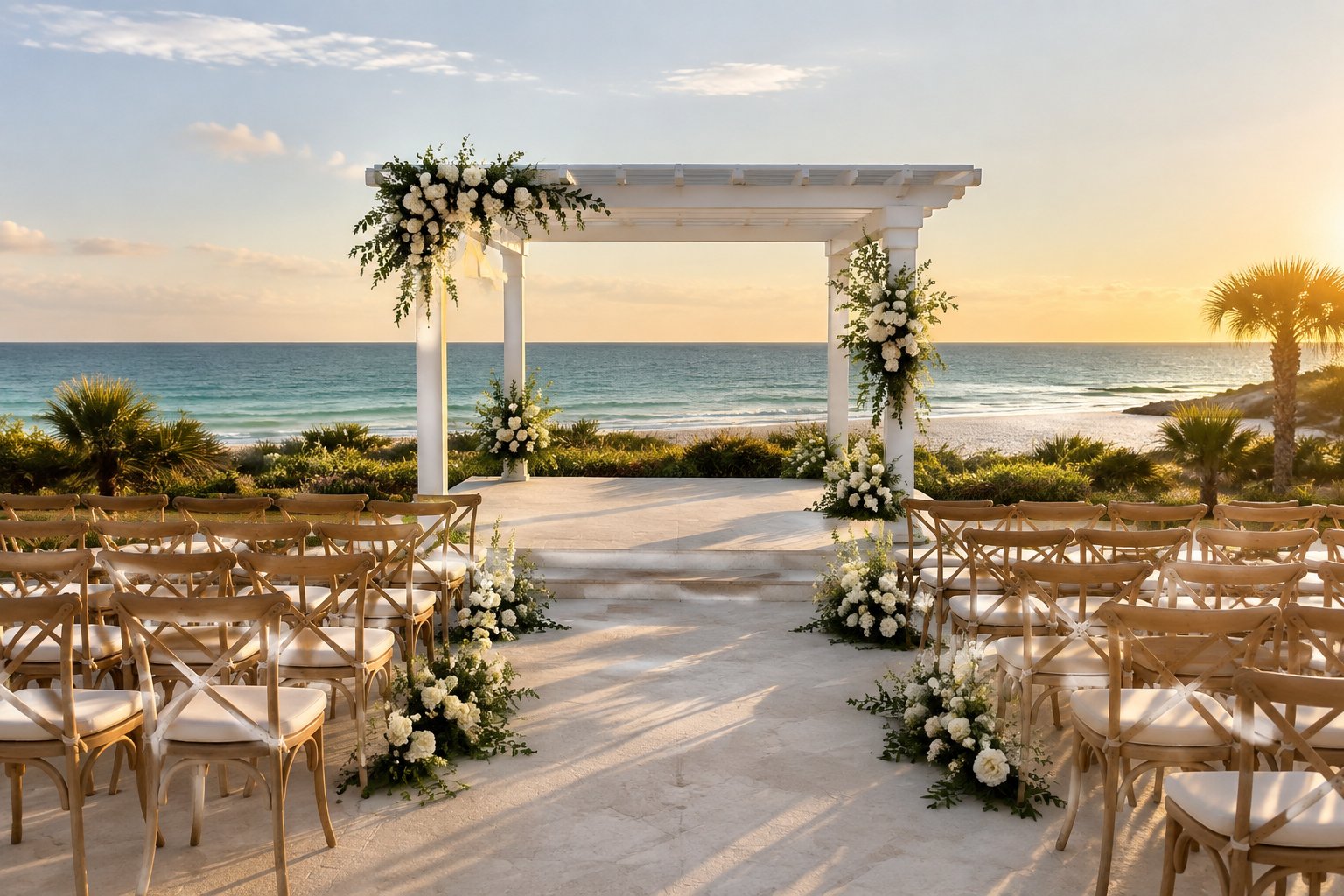
For most couples, a boutique oceanfront property with a private ceremony area, an indoor backup space, and on-site reception service is the best fit for beautiful small wedding venues near the beach because it combines views, privacy, and simpler logistics. You can find inspiration across beach wedding venues, private retreats, restaurants, resorts, and historic coastal sites.
If you are planning in Tennessee, you can explore wedding packages or schedule a private tour of Grahams Estate in Gallatin to compare how a dedicated venue handles an intimate wedding.
What Makes a Coastal Venue Work for a Small Celebration?
A coastal venue works for a small celebration when its spaces match your guest count, protect your guests from changing conditions, and create a smooth path from vows to wedding reception.
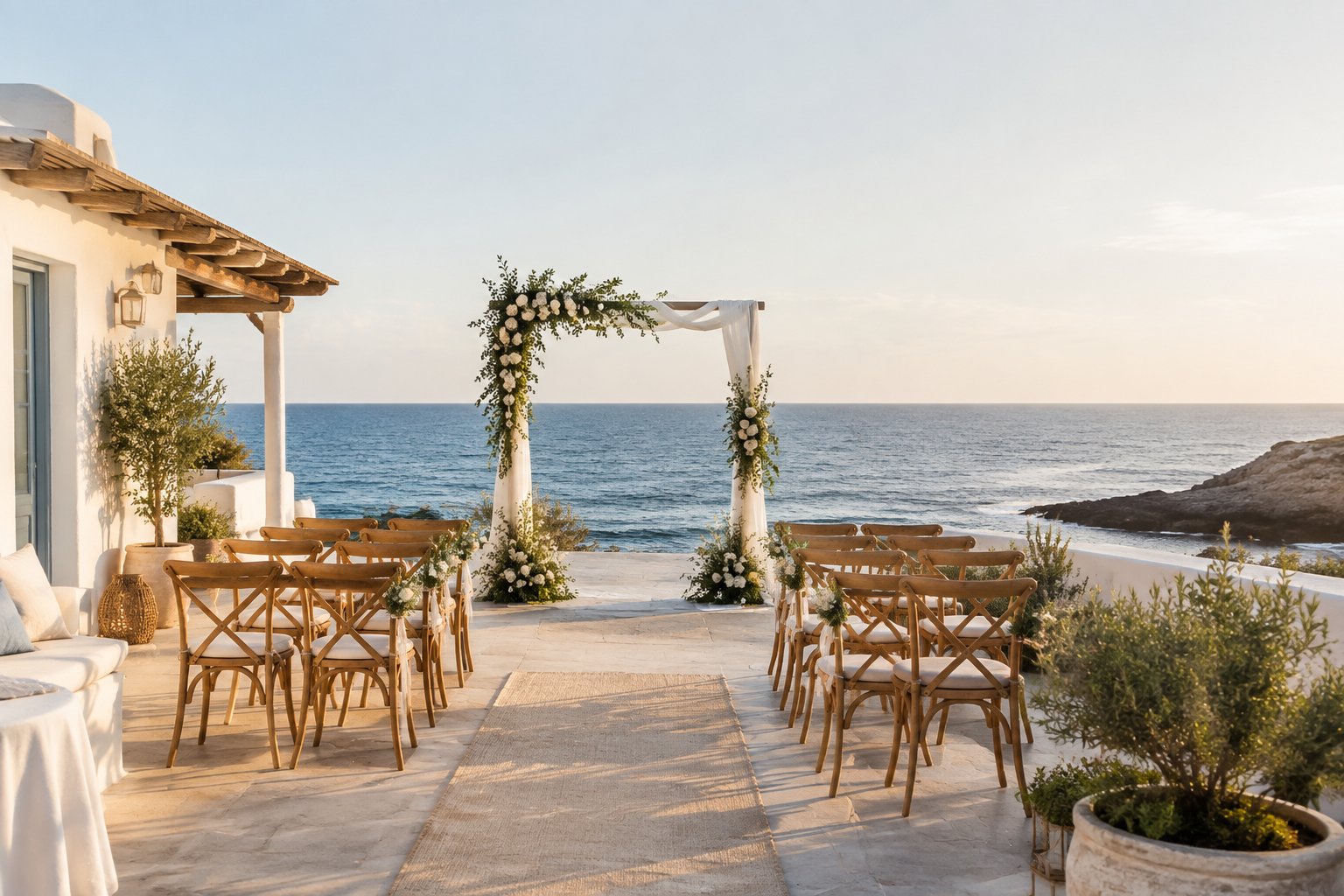
Right-Size the Guest Count and Event Spaces
Start with the number of guests who will attend, then ask how many people each area seats comfortably. A venue that holds 150 guests may feel empty with 25 people, while a smaller property can create warmth and connection.
Ask to see layouts for the ceremony, dinner, dancing, and any cocktail hour.
Check whether you receive private use of the property. Privacy affects your vows, guest movement, music, and photo schedule.
Ask who handles setup, restroom access, cleanup, and transitions during the event.
Choose Between Sand, Lawn, Terrace, and Indoor Settings
Sand creates a classic beach wedding atmosphere, though walking and seating require extra care. A lawn gives guests firmer footing and room for aisle décor.
A terrace offers oceanfront views with a more stable surface, while an indoor room provides climate control and a dependable rain plan.
Consider the feel you want for your coastal wedding. A terrace can support an elegant dinner, while sand suits a casual ceremony with light décor.
Check the route between parking, restrooms, ceremony seating, and the reception space before you commit.
Build a Ceremony-to-Reception Flow That Feels Effortless
Choose a venue where guests can move from the ceremony to drinks and dinner with minimal direction. A nearby cocktail area keeps the transition lively, and a separate reception room lets staff reset chairs without interrupting your celebration.
Ask where your photographer can take portraits when the sun is bright or the weather turns. Ocean views and panoramic ocean views look beautiful, yet shade, wind protection, and indoor photo options help keep the day comfortable.
Which Coastal Setting Fits Your Wedding Vision?
Your ideal coastal setting depends on the landscape, travel plans, climate, and atmosphere you want guests to experience.
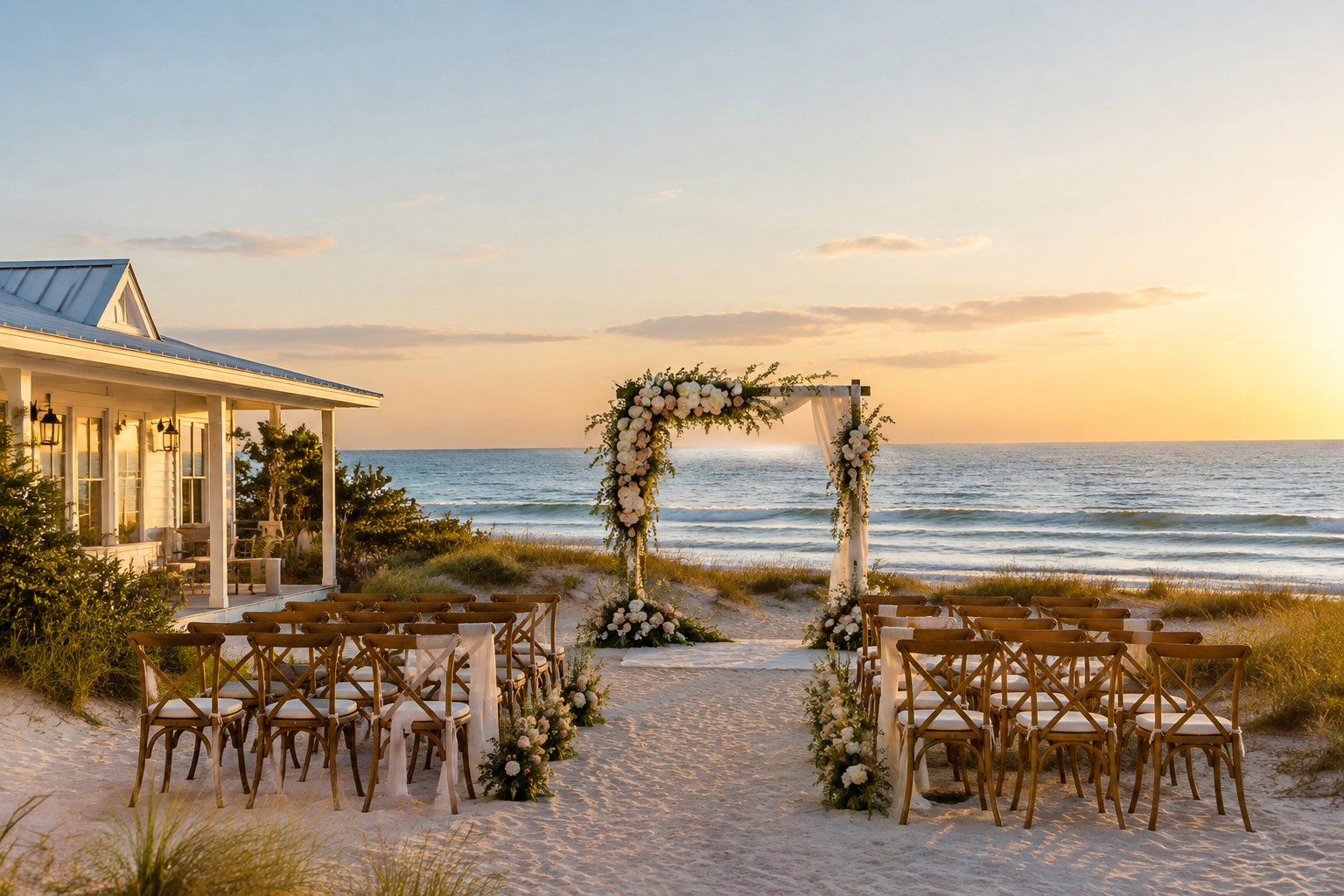
Atlantic and Long Island Sound Celebrations
The Atlantic Ocean offers broad beaches, strong seasonal character, and many established event properties. Long Island, the Outer Banks, and communities along Long Island Sound give you choices ranging from classic seaside inns to private homes and waterfront clubs.
Atlantic locations can suit a formal dinner, a relaxed lawn ceremony, or a weekend with nearby attractions. Ask about cooler evenings, coastal wind, beach access, and seasonal crowds when comparing dates.
Gulf Coast and Florida Keys Escapes
The Gulf of Mexico and Florida Keys create a warm, tropical setting with calm water, sunset color, and a destination wedding feel. Resorts, beach clubs, private homes, and small restaurants often support ceremonies followed by outdoor dinners.
Check heat, humidity, storm policies, and transportation for guests. A shaded ceremony area, air-conditioned preparation room, and indoor dining option will make the experience easier for everyone.
Pacific Coast Views From Malibu to Oregon
The Pacific Ocean brings dramatic cliffs, wide horizons, rocky shorelines, and cooler air. Malibu, California, offers a polished Southern California setting, while the Oregon Coast gives you rugged scenery and a quieter mood.
Clifftop venues can provide exceptional ocean views without placing every guest on the sand. Ask about stairs, wind, sunset timing, parking, and access for guests with mobility needs.
Island-Style Gatherings in Hawaii
Hawaii supports intimate beach weddings with tropical scenery, warm weather, and strong destination appeal. Haleiwa and other coastal communities offer settings that range from private estates to resorts and local restaurants.
Build extra travel time into your plans and give guests clear lodging guidance. Confirm local rules, vendor access, permit needs, and a weather backup before booking an outdoor ceremony.
Standout Venue Types and Real-World Examples
The strongest small coastal venues match your style with a practical event model, such as a resort weekend, a lively restaurant reception, a historic site, or a private retreat.
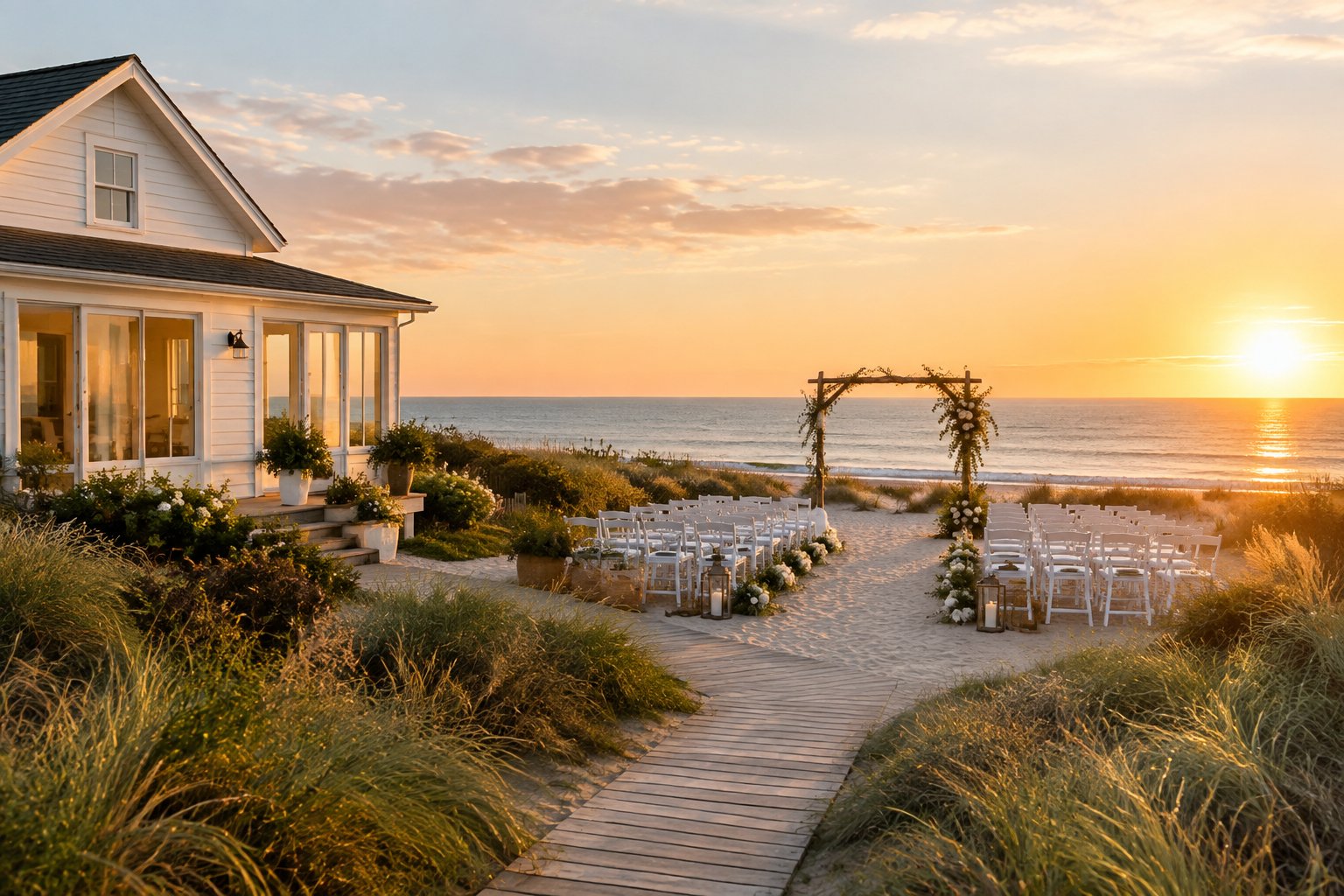
Boutique Resorts for an All-in-One Wedding Weekend
A boutique resort keeps lodging, meals, ceremony spaces, and guest activities close together. Wild Dunes Resort illustrates the appeal of a full coastal property, with room for a wedding weekend that includes welcome events and a private reception.
Ask whether the venue offers exclusive spaces for a small group, since a large resort can feel less personal during busy dates. Review room blocks, event minimums, service fees, and the distance between guest rooms and your ceremony location.
Oceanfront Restaurants and Clubs for a Lively Reception
An oceanfront restaurant or club gives you built-in catering, professional service, and a reception designed around food and conversation. Monterey Beach Station, Duke’s Malibu, and Surf Club show how waterfront dining can shape a celebration with energy and strong views.
Ask about private dining rooms, music limits, bar packages, dance space, and the length of your rental period. A restaurant works well when dinner is the heart of your wedding and your guest list is compact.
Historic and Nature-Forward Sites for Distinctive Photos
Historic and nature-forward venues add character through architecture, dunes, gardens, or protected landscapes. Crook Point offers a nature-focused coastal setting, while a national historic landmark can provide distinctive details for portraits and ceremony décor.
Westbrook, Connecticut, and Bridgehampton, New York, also show how regional coastal character can shape the experience. Confirm preservation rules, accessibility, restroom facilities, and restrictions on décor before signing a contract.
Private Retreats for Elopements and Micro Weddings
A private retreat suits an elopement or micro wedding when you want quiet, flexible timing, and a home-like setting. Loulu Palm Weddings in Hawaii represents the private tropical approach, with a setting designed around a small guest group.
Ask whether the property permits receptions, amplified music, outside vendors, overnight stays, and professional photography. A private home can feel personal, though your contract should spell out every service you need.
What Should You Confirm Before Booking?
Before booking, confirm the venue’s weather plan, service rules, guest logistics, permits, and complete costs in writing.
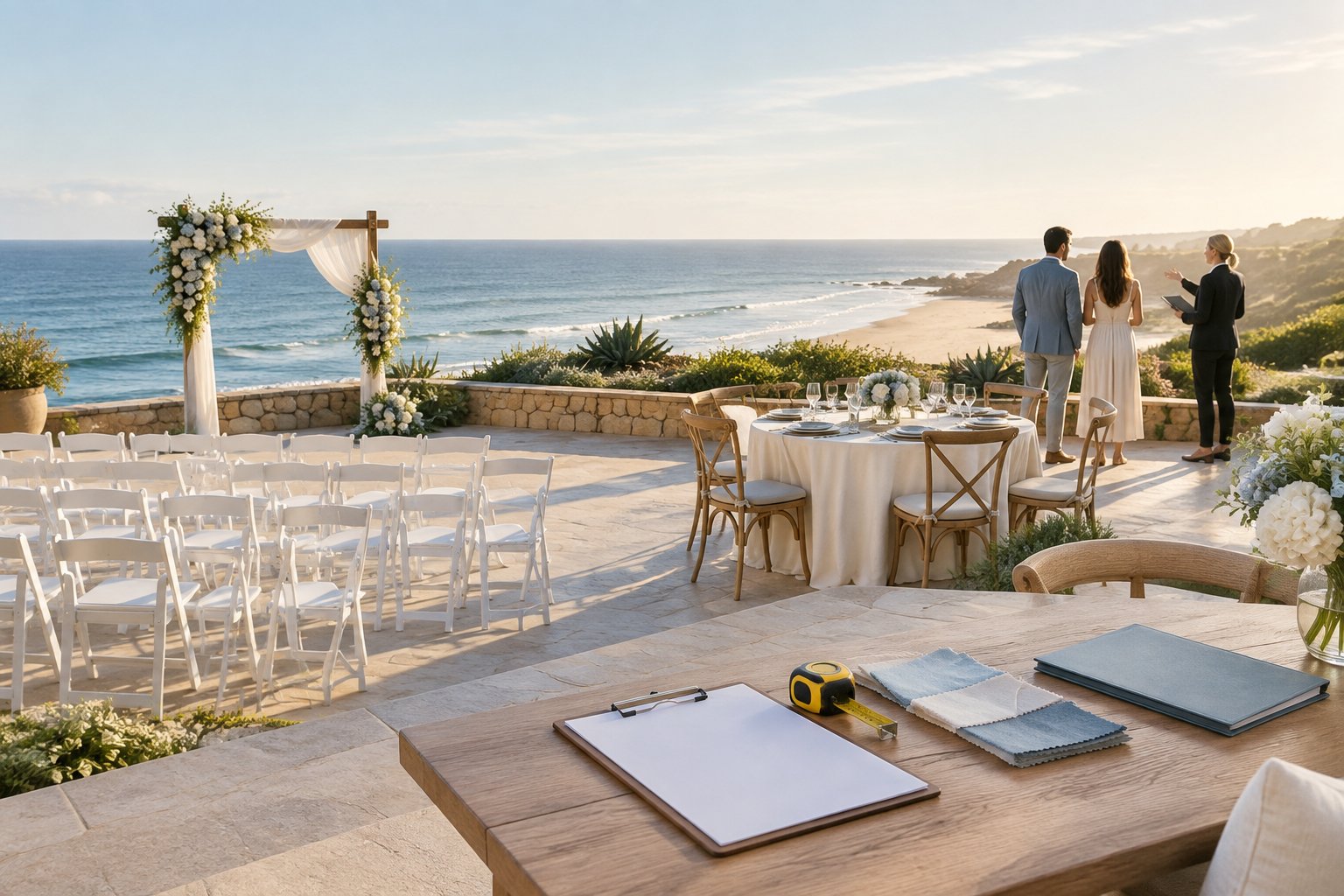
Weather Plans, Tides, Wind, and Seasonal Crowds
Ask where the ceremony moves during rain, high wind, heat, or poor air quality. A tent, covered terrace, banquet hall, or indoor room should have enough space for your planned layout.
Review tide patterns and the time of sunset for your date. Confirm wind limits for arches, candles, signs, and floral designs.
Ask how crowded the beach becomes during holidays and peak travel months.
Catering, Bar Service, and Reception Restrictions
Request an itemized quote that includes catering, staffing, rentals, taxes, service charges, cake cutting, and cleanup. Ask whether you may hire your own wedding planner, caterer, bartender, florist, or DJ.
Clarify bar hours, alcohol rules, menu substitutions, kitchen access, food allergy procedures, and late-night service. If you are comparing wedding packages, place each inclusion beside the added fees so the totals remain easy to compare.
Lodging, Transportation, and Accessibility for Guests
Check nearby hotels, on-site rooms, parking, shuttle options, rideshare access, and walking distances. Guests should have a clear route from lodging to the ceremony and reception.
Inspect ramps, pathways, restrooms, seating surfaces, and transportation for anyone with mobility needs. Ask whether the venue has an accessible indoor space if sand or stairs create a problem.
Permits, Noise Rules, and Beach Access
Public beaches and coastal parks often require permits for ceremonies, chairs, arches, photography, amplified music, or alcohol. Ask the venue who applies for permits and which costs belong in your budget.
Confirm curfews, sound limits, cleanup rules, fire restrictions, campfire policies, and guest access. Mountain views can be part of a coastal property’s scenery, though shoreline rules still control how and where your event takes place.
How to Find and Compare Your Shortlist
Build a shortlist of three to five venues, then compare capacity, privacy, access, services, restrictions, and the complete event cost.
Filter for Capacity, Privacy, and Waterfront Access
Use The Knot Vendor Marketplace to search beach wedding venues by location, guest count, style, and available services. Save properties that offer a ceremony space suited to your small wedding and a reception area that feels proportionate.
Read recent reviews for details about staff communication, weather changes, food service, parking, and event flow. Then check whether the waterfront is private, shared with the public, directly on the sand, or visible from a terrace.
Ask Questions That Reveal the True Venue Cost
Request a written estimate for the exact date, guest count, menu, bar plan, rental needs, and service hours. Ask about deposits, payment dates, cancellation terms, overtime, vendor meals, setup time, breakdown time, and damage fees.
Compare wedding packages line by line. A lower site fee can change once you add chairs, lighting, restrooms, transportation, permits, staffing, or a rain plan.
If cost control is important, review affordable wedding venues near the beach and all inclusive small wedding venues for useful starting points.
Plan a Site Visit Around the Time of Your Ceremony
Visit at the ceremony time you are considering so you can assess sun, shade, wind, noise, parking, and beach traffic. Walk the full guest route from arrival through the ceremony, cocktail hour, dinner, dancing, and departure.
Bring your guest list range, preferred reception style, budget, and questions. Take notes on every space, ask for sample floor plans, and request a written follow-up that lists what the venue will provide.