
Can a Bride Have a Bridesmaid? Exploring Wedding Traditions and Choices
When planning your wedding, you might wonder about the roles of your wedding party. Yes, a bride can absolutely have a bridesmaid! This decision is all about personal preference and the relationships that matter most to you.
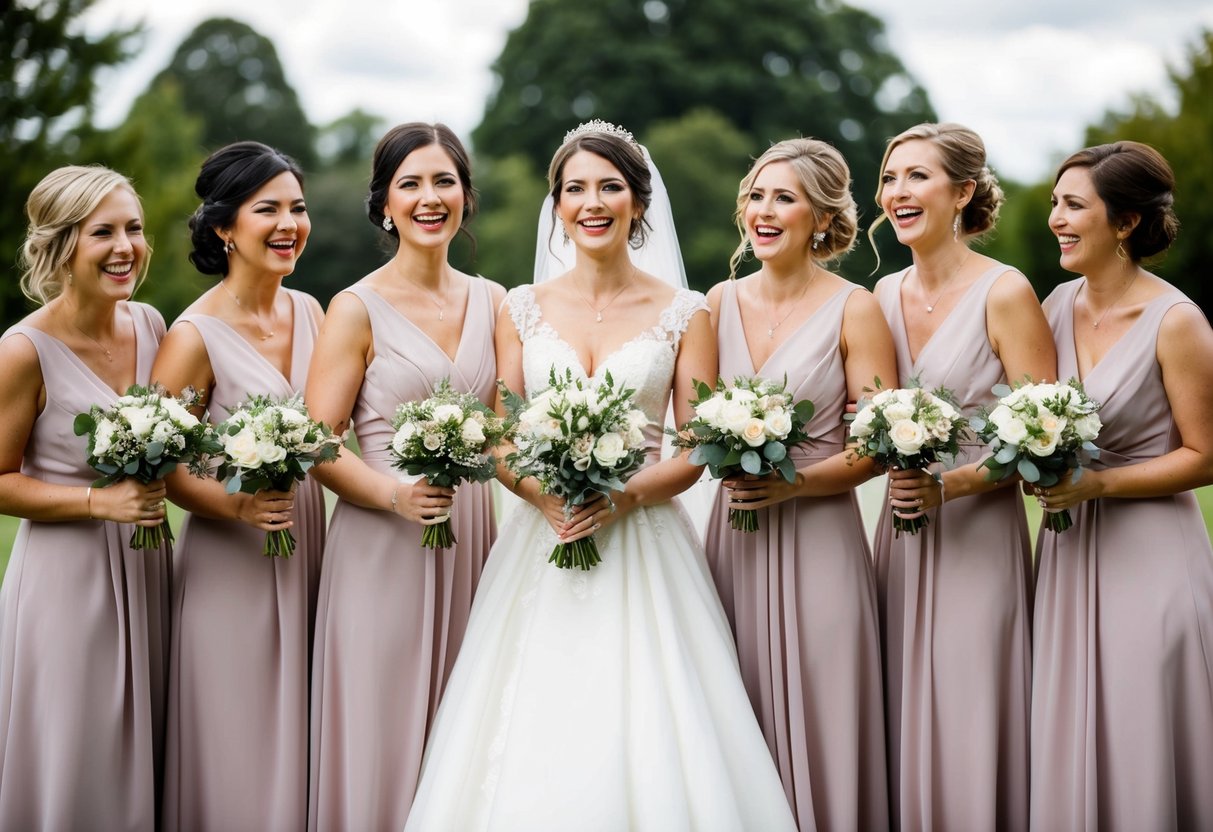
Traditionally, bridesmaids have been close friends or family members who help the bride on her special day. Changing this tradition can allow for a more personalized experience that reflects your unique style and relationships. Whether you want to include a male friend or choose someone who doesn’t fit the typical mold, it’s your wedding, and you can decide what feels right.
Your choices can add a special touch to your wedding celebrations. Embracing new traditions or bending the rules can make your day even more memorable.
Roles and Responsibilities of Bridesmaids
As a bridesmaid, you play an important part in the bride’s journey leading up to the big day. Your support and involvement can greatly ease the stress of wedding planning and make the experience memorable.
Supporting the Bride
Your primary role is to support the bride emotionally and physically throughout the wedding journey.
Be a sounding board for her ideas, whether she’s choosing colors or decor. Offer your thoughts and genuinely communicate. The bride needs to feel heard and understood.
You should also help her with practical tasks.
This includes dress shopping, where you can provide honest feedback on styles and fit. If the bride plans a bridal shower or bachelorette party, your participation in organizing these events is essential. This is a great way to build excitement.
Pre-Wedding Duties
Before the wedding day, you’ll have several key responsibilities to manage.
Attend all planning sessions and help coordinate timelines for events like the bachelorette party and bridal shower. It’s important to be involved and keep communication open with the bride.
Additionally, prepare for the wedding by assisting the bride with her dress fittings, hair appointments, and any final details.
You may need to help select accessories or coordinate with vendors. Your involvement shows the bride that she can depend on you during this special time.
D-Day Contributions
On the wedding day, your role is crucial.
First, you should help the bride get ready. This includes tasks like assisting with hair, makeup, and getting dressed. Offering emotional support is just as important—you want her to feel calm and happy.
During the ceremony, stand beside her with pride. Afterward, help ensure everything runs smoothly.
This means keeping an eye on the schedule, managing the bridal bouquet, and being ready for any last-minute needs.
Don’t forget to celebrate! Enjoy the dance floor and help create a fun atmosphere. Your enthusiasm will contribute to the joyful memories of this special day.
The Composition of the Bridal Party
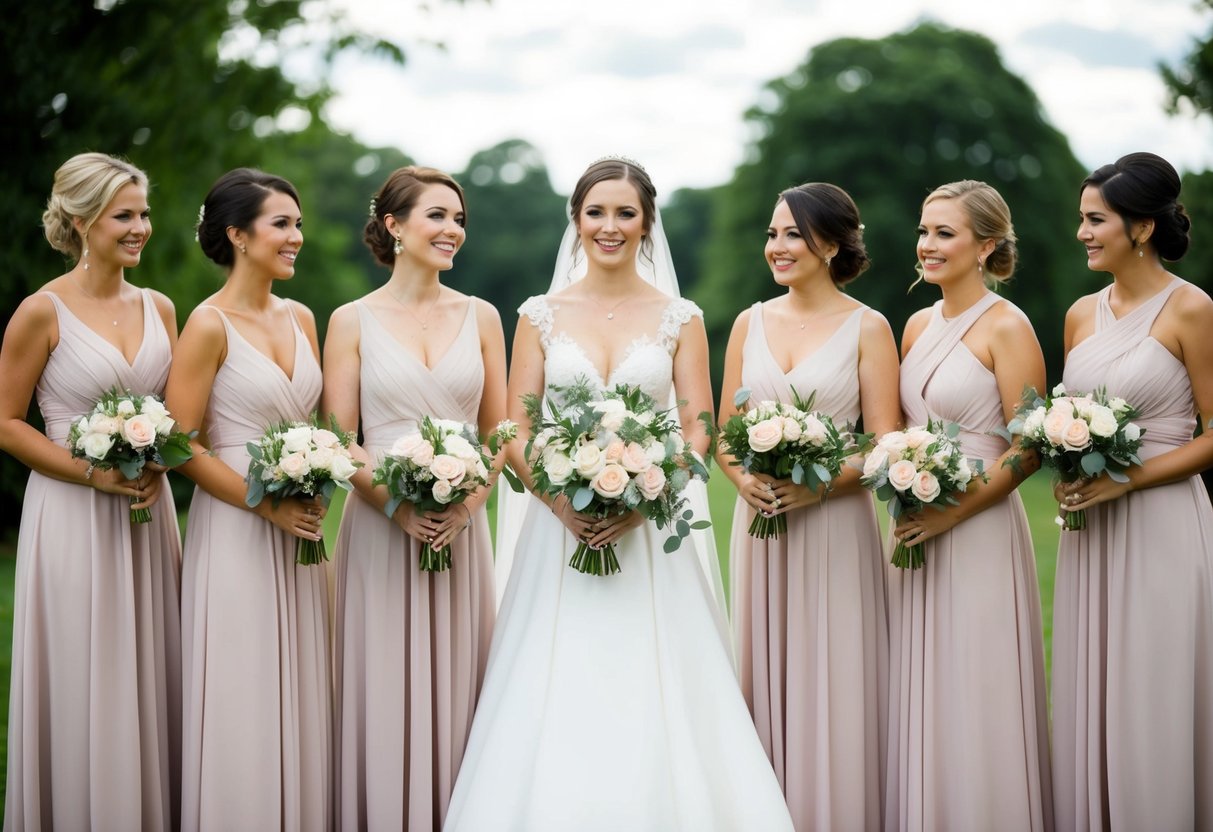
When planning for your wedding, deciding on the makeup of your bridal party is essential. This group includes close friends and family who support you on your special day. You have flexibility in choosing members and their roles to make it personal.
Number and Roles
The number of bridesmaids can vary widely based on personal preference and wedding size. The average is typically around three to five.
You might want a maid of honor, who is your primary supporter, alongside a few bridesmaids who assist with various tasks.
Some couples choose to include a chief bridesmaid for added support. Others might opt for a junior bridesmaid if you have younger family members. It’s not uncommon to include bridesmen if you’d like male friends to stand with you. This mix can help reflect your unique style and friendships.
Inclusion and Personal Choices
Inclusion in the bridal party is a personal choice. Think about who means the most to you. Friends and family can show support in different forms, so focus on meaningful connections rather than strictly gender.
Gender roles are evolving, allowing for more diverse bridal party compositions. A man of honor or a best woman can add special significance to your day. Your choices should highlight your relationships, regardless of traditional expectations, allowing you to create a bridal party that feels just right for you.
Important Pre-Wedding Events
As you prepare for your big day, several key events play significant roles in the lead-up to the wedding. These gatherings provide opportunities for bonding, planning, and ensuring a smooth wedding experience.
Bachelorette Party and Bridal Shower
The bachelorette party is a fun celebration typically planned a few weeks before the wedding. It’s a chance for you to unwind with your closest friends. Activities may include a spa day, a weekend getaway, or a night out.
The bridal shower is another key event. This gathering usually happens a few months before the wedding. It focuses on celebrating you and giving gifts that will help you in your new life. Both events are often organized by your bridesmaids, who will want to ensure you have unforgettable experiences. You can expect games, themed decorations, and lots of laughter at both parties.
Rehearsal Dinner and Marriage License
The rehearsal dinner is an essential pre-wedding event. It typically takes place the night before the wedding. This gathering allows everyone in the wedding party, including family and close friends, to practice the ceremony and enjoy a meal together.
Getting your marriage license is another crucial part of the process.
You should plan to obtain this license well in advance of your wedding date. The requirements for getting a marriage license can vary by location, so check with your local office for details. Remember to bring necessary documents, such as identification and any required forms.
Wedding Day Expectations
On the wedding day, you play an important role in ensuring everything goes smoothly. Your responsibilities include being present and supportive during the ceremony and reception, along with participating in special moments that honor the couple.
The Ceremony
During the ceremony, your main duties revolve around supporting the bride.
Arrive early to help the bride get ready and calm her nerves. This can include helping her with her dress and hair, ensuring she feels comfortable.
As guests arrive, you should greet them with a smile. It’s important to guide them to their seats and direct them to the right location. Your warmth helps set a welcoming tone.
After the ceremony, be prepared to help the bride transition into the next part of the day. This might mean assisting her with photographs or managing her train if she has one. Staying attentive and organized is key to making it a wonderful experience for everyone.
The Reception
At the reception, your role continues to be vital. One of your primary responsibilities is to help keep the bride engaged and comforted throughout the event. Check in with her often to see if she needs anything.
As guests begin to arrive, you might help them find their tables. Make sure to go over the seating chart beforehand so you know where everyone should be. This helps the night flow without any confusion.
Be ready to join the couple for special moments like speeches or dances. Your support shows that you’re there for them on their big day. Don’t forget that giving a thoughtful gift can also make the couple feel cherished and loved.