
Can a Family Member Witness Your Wedding? Understanding the Rules and Options
If you’re planning your wedding, you might wonder about the role of a witness in the ceremony. Yes, a family member can absolutely serve as a witness at your wedding. This is a common choice that many couples make, as it allows loved ones to play an important part in this special moment.
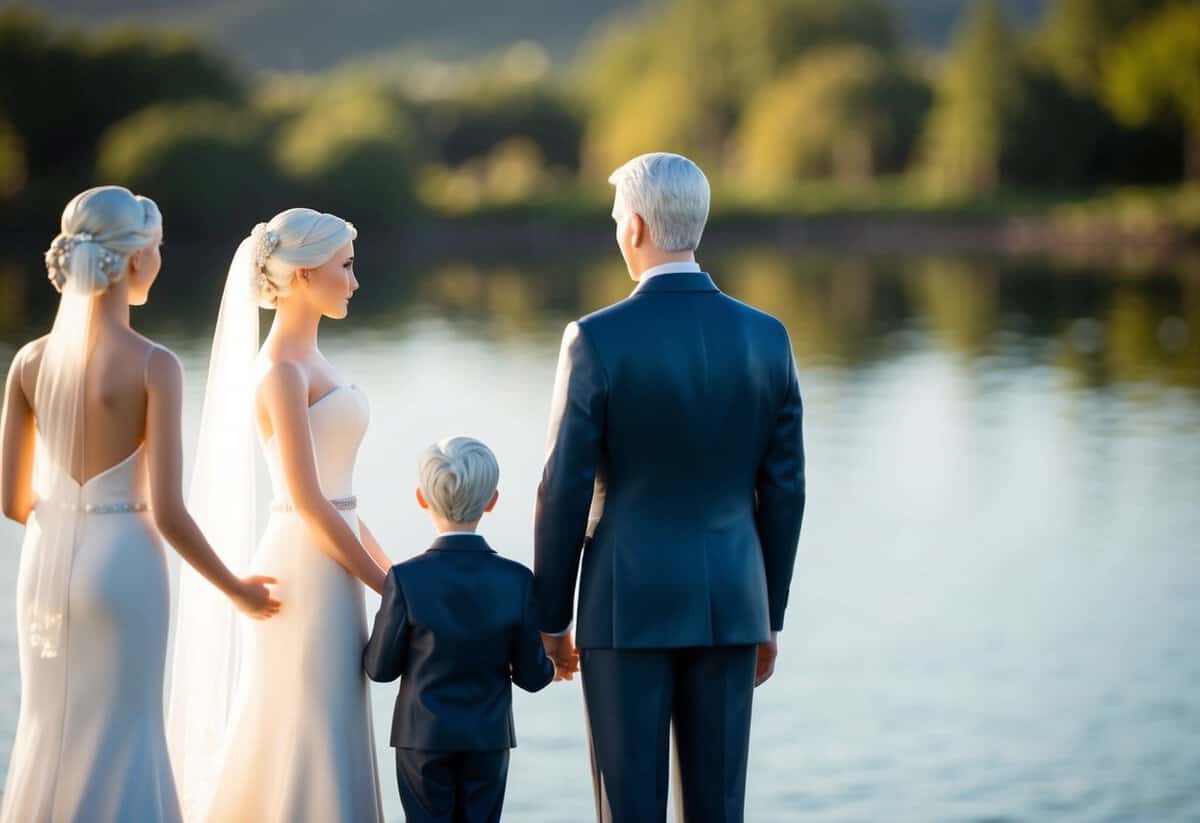
Having a family member witness your marriage not only adds a sentimental touch but also fulfills legal requirements in many places.
Witnesses must be adults who can confirm your union, making it essential to choose someone reliable who knows you well.
Choosing a family member as a witness can make your wedding day feel even more personal and meaningful. They can help create a warm atmosphere, reminding you of the support and love surrounding your commitment.
Understanding the Role of a Wedding Witness
Being a wedding witness is an important job. Your witnesses help to ensure that the marriage ceremony is legal and recognized. They play a key role in confirming that both parties agree to marry and understand what they are signing.
Witness Requirements and Legal Age
To be a wedding witness, there are a few important requirements. First, most places require witnesses to be at least 18 years old. This age limit ensures they are legally able to understand the importance of the ceremony and the documents involved.
Your witnesses also need to have the mental capacity to comprehend what is happening. They should not be impaired by drugs or alcohol.
If a family member meets these basic guidelines, they can certainly be a witness at your wedding.
The Number of Witnesses Required
The number of witnesses needed can vary by location, but typically, you will need at least two witnesses for your marriage to be legally binding.
This requirement is in place to ensure there are people who can confirm that the marriage took place. Some states might allow for just one witness, but having two is the common practice. Check your local laws to confirm the exact requirements where you live.
The Importance of Witness Signatures
The signatures of your witnesses are crucial for the legal recognition of your marriage.
After the ceremony, your witnesses must sign the marriage license. Their signatures serve as proof that they observed the ceremony and that both people entered into the marriage willingly.
Without these signatures, the marriage may not be valid in the eyes of the law. Including family members as witnesses can also add sentimental value to the day, making it more meaningful for everyone involved. So, if you choose family members, remind them of the importance of their role!
Who Can Serve as Your Wedding Witness?
Choosing who will witness your wedding is an important decision. You have several options, whether it’s friends, family, or even someone new. Understanding the rules and options can help you make the best choice for your special day.
Friends and Family Members as Witnesses
You can choose friends or family members to serve as your wedding witnesses. This includes siblings, parents, bridesmaids, groomsmen, or anyone close to you.
Having a family member as a witness can add a special touch to your ceremony. Family witnesses often symbolize support and love.
If you prefer friends, your maid of honor or best man are popular choices. They are already a part of your wedding party and can make your day more meaningful.
Remember, they need to be adults, usually at least 18 years old, depending on your location.
Restrictions on Who Can Be a Witness
While choosing witnesses may seem flexible, there are some important rules to keep in mind. Generally, the main restriction is that witnesses must be legal adults. In most places, this means they should be at least 18 years old.
Additionally, witnesses should not be impaired during the ceremony. Some states have specific requirements, such as needing to be mentally competent or not having a connection that could cause a conflict of interest.
Double-check the laws in your area to ensure your choices fit the criteria.
Choosing Your Witnesses Wisely
When selecting your witnesses, think carefully about who will represent you best on this important day. Consider their personalities and how they will add to the experience. You want witnesses who are supportive and excited about your marriage.
Take the time to ask someone to be a witness personally. A heartfelt request can help make them feel special and valued. You can let them know what the role means to you.
Remember, your witnesses will help make your wedding day memorable, so choose wisely!
The Legal and Ceremony Aspects of Witnessing a Wedding
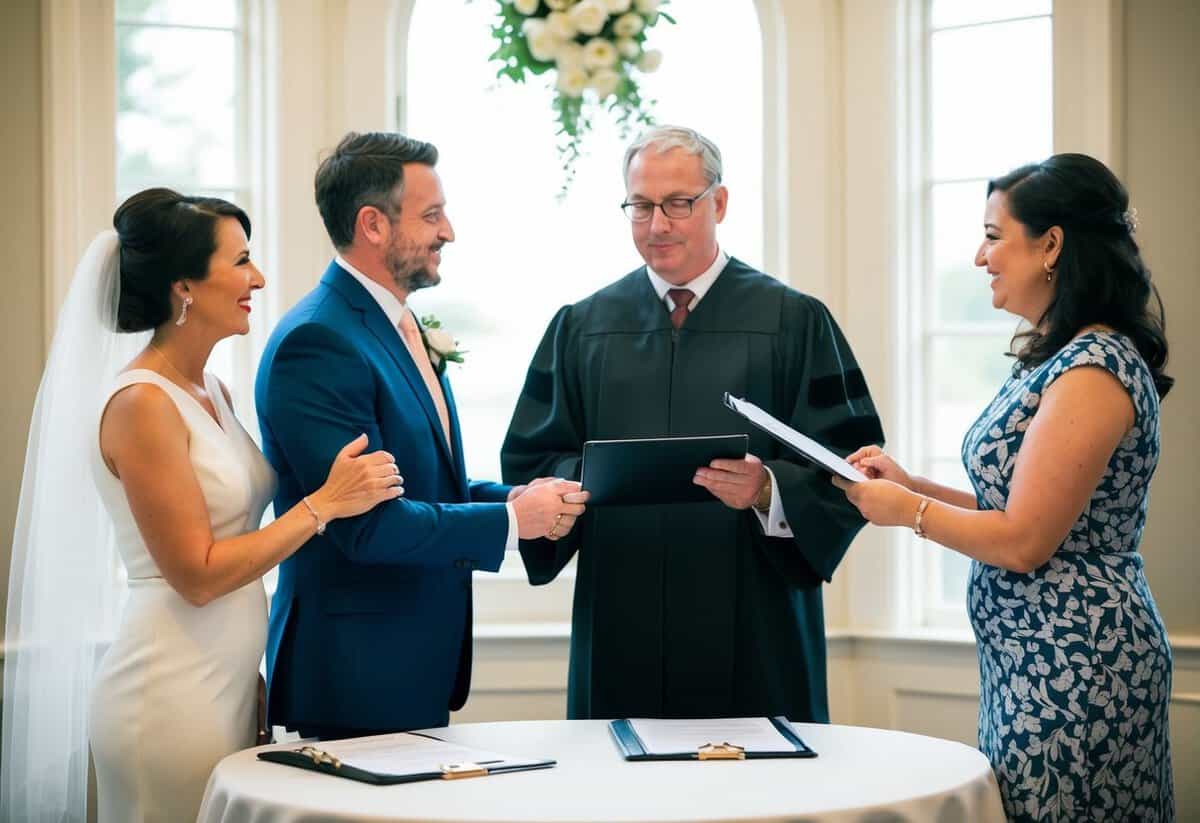
Being a witness at a wedding is not just a symbolic role. It comes with important legal aspects and requirements that ensure your marriage is recognized by law.
Marriage License and Documentation
Before you tie the knot, you need a marriage license. This legal document is essential for your wedding ceremony. It’s usually obtained from a local government office.
Both you and your partner must provide identification and complete an application.
You will often need a witness to sign the marriage license during the ceremony. This signature confirms that the wedding occurred.
After the ceremony, the completed license is filed to create your official wedding certificate, which serves as proof of your marriage.
Civil and Religious Ceremony Differences
The requirements for witnesses can differ depending on whether you have a civil or religious ceremony.
In a civil ceremony, witnesses are typically required as part of the legal process. In many jurisdictions, witnesses must be adults who understand what their role involves.
For religious weddings, such as those performed in the Church of England, the requirements may change. You may have specific guidelines regarding who can serve as a witness.
Always check the rules for your chosen ceremony type to ensure your marriage documentation is valid.
Electronic Signatures and Legal Documentation
In today’s digital age, people are using electronic signatures more in marriage documentation. Some regions allow electronic signing of marriage licenses. This makes the process easier, especially during busy times or for remote ceremonies.
However, rules about electronic signatures can vary widely. You need to verify whether your jurisdiction recognizes them.
Ensure that all legal documents, whether signed electronically or traditionally, meet local legal requirements. This is essential to maintain the validity of your marriage and related legal documents, like wills or other commitments.