
Can Guys Stand on the Bride’s Side? Exploring Modern Wedding Traditions
Weddings are special days filled with joy and personal choices. You might wonder about the traditions surrounding who stands where during the ceremony. Yes, guys can absolutely stand on the bride’s side! This modern trend allows friends and family to support the bride and showcase their unique relationships.
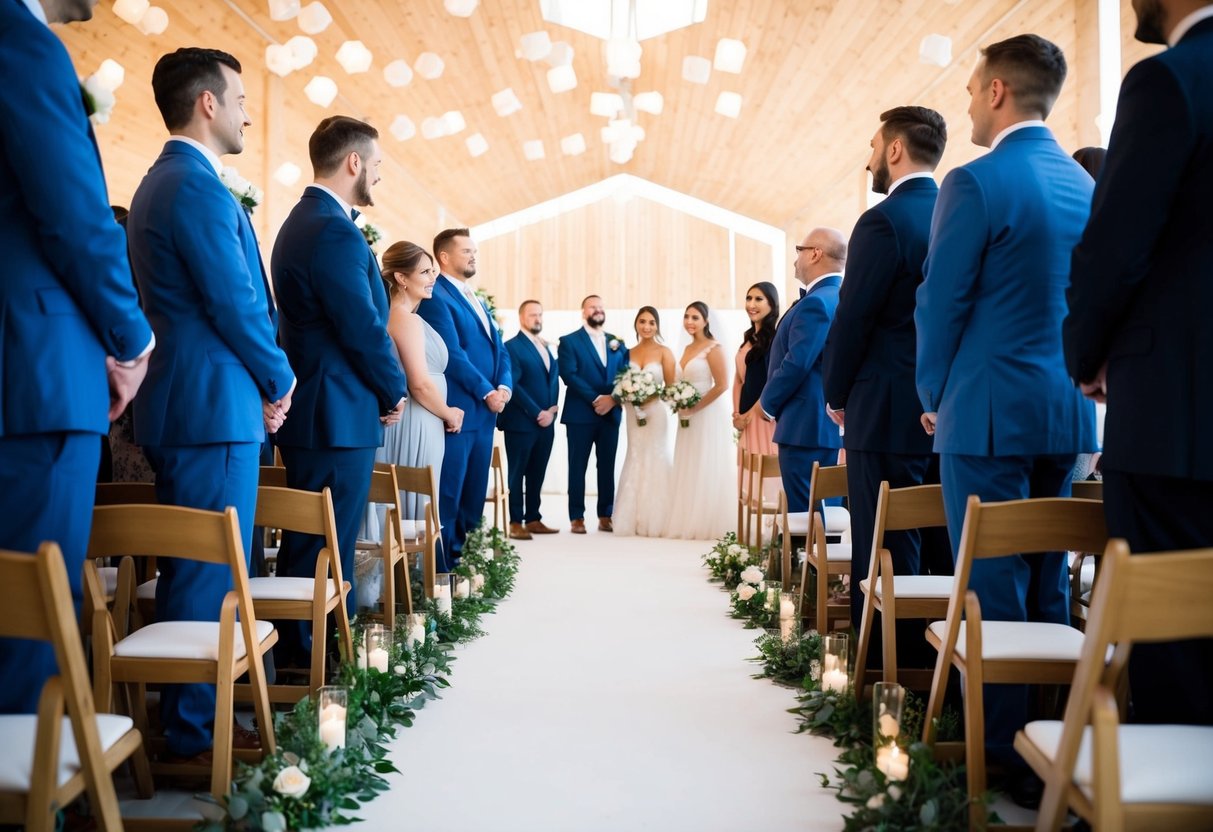
Traditionally, the groom’s party stands on one side during the wedding ceremony, while the bride’s side features her bridal party and loved ones. However, many couples today choose to break away from these customs.
Whether it’s a close male friend, a family member, or a “bridesman,” having men stand by the bride can reflect your personal beliefs and values in a meaningful way.
As you plan your wedding day, consider what feels right for you. It’s your celebration, so make choices that honor your relationships and bring you happiness. By including guys on the bride’s side, you can create a vibrant and inclusive atmosphere that everyone will remember.
Understanding Wedding Ceremony Traditions
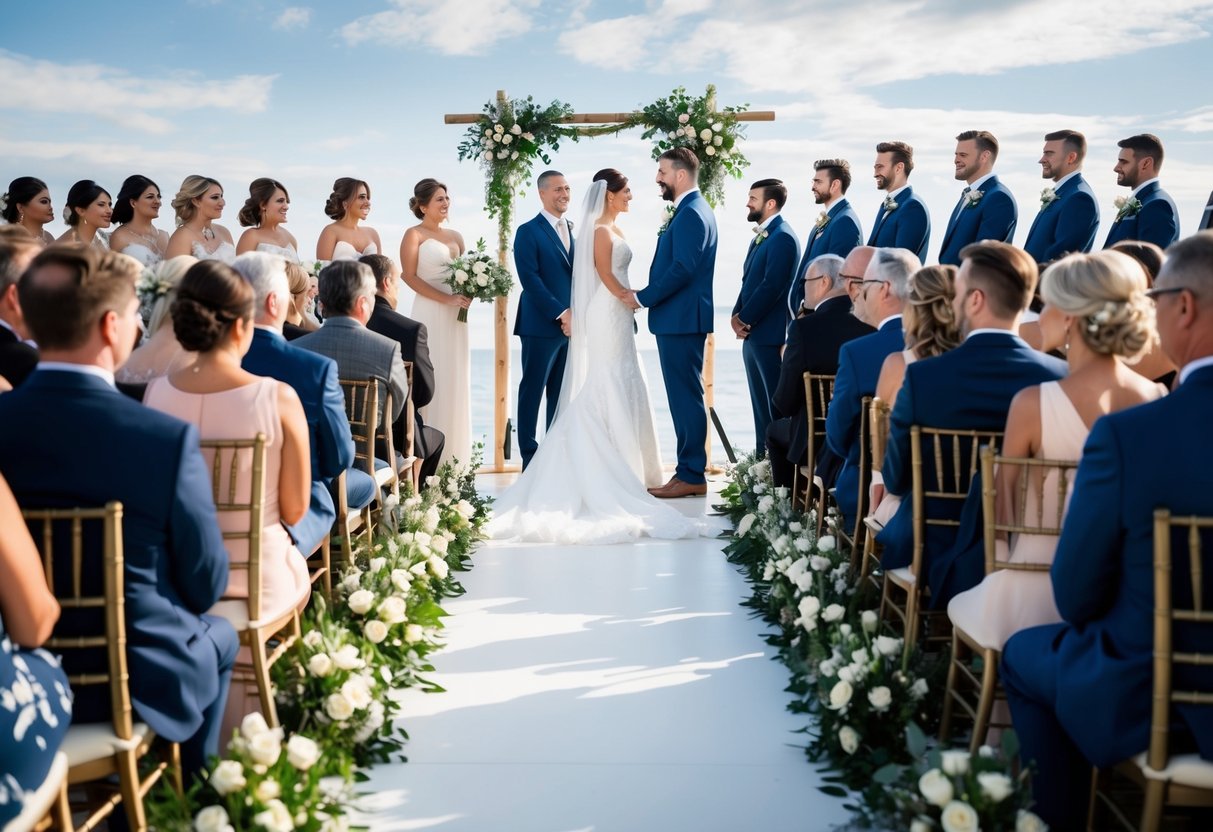
Wedding ceremonies often have specific traditions regarding the placement of the bride and groom. These customs reflect historical significance and vary greatly across cultures. Understanding these practices can enhance your appreciation of wedding roles and the meaning behind each position.
Historical Significance of Bride and Groom Placement
Traditionally, in many cultures, the bride stands on the left side of the altar. The groom stands on the right, which is said to symbolize that the groom’s heart is on his left side. This setup is prominent in Christian wedding ceremonies.
In the past, the positioning also had practical reasons. For example, during marriage by capture, the groom needed his right hand free to defend himself while claiming the bride. These historical insights give depth to the customs still observed today.
Cultural Variations in Wedding Ceremonies
Wedding traditions can vary widely based on cultural backgrounds. In a traditional Hindu wedding, the bride often moves from the groom’s right to his left side during the ceremony, signifying her new role in the family.
In Jewish wedding ceremonies, the bride stands on the right and the groom on the left. This reversal highlights different cultural practices and meanings behind placement. Embracing these cultural traditions allows you to honor diverse practices that enrich the wedding experience.
The Role of Personal Preference in Modern Weddings
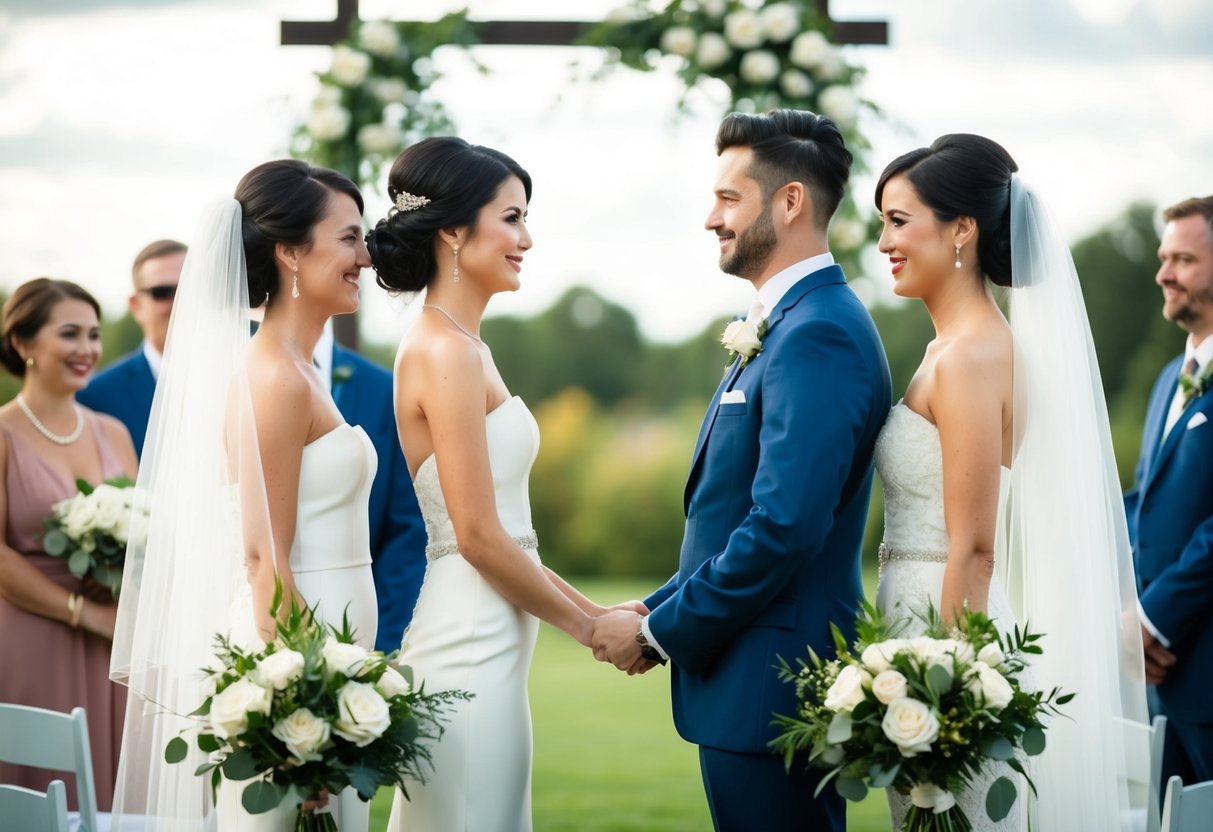
Personal preference plays a big part in how you choose the sides for your wedding party. In today’s weddings, you can mix tradition with what feels right for you and your loved ones.
Choosing the Bride’s Side or Groom’s Side
When deciding whether guys can stand on the bride’s side, consider what fits your vision. If you have a close male friend, a bridesman can add a special touch. This choice reflects a shift in wedding traditions and shows that roles are changing.
In outdoor weddings or relaxed settings, strict rules about sides often fade away. You might choose a more personal setup that highlights your cherished relationships. Whether you prefer a traditional look or a modern twist, remember it’s your day and your choice that truly matters.
Navigating Bridal Party Positions
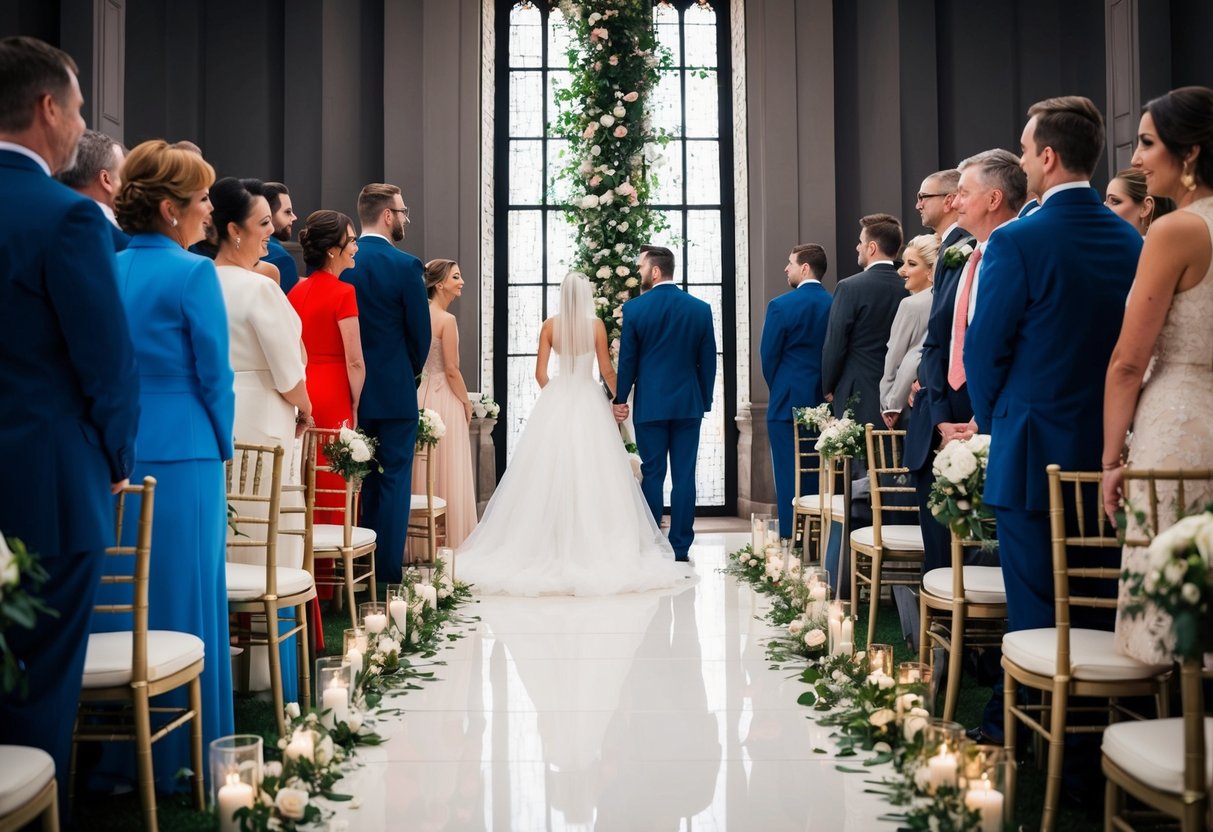
When planning your wedding, understanding the positions of your bridal party can help create a memorable ceremony. You have the flexibility to make arrangements that reflect your style and break from tradition if desired.
Bridesmaids and Groomsmen Arrangements
Traditionally, during the wedding processional, groomsmen stand on the right side and bridesmaids on the left. This setup visually balances the bridal party and enhances the overall look of the ceremony.
If you want to mix things up, consider alternative arrangements. You might choose to have a few male friends stand on the bride’s side, symbolizing unity and modern inclusivity.
To keep it organized, create a simple list of who will stand where. This will help your wedding planner and guests know what to expect. Whether you stick to tradition or go for a mixed approach, the goal is for everyone to feel comfortable and celebrate your special day.
The Man of Honor and Bridesman Concept
The concept of a “man of honor” or “bridesman” is gaining popularity. If you have a close male friend you want by your side, this role is perfect for him. He can stand next to you during both the ceremony and the reception.
This arrangement allows for a more personalized wedding experience. It shows that friendships are important, regardless of gender.
Make sure to communicate clearly with your bridal party about their roles. Explain what they will do during the processional and recessional, ensuring everyone is on the same page. By embracing these modern roles, you create a more inclusive atmosphere for everyone involved.
Incorporating Symbolism and Ceremony Details
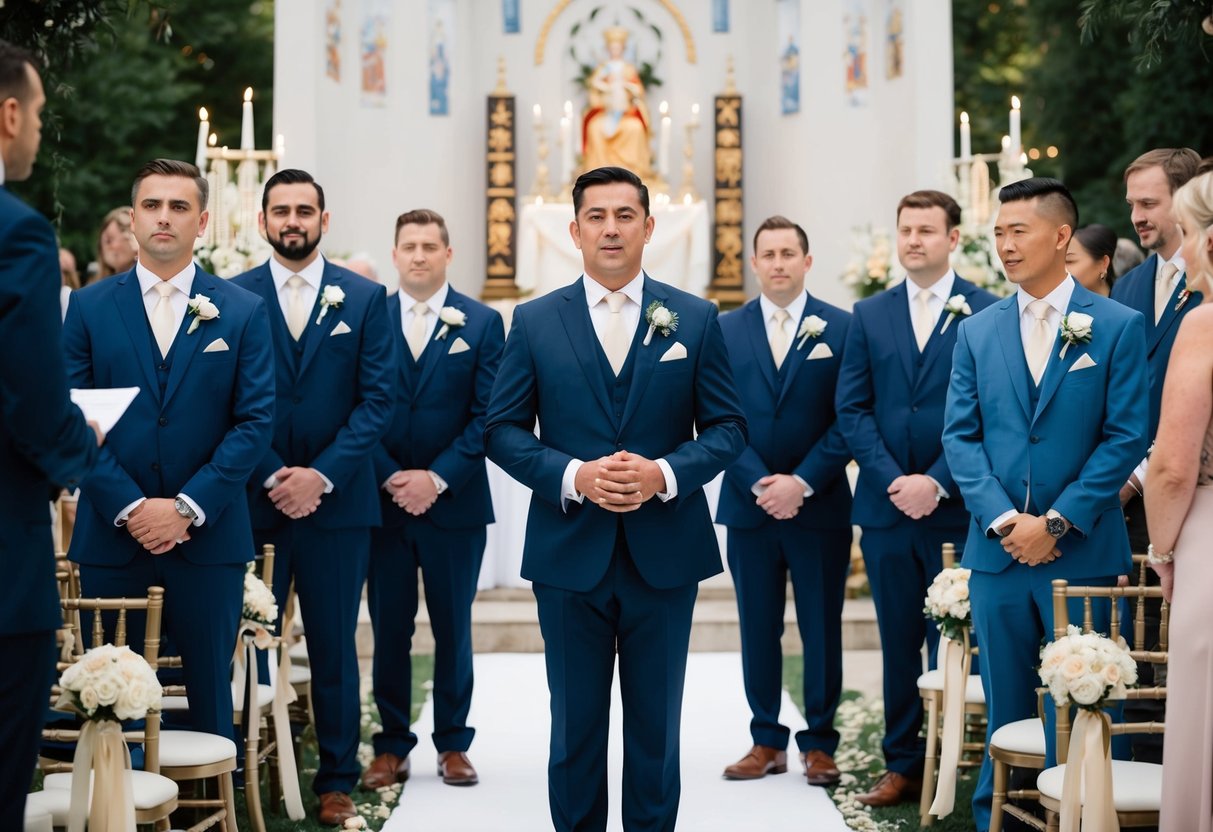
Every detail in a wedding ceremony carries meaning. Understanding the significance of rings, vows, and the arrangement of people can enhance your experience. This focus not only highlights love and unity but also personalizes your special day.
Significance of Rings and Vows
Wedding rings are symbols of eternal love. Traditionally, they are worn on the ring finger, where the vena amoris runs directly to the heart. This connection represents your bond and commitment to each other.
As you exchange vows, it’s a pivotal moment that expresses your promises. Your words reflect unity and strength in your relationship.
It’s essential to choose vows that resonate with your feelings and values. Whether you write your own or choose traditional ones, make sure they truly represent your journey together.
Seating and Processional Order
The seating arrangement sets the tone for the ceremony. In many traditions, the bride’s family sits on the left and the groom’s on the right. This leads to a well-organized appearance, making it easier for guests to find their places.
During the processional, the order of entrance matters too. The bride traditionally walks down the aisle last, often accompanied by her father or both parents. This moment symbolizes the transition from single life to married life. You can personalize this process, like having friends or family involved, making it uniquely yours.
The sweetheart table at the reception afterward also emphasizes your unity, providing an intimate space just for the couple.