
Can I Hold a Wedding on My Property? Essential Tips for a Memorable Celebration
Hosting a wedding on your property can add a personal touch to your big day. However, you must first check local regulations and permits. Many people can indeed hold a wedding at home. This option not only allows for beautiful customization but can also create cherished memories in a familiar setting.

While at-home weddings offer a unique charm compared to traditional venues, you should also consider potential property damage and any necessary preparations. Planning details like seating, lighting, and catering can turn your space into the perfect backdrop for your celebration. Embracing the familiar can make your special day feel even more intimate and meaningful.
Getting Started with Your Property Wedding
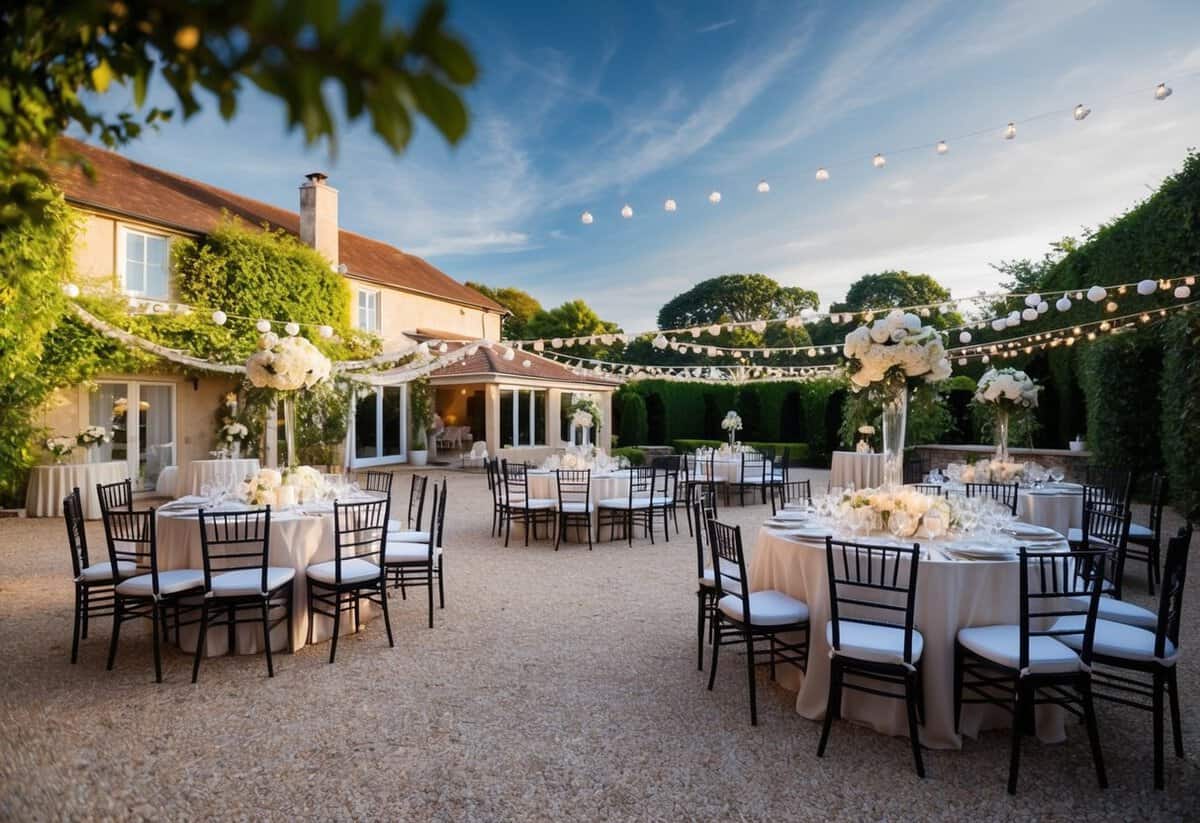
Hosting a wedding on your property can be a rewarding experience, but it involves planning and compliance with local laws. You must understand zoning regulations and ensure you have the right insurance to protect your space and guests.
Understanding Zoning and Permits
Before you dive into planning, check your property’s zoning laws. These regulations vary by county and can determine if you can hold events like weddings on your land.
Key steps to consider:
- Research Zoning Laws: Visit your local zoning office or website for specific rules about events on residential properties.
- Apply for Permits: Secure the necessary permits. Some counties require a special use permit or a variance for events.
- Speak to Neighbors: Let your neighbors know about your plans. Keeping them informed can help prevent issues on the event day.
Understanding these factors can help you avoid fines or disruptions during your celebration.
Insurance and Liability Considerations
Protecting yourself with insurance is crucial when hosting a wedding. Accidents can happen, and you want to ensure your property is covered.
Consider these insurance options:
- General Liability Insurance: This covers property damage and injuries that occur during the event.
- Event Cancellation Insurance: This protects you if you need to cancel the event for unforeseen reasons.
- Consult an Attorney: To navigate insurance policies and liability risks, it may be wise to talk with an attorney who specializes in property or event law.
By taking these precautions, you can enjoy your special day without unnecessary worries.
Planning and Logistics
When planning a wedding on your property, effective coordination and setup are essential for creating a beautiful and functional space. You need to think about both event support and how to set up your venue to meet your needs.
Event Coordination and Support
First, you’ll want to coordinate with vendors. This includes caterers, decorators, and entertainment. Make a list of everything you need and reach out to potential vendors early. Be clear about your vision and discuss contracts to avoid any misunderstandings.
Consider these important aspects:
- Catering: Will the caterer need a kitchen setup?
- Parking: Plan for enough parking space to prevent traffic issues.
- Noise Ordinances: Check local laws to avoid complaints from neighbors.
- Trash: Set up trash stations to keep the area tidy throughout the event.
Having a reliable event coordinator or helper can make a big difference.
Venue Setup and Maintenance
Preparing your property is key. Start with landscaping. Mow the lawn and ensure paths are clear. Adding some decorations that fit your theme can enhance the rustic charm of your backyard wedding.
Don’t forget about these elements:
- Structures: If you are renting a tent, ensure it is properly set up.
- Lighting: Consider how lighting will affect your evening reception.
- Maintenance: Have a plan for sharp edges or wet grass.
Keeping your space clutter-free and well-maintained will create a welcoming atmosphere for your guests.
Enhancing Your Wedding with Special Touches
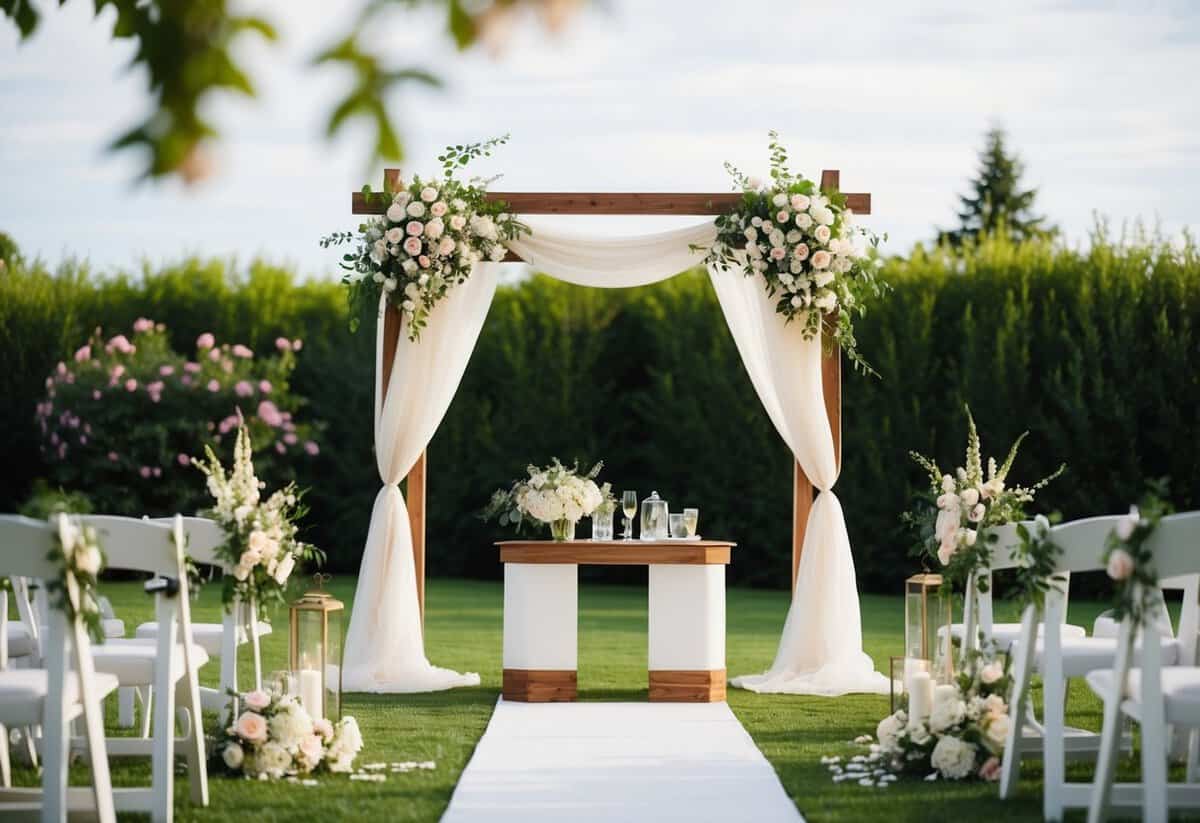
Personalizing your wedding on your property allows you to create a day that feels truly yours. From charming themes to accommodating amenities for guests, small details can make a big impact.
Creative Themes and Decorations
Choosing a creative theme adds character and charm to your wedding. You might opt for a rustic wedding style that makes the most of your natural surroundings.
Think about using elements like flowers, burlap, and wooden signs to create a warm, inviting atmosphere. Incorporate your favorite colors into the decorations to reflect your personality.
Use lighting to set the mood. String lights or lanterns can transform your space as the sun sets, creating a magical feel.
Take advantage of photo opportunities with backdrops that tie into your theme. Capture special moments that stand out, making your wedding day unforgettable. Check resources like The Knot for inspiration and planning ideas that suit your style.
Building Amenities for Guests
Ensuring your guests are comfortable is key to a successful wedding. Portable restrooms or a restroom trailer can elevate their experience, giving them a clean and convenient place to freshen up.
When planning, think about creating cozy seating areas. This allows guests to relax and socialize throughout the event. Arrange outdoor furniture or picnic blankets for a fun and casual vibe.
Consider providing refreshments, like beverages and light snacks. This small touch can keep guests happy and engaged, especially during waiting periods.
Remember to use your website for marketing the details. Share instructions on parking and venue layout ahead of time to keep everything running smoothly. Your guests will appreciate the thoughtfulness behind these special touches.
Financial Considerations of Home Weddings
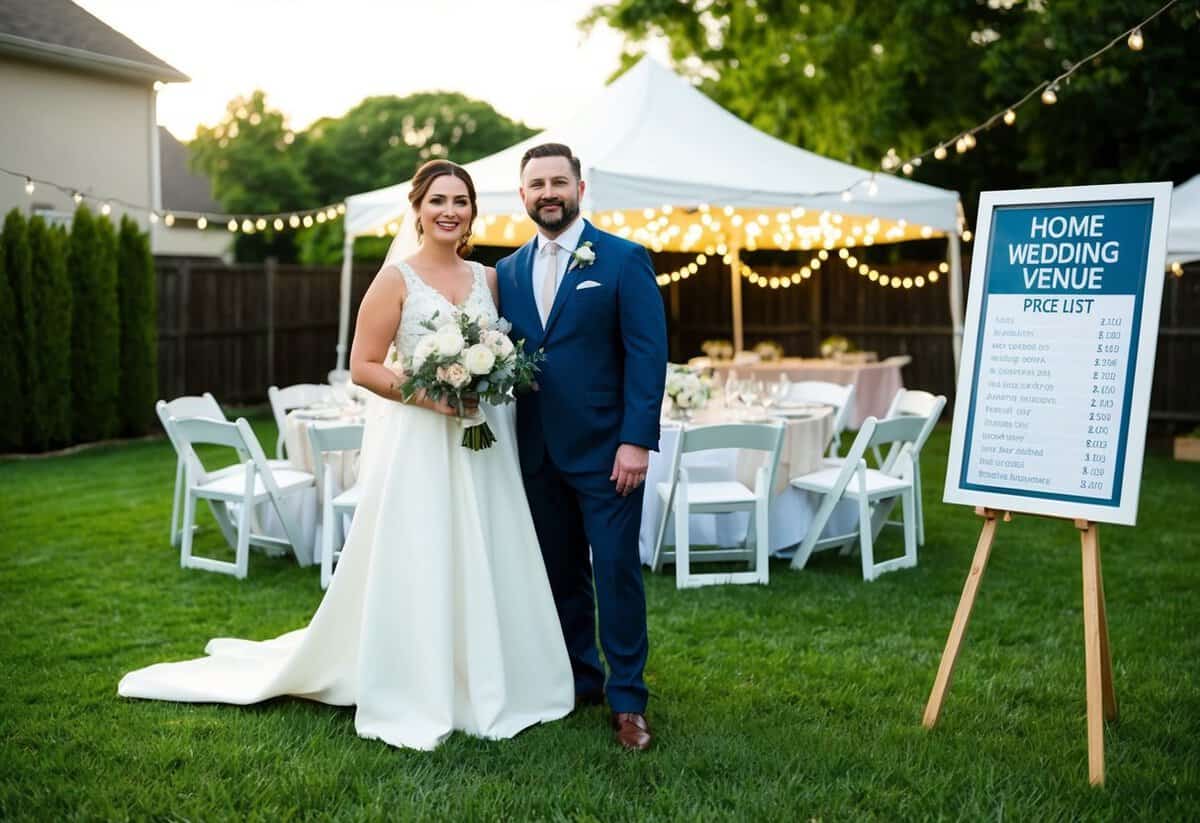
Hosting a wedding at home can be a delightful way to personalize your celebration while keeping costs in check. However, there are key financial elements to consider that can impact your budget.
Understanding the Costs Involved
When planning a home wedding, start by outlining your expenses. Costs can vary greatly, depending on your vision and the size of your guest list.
Key expenses may include:
- Venue preparations: You might need to invest in landscaping, cleaning, and setting up spaces.
- Permits and licenses: Check local regulations to see if you need permits for gatherings.
- Insurance: Consider liability insurance to protect against accidents.
- Rental fees: If you need tables, chairs, or tents, these rentals can add to your budget.
Creating a clear budget will help you stay within your financial limits and avoid unexpected costs.
Managing Vendor Contracts and Payments
Choosing vendors and managing contracts is crucial for the success of your home wedding. Start by reaching out to various suppliers for price quotes.
Important tips include:
- Review contracts carefully: Make sure you understand each fee and what it covers. Look out for cancellation policies and payment schedules.
- Negotiate fees: Many vendors may adjust their prices, especially if you’re booking multiple services.
- Payment plans: Discuss flexible payment options to ease your budget pressure.
Stay organized by tracking vendor details, payment deadlines, and any special requirements they may have. This will help ensure a smooth process leading up to your special day.