
Can I Not Invite My Mom to My Wedding? Navigating Family Dynamics on Your Special Day
Deciding the guest list for your wedding can be one of the most challenging parts of wedding planning, especially when it involves immediate family.
You have every right to make the decision not to invite your mom if you feel that is the best choice for your happiness and peace on your special day. Family dynamics can be complex, and it’s important to prioritize your well-being.

If you’re dealing with a strained relationship, it’s natural to wonder how to approach this situation. Many people face similar feelings about inviting family members who may bring negativity or stress. You’re not alone, and there are ways to navigate these tough choices while still being respectful and considerate.
Knowing that your wedding is a celebration of love, you should focus on surrounding yourself with those who uplift you.
Remember, it’s your day, and crafting a guest list that reflects the support and joy you want can make all the difference. Think about what kind of atmosphere you desire and keep that in mind as you consider your options.
Evaluating Your Reasoning
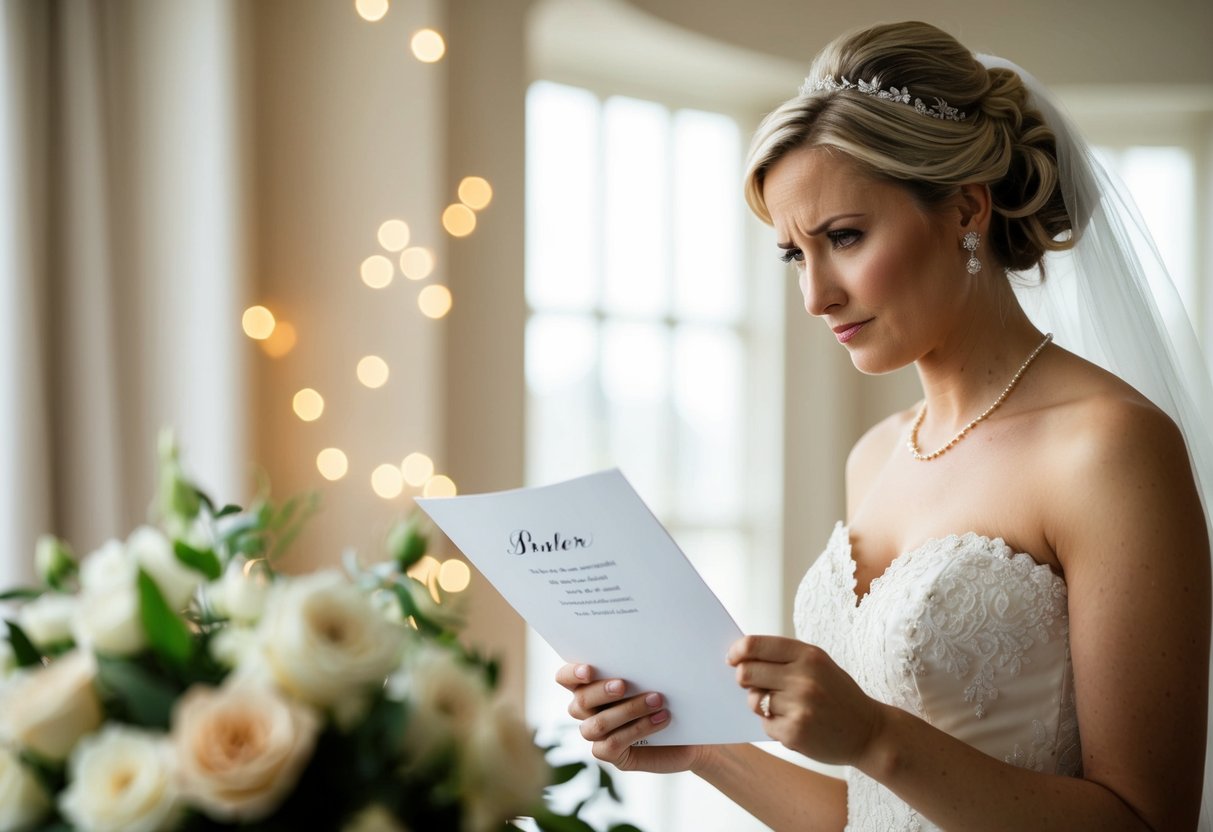
Making the choice to invite or not invite your mom to your wedding can be tough. It’s important to weigh your reasoning carefully. Consider how family dynamics, budget issues, etiquette norms, and personal feelings play a role in your decision.
Family Dynamics and Boundaries
Understanding your family dynamics is crucial. Consider your relationship with your mom and the history you share. If there has been ongoing conflict, acknowledge how that may affect your wedding day.
Setting boundaries is important too. If inviting her could lead to drama or stress, you might decide it’s best not to invite her. Knowing your limits helps you maintain peace on your special day. Prioritize what feels right for you.
Budget Constraints and Guest List Considerations
Budget constraints can greatly influence your choices. Weddings can be expensive, and each guest adds to the cost. If inviting your mom changes your budget significantly, think about what’s more important to you: financial stability or family presence.
Also, consider your guest list. If you have limited space or funds, be realistic about who you want to share this moment with. You might decide that not inviting your mom allows you to include closer friends or supportive family members.
Impact of Wedding Etiquette
Wedding etiquette often suggests including immediate family. However, this is your day. Remember that traditions can be flexible. If inviting your mom goes against your comfort level, feel empowered to break that norm.
It’s okay to prioritize your feelings. Many people face similar situations and navigate the complexities of etiquette. Focus on creating a day that reflects your values and happiness, rather than strictly adhering to what is “expected.”
Dealing with Guilt and Self-Awareness
Feeling guilty about not inviting your mom is common. Acknowledge these feelings but try not to let them dictate your decision. Self-awareness plays a key role in how you navigate this guilt.
Reflect on why you feel guilty. Are you worried about her feelings, or is it societal pressure? Understanding your emotions helps you build clarity. Remember, you have the right to make choices that serve your well-being and happiness. Your wedding is about celebrating you and your partner.
Handling Communication
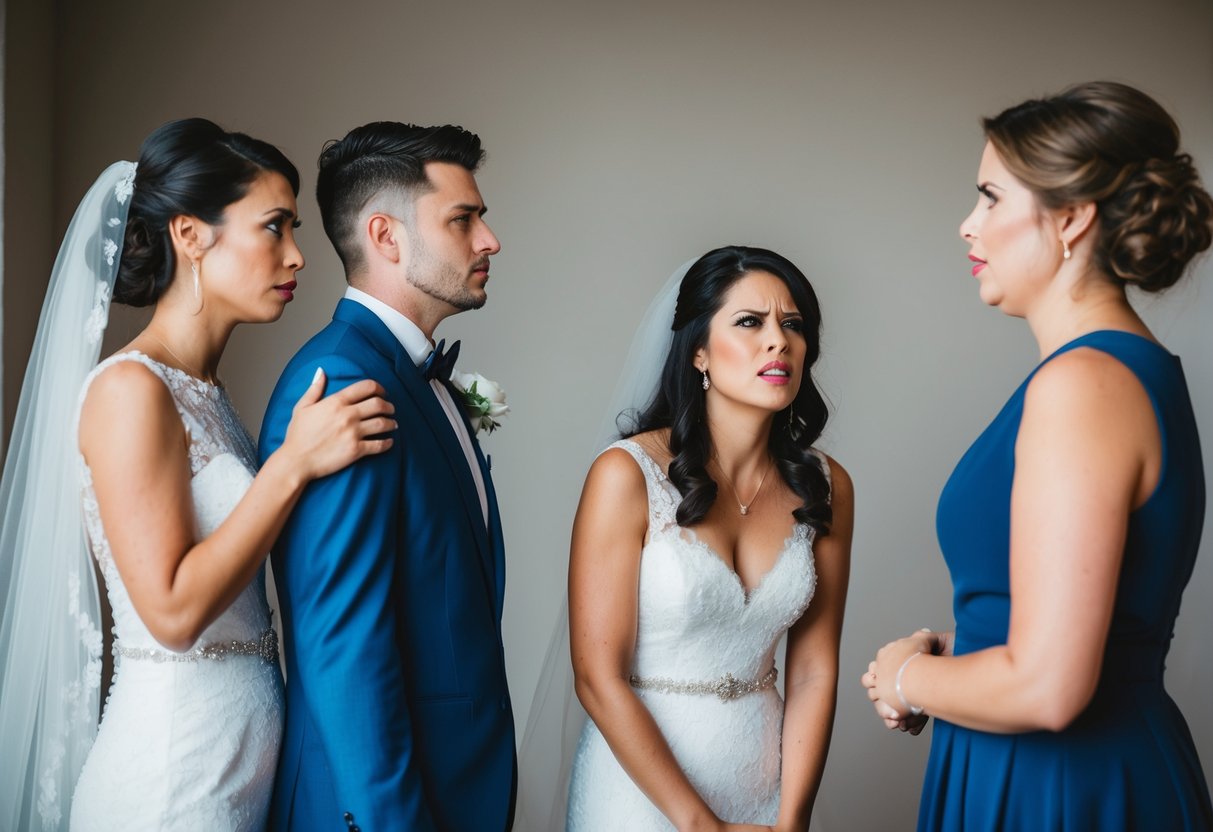
When deciding not to invite your mom to your wedding, clear and sensitive communication is crucial. You want to navigate this situation carefully to keep relationships intact while expressing your feelings and decisions.
Discussing Decisions with Immediate Family
Start by talking to your immediate family about your decision. Being open and honest can help avoid misunderstandings. Explain your reasons clearly, whether they involve strained relationships or personal choices.
Use calm language and remain respectful during these discussions. It’s important to listen to their feelings too. They may have strong opinions about the situation. Reassuring them that this decision isn’t a reflection of your love for them can help ease tensions.
For example, you might say, “I love you and value our relationship, but I’ve made this choice for personal reasons.” This can create a foundation for understanding.
Approaching Extended Family and Close Friends
Once you’ve communicated with immediate family, it’s time to consider how to handle extended family and close friends. When talking to them, keep the conversation straightforward and sincere.
Focus on expressing your feelings without going into too much detail. You can say something like, “I have decided to keep my wedding a small event and won’t be extending an invitation to everyone.”
This helps them understand it’s about your preferences, not a personal attack. Use empathy to address their possible feelings. Let them know you value their friendship and support.
Maintaining Relationships Post-Wedding
After the wedding, it’s important to work on maintaining relationships. You may face hurt feelings, so it’s what you do next that matters. Reaching out regularly can show you care.
Consider sending a thoughtful message or arranging a meeting to reconnect. Share memories from the wedding and reassure them of their importance in your life. This can help ease any residual tension.
If reconciliation is possible, mention it. Let them know you’d be open to spending time together, reinforcing that your boundaries don’t lessen your love and respect for them. Communication and effort will go a long way in healing any strains.
Managing the Wedding Day
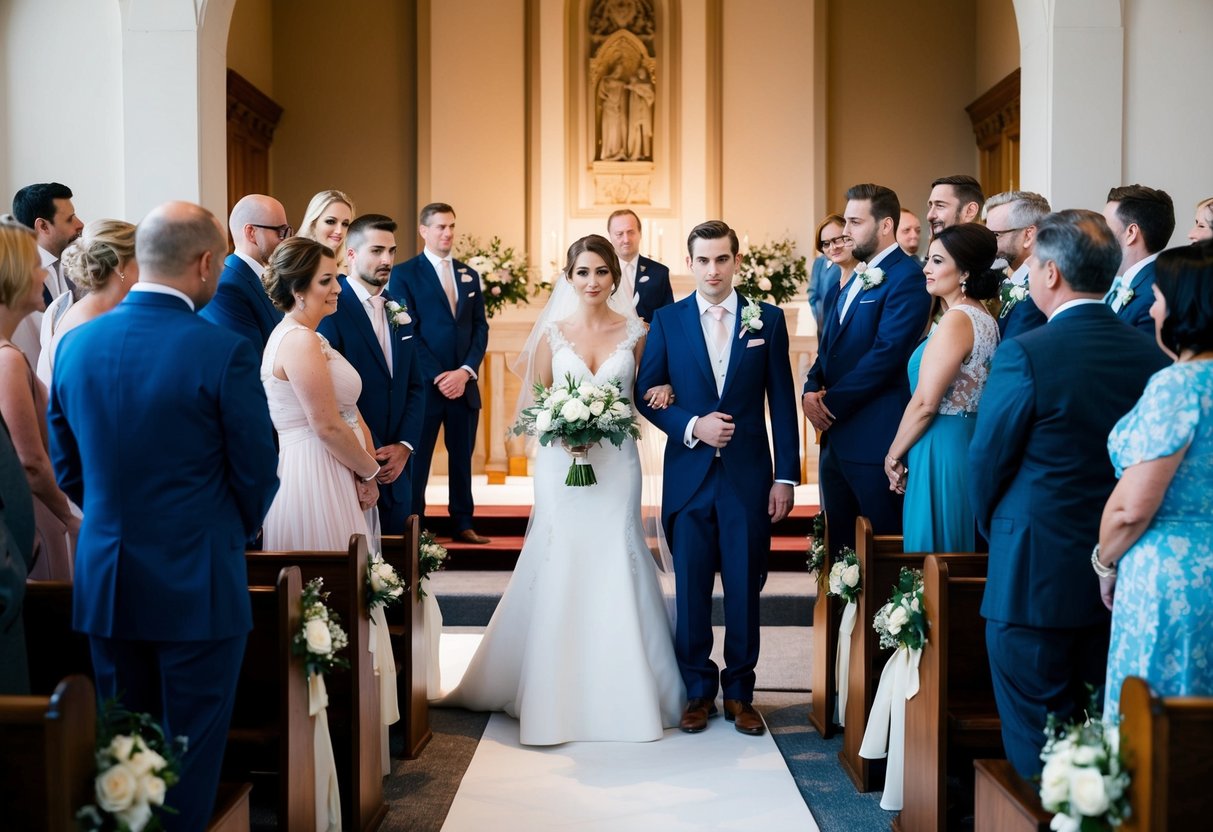
Your wedding day is special and should reflect your wishes. If you’re not inviting your mom, managing the day effectively can make a huge difference. Here are some key points to think about when it comes to navigating family dynamics and ensuring your joy shines through.
Navigating Family Drama on the Big Day
Family drama can surface during wedding events. If you choose not to invite your mom, prepare for potential reactions from relatives. It’s important to set clear boundaries. Communicate openly with your family about your decision.
Consider designating a trusted friend or family member as a point person. They can help manage any tensions, allowing you to focus on your celebration. If awkward situations arise, have a plan in place to deal with them calmly.
Also, think about your seating arrangements. Keep peace in mind by placing family members who may clash far apart. You can control the environment to put everyone at ease.
Focusing on Your Experience and Joy
Your wedding day should center around you and your partner. Embrace the moments that bring you happiness. Pay attention to what makes you feel good, from the decorations to the music.
When planning, include elements that reflect your personality. List out your favorite songs, foods, and activities. This helps create a day tailored to you.
Don’t forget to take time for yourselves amidst the busyness. Schedule brief moments alone together during the event. It can be a refreshing break to catch your breath and soak it all in.
Lastly, surround yourself with supportive people. Have friends who uplift you and share in your joy. This focus will enhance your overall experience and help you enjoy your wedding day to the fullest.