
Can Parents Be Witnesses at a Wedding in the UK? Understanding the Rules and Guidelines
Choosing your wedding witnesses is an important decision. You may wonder if your parents can take on this role. In the UK, parents can be witnesses at your wedding. This makes it a wonderful way to include them in your special day. Witnesses are not just there for show. They have a legal responsibility to sign the marriage register. This confirms that the ceremony was conducted properly.
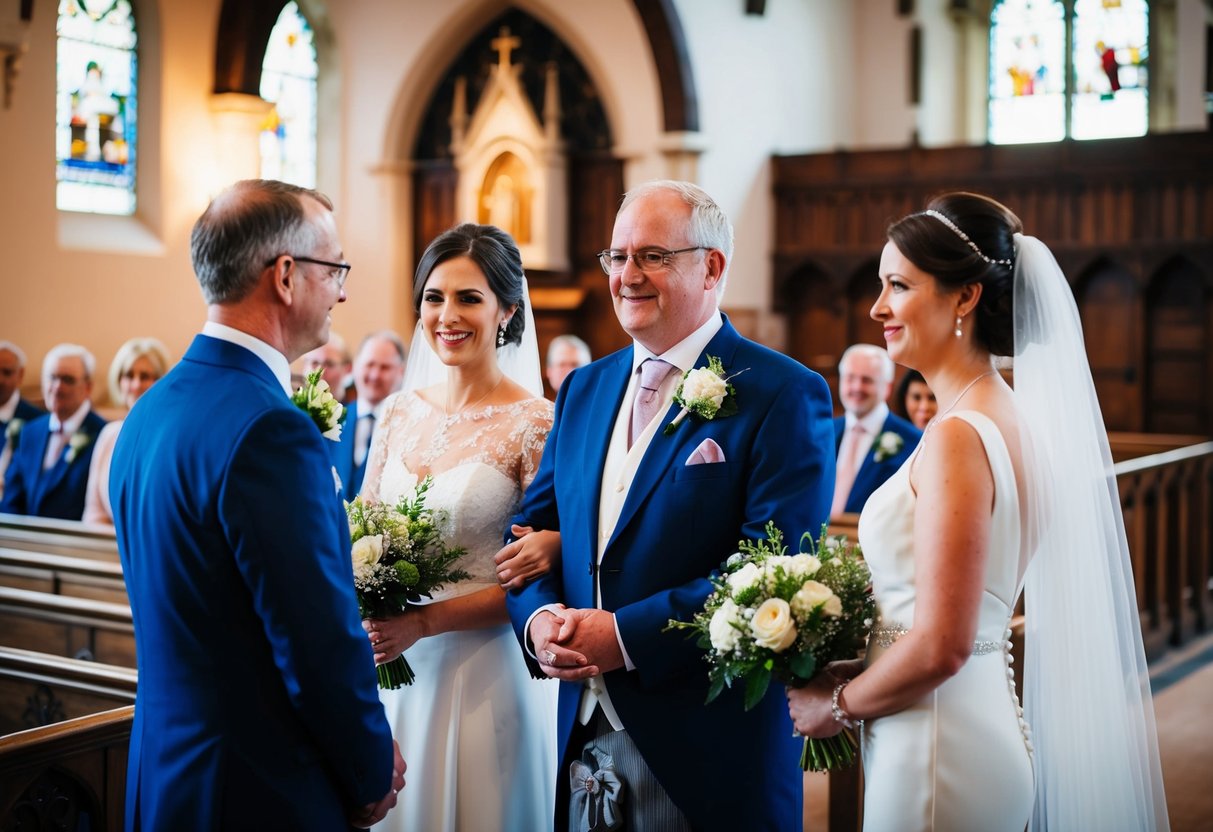
When planning your ceremony, think about the support and love your parents can offer as witnesses. They need to be at least 18 years old and understand the proceedings of the wedding. This includes the significance of the event. So, it’s a great idea to have parents who can share in these meaningful moments.
From the laughter to the tears of joy, having your parents beside you as witnesses adds a special touch to your wedding ceremony. They help fulfill the legal requirements while also standing by you as you commit to a lifetime of love.
Understanding the Role of Witnesses in a Wedding
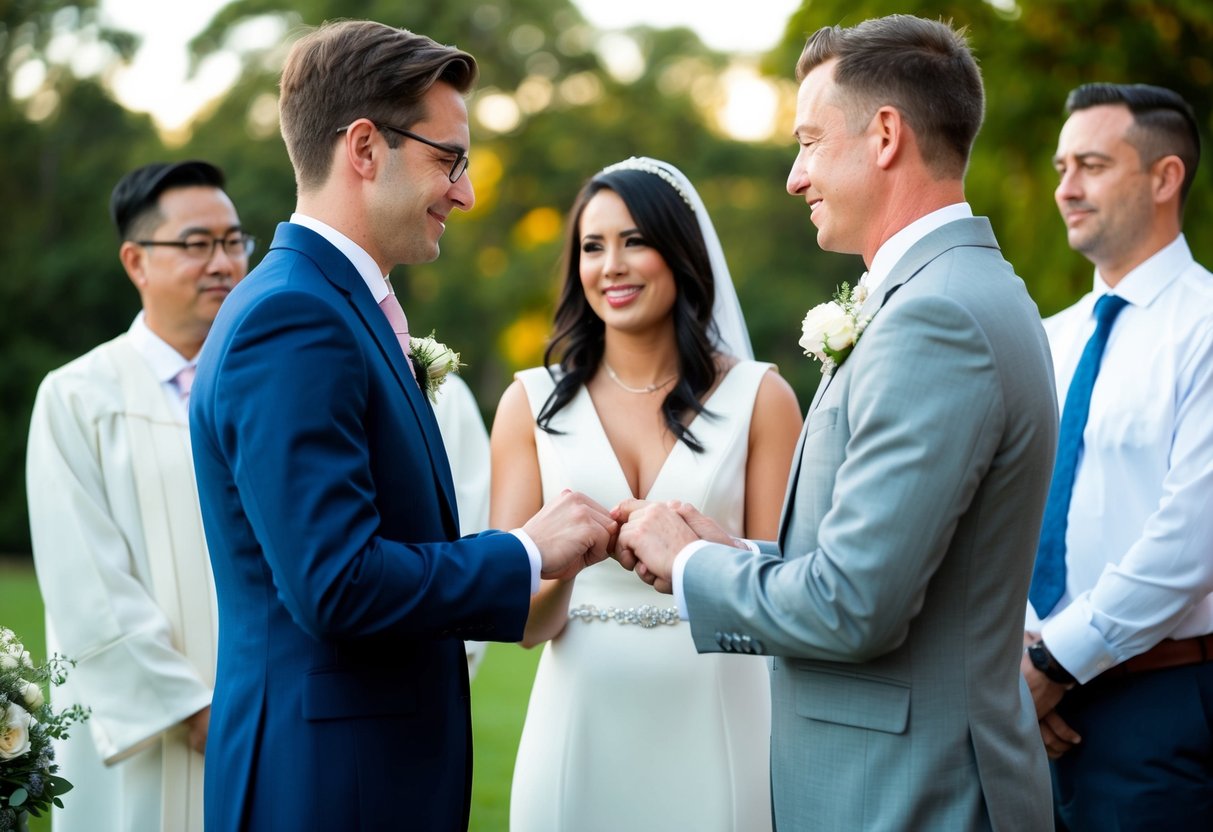
Witnesses hold an important role in a wedding ceremony. They help make the marriage legal and official. Knowing what is expected from them can help ensure everything goes smoothly on your special day.
Legal Significance of Wedding Witnesses
In the UK, witnesses are crucial for the legal aspect of your wedding. To have a valid marriage, at least two witnesses must be present during the ceremony. This is required by law to confirm the marriage’s authenticity.
Witnesses must be at least 16 years old. They can be family members, friends, or even acquaintances. Their primary role is to sign the marriage certificate after the ceremony. This signature confirms that they witnessed the vows exchanged. Without this step, the marriage may not be recognized legally.
Responsibilities of a Wedding Witness
As a wedding witness, you have specific responsibilities to fulfill. First, you should arrive on time, as your presence is essential for the ceremony to proceed legally.
During the ceremony, your main duty is to observe the couple’s vows. After the wedding, you will need to sign the marriage certificate.
It’s also a wonderful opportunity to support your loved ones. Being a witness can enhance the celebratory nature of the event. You might also take photos or participate in small rituals, depending on the couple’s wishes.
Involving parents or close friends as witnesses can add a personal touch to the ceremony. This reinforces the importance of family and friendship in the commitment being made.
Who Can Serve as a Witness at a UK Wedding?
When planning your wedding in the UK, it’s important to know who can serve as a witness. Various rules apply, especially regarding eligibility, age, and language skills. Understanding these aspects will help you choose the right people for this special role.
Eligibility of Parents as Witnesses
Yes, your parents can serve as witnesses at your wedding. They fit the requirements, as there are no restrictions on family members acting in this role. Selecting your parents may add a meaningful touch to your ceremony, making it even more special.
Witnesses must be at least 18 years old. So, as long as your parents meet this age requirement, they are eligible. Fortunately, almost everyone understands the significance of being a witness and will take it seriously.
Number and Age Requirements for Witnesses
In the UK, you need at least two witnesses for your wedding. This rule applies to both civil and religious ceremonies.
Your witnesses must be over the age of 18. This age requirement ensures they can legally acknowledge and sign the marriage register.
While you can have more than two witnesses, having just two is enough to validate the marriage. It’s a good idea to ask people who mean a lot to you and will remember this day.
Language Abilities of Witnesses
Witnesses at a UK wedding must be able to speak and understand English. This requirement helps ensure that they grasp the proceedings and the importance of their role.
If your ceremony is conducted in another language, your witnesses should still understand English. This way, they can follow along, sign the marriage register, and ensure everything is legally binding.
Make sure to keep these language skills in mind when selecting your witnesses. Choosing individuals who can communicate effectively in English will help prevent any misunderstandings during the ceremony.
The Legal Process And Documentation for Witnesses
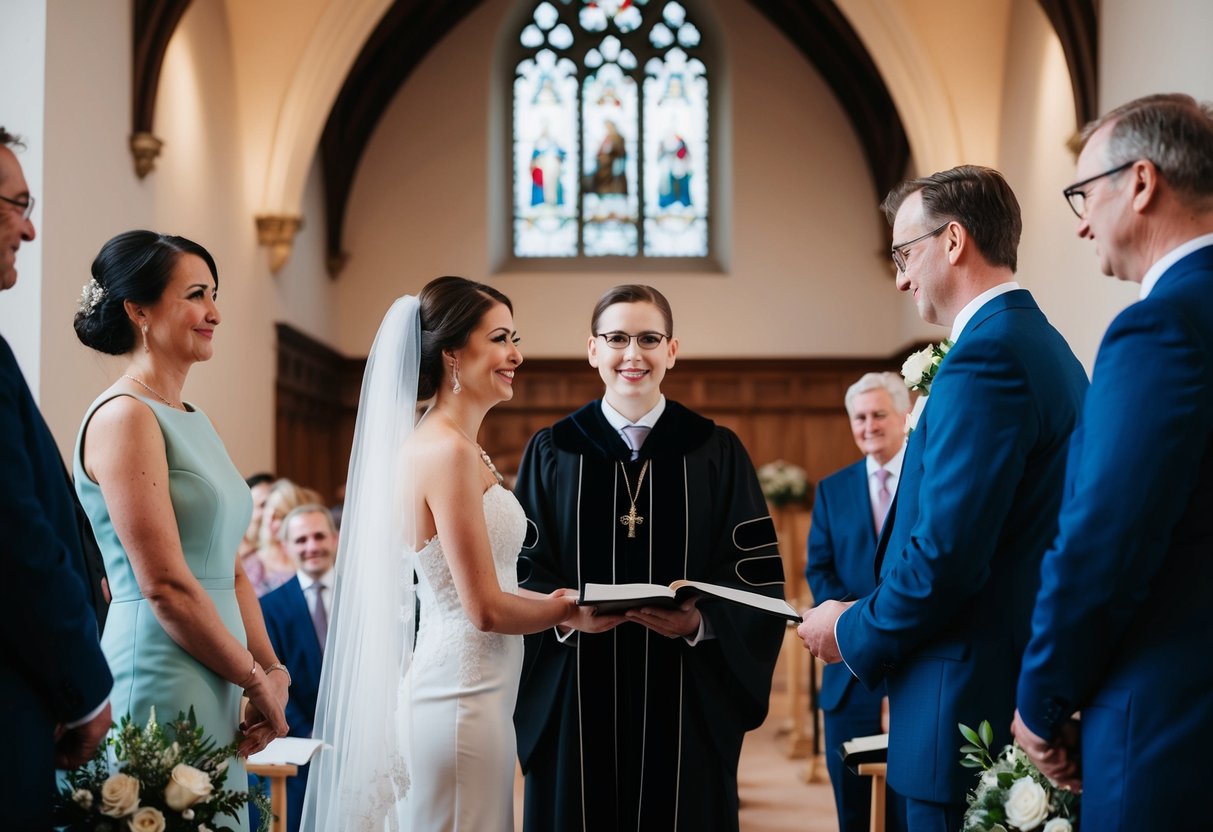
When planning your wedding in the UK, understanding the legal process for witnesses is important. This includes giving notice, obtaining a marriage license, and ensuring proper documentation is completed.
Giving Notice and Marriage License Procedures
Before your wedding, you and your partner must give notice to the local registry office. This notice must be done at least 28 days before the wedding. Both of you should attend the appointment together.
You’ll need to bring valid identification, such as a passport or driver’s license. It’s also important to have proof of address, like a utility bill. Your couple’s details will be entered into the marriage register. This process makes your wedding legally binding.
Witness Signatures on Marriage Register & Certificate
During the ceremony, your witnesses will be asked to sign the marriage register. Typically, you need at least two witnesses who understand the ceremony. These witnesses must be over 16 years old in most cases.
After the ceremony, your witnesses will sign the marriage certificate. This legal paperwork is crucial as it serves as proof of your marriage. Keep a copy of this document safe, as you may need it for future legal matters.
Types of Ceremonies and Influence on Witness Rules
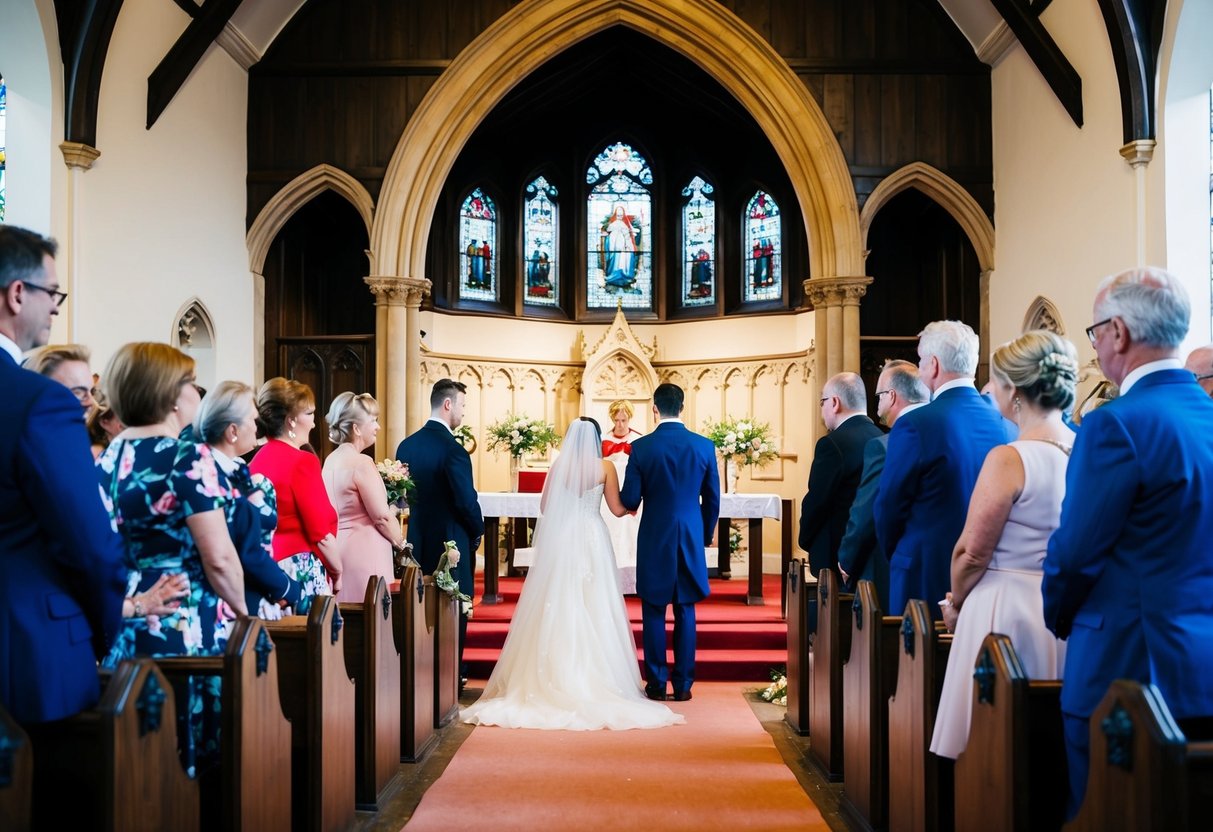
In the UK, the type of wedding you choose affects the rules around who can be a witness. Understanding the differences between civil and religious ceremonies helps you make informed decisions. You should also be aware of specifics for civil partnerships and elopements.
Differences in Civil and Religious Ceremonies
Civil ceremonies are often simpler and take place in registry offices or approved venues. These ceremonies require two witnesses who are at least 16 years old. The witnesses can be friends, family, or even strangers. Your parents can certainly step into this role, adding a special touch to your day.
In contrast, religious ceremonies have their own rules. These often follow the guidelines set by the church or faith involved. While most require witnesses too, age requirements and the number of witnesses can differ. Some churches might allow you to use your parents as witnesses, while others may have specific guidelines.
Special Considerations for Civil Partnerships and Elopements
The witness rules for civil partnerships are similar to those for civil ceremonies. You need at least two witnesses who are 16 or older. Including parents is a lovely way to honor family while making this commitment to your partner.
Elopements usually focus on the couple and can be more flexible. You might choose to have a very private ceremony with just one witness, or even no formal witnesses at all. However, if you want the marriage to be legal, you should still meet the witness requirements. Consider having your parents witness this special moment as it can add emotional weight to your elopement.