
Can You Be Ordained UK? A Simple Guide to Becoming an Ordained Minister
If you’ve ever thought about officiating a wedding or leading a ceremony, you might wonder about becoming ordained in the UK. You can get ordained online, but it’s important to note that this ordination is not legally binding for officiating weddings. In the United Kingdom, only registered officials, like church leaders and civil registrars, can perform legally recognized marriages.
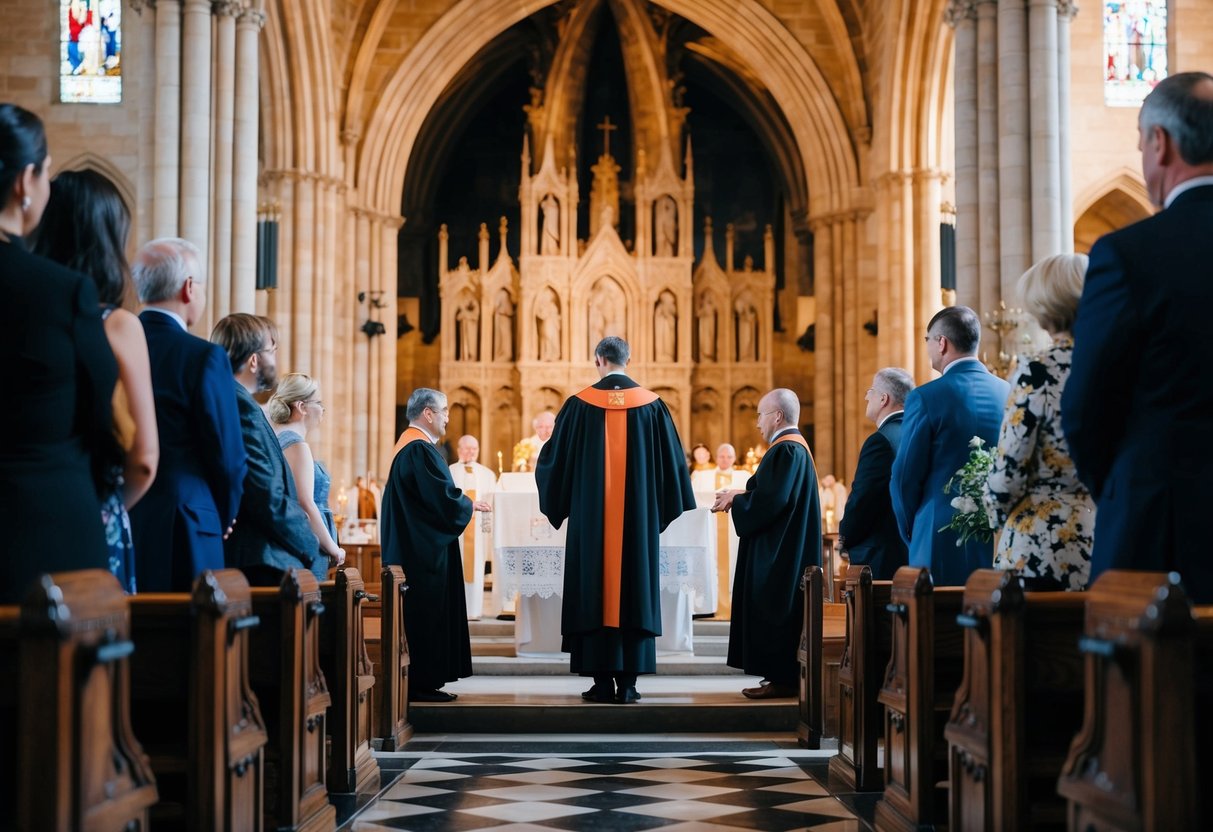
Many people enjoy the idea of being able to bless a friend’s union or celebrate special moments. Online platforms like the Universal Life Church offer a simple path to getting ordained, and the process can take just a few minutes. While this ordination can be meaningful and personal, you need to remember its limitations when it comes to officiating weddings in the UK.
So, if you’re looking to make a special day even more personal by officiating a wedding, you can definitely become ordained. Just keep in mind the need for legal recognition in the UK and what that entails for your role in the ceremony.
Paths to Ordination in the UK
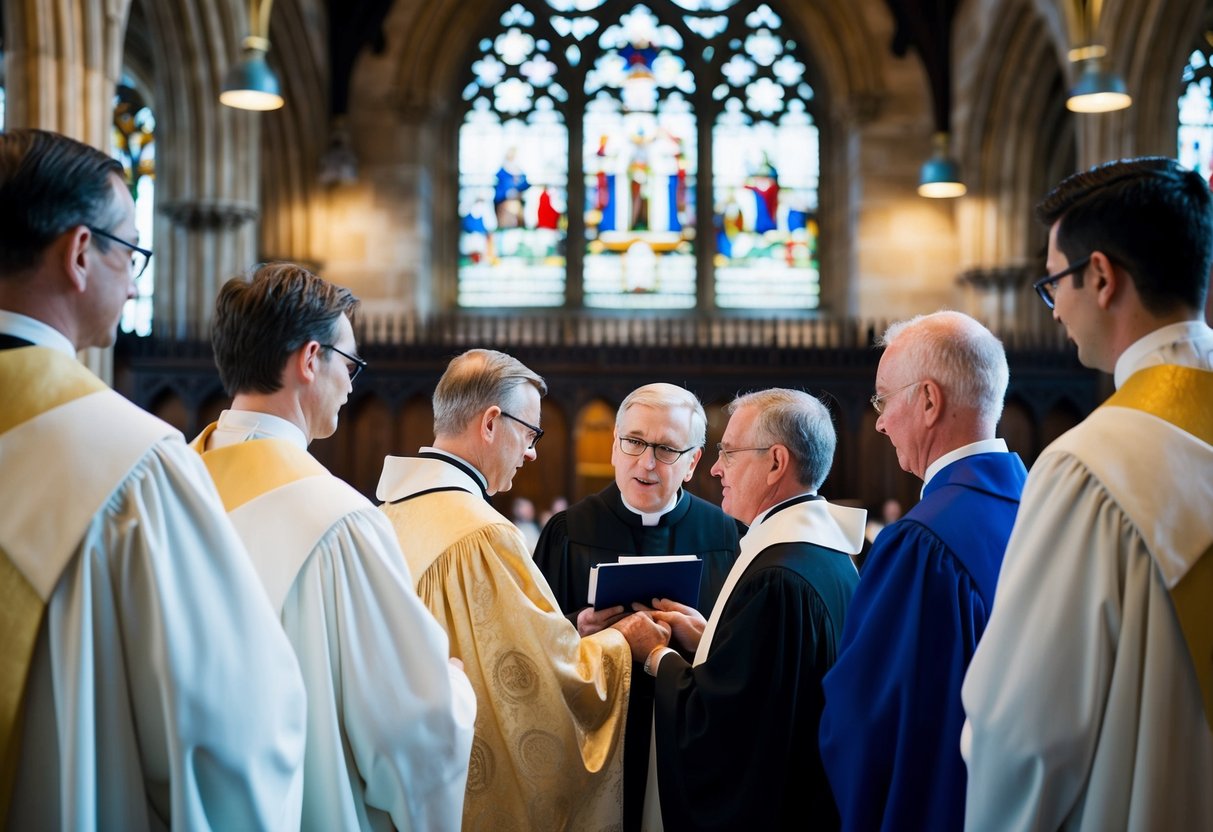
Becoming ordained in the UK can happen through different paths. You can choose a traditional route through theological institutions, an easy and quick way with online ordination, or explore non-denominational and interfaith options. Each path offers unique experiences based on your spiritual discipline and calling.
Traditional Theological Institutions
If you’re looking for a comprehensive educational experience, traditional theological institutions are a solid option. Here, you can immerse yourself in religious studies while receiving training to become an ordained minister.
These institutions offer programs that span several years, focusing on theology, ethics, and pastoral care. You also gain practical training through internships and mentorship.
After completing your coursework, you may need to submit an application or request for ordination. The Church of England is a key player in this route, providing structured programs to support your growth. This path fosters deep connections within a faith community.
Online Ordination Services
For a quicker and simpler option, you can consider online ordination services. These services often provide an easy application process that you can complete from home. Many people choose this path if they plan to officiate weddings or other ceremonies for friends or family.
Organizations like the Universal Life Church and Open Ministry offer online ordination packages that are free or low-cost. You simply fill out an ordination request form, and you’re on your way.
Once ordained online, you can perform various ceremonies. Make sure to verify that your online ordination is recognized in your area, as laws may vary.
Non-Denominational and Interfaith Options
Non-denominational and interfaith options provide additional freedom in your journey to ordination. These paths often emphasize inclusivity and personal spiritual discipline over strict religious adherence.
You’ll find many organizations that welcome diverse beliefs and practices. Some are specifically designed for those who wish to serve communities without a specific denomination.
Programs may range from formal training to mentorship and self-study. It’s important to investigate various organizations that align with your values and goals to find the right fit for you.
Legal Aspects of Performing Marriages
When considering the legal side of officiating marriages in the UK, it’s important to understand the distinct paths available. This includes the regulations set by the Church of England, the requirements for civil ceremonies, the role of registrars, and options for non-legally binding ceremonies. Each path has its own rules and guidelines that you need to know.
Church of England Regulations
To perform a wedding under the Church of England, you must adhere to specific regulations. Only clergy members who are licensed can officiate these ceremonies. The marriage must take place in a registered church building, such as a parish church.
Couples typically need to attend their local church for a period, sometimes requiring six months of attendance before their wedding. It’s also essential for the couple to give notice to their Bishop. This ensures that all legal requirements are met before the ceremony can take place.
Civil Ceremony Requirements
Civil ceremonies offer a non-religious way to get married. To officiate a civil wedding, you need to be a registered celebrant. The ceremony must take place in an approved venue, such as a register office or a specific licensed location.
You must give at least 29 days’ notice to your local register office before the wedding date. Both partners must confirm that there are no legal reasons preventing the marriage. Remember, the ceremony is legally binding, meaning it fulfills all legal requirements for marriage in the UK.
The Role of Registrars
Registrars play a key role in the marriage process. They are responsible for overseeing civil ceremonies and ensuring that all legalities are followed. You will need to book an appointment with a registrar to declare your intention to marry before the ceremony.
On the wedding day, the registrar will be present to conduct the ceremony and ensure that all required documents are signed. This legal role is vital to make your marriage official. Be sure to contact your local register office well in advance to secure your preferred date.
Non-Legally Binding Ceremony Options
If you want a more personal touch, consider a non-legally binding ceremony. This can be performed by a friend or family member, often tailored to your wishes. While this type of ceremony is not recognized legally, it can be a meaningful way to celebrate your relationship.
For a non-legally binding ceremony, you would first need to complete the legal requirements at a registry office. Afterward, you can plan your personalized event. You might even include a humanist celebrant, who can lead a ceremony based on your beliefs, while the legal side is taken care of separately. This blends tradition with personal preference beautifully.
Roles and Responsibilities of Ordained Clergy
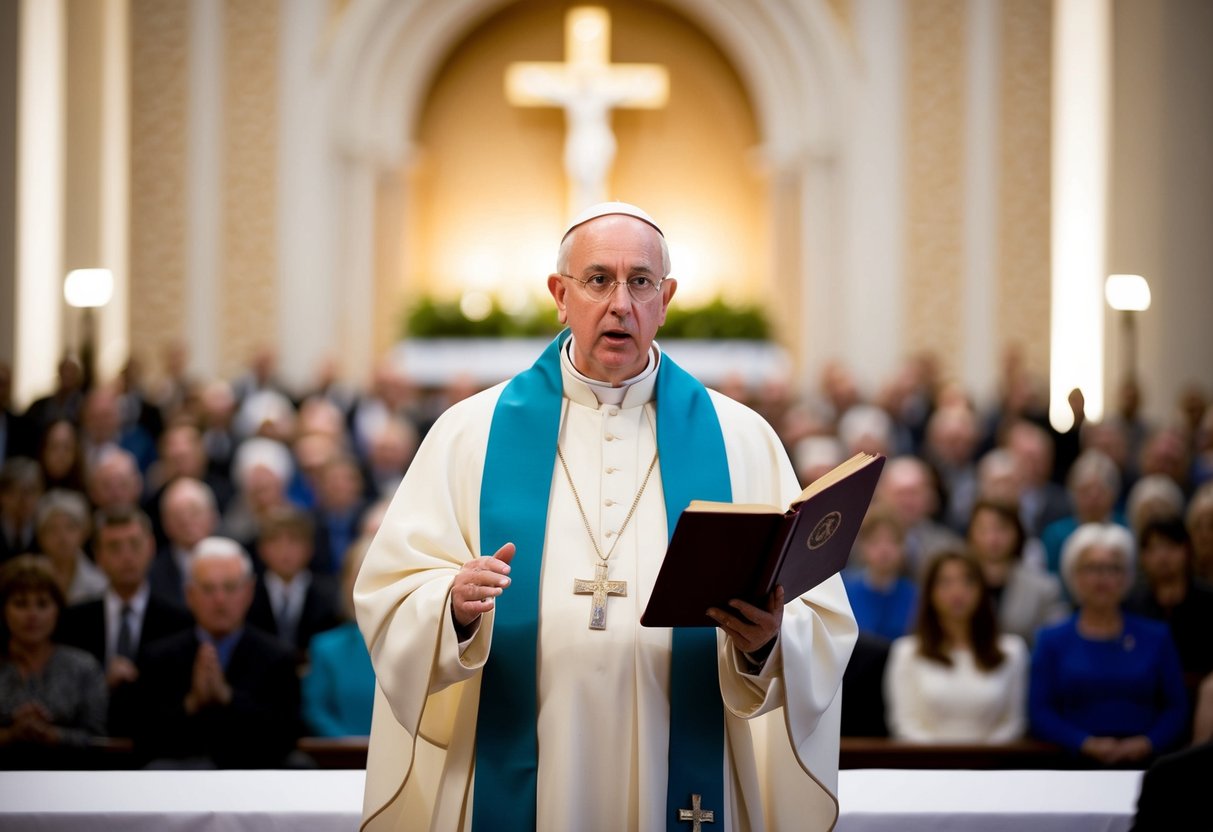
As you explore the roles and responsibilities of ordained clergy in the UK, it’s important to understand the distinct duties for each position. From deacons to priests, each role plays a crucial part in church leadership and the spiritual guidance of the community.
Duties of an Ordained Minister
An ordained minister is responsible for a variety of tasks within the church. You may officiate weddings, conduct funerals, and lead worship services. Teaching is another key responsibility, including delivering sermons and facilitating Bible study groups.
In addition to these duties, you will administer the sacraments, such as baptism and communion. Being present for your congregation during significant life events is essential. You are seen as a spiritual guide, helping individuals connect with their faith and navigate challenges.
The Spiritual Leadership of a Deacon
As a deacon, your role is to assist priests and meet the needs of the church community. This includes serving during the worship service and performing various administrative tasks. You may also engage in outreach efforts, providing support to those in need.
In your capacity as a deacon, you will focus on spiritual leadership by teaching and mentoring others. You play a vital role in the church’s mission and help to bridge the gap between the clergy and the congregation. Your commitment to service is essential in fostering a strong church community.
Requirements for a Priest
To become an ordained priest, there are specific requirements you must meet. Education plays a significant role, often including a degree in theology or ministry. You will also need to undergo a period of practical training and spiritual formation.
Once ordained, your responsibilities expand. You will lead worship services, offer counseling, and make important decisions about church operations. It’s crucial that you embody strong moral principles and a clear understanding of your faith. This equips you to guide your congregation effectively.
The Curacy Phase
The curacy phase is a transitional period following your ordination. During this time, you will work under the guidance of an experienced priest. This mentorship helps you gain hands-on experience and develop your skills in church leadership.
Your responsibilities may include conducting services, leading Bible studies, and managing church activities. This phase prepares you for greater leadership roles within the church. Embracing feedback from mentors and engaging with your community are vital parts of your growth during this time.
Training and Education for Ordination
If you want to be ordained in the UK, you need to undergo specific training. This process helps deepen your understanding of faith and prepares you for ministry.
Theological Training:
You will learn about various aspects of Christian teachings, ethics, and history. This knowledge is essential for effective ministry and leadership.
Pathways to Training:
You can choose between different training pathways:
- Residential Training: This involves living at a theological college. You’ll immerse yourself in a community of learners, which can enrich your experience.
- Non-Residential Training: This option allows you to train in a practical context while balancing other commitments. You will still gain significant knowledge and experience.
Ordination Packages:
Some institutions offer specific ordination packages that cover everything from coursework to practical experience. These packages can help guide you through the entire process of becoming ordained.
Religious Ceremony:
Ordination is marked by a special religious ceremony. This event is significant and symbolizes your commitment to serving your community and faith.
By exploring these options, you can choose the best path for your journey towards ordination. Whether you prefer a more academic or practical approach, there is a pathway that meets your needs.