
Can You Book a Registrar Before Giving Notice? Understanding the Process
Planning a wedding can be exciting, but it’s important to know the rules. You cannot book a registrar until you have given notice of your intention to marry. This step is crucial as it informs the local authorities of your plans and gets the legal process started.
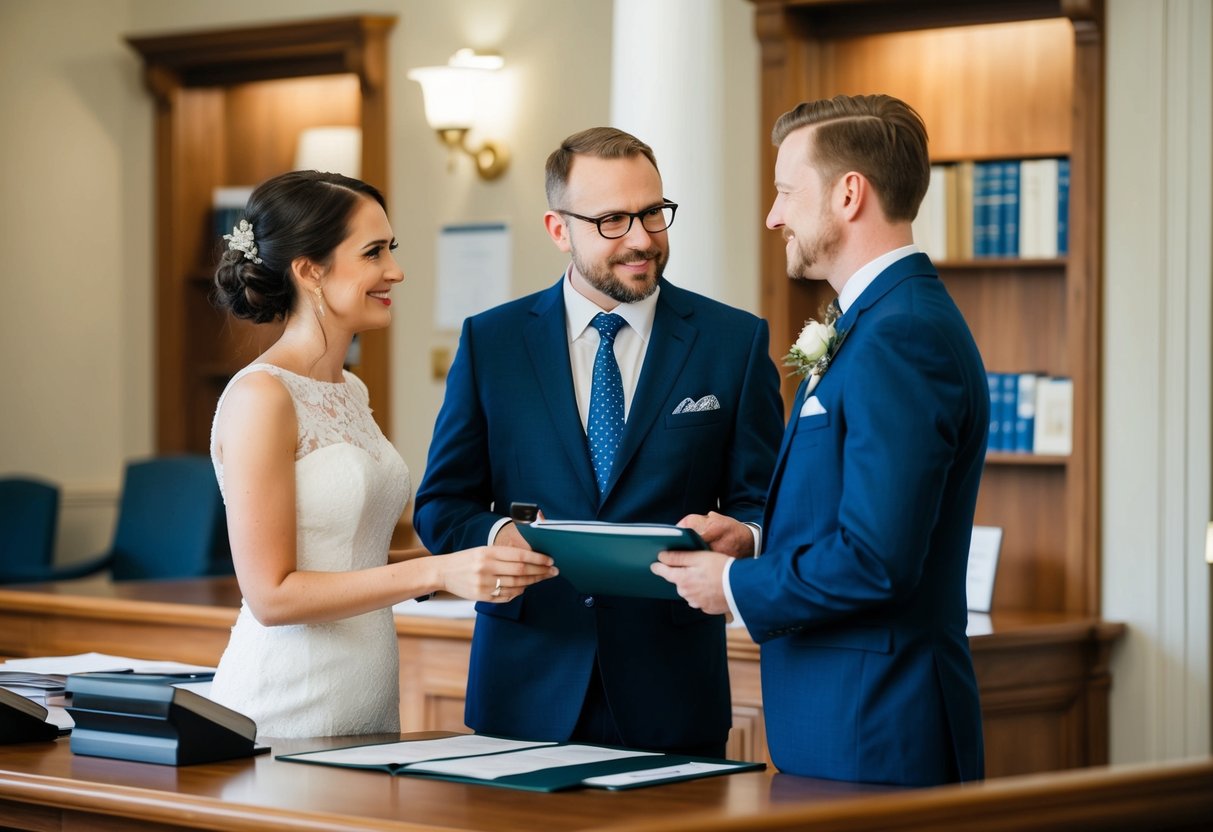
Many couples wonder about the timeline and what they can organize while waiting to give notice. Understanding this process can help you manage your planning more effectively and ensure everything runs smoothly.
Getting all the details right from the start will save you stress later. So, let’s dive deeper into the steps involved and what to expect as you prepare for your big day!
Understanding the Notice Period and Legal Requirements

When planning your wedding, understanding the notice period and legal requirements is crucial. This ensures everything is in order before your special day. Here’s what you need to know about giving notice and the necessary documentation.
The Importance of Giving Notice
Giving notice is a legal requirement before your wedding. You must inform the registrar of your intent to marry at least 28 days in advance. This is known as the notice period.
In some areas, you can give notice up to one year beforehand. This allows you to secure your wedding date earlier. Be mindful that if either of you is from abroad, additional steps may apply, such as providing a certificate of no impediment.
Missing this step can delay your wedding or even lead to legal issues. So, it’s essential to plan ahead to ensure your wedding goes smoothly.
Legal Statements and Documentation Needed
To give notice, you will need specific documentation. This includes forms of ID, like your birth certificate or passport, and proof of address.
Both parties must provide a legal statement confirming there are no legal barriers to the marriage. You may also need to show a certificate of no impediment if one of you is from overseas.
The registrar will review these documents and may require additional information. After everything is confirmed, a notice of marriage will be issued. This document is key, as it serves as official notice that you plan to marry. Remember to keep a copy for your records.
Booking a Registrar and Planning the Ceremony
When planning your ceremony, it’s vital to know when to book a registrar and how to choose your venue. This will help ensure that everything runs smoothly on your special day.
When to Book a Registrar
You should book an appointment with the registrar as early as possible. While you can’t book them before you give notice, having a date in mind is essential.
You can give legal notice anywhere from 12 months to 2 weeks before your ceremony. Once you give notice, you can immediately book the registrar for your ceremony date. Keep in mind that fees may apply, so check with your local register office.
Confirm your registrar’s availability and location to avoid last-minute changes. A well-planned timeline will help ensure that you have everything set for your marriage or civil partnership ceremony.
Selecting the Venue and Ceremony Details
Choosing a venue is one of the most exciting parts of planning your ceremony. You need to decide not only on the location but also on the type of ceremony.
Make sure your chosen venue is licensed for either a marriage or civil partnership ceremony. Once you know where you want to hold your ceremony, it’s important to provide that information when you give notice.
Double-check that your venue can accommodate your guests on the ceremony date. Any changes to the venue will require re-notifying, so be sure you’re happy with your choice before proceeding. Planning these details early can make your special day seamless and enjoyable.
Eligibility and Requirements for Various Types of Ceremonies

When planning your ceremony, it’s important to understand the eligibility and requirements for different types of marriages and civil partnerships. These can differ slightly based on your circumstances and where you live.
Marriages and Civil Partnerships in England and Wales
To get married or enter a civil partnership in England and Wales, each person must give notice of intention to marry at their local register office. You must be at least 16 years old, but if you are under 18, you’ll need consent from your parents or guardians.
When you give notice, it must be done at least 28 days before your ceremony. The notice is valid for up to 12 months. Make sure to book an appointment at a local register office within your registration district. If you or your partner are non-EEA citizens or have settled or pre-settled status, additional documentation may be required.
Special Considerations for Church of England Ceremonies
If you’re considering a Church of England ceremony, there are some additional steps involved. You must give formal notice at your local register office, and the church rector must be involved in planning your wedding.
The church may require you to attend a session or provide proof of your eligibility. Keep in mind that you’ll need to state the church location on your notice, and this cannot be changed later. If you have Irish citizenship or are part of the EU settlement scheme, ensure you have the correct documents to support your immigration status when meeting eligibility requirements.
Requirements for Foreign Nationals and Immigration Status
If you are a foreign national planning to marry in England or Wales, you should be aware of specific requirements. Non-EEA citizens may need to provide additional evidence regarding your immigration status. You might need a visa before you can give notice.
When giving notice, you must state your status, whether you have settled or pre-settled status, or if you are on a visa. It’s advisable to check with your local register office well in advance. If your immigration status affects your eligibility, clarify these details to avoid complications on your wedding day.
Final Preparations Before The Big Day

As your wedding day approaches, there are important steps to complete to ensure everything goes smoothly. You need to arrange your witnesses and finalize all details related to your ceremony. It’s also vital to understand the fees involved so you can budget accordingly.
Arranging Witnesses and Finalizing Details
You need at least two witnesses for your wedding ceremony. Make sure they are available and know what their role is. They can be friends or family, but they must be over 18.
Once your witnesses are confirmed, finalize your ceremony details, such as the venue and time. Make sure you have all necessary documents ready, like proof of address and identification. This will ensure no last-minute issues arise.
Don’t forget to check in with your registrar about any last-minute arrangements. Discuss what to expect during the ceremony and any special requests you might have. Keeping communication open will make the day less stressful.
Understanding Fees and Financial Aspects
Understanding the costs involved can help you avoid surprises. There are a few key fees to consider. These include the appointment fee for the registrar and a statutory fee that may apply for the marriage certificate.
If your ceremony is on a weekend or a holiday, you should expect to pay extra. Also, if you are a British or Irish national looking to use the Home Office Referral Scheme, make sure to confirm any additional costs associated with that.
Make sure to have your budget in place and keep track of all payments. Having a clear understanding of the financial aspects can help you manage your expenses more efficiently.