
Can You Get Married at Home? A Guide to Celebrating Love in Your Space
Getting married at home can be a beautiful and personal experience. With the right preparations, you can legally tie the knot in your own living room or backyard. Many couples are choosing to have online weddings and host virtual ceremonies that allow friends and family to join from anywhere.

If you want an intimate setting without the hassle of a big venue, your home might be the perfect choice. Whether you decide to go the traditional route or opt for a modern twist like a virtual wedding, planning a ceremony at home can be both meaningful and memorable.
Consider all the factors, from any legal requirements to how you’ll set the mood. With a bit of effort and creativity, you can create a unique celebration that truly reflects your love story.
Legal Considerations for Marriage at Home
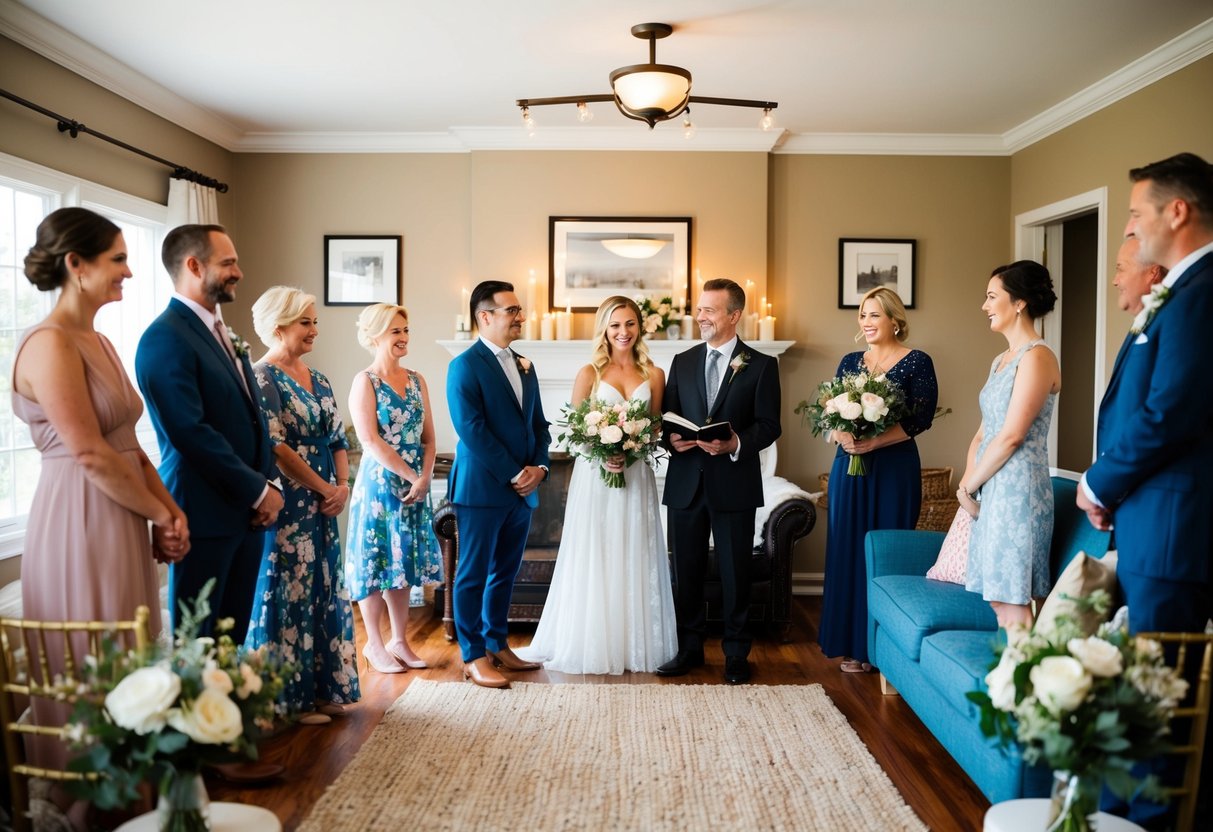
Planning to get married at home? It’s essential to understand the legal aspects involved. From obtaining a marriage license to ensuring your officiant is recognized, these details will help make your home wedding valid and binding.
Understanding Marriage Licenses
A marriage license is a crucial step in making your wedding legal. You need to apply for a marriage license before your ceremony. This license serves as official permission to marry and must be obtained from your local government office, like the county clerk.
Requirements for marriage licenses vary by state. Generally, both partners must provide identification and may need to pay a fee. Some states even have a waiting period between applying and receiving the license.
Don’t forget, the marriage license must be signed by your officiant and returned to the issuing office for it to be officially recorded. Without this, your legal marriage won’t be recognized.
Role of Officiants in Legalizing Marriage
The officiant plays a vital role in your home wedding. To ensure a legal marriage, you must have a recognized officiant during the ceremony. This person can be a religious leader, a judge, or even a friend or family member who has completed the necessary requirements.
Your officiant will guide the ceremony, pronounce you married, and sign the marriage license. It’s your responsibility to check that your officiant is authorized to perform weddings in your state. If unsure, you can find a list of certified officiants on local government websites.
Choosing the right officiant can set the tone for your wedding. Their experience can turn your ceremony into a memorable event.
Apostille and International Recognition
If you and your partner are from different countries, think about international recognition of your marriage. A marriage celebrated at home may need an apostille for validation abroad. An apostille is a certificate that verifies the authenticity of your marriage documents.
To obtain an apostille, you can request it from the Secretary of State after your marriage certificate is issued. This step is crucial if you plan to live in or apply for residency in another country.
Keep in mind, different countries have unique requirements for recognizing foreign marriages. Always check the rules specific to your partner’s home country to ensure that your marriage will be legally accepted.
Planning Your At-Home Wedding
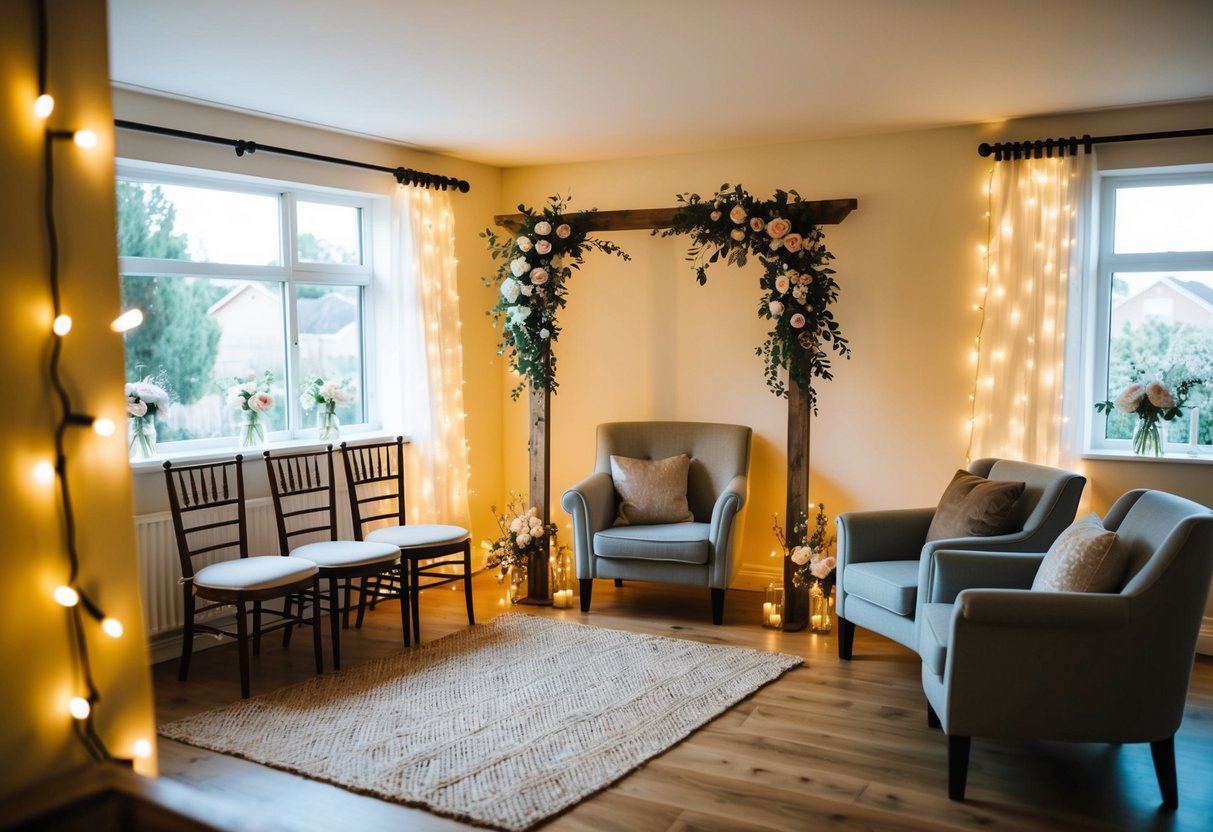
Planning your at-home wedding involves careful consideration of various elements. You want to create a special atmosphere while managing logistics efficiently. Here are key areas to focus on as you prepare for your big day.
Selecting the Right Wedding Venue
Choosing the right space in your home is essential for your wedding ceremony. Look for areas that can accommodate your guests comfortably. Consider your backyard, living room, or even a cozy nook.
Tips for selecting the venue:
- Space Requirements: Make sure there’s enough room for guests and any decor.
- Ambiance: Select a location that feels warm and inviting.
- Accessibility: Ensure guests can easily access the venue, especially older family members.
Don’t forget to check the weather if you’re using an outdoor area. Have a backup plan, like tents or indoors, ready to go.
Choosing Your Wedding Officiant
Finding the right wedding officiant is crucial for your ceremony. They’ll help make the event feel special and personalized to you.
Things to consider:
- Legal Requirements: Verify if your officiant meets local legal requirements.
- Style: Choose someone whose style matches your vision. Do you want a traditional or modern approach?
- Personality: Pick someone who makes you feel comfortable in front of your guests.
This choice can greatly affect the tone of your ceremony, so take your time in selecting the right person.
Incorporating Virtual Elements
Including virtual elements in your at-home wedding allows friends and family who can’t attend in person to be a part of your special day.
Ways to include this:
- Live Streaming: Use platforms like Zoom or Facebook Live to share your ceremony.
- Digital Invitations: Send e-invites that include links to the live stream.
- Interactive Activities: Think about incorporating online games or a virtual toast.
Make sure to test your technology ahead of time to avoid any issues on your wedding day. Providing a virtual option can make your wedding even more memorable for everyone involved.
Navigating Online Marriage Services
Getting married online has become a popular choice for couples who want flexibility and convenience. Virtual weddings allow you to celebrate your love from the comfort of your home, making the process accessible and stress-free.
How to Get Married Online
To begin, choose a reliable online marriage service like MarryFromHome. Start by filling out the online application, providing necessary details such as names, contact information, and identification.
Next, you will typically need to secure a marriage license. Most online services guide you through this process. Then, schedule your online ceremony at a time that works for you. The ceremony is often conducted via video call, allowing you to include family and friends who may be far away.
Benefits of Virtual Weddings
Virtual weddings offer many advantages. First, they are often more cost-effective than traditional ceremonies. You can save money on venue fees and decorations.
Secondly, online marriage services provide flexibility. You can get married in unique settings, such as your living room or a favorite outdoor spot. This personalization adds a special touch to your day.
Another benefit is the ease of planning. Many companies provide a straightforward process, helping you navigate the legal aspects smoothly. You can focus on celebrating your love without overwhelming stress.
Satisfaction Guarantee and Success Rate
When you use a quality online marriage service, you’ll likely find a satisfaction guarantee. This means the service commits to meeting your needs and ensuring a smooth experience.
Additionally, many services report a high success rate in helping couples become legally married online. Check reviews and testimonials from other couples to feel more confident in your choice.
By using a trusted service, you gain peace of mind that your marriage will be recognized legally and that you can celebrate your love easily and successfully.
Special Considerations
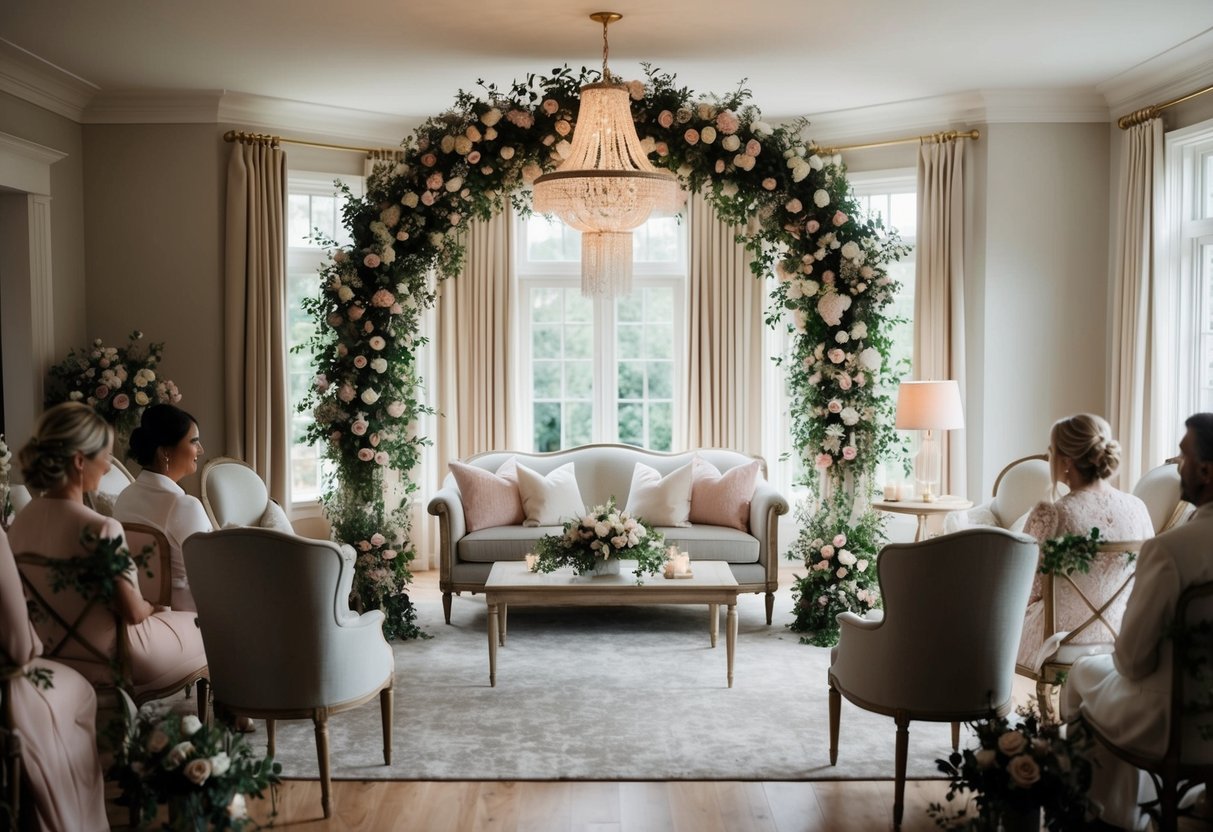
When planning a wedding at home, there are special considerations to keep in mind. These include legal aspects of same-sex marriages, specific provisions for military couples, and the process of securing a spousal visa if needed.
Same-Sex Marriage at Home
If you and your partner are a same-sex couple, getting married at home is a beautiful option. Ensure that your state recognizes same-sex marriage. Requirements can vary by location, so check local laws before planning your ceremony.
You can use video-conferencing platforms to include loved ones who cannot attend in person. This adds a personal touch and allows everyone to join your special day. Remember to discuss the ceremony format with your officiant, making it meaningful for you.
Provisions for Military Couples
Military couples may have unique situations when planning a wedding at home. If one partner is deployed or stationed far away, timelines might need adjusting. Consider setting a flexible date to accommodate their schedule.
If you are planning a remote ceremony, check if your military branch allows online weddings and if it holds legal weight. You may need to submit additional paperwork or get approval from your command.
Securing a Spousal Visa
Marrying a partner from another country makes securing a spousal visa important. Begin the visa process early, as it can take time. You will need to provide proof of your marriage, such as a marriage certificate.
For home weddings, make sure your ceremony is legally recognized for immigration purposes. Pay close attention to the documentation required by the consulate or embassy. This ensures that your partner can join you in your home country after the wedding.