
Can You Get Married for $3K? A Realistic Budget Plan
A $3,000 wedding is possible when you plan a small celebration, choose an affordable setting, and give each dollar a clear job. Yes, you can get married for $3K, especially with a guest list of about 10 to 30 people, a low-cost venue, simple food, and carefully chosen priorities.
A budget wedding still needs room for legal fees, taxes, tips, attire, food, and last-minute purchases. The goal is to design an event that fits your cash limit from the beginning, not to copy a traditional wedding and cut random details later.
Decide your guest limit and two top priorities first, then request complete quotes from vendors. That approach gives you a practical starting point for building a beautiful, meaningful day without wedding debt.
What a $3,000 Wedding Can Realistically Include
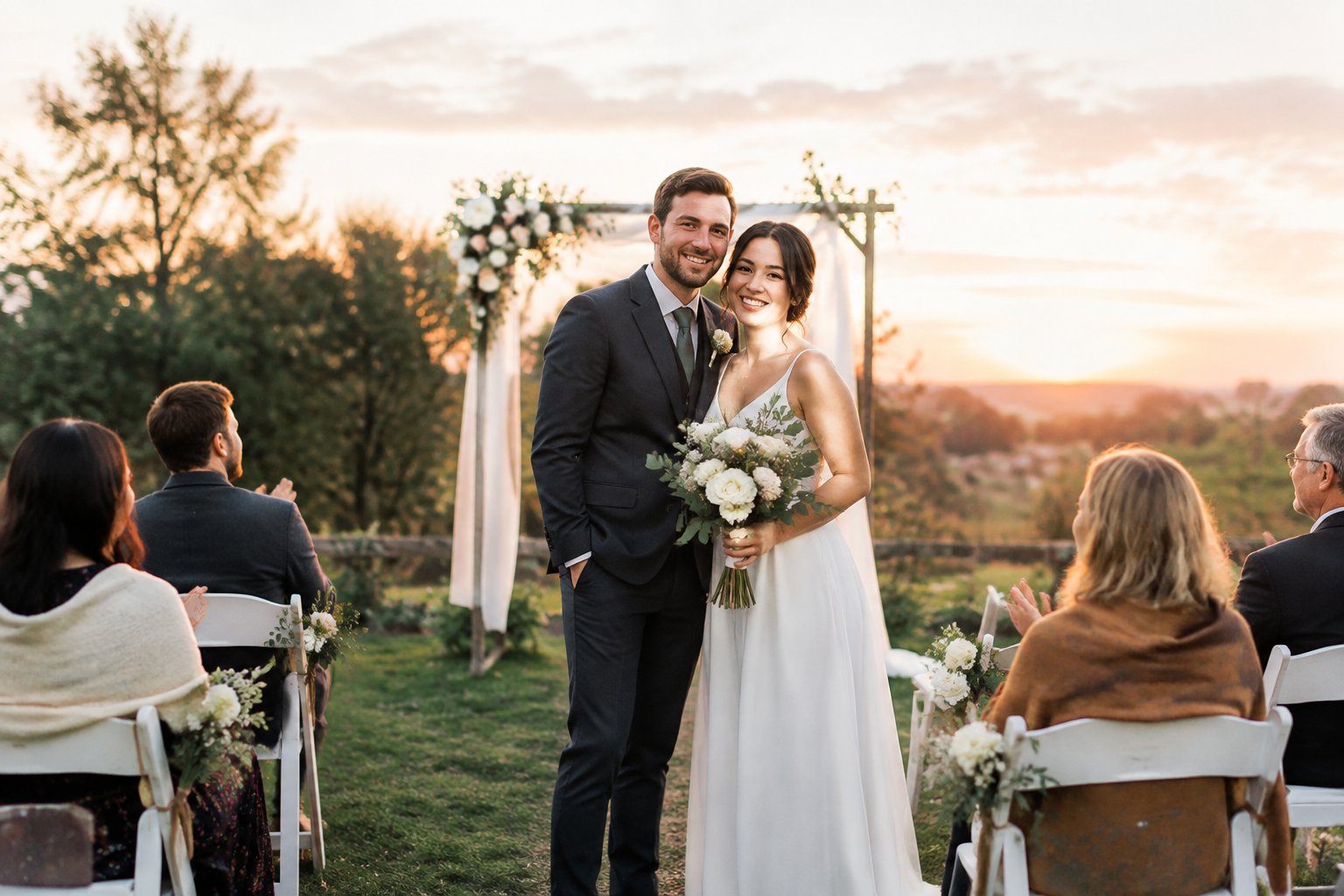
A $3,000 wedding can include a legal ceremony, simple wedding reception, modest attire, casual food, limited photography, and personal decorations. It will not support every traditional service for a large guest list, so your choices need to match the budget from the start.
The Trade-Offs That Make This Budget Work
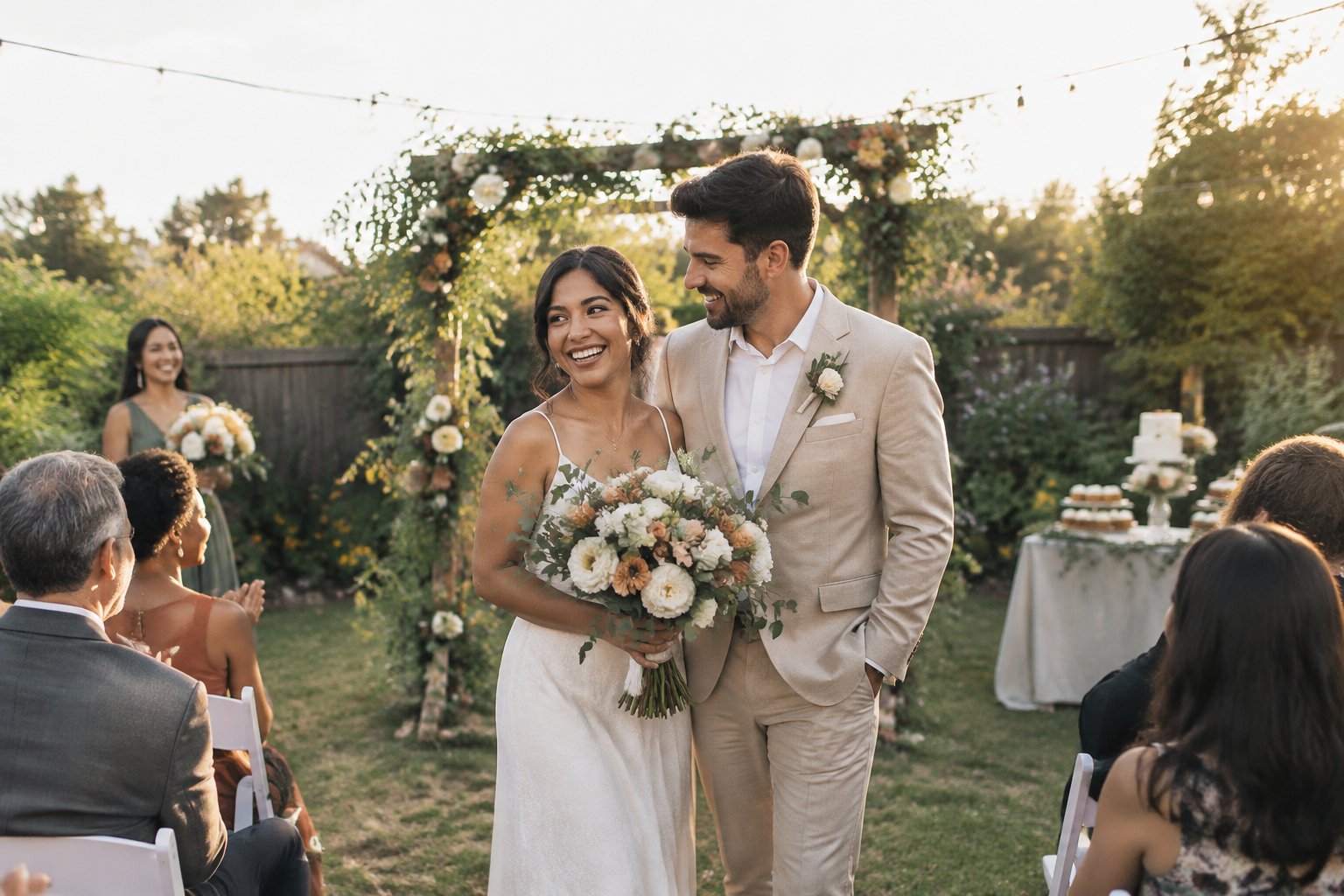
Your biggest savings will come from changing the event structure. A borrowed backyard, community hall, courthouse, or public outdoor space can reduce the venue charge. A short ceremony followed by a brunch, buffet, grazing table, or dessert reception can reduce food costs.
You might choose secondhand wedding attire, a playlist, digital invitations, and a photographer for only the ceremony and portraits. Friends can help with setup or baking when each task has a clear owner and deadline.
A $3,000 plan leaves little room for premium packages, full-day vendors, elaborate flowers, or open-bar service. Put your money toward the details you will notice during the day and remember afterward.
Set a Guest-Count Ceiling Before Requesting Quotes
Choose a maximum guest count before contacting caterers or venues. Each person adds food, drinks, seating, tableware, invitations, and space requirements.
For this budget, 10 to 20 guests gives you the most flexibility. A guest count near 25 or 30 can work with free or borrowed space and low-cost food. A traditional reception for 75 or 100 guests will push the budget far beyond its limit unless major expenses are donated.
Write the ceiling into your planning notes and tell family members the number early. A guest list that grows by 10 people can add hundreds of dollars before you buy any decorations.
Choose Two Priorities Worth Protecting
Choose two wedding priorities and fund them first. You might protect photography and food, attire and location, or a meaningful ceremony and comfortable guest experience.
Every other category should support those choices. If photos matter most, use limited wedding photographer coverage and save on decor. If the setting matters most, look for a free wedding venue and serve a simple meal.
Keep your priorities specific. “A beautiful wedding” is difficult to price, while “four hours of photography” or “a meal guests can enjoy seated” gives you a clear spending target.
Build a $3,000 Wedding Budget That Adds Up
A workable $3,000 wedding budget assigns money to legal requirements, guest needs, and your chosen priorities before optional extras. Use a spreadsheet with columns for the estimate, deposit, final payment, tax, tip, and actual cost.

A Sample Allocation for Ceremony, Food, Attire, and Photos
This sample assumes a small wedding with free or borrowed space and limited professional photography:
| Category | Planned amount |
|---|---|
| Marriage license and certified copies | $100 |
| Venue, permits, or insurance | $200 |
| Food and nonalcoholic drinks | $500 |
| Wedding attire and alterations | $350 |
| Rings | $400 |
| Wedding photographer | $900 |
| Officiant | $150 |
| Decorations and flowers | $150 |
| Invitations and signs | $50 |
| Music and equipment | $50 |
| Cake or desserts | $100 |
| Transportation and miscellaneous costs | $50 |
| Contingency fund | $0 |
| Total | $3,000 |
This version puts a large share toward photography. If photos are less important, move $300 to $500 into the contingency fund or food category. A plan with a $2,700 spending target and a $300 reserve gives you more protection than assigning every dollar to a vendor.
Which Costs Are Required vs. Optional
Your marriage license is a legal requirement, along with an authorized officiant and any witnesses your state requires. The license fee, waiting period, filing process, and witness rules come from your local jurisdiction.
A wedding venue, wedding photographer, flowers, printed invitations, wedding cake, DJ, favors, and professional hair and makeup are optional. Rings and formal wedding attire also depend on your preferences.
Ask each vendor for the complete price. Delivery, setup, service charges, taxes, travel, rentals, and overtime can change a low quote into an unaffordable one.
Why a Contingency Fund Still Matters
Reserve at least $200 if you can. Small costs add up through ice, extra drinks, replacement decorations, parking, weather supplies, tailoring changes, postage, and tips.
Keep the reserve in a separate part of your budget and do not spend it during the early planning stage. If you reach the final week with money left, use it for a needed payment or keep it for your first days of marriage.
Find a Low-Cost Ceremony and Reception Location
A low-cost wedding venue works when it already provides key needs such as restrooms, seating, parking, weather protection, and power. Free wedding venues can be valuable, yet a low rental fee does not guarantee a low total cost.
When Is a Backyard Wedding Actually Affordable?
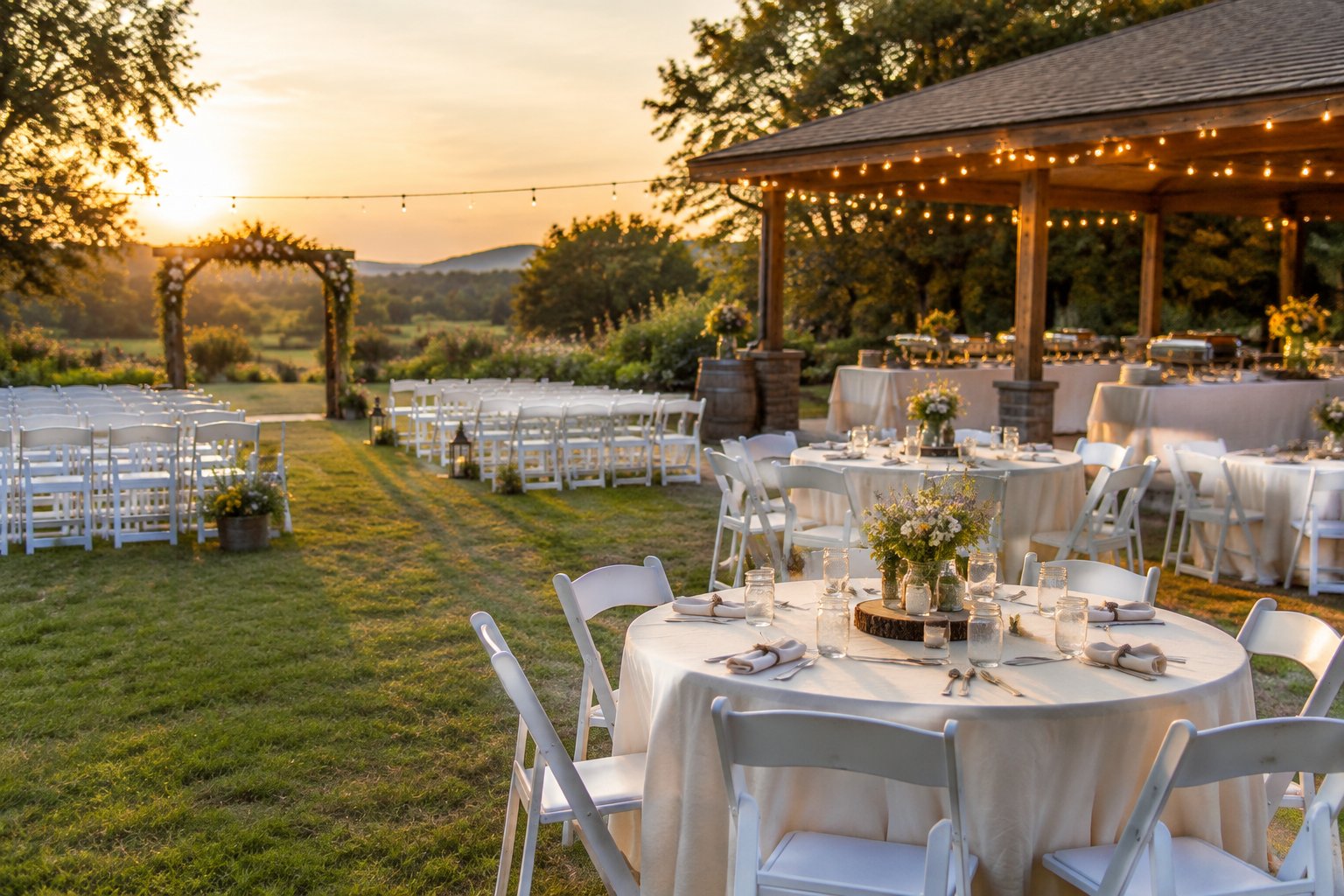
A backyard wedding is affordable when the property already has enough space, bathrooms, tables, chairs, power, and weather coverage. Ask the property owner about noise, parking, cleanup, pets, neighbors, and access for vendors.
A backyard can create a free wedding venue, yet rentals can erase the savings. Price chairs, tables, tents, lighting, portable toilets, trash removal, and insurance before choosing the location.
Assign setup and cleanup to named helpers. The couple should not spend the ceremony managing rentals, food, and waste.
Can Parks, Beaches, and Gardens Be Free?
Parks, beaches, and gardens sometimes allow ceremonies at no charge, while others require a reservation, permit, insurance certificate, or event fee. Contact the local parks department and ask about guest limits, amplified music, alcohol, decorations, restrooms, parking, and rain plans.
An outdoor wedding also needs a weather backup. A covered pavilion, nearby community hall, or refundable tent reservation gives you a safer plan.
Check sunset time and accessibility for older guests. Public spaces may have rules about candles, confetti, flowers, stakes, and open flames.
Courthouse Weddings, Community Halls, and Other Practical Options
A courthouse wedding keeps the legal ceremony small and lets you celebrate with dinner afterward. You can also hold a larger personal ceremony later if your courthouse schedule or guest rules are limited.
Community halls, church rooms, library spaces, restaurants with private rooms, and neighborhood clubs can offer practical reception space. Search for locations that allow outside food, flexible hours, and your own decorations.
A weekday or off-season date can lower rental prices. Choose the date only after confirming guest availability and the venue’s full fee schedule.
Questions to Ask Before Booking a Wedding Venue
Ask these questions in writing:
- What is the full rental price, including taxes and service fees?
- How many hours include setup, the ceremony, the reception, and cleanup?
- Are tables, chairs, lighting, kitchen access, and restrooms included?
- Can you bring your own caterer, cake, alcohol, and vendors?
- Is event insurance required?
- What permits cover music, alcohol, parking, or outdoor use?
- What happens if rain, heat, smoke, or another emergency affects the date?
- Who removes trash and returns rented equipment?
Compare the total cost, not only the listed rental fee.
Keep Food, Drinks, and Decor Simple but Intentional
A low-cost wedding reception feels complete when guests have enough food, comfortable seating, drinks, and a clear flow through the event. Use the space’s existing character and serve food that fits the time of day.
How to Serve a Meal Without Full-Service Catering
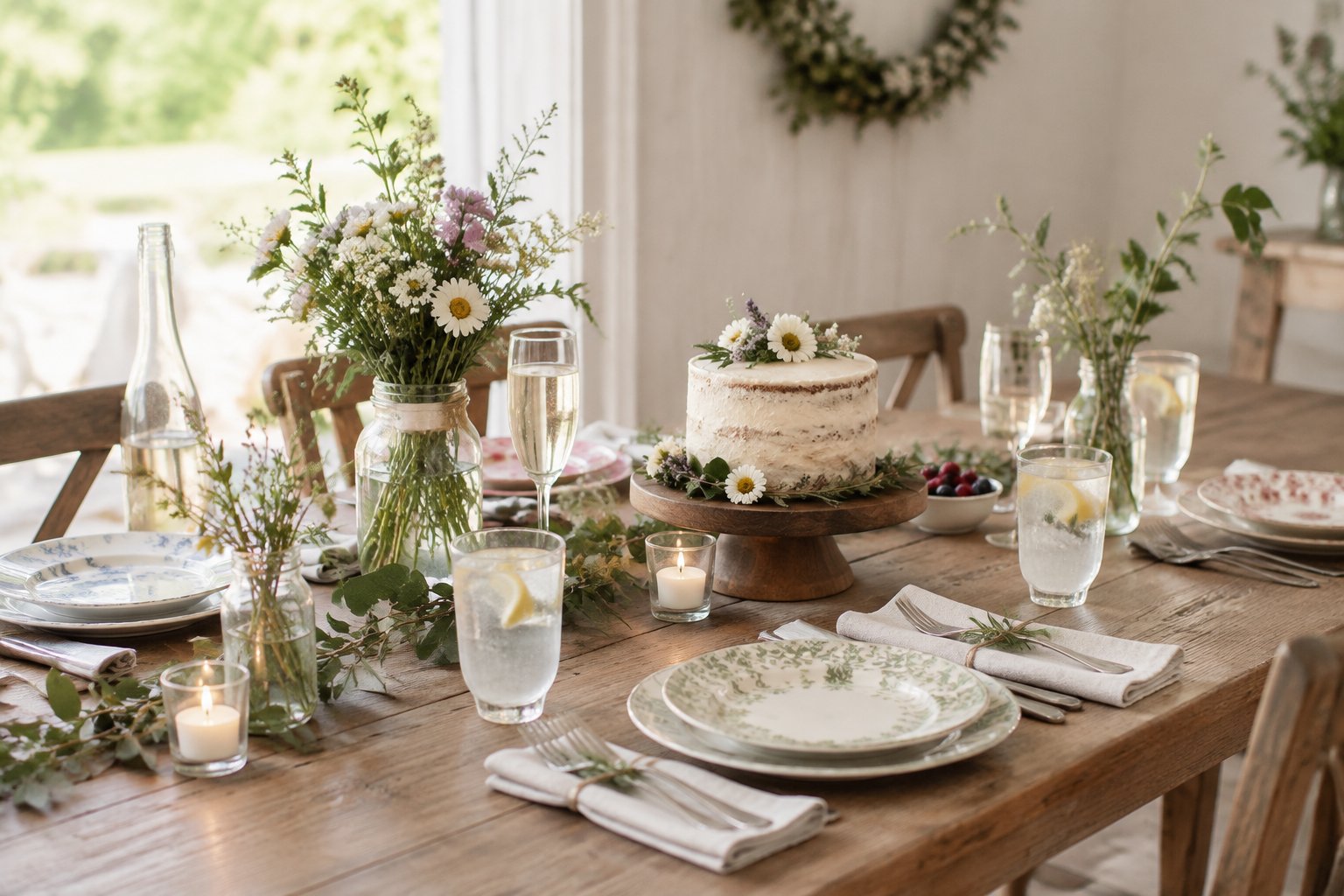
Order trays from a favorite local restaurant, hire a small drop-off caterer, or serve a brunch buffet. Pasta, sandwiches, tacos, barbecue, salads, and baked dishes work well for a casual gathering.
Confirm serving sizes, delivery timing, warming equipment, plates, utensils, napkins, dietary options, and cleanup. A low per-person price can leave you responsible for staffing and rentals.
Set the ceremony at 2 or 3 p.m. if a full dinner does not fit your budget. Offer substantial snacks, sandwiches, fruit, and desserts so guests know what to expect.
Is a Grazing Table or Dessert Bar Enough for Your Reception?
A grazing table or dessert bar works for a short afternoon reception when you provide enough savory food and tell guests the format in advance. Bread, fruit, cheese, vegetables, dips, crackers, sandwiches, and a selection of desserts create more substance than sweets alone.
For an evening event, guests will expect a meal. Add a hot dish, soup, pizza, tacos, or another filling option.
Label allergens and keep perishable food chilled. Assign one person to refill food and monitor safe serving times so the couple can enjoy the reception.
Use Candles and Greenery to Work With the Space
Candles, greenery, thrifted vessels, fabric runners, and seasonal flowers can add warmth without covering every surface. Focus decorations on the ceremony focal point, food table, guest tables, and entry area.
Use battery candles where open flames are restricted. Ask the venue about candle rules before buying supplies.
Choose one color family and repeat it through flowers, napkins, signs, and ribbons. Borrowing containers and buying flowers from a grocery store or farmers market can keep the decor line manageable.
How to Handle DIY Help Without Overloading Friends
Give each helper one defined responsibility, such as placing centerpieces, receiving food, managing music, or cleaning tables. Provide written instructions, arrival times, contact information, and a supply list.
Do not assign important tasks to everyone in the wedding party. Pay a helper for setup or cleanup if the budget allows, or offer a specific thank-you after the event.
Prepare decorations in labeled boxes and create a venue map. Clear instructions prevent repeated questions and keep friends from guessing during the busiest part of the day.
Save on Attire, Invitations, Photography, and Music
You can reduce attire, stationery, photography, and entertainment costs by choosing practical services with clear limits. These categories offer savings through secondhand purchases, digital tools, shorter coverage, and personal planning.
How to Find Affordable Wedding Attire
Look at consignment shops, sample sales, resale marketplaces, rental services, department stores, and formalwear already in your closet. A vintage dress or suit can work well after professional alterations.
Set a complete attire budget that includes shoes, undergarments, accessories, tailoring, cleaning, and shipping. Try clothing on before paying whenever possible.
Coordinate the level of formality with the venue and meal. A casual outdoor wedding does not require every guest to purchase formal clothing.
When Limited Wedding Photographer Coverage Makes Sense
Limited coverage makes sense when you want professional images of the ceremony, family portraits, couple portraits, and a few reception moments. A two- to four-hour package can protect photography as a priority while keeping the rest of the wedding modest.
Ask how many edited images you receive, whether travel and taxes are included, when the gallery arrives, and whether printing rights are part of the agreement. Request a written list of coverage times.
Ask a trusted guest to capture candid moments after the photographer leaves. Give that person a phone or camera, a short shot list, and permission to enjoy the celebration too.
Use Paperless Post and Other Digital Invitation Options
Paperless Post and similar digital invitation services can reduce printing, postage, envelope, and response-card costs. Choose a design that includes the date, location, schedule, dress guidance, meal details, RSVP deadline, and contact information.
Keep a private backup list of phone numbers and email addresses for guests who need another invitation method. Send a reminder with parking, weather, and arrival details one week before the wedding.
A small printed detail, such as a welcome sign or ceremony program, can serve guests who prefer paper without creating a full stationery suite.
Create a Playlist Instead of Hiring Entertainment
A playlist works for a small reception when you have reliable equipment, downloaded music, a power source, and someone assigned to manage transitions. Prepare separate lists for guest arrival, the ceremony, dinner, dancing, and cleanup.
Use a speaker that fits the space and test volume before the event. Keep a backup device, charging cable, and downloaded copies of key songs.
Name one person as music lead so you and your partner are not asked to change songs during dinner or dancing.
Make the Wedding Legal and Avoid Costly Surprises
A legal wedding requires the correct marriage license, an authorized officiant, completed signatures, and timely filing under your state and county rules. Confirm each requirement with the issuing county clerk before paying vendors.
How Much Does a Marriage License Cost?
Marriage license fees vary by state and county, with many jurisdictions charging somewhere between $30 and $100. Some places offer discounts tied to approved premarital education, while others charge separate fees for certified copies.
Check the application process, identification rules, waiting period, expiration date, witness requirements, and return deadline. Build the local fee into your wedding budget after checking the county clerk’s current information.
Order certified copies after the marriage is recorded if you need them for name changes, benefits, banking, or travel documents.
Can a Friend Officiate Through American Marriage Ministries?
A friend can become ordained through American Marriage Ministries, yet your state must recognize that ordination and your friend must meet local officiant rules. Check with the county clerk before the ceremony and ask whether registration or additional paperwork is required.
Your officiant should know who completes each part of the license, where signatures go, and when the document must be returned. Confirm the filing plan in writing.
A courthouse official, judge, justice of the peace, or recognized religious officiant may offer another legal option when online ordination rules are unclear.
Permits, Insurance, Rentals, and Other Overlooked Fees
Outdoor weddings and public spaces can require permits, event insurance, portable restrooms, parking arrangements, trash removal, sound limits, and fire approvals. Wedding venues can also charge for setup, cleanup, corkage, cake cutting, security, overtime, or required vendors.
Ask every provider for an itemized quote with taxes, delivery, travel, service charges, gratuities, and cancellation terms. Add those figures to your spreadsheet before signing.
Keep receipts, contracts, payment dates, and contact names in one folder. Avoid deposits that depend on gifts or uncertain future income.
A Final Pre-Booking Checklist
Before booking anything, confirm:
- Your cash budget and contingency amount
- Your maximum guest count
- The ceremony location and reception location
- Marriage license timing and officiant eligibility
- Food, drinks, rentals, and cleanup responsibilities
- Photography coverage hours and final image delivery
- Attire alterations and accessory costs
- Weather, parking, restroom, power, and accessibility plans
- Vendor cancellation, refund, and overtime terms
- Final payment dates and accepted payment methods
When every quote fits the same spreadsheet and the reserve remains untouched, you have a plan you can book with confidence.