
Can You Just Go and Get Married in the UK? Here’s What You Need to Know!
If you’re wondering whether you can simply go and get married in the UK, it’s important to know there are legal requirements you must meet. To get married in England, Wales, Scotland, or Northern Ireland, you need to give notice at least 28 days before the ceremony. Each area has specific rules, so understanding these is key for a smooth process.
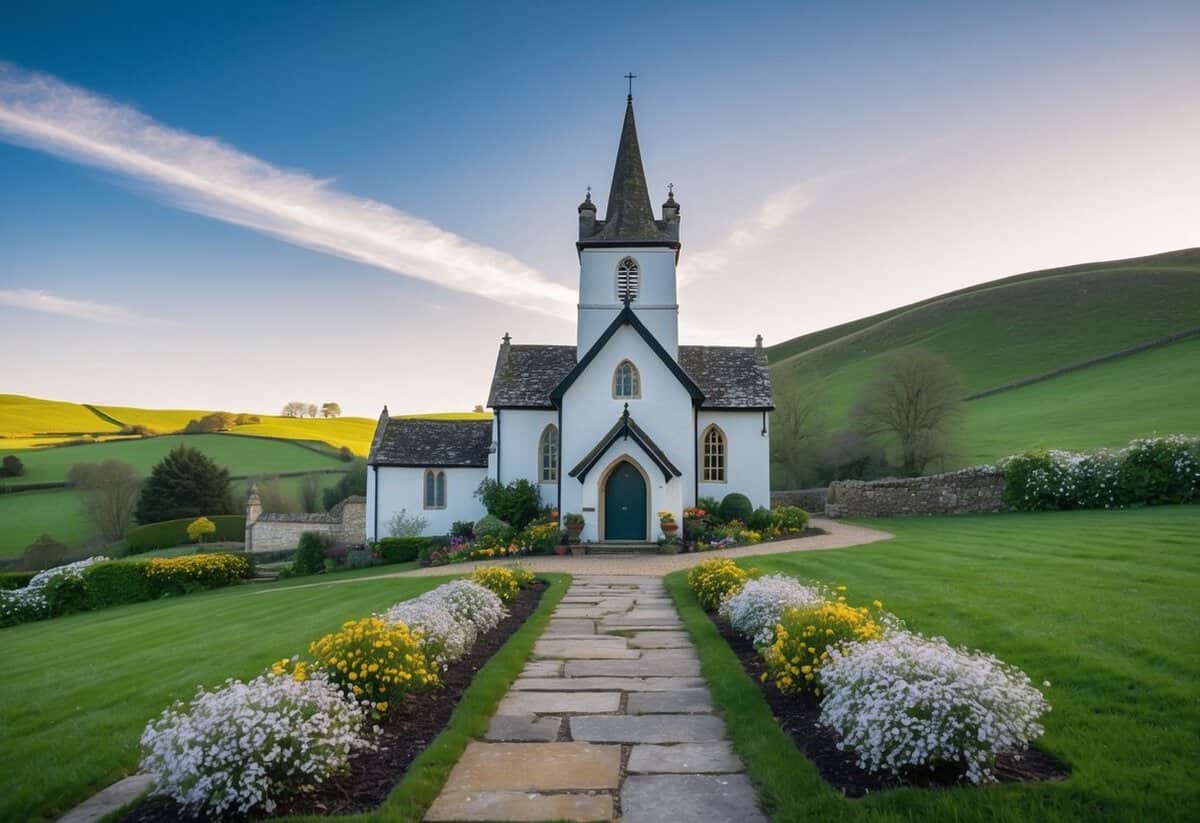
In England and Wales, both partners must be at least 16 years old and provide necessary documents like identification and proof of residence. In Scotland, the process varies slightly, allowing for a quicker timeline in some cases. There are also different rules if you plan to hold the ceremony in Northern Ireland.
Remember, getting married isn’t just about the ceremony; it’s about ensuring you meet all legal requirements to make your union official. It’s a good idea to plan ahead to avoid any last-minute issues as you prepare for your special day.
Understanding the Legalities
Getting married in the UK involves meeting specific legal requirements. It’s important to know what you need to prepare, whether you’re planning a civil ceremony or a religious wedding. Here’s what you should consider.
The Legal Requirements
To get married, you must fulfill legal requirements. You need to provide proof of identity, address, and nationality. Valid ID includes a passport or driver’s license. If you’re not from the UK, you must show your immigration status and may need a visa.
You must also give notice of marriage at your local register office, which involves a short interview. This notice shows your intention to marry and stays displayed for 28 days. After this period, you can arrange your wedding. Make sure to check if your venue qualifies for your ceremony type.
Eligibility to Marry
Both partners must be at least 16 years old to marry in the UK. If either of you is under 18, you’ll need parental consent. Check the specific rules for your area, as Scotland has different laws compared to England and Wales.
Before you proceed, ensure that both you and your partner are free to marry. This means there should be no existing marriages or civil partnerships. If either of you has transitioned gender, you may need a Gender Recognition Certificate to prove your current legal status.
Civil Partnerships vs. Civil Ceremony
Civil partnerships and civil ceremonies are two different ways to formalize your relationship. A civil ceremony is a traditional marriage that involves a wedding ceremony and can take place at various venues.
On the other hand, a civil partnership is a legal relationship for same-sex couples. It offers similar rights to marriage but may differ in certain legal aspects. Both options require similar legal documents, including proof of identity and residence.
Decide which suits you best based on your relationship and personal beliefs. Each choice reflects your commitment and intentions.
The Marriage Process
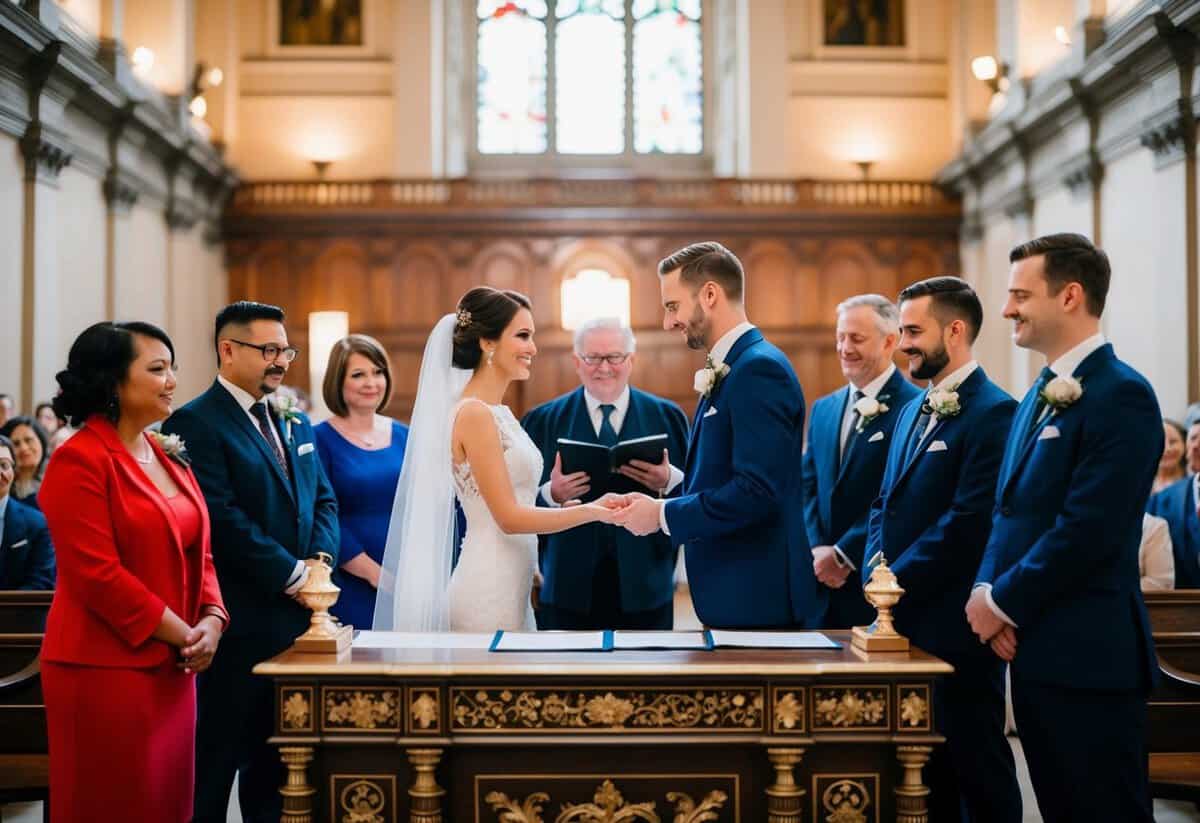
Getting married in the UK involves several important steps. You’ll need to give notice, choose the type of ceremony, select a venue, and prepare for the special day itself. Here’s a closer look at each step.
Giving Notice
Before you can get married, you must give notice at your local register office. This is basically a formal declaration of your intention to marry. Both partners need to attend and provide valid identification, such as a passport or driver’s license, along with proof of address.
You should give notice at least 28 days before your wedding date. During this time, your details will be publicly displayed to check for any objections. After this period, you will receive a Marriage Schedule, which you’ll need for the ceremony.
Choosing Between Civil and Religious Ceremonies
The type of ceremony you choose affects many details of your wedding. If you prefer a civil ceremony, it typically takes place in a register office or an approved premises like a hotel. These are simple and can be personalized with readings or music.
If you want a religious wedding, it can take place in various places, including a Church of England or Church of Wales. Different rules apply, so be sure to check what’s necessary. You may need to discuss your plans with a religious leader who will guide you through the requirements.
Selecting the Venue
Choosing the right venue sets the tone for your big day. If you opt for a civil ceremony, look for venues that are licensed for marriage. Many hotels and exclusive event spaces offer this option, allowing you to have the ceremony and the reception in one place.
For religious weddings, your chosen church must be registered for the ceremony. Consider the size of the venue and its facilities. Think about whether you want a small, intimate service or a larger gathering with family and friends.
The Day of the Ceremony
Your wedding day includes some key moments. You’ll need two witnesses present during the ceremony. They’ll sign the Marriage Certificate after you exchange vows.
During the ceremony, expect to hear declaratory words like, “I do,” as you and your partner express your commitment. This is the moment you exchange vows and rings, marking your union as a married couple.
Make sure to enjoy every moment of your day. It’s all about celebrating your love and commitment together!
After the Ceremony
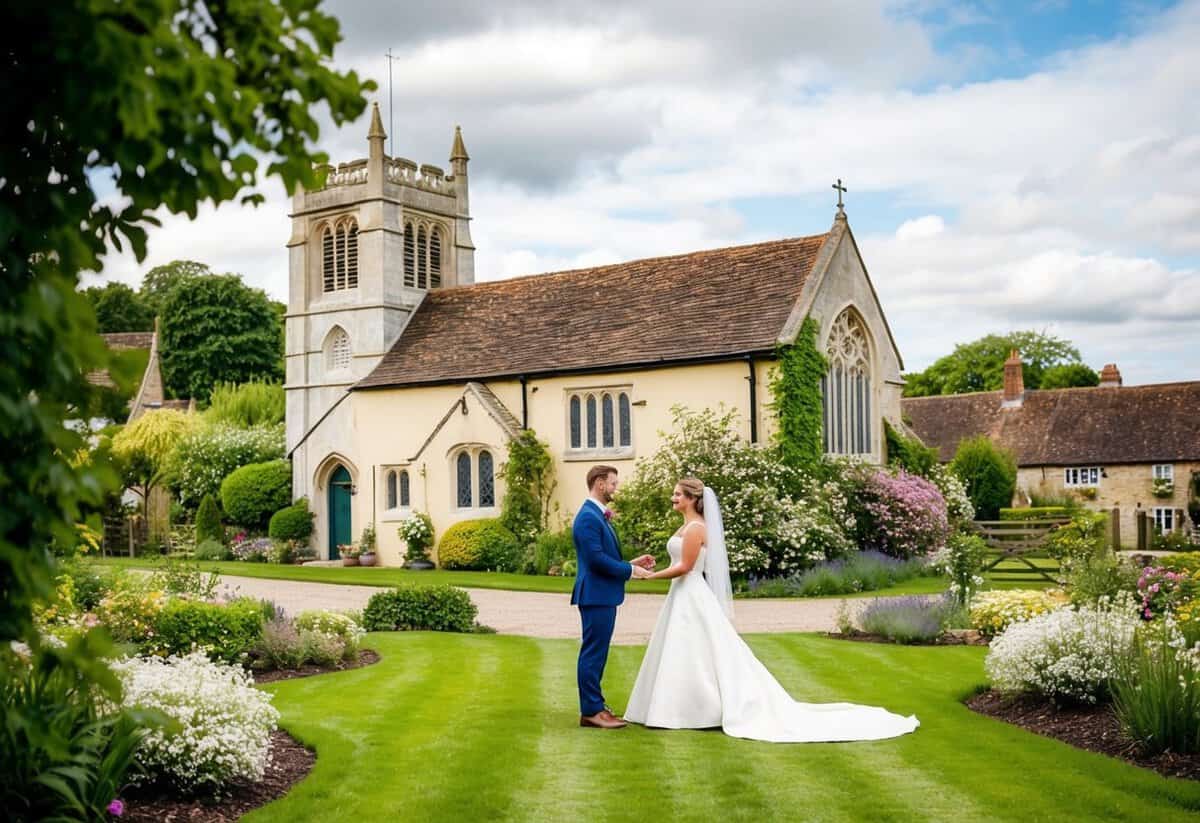
Once the ceremony is complete, there are important steps to follow. You need to register your marriage and obtain a marriage certificate. Both are essential proofs of your new legal status.
Registering the Marriage
After your wedding, you must register the marriage. This usually happens within 28 days of the ceremony. You and your partner will need to provide some information, such as your full names, addresses, and occupations.
The officiant will help you with the registration process. A Marriage Document is signed during the ceremony, which needs to be taken to your local registry office. The details will be entered into the Marriage Register. This record includes important information like dates and places of the ceremony. It’s crucial to make sure all details are accurate.
Obtaining the Marriage Certificate
Once your marriage is registered, you can apply for your Marriage Certificate. This certificate is an official document that proves you are married. You can request one from your local registry office or online.
The marriage certificate will show your name, spouse’s name, and the details of the marriage. Keep it safe, as you may need it for legal matters, such as changing names, opening joint bank accounts, or applying for visas. There might be a small fee for the certificate, so check in advance. Having this document ready will make future tasks easier.
Specific Considerations for Foreign Nationals
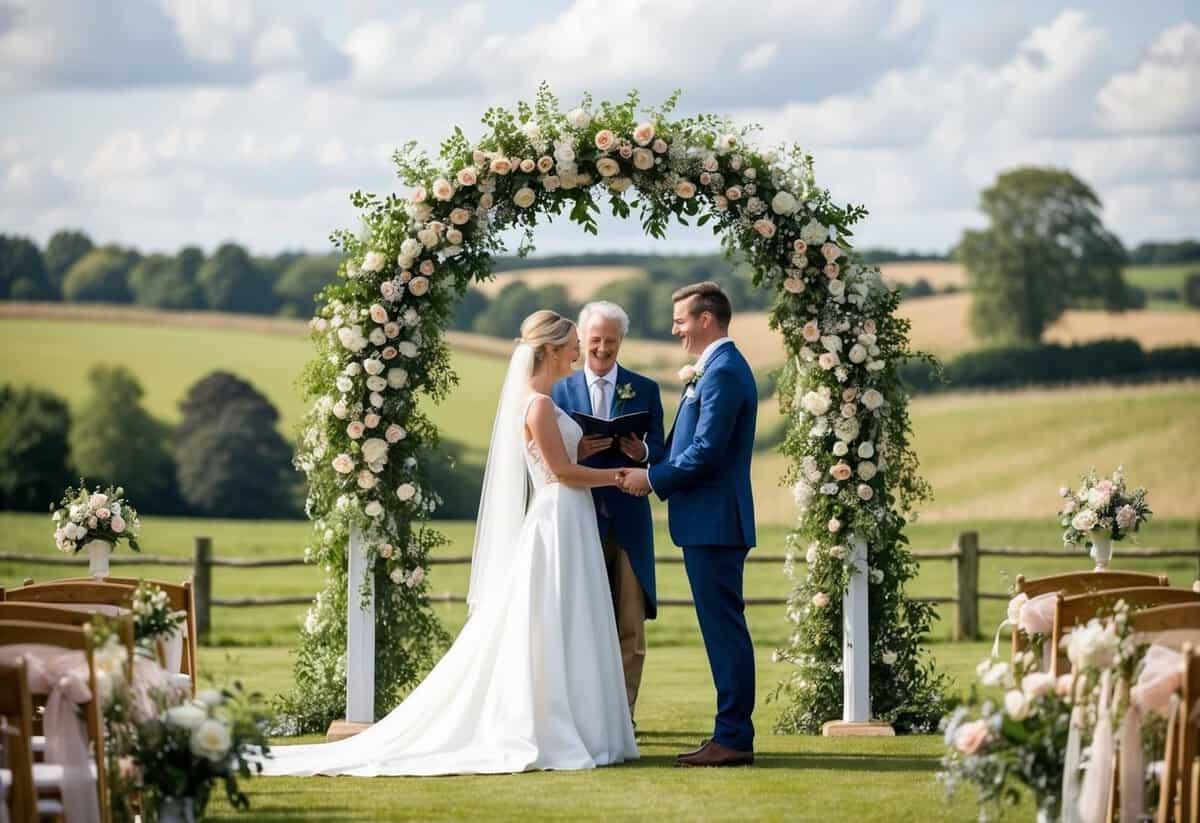
Getting married in the UK as a foreign national involves specific steps. Understanding the visa requirements and options will help you plan for a smooth wedding experience.
Visa Requirements for Getting Married
Before you can get married in the UK, you need to meet certain visa requirements based on your immigration status. If you are outside the UK, you’ll first need a valid passport and an appropriate visa.
Most foreign nationals will require an entry visa to marry in the UK. You can apply for this visa through the UK government’s official website. Processing times can vary, so it’s best to apply well in advance.
If you are already in the UK, your current immigration status may determine if you can marry. Make sure to check your eligibility before moving forward.
Marriage Visitor Visa and Civil Partnership Visas
If you plan to marry in the UK, you may choose to apply for a Marriage Visitor Visa. This visa allows you to visit the UK to get married, provided you meet specific requirements.
To qualify, you must intend to leave the UK after your marriage and have enough funds to support yourself during your stay. This visa typically lasts for up to six months.
Additionally, Civil Partnership Visas are available for those who wish to form a civil partnership in the UK. Similar to the Marriage Visitor Visa, this option also requires you to apply from outside the UK if you are not already present.
Be sure to choose an approved venue for your ceremony for it to be legally recognized.