
Castle Wedding Venues Quiz: Find Your Fairytale Setting
A castle wedding venue gives you built-in drama, historic character, and memorable photo settings. The right match comes from pairing that fairytale look with practical details such as guest capacity, lodging, accessibility, weather plans, and your travel budget.
The best castle wedding venues quiz for most couples is a preference-based quiz that matches your atmosphere, formality, guest count, lodging needs, and travel comfort to a venue style. Use your result as a starting point, then confirm each detail with the wedding venue before you book.
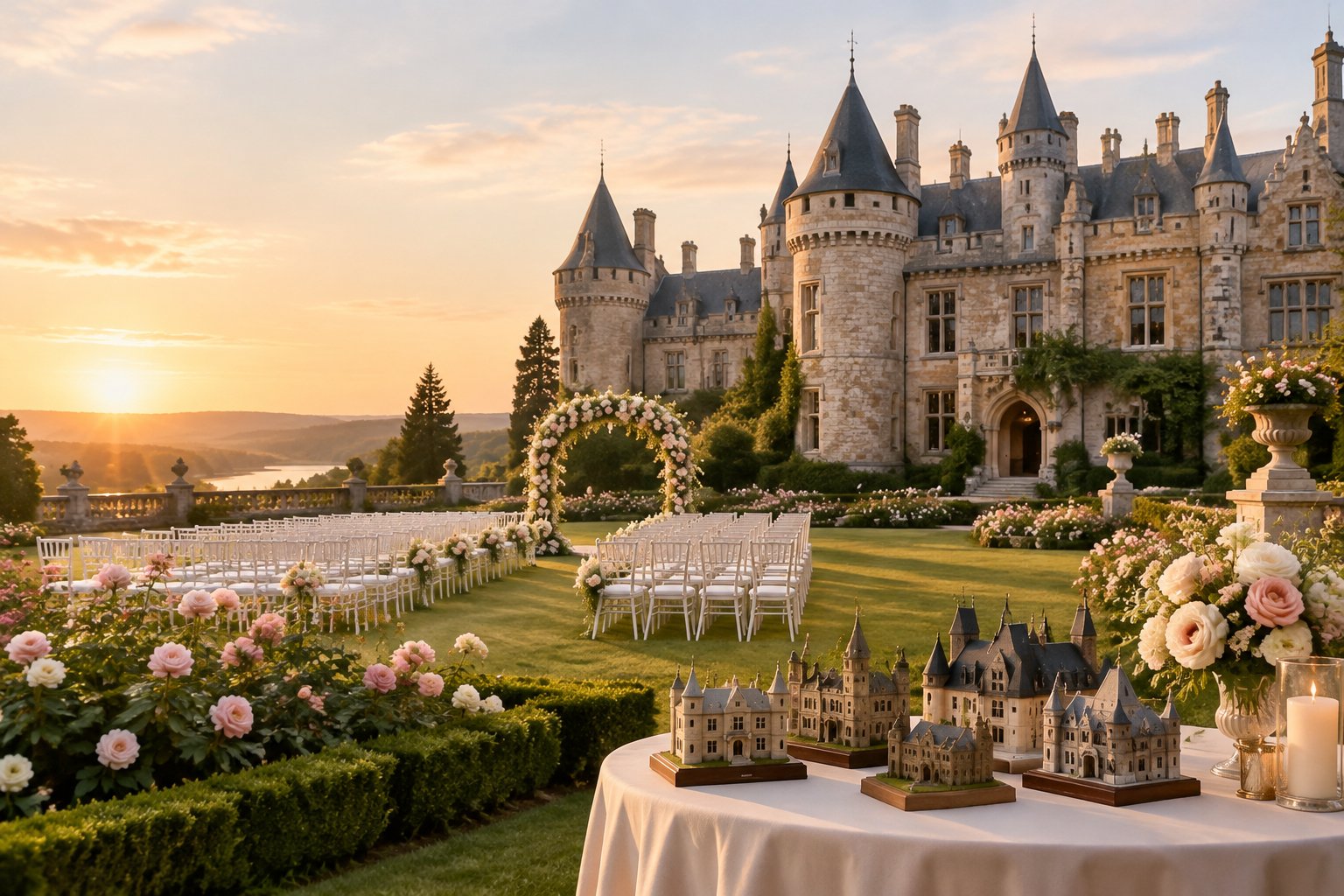
Your answers can point you toward a restored fortress, a garden estate, a modern castle-inspired property, or an intimate weekend setting. Once you know your style, explore wedding venue ideas and begin building a shortlist that fits your celebration.
You can also contact your favorite properties for current availability, packages, and tour details.
Take the Quiz: Which Castle Setting Fits Your Celebration?
Your ideal castle setting should match the mood you want, the level of formality you prefer, the number of guests you will host, and the distance your guests can manage. Choose the answer that feels closest to your plans in each category, then use the pattern to identify your best fit.
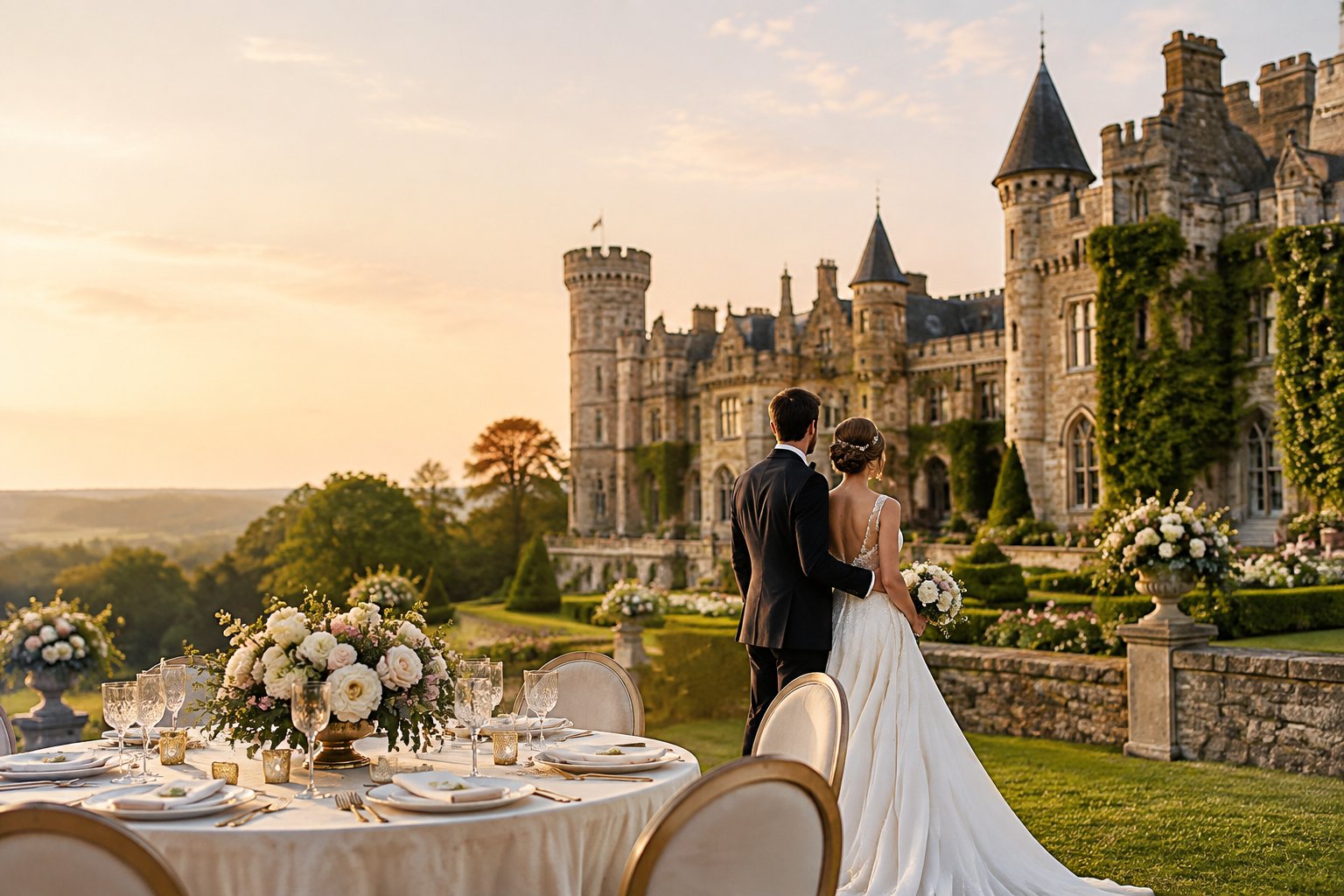
What Atmosphere Do You Want Guests to Feel?
Choose the mood that best describes your celebration:
- Storybook and dramatic: Look for towers, stone walls, grand staircases, and candlelit rooms.
- Romantic and relaxed: Search for gardens, terraces, fountains, and soft outdoor scenery.
- Formal and regal: Focus on ballrooms, historic estates, elegant dining rooms, and polished service.
- Warm and personal: Consider a smaller manor, private castle, or property with cozy libraries and drawing rooms.
- Fresh and stylish: Explore castles with Renaissance details, open layouts, updated décor, and flexible event spaces.
The architecture should support your décor. A heavily detailed property needs fewer decorations, while a simpler estate gives you more room to create a custom look.
How Formal Should the Ceremony and Reception Be?
A black-tie celebration calls for a grand room, structured dinner service, refined lighting, and space for formal portraits. Ask whether the property hosts black-tie weddings and whether its tables, chairs, linens, glassware, and staff match that standard.
A garden ceremony with a relaxed dinner suits an estate with outdoor lawns, covered patios, and an easy transition between spaces. For a casual celebration, review catering rules and outdoor sound limits before you sign.
If you want a full wedding weekend, search for castles that operate as hotels or partner with nearby lodging. That setup helps guests move between welcome events, the ceremony, and farewell gatherings.
What Guest Count and Overnight Stay Do You Need?
Your guest count should guide the size of every room, not only the venue’s maximum capacity. Request separate numbers for the ceremony, cocktail hour, seated dinner, dance floor, band or DJ, and buffet or bar area.
For a small wedding, a library, chapel, courtyard, or private dining room can feel more inviting than a large ballroom. Use these tips for choosing the perfect venue for a small wedding when you compare intimate properties.
If many guests will travel, ask how many rooms are available on-site, where overflow guests can stay, and whether transportation connects the lodging to the venue.
How Far Are You Willing to Travel?
Choose a local castle when you want easier site visits, simpler guest travel, and familiar vendors. A nearby property also gives you more chances to check the ceremony route, reception layout, and weather plan in person.
Choose a destination castle when the location itself forms a major part of the experience. Build in time for passports, flights, transfers, local marriage rules, and guest lodging.
Your result might point to a regional estate, a cross-country celebration, or an international castle. Keep the travel distance beside your guest list so the setting remains accessible to the people you most want there.
Understand Your Castle Venue Result
Your quiz result describes the kind of property that fits your priorities. Match the label to the building’s real event spaces, guest services, and operating rules before you schedule a tour.
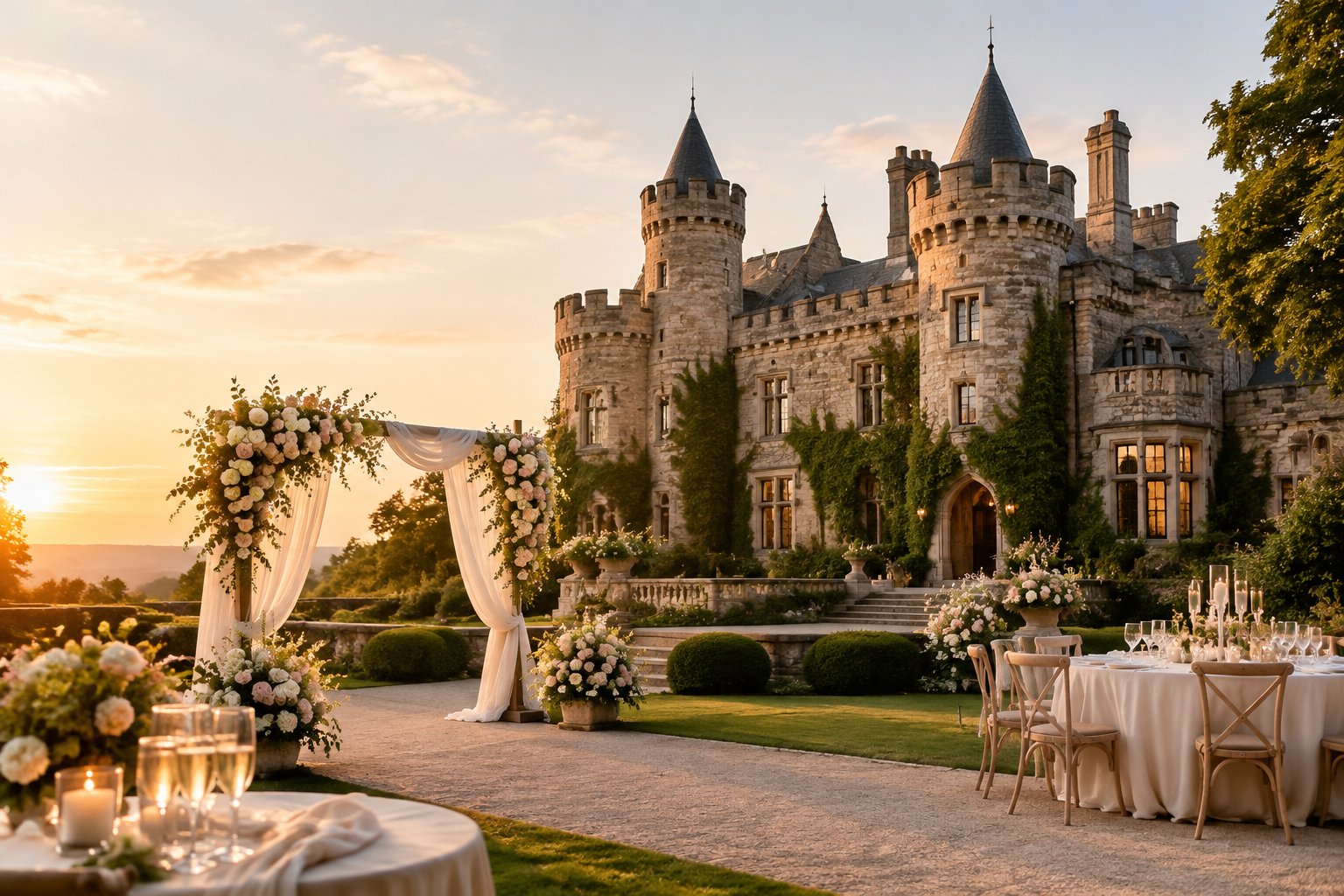
Historic architecture shapes the ceremony mood, while modern amenities shape the guest experience. Review both sides together, especially when your venue operates as a museum, hotel, or public attraction.
Historic Fortress or Heritage Estate
This result suits you if original stonework, towers, fireplaces, courtyards, and centuries of history drive your vision. Gothic, Tudor, Scottish, and Renaissance properties each create a different mood through their materials, light, and room design.
Ask which areas wedding guests may use and which spaces remain closed to the public. Confirm heating, cooling, power access, restrooms, elevator routes, decoration limits, and noise rules.
Historic rooms often have distinct capacity limits. Request a floor plan showing tables, the bar, dance floor, entertainment setup, cake table, and guest movement.
Garden Castle With Outdoor Ceremony Space
This result fits you when gardens, formal lawns, terraces, and natural portraits matter most. Ask about the ceremony surface, shade, seating, sound equipment, power, restroom access, and distance to the reception room.
A complete rain plan should identify the backup ceremony location and explain who makes the weather call. Confirm whether staff can move chairs, décor, and guests without creating a long delay.
Review the grounds at your ceremony time if possible. Sun direction, evening temperature, walking surfaces, and garden lighting affect guest comfort and photography.
Castle-Inspired Venue With Modern Comforts
A castle-inspired venue gives you turrets, arches, grand doors, and storybook styling alongside event-ready kitchens, climate control, parking, and updated restrooms. This result works well when you want a regal look with a clear planning process.
Ask which details are original, which are newly built, and how the design affects your décor choices. Review catering options, vendor policies, loading access, electrical service, and setup time.
For a polished modern wedding, check whether the event spaces support your preferred layout. Confirm where guests will gather for cocktails, dinner, speeches, dancing, and late-night food.
Intimate Castle Elopement or Weekend Celebration
This result suits a small guest list, a private ceremony, or a multi-day gathering with close family and friends. Look for properties with suites, libraries, private dining rooms, gardens, and flexible use of the grounds.
Ask about exclusive use, minimum stays, welcome dinners, breakfast service, and farewell events. A weekend schedule should leave room for guest arrival, quiet time, portraits, and transportation.
Use the property’s scale to guide your plans. A smaller room with comfortable seating and strong architectural details can create a more personal experience than a large reception hall.
Compare Castles With Other Venue Styles
Castles lead in architecture and atmosphere, while other wedding venues may offer easier access, different scenery, or more predictable layouts. Compare the setting with your guest experience, design goals, and planning needs before choosing.
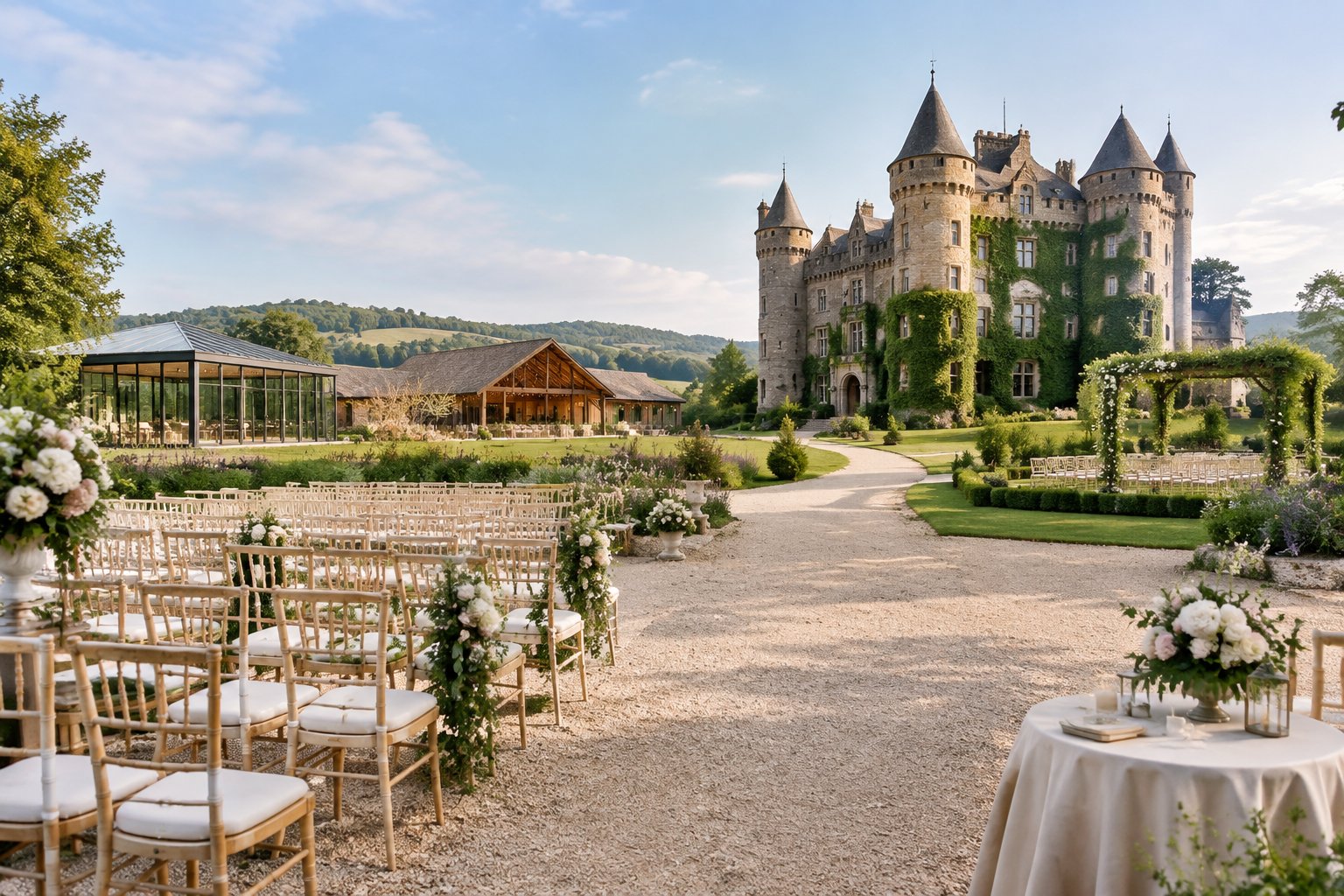
Your preferred style should fit the way you want guests to spend the day. A venue with beautiful photos still needs comfortable rooms, clear transportation, and enough space for every part of the event.
| Criteria | Castles | Vineyards | Ballrooms | Hotels | Urban Landmarks |
|---|---|---|---|---|---|
| Main appeal | Historic drama | Scenic landscape | Formal scale | Convenience | Cultural setting |
| Ceremony options | Rooms, courtyards, gardens | Vineyards, lawns | Indoor halls | Halls, rooftops | Public or private spaces |
| Lodging | Varies by property | Varies nearby | Usually nearby | On-site | Nearby hotels |
| Guest flow | May span buildings | Outdoor-focused | Central layout | Central layout | City-based travel |
| Weather planning | Site-specific | Outdoor backup needed | Strong indoor plan | Strong indoor plan | Property-specific |
| Design style | Old-world | Rustic-elegant | Classic or modern | Flexible | Distinctive |
Castles vs. Vineyards
Choose a castle for towers, stonework, historic interiors, and a formal fairytale mood. Choose a vineyard for rows of vines, open countryside, sunset views, and a relaxed outdoor setting.
Vineyards may place more of your day outside, so ask about heat, shade, uneven ground, insects, and rain coverage. Castles may offer stronger indoor character, while vineyards often provide broader views and open air.
Castles vs. Ballrooms
A ballroom gives you a clear event layout, controlled climate, and room for a large dinner and dance floor. A castle gives you more varied architecture, which can create separate moments for the ceremony, portraits, cocktails, and reception.
Ask how many rooms you will use and whether a room flip is required. Compare ceiling height, lighting, acoustics, catering access, and guest movement at your expected headcount.
Castles vs. Hotels
Hotels make guest lodging, room blocks, breakfast, transportation, and event service easier to coordinate. A castle offers a stronger sense of place, though its rooms and lodging arrangements differ by property.
Ask whether the property hosts other guests during your wedding weekend. Review check-in times, parking, elevators, accessible rooms, late-night policies, and the distance between sleeping rooms and event spaces.
Castles vs. Urban Landmarks
An urban landmark, such as the New York Public Library, gives you distinctive architecture and access to restaurants, transportation, museums, and city hotels. A castle gives you more privacy and a setting shaped by gardens, grounds, and historic estate design.
Urban venues may have strict vendor, photography, security, and timing rules. Confirm guest entry, elevator routes, sound limits, loading access, and the areas available for portraits.
Plan the Budget and Guest Experience
Your castle wedding budget should include the venue fee, food and beverage, rentals, transportation, lodging, service charges, décor, and weather backup needs. Ask for a complete proposal before comparing properties.
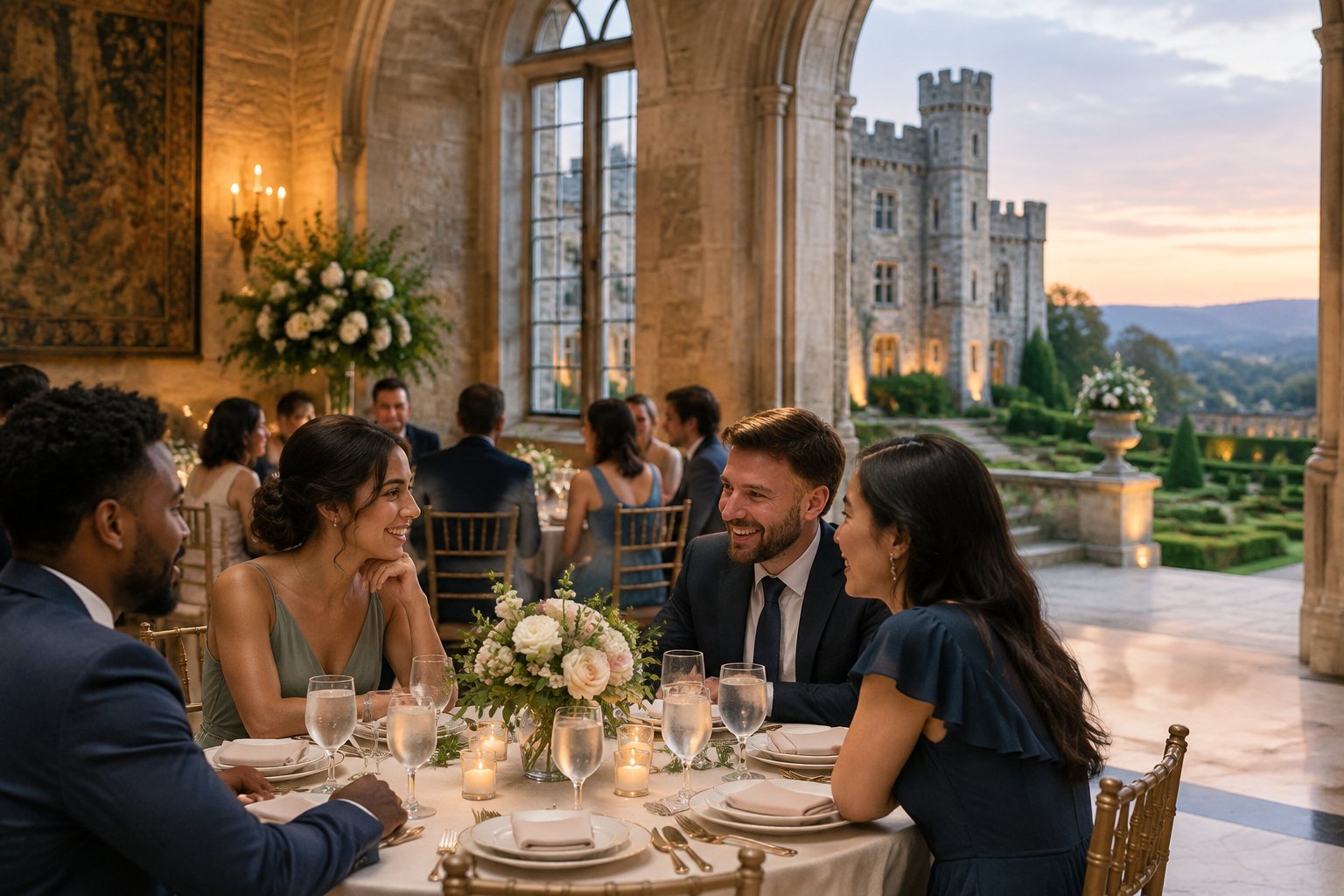
Historic buildings bring character, while their event rules can shape your costs. Use a detailed wedding budget plan that separates required charges from optional upgrades.
What Does a Castle Wedding Venue Usually Include?
Packages differ, so request an itemized list of included services. It may cover ceremony and reception spaces, tables, chairs, linens, catering, bar service, staffing, setup, cleanup, a coordinator, parking, or overnight rooms.
Ask about the items that affect your design and schedule:
- Getting-ready rooms
- Ceremony chairs and sound
- Cocktail-hour furniture
- Dinner tables and place settings
- Dance floor and lighting
- Cake cutting and storage
- Security and event insurance
- Rehearsal access
- Heating and cooling
- Cleanup and trash removal
Ask which vendors you may choose and which services the property controls. Confirm taxes, service charges, gratuities, overtime, corkage, cake fees, and additional rental costs in writing.
How Do Season, Exclusivity, and Location Affect Cost?
Peak dates, popular seasons, exclusive use, and remote locations can raise the total cost. A weekday, off-season date, or regional property might create more room in your budget.
Location affects guest flights, transfers, lodging, meals, and welcome events. Add those costs before you compare a local property with a destination castle.
If you want a castle look with a lower venue fee, review affordable castle wedding venues and ask whether the listed price covers the full event or only the site rental.
What Accessibility and Weather Questions Should You Ask?
Walk the complete route from parking to the ceremony, reception, restrooms, and lodging. Ask about ramps, elevators, accessible bathrooms, stable paths, seating areas, lighting, and shuttle service.
For outdoor plans, confirm the backup room, tent rules, heating, flooring, rain timing, and the person who makes the weather decision. Ask whether vendors can move equipment safely and how the venue communicates a change to guests.
Request the plan in writing. A clear timeline helps your planner, photographer, transportation team, and wedding party respond quickly.
How Can You Create a Smooth Weekend for Guests?
Give guests one clear schedule with arrival instructions, lodging details, transportation times, dress guidance, and contact information. A welcome gathering helps travelers settle in before the ceremony.
For a destination or remote property, arrange shuttles between airports, hotels, and the venue when needed. Share walking distances and accessibility details so guests can plan comfortably.
Keep the wedding day easy to follow. Build in breaks between events, provide food during long transfers, and make sure guests know where to go after the reception.
Choose Between a Local and Destination Castle
A local castle works best when guest access and simpler planning lead your decision. A destination castle earns the extra travel when the location supports a full shared experience. Compare travel, legal requirements, lodging, and the value of extending the celebration.
A local property can still feel like a getaway if you add a welcome dinner, overnight stay, or next-day brunch. For help weighing the two paths, use this guide on how to decide between a local or destination wedding.
When Is a Destination Wedding Worth It?
A destination wedding makes sense when your guest list is focused, your date allows plenty of planning time, and your guests welcome the travel. It works well for couples who want several days of shared meals, activities, and time together.
Budget for flights, passports, transfers, lodging, meals, local vendors, marriage documents, and currency changes. Tell guests the expected costs and schedule before they commit.
Choose a local castle when many important guests have limited travel options or when you want frequent site visits. A nearby property keeps vendor meetings and planning appointments easier to manage.
Castle Wedding Ideas in Europe and Beyond
Europe offers historic castles, châteaux, manor estates, formal gardens, and mountain properties. Ireland suits a green countryside setting, while France offers château architecture, gardens, and refined dining.
Lake Como pairs villas, water views, and Italian scenery with nearby historic properties. Bali combines resort service, tropical landscapes, and dramatic ceremony settings. Hawaii gives you island scenery, ocean air, and a strong vacation feel.
Check each property’s marriage rules, ceremony requirements, guest capacity, lodging terms, and transportation plan. A beautiful country still needs a venue that can host your exact event.
Pairing the Wedding Location With a Honeymoon
A destination castle can lead naturally into a honeymoon when you allow enough time for travel and rest. After a European celebration, you might continue through nearby cities or coastal areas. After a wedding in Hawaii or Bali, you can extend your stay at a resort.
Keep the wedding and honeymoon budgets separate. Decide whether you want guests nearby for the whole trip or privacy after the wedding weekend.
Review honeymoon destination hotels before you book, especially when your ceremony site and honeymoon hotel will be in different regions.
Turn Your Result Into a Venue Shortlist
Turn your quiz result into a shortlist of three to five properties that meet your guest count, budget range, location, and must-have features. A focused list makes tours, proposals, and comparisons easier to manage.
Your result should guide your search terms, not make the booking decision for you. Confirm every important detail with the venue’s current proposal and contract.
Questions to Ask Before Booking
Ask each property:
- What is the seated dinner capacity with dancing and a band?
- Which ceremony and reception spaces are included?
- What is the rain plan for an outdoor ceremony?
- Are heating, cooling, elevators, and accessible restrooms available?
- How many guests can stay on-site or nearby?
- Can you choose your caterer, planner, photographer, and entertainment?
- What are the setup, cleanup, noise, and end-time rules?
- Are exclusive use and rehearsal access included?
- What taxes, service charges, deposits, and cancellation terms apply?
- Which historic areas have decoration, candle, or photography restrictions?
Request a current floor plan and sample timeline. Ask to see a full proposal for your date and guest count.
How to Use The Knot and Other Search Tools
Use The Knot, venue directories, map searches, and local wedding groups to find properties by region, style, capacity, and guest reviews. Search both “castle wedding venue” and terms such as “historic estate,” “manor wedding,” and “château venue” to broaden your options.
Use filters to remove properties that miss your location, capacity, or budget range. Then visit the venue’s own website for current packages, rules, lodging details, and contact information.
A wedding venue quiz can help clarify service preferences, especially when you are choosing between a full-service package and a more flexible rental.
When to Tour in Person or Virtually
Tour in person when the property is nearby and the building’s scale, walking routes, lighting, or accessibility will shape your decision. Bring your guest count, preferred date, budget range, and ceremony plan.
Choose a virtual tour when you are comparing distant castles or destination properties. Ask the venue team to walk through arrival, getting ready, ceremony, portraits, cocktails, dinner, dancing, lodging, and the weather backup.
After each tour, record the same details for every property. Include total estimated cost, included services, guest travel, lodging, accessibility, restrictions, and the specific room assigned to each wedding moment.