
Cheap Venues for Wedding: Beautiful Ideas on a Budget
You can find cheap venues for wedding celebrations in public parks, community centers, courthouses, private restaurants, and backyards. The best starting point for most couples is a community center or town hall because you can often get an indoor ceremony and reception space, restrooms, tables, and chairs in one rental.
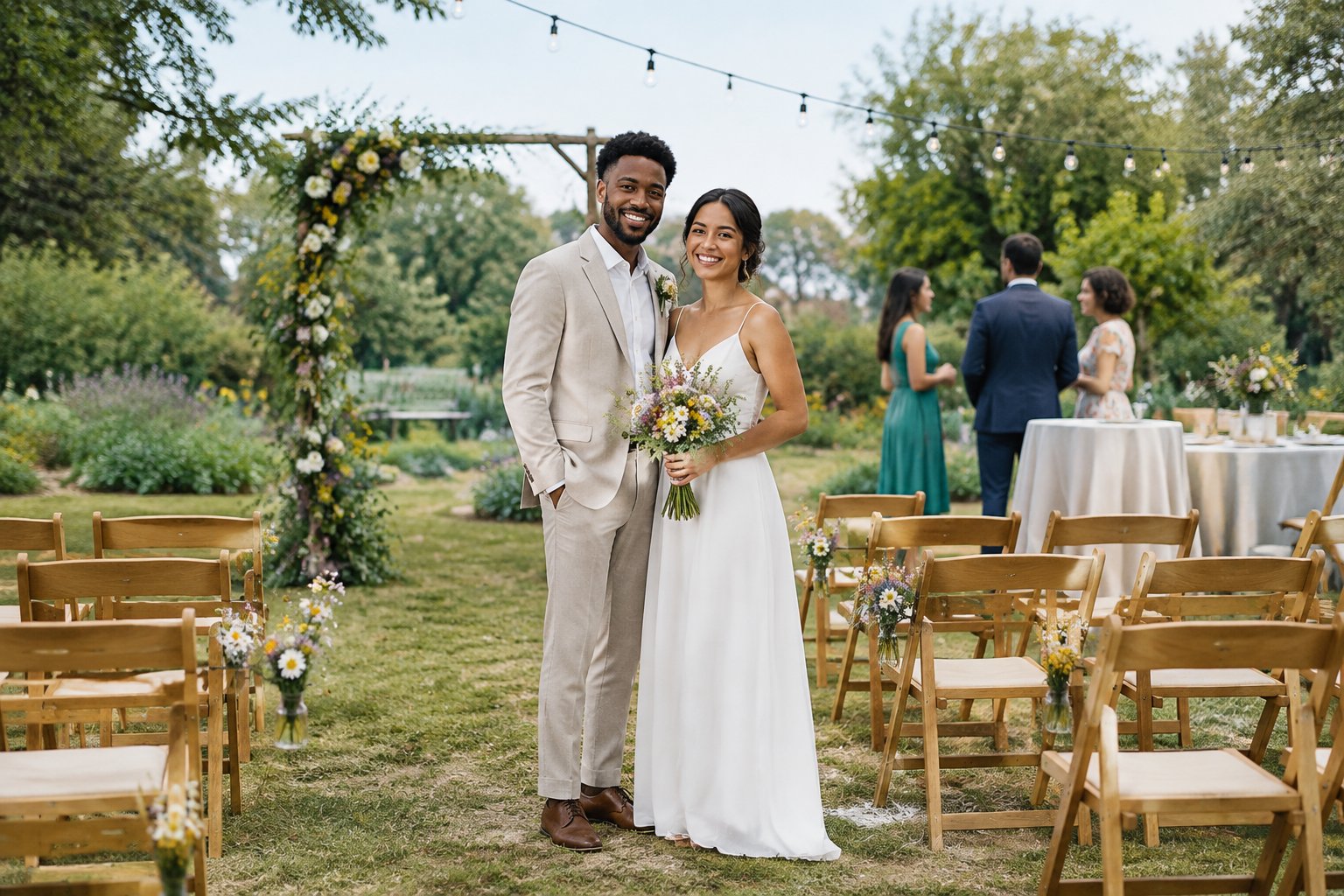
Affordable wedding venues usually cost less when you choose a small guest list, an off-peak date, and a space with useful features already included. A low rental fee does not tell you the full wedding venue cost, so check catering, rentals, permits, insurance, staffing, and cleanup before you book.
Your wedding budget can still support a beautiful setting with thoughtful wedding planning. Start by comparing the complete venue pricing for each option, then contact your favorite location for a written quote and clear package details.
What Counts as an Affordable Place to Get Married?
An affordable place to get married keeps the complete ceremony and reception cost within your wedding budget after rentals, food, staffing, and required fees are added. A low venue fee helps, though a space with tables, chairs, restrooms, kitchen access, or catering included can offer better value at a higher starting price.
Location, guest count, date, access hours, and vendor rules shape venue rental costs. A small wedding may fit a restaurant room or garden, while a larger celebration needs more seating, parking, and restroom capacity.
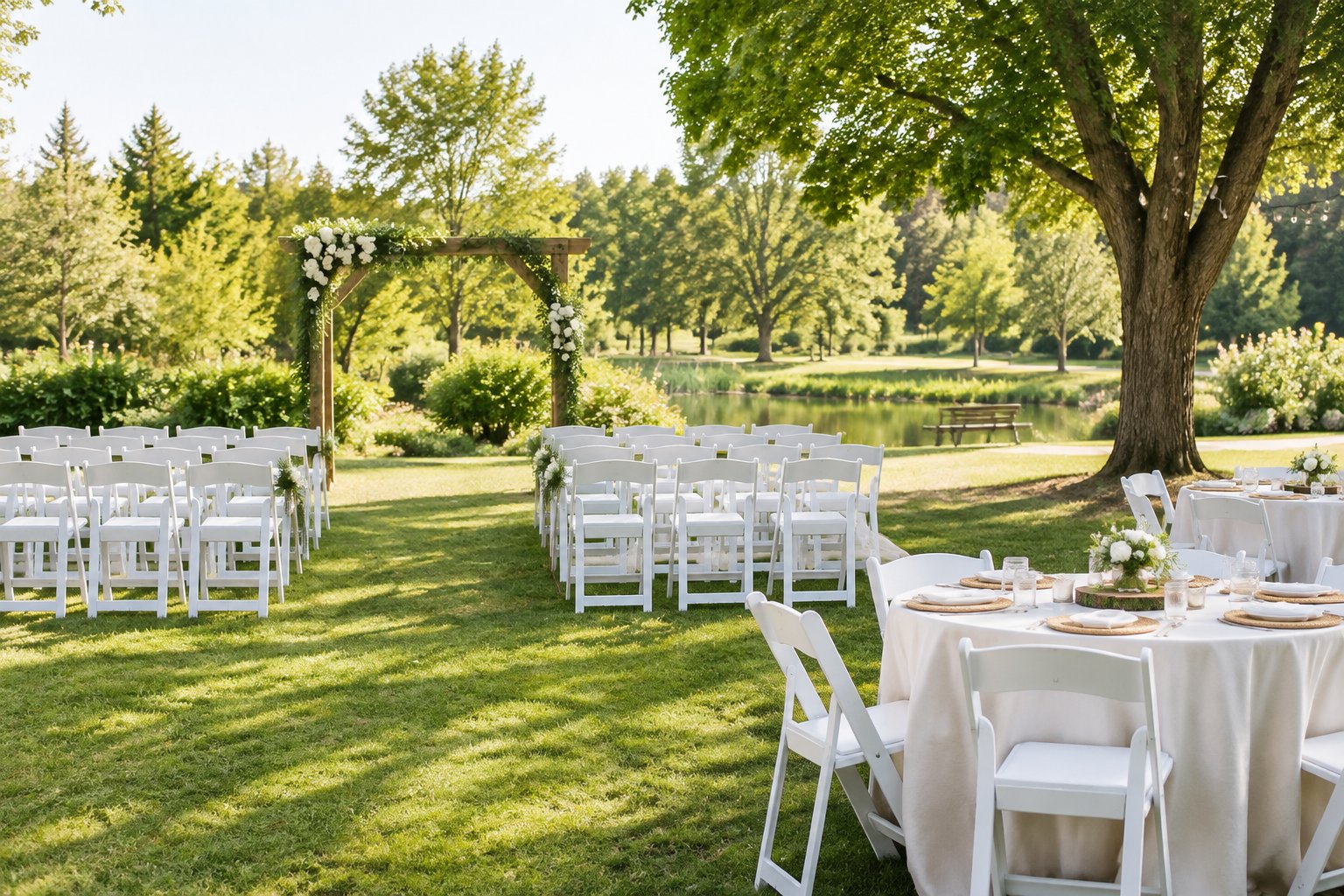
How Much Should You Allocate for the Venue?
Set a firm venue limit before you tour spaces. Many couples reserve a large share of the wedding budget for the venue, food, and drinks, so list those costs together before choosing a target amount.
Include the rental fee, tax, service charges, furniture, linens, lighting, sound equipment, security, and cleanup. Add a cushion for items that appear after you review the contract.
Venue Fee vs. Total Event Cost
The venue fee covers access to the property for a stated time. Your total event cost includes every service needed to welcome guests and run the celebration.
Ask whether the quote includes:
- Tables, chairs, and linens
- Setup and breakdown
- Restrooms and parking
- Catering or kitchen access
- Staff, security, and cleanup
- Insurance, permits, and taxes
- Overtime and damage deposits
A bare outdoor space may have low venue pricing while requiring tents, portable restrooms, generators, flooring, and extra labor. Add each item to the same worksheet before comparing locations.
When Wedding Packages Save Money
Wedding packages save money when their included services match what you already plan to buy. A package with food, tables, chairs, staffing, and basic setup may cost less than separate vendors.
Ask for an itemized package price and confirm guest minimums. Remove services you do not need, then compare the adjusted quote with a venue-only option.
Low-Cost Public and Community Spaces
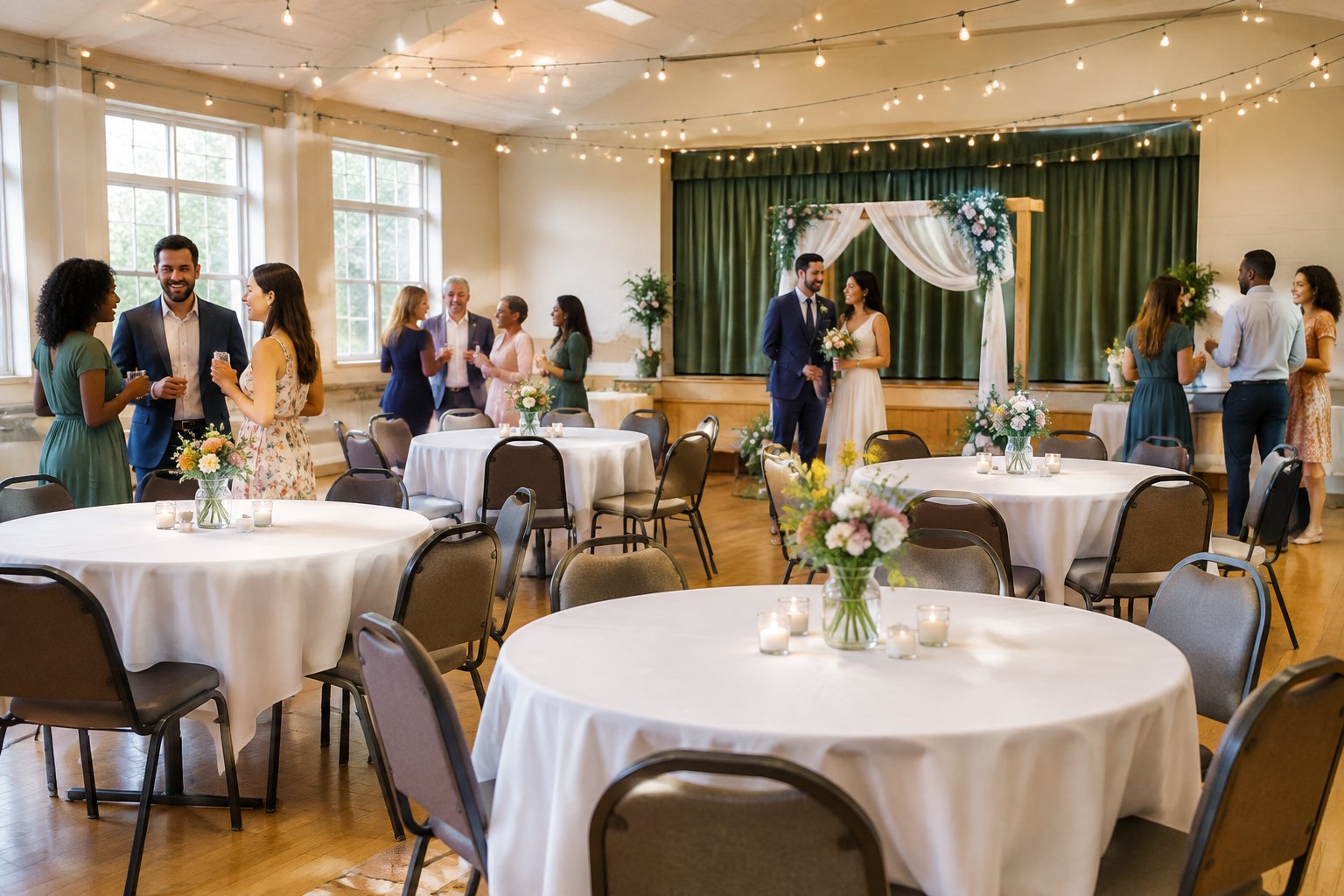
Community centers, town halls, libraries, schools, courthouses, and churches offer some of the most practical low-cost wedding spaces. These locations often provide restrooms, indoor shelter, parking, and useful rooms for a ceremony and reception.
Permit rules, alcohol policies, guest limits, and cleanup duties vary by owner. Contact each property early and request the full rental agreement before paying a deposit.
Community Centers and Town Halls
Community centers and town halls work well for receptions with simple décor. You may find a main hall, kitchen, tables, chairs, stage, and smaller rooms for getting ready.
Ask about hourly minimums, access for setup, noise limits, and approved caterers. A building with an outdoor courtyard gives you a ceremony area and an indoor backup in one booking.
Libraries and Schools
Libraries and schools sometimes rent meeting rooms, auditoriums, courtyards, or athletic spaces for private events. Their layouts suit small wedding venues with modest décor and limited entertainment.
Check event hours, furniture rules, kitchen access, parking, security, and restrictions on alcohol. A school or library may require extra staff because the property serves the public.
Courthouse and City Hall Ceremonies
A courthouse wedding or city hall ceremony keeps the legal portion small and focused. You will need a marriage license, identification, appointments, and any required witnesses according to local rules.
Courthouse weddings work well when you plan a separate dinner, backyard gathering, or park reception. Confirm ceremony times, guest limits, photography rules, and current fees with the county clerk or city office.
Churches and Houses of Worship
A church wedding can provide a meaningful ceremony space at a modest fee for members or community groups. Churches may also offer fellowship halls for cake, punch, or a full reception.
Ask about membership requirements, premarital counseling, music rules, décor limits, alcohol, and cleanup. Confirm whether the rental includes the sanctuary, reception room, rehearsal time, and on-site coordinator.
Scenic Outdoor Settings With Lower Rental Fees
Parks, gardens, beaches, and other outdoor venues provide natural scenery that reduces decoration needs and often keeps the site fee manageable. Your quote must also cover permits, restrooms, seating, power, lighting, weather protection, and cleanup.
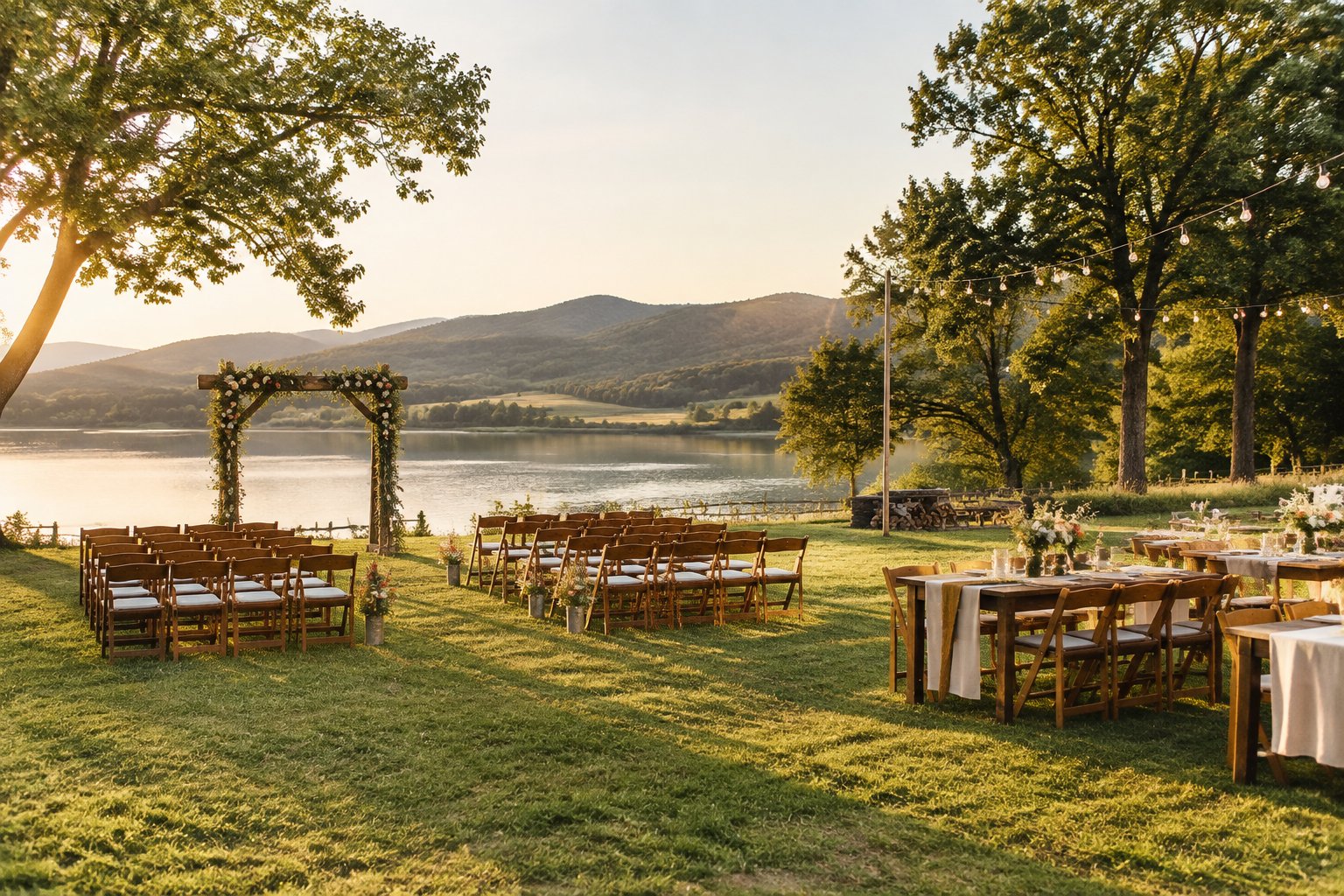
Choose a site with mature landscaping, a practical parking plan, and a usable weather backup. Ask who handles trash, lawn access, vendor loading, and guest safety.
City Parks and Botanical Gardens
City parks offer lawns, picnic shelters, gazebos, and waterfront views for a park wedding. Botanical gardens add flowers and established paths, which can reduce floral and décor costs.
Request the special-event permit rules and ask whether your reservation covers private use. Check amplified music, alcohol, guest capacity, parking, restroom access, and rain coverage.
State Parks and National Parks
State parks and national parks offer memorable landscapes and designated event areas. A permit or reservation may provide access to a pavilion, overlook, beach, or meadow.
Review ceremony restrictions, vehicle fees, fire rules, accessibility, and closing times. A remote site can add transportation, power, restroom, and vendor delivery costs, so include those charges in your comparison.
Beach and Waterfront Ceremonies
Beach weddings can create a beautiful ceremony setting with little added décor. Public access, wind, tides, permits, and limited power require careful planning.
Ask about chairs, sound equipment, guest seating, parking, restroom access, and cleanup. Plan a covered meal space nearby if guests need shade or shelter.
Zoos and Aquariums
Zoos and aquariums sometimes rent event rooms, terraces, galleries, or exhibit areas for intimate celebrations. An aquarium wedding gives you built-in visual interest and a memorable guest experience.
Ask whether admission, catering, staffing, security, and private exhibit access are included. Check event hours, guest capacity, vendor rules, and photography restrictions before comparing the package with a traditional hall.
Unexpected Spaces That Include More Than a Room
Restaurants, museums, galleries, hotels, backyards, and private homes can lower venue costs by combining the space with food service, furniture, lodging, or built-in décor. These wedding venues work best when their existing layout supports your guest count and schedule.
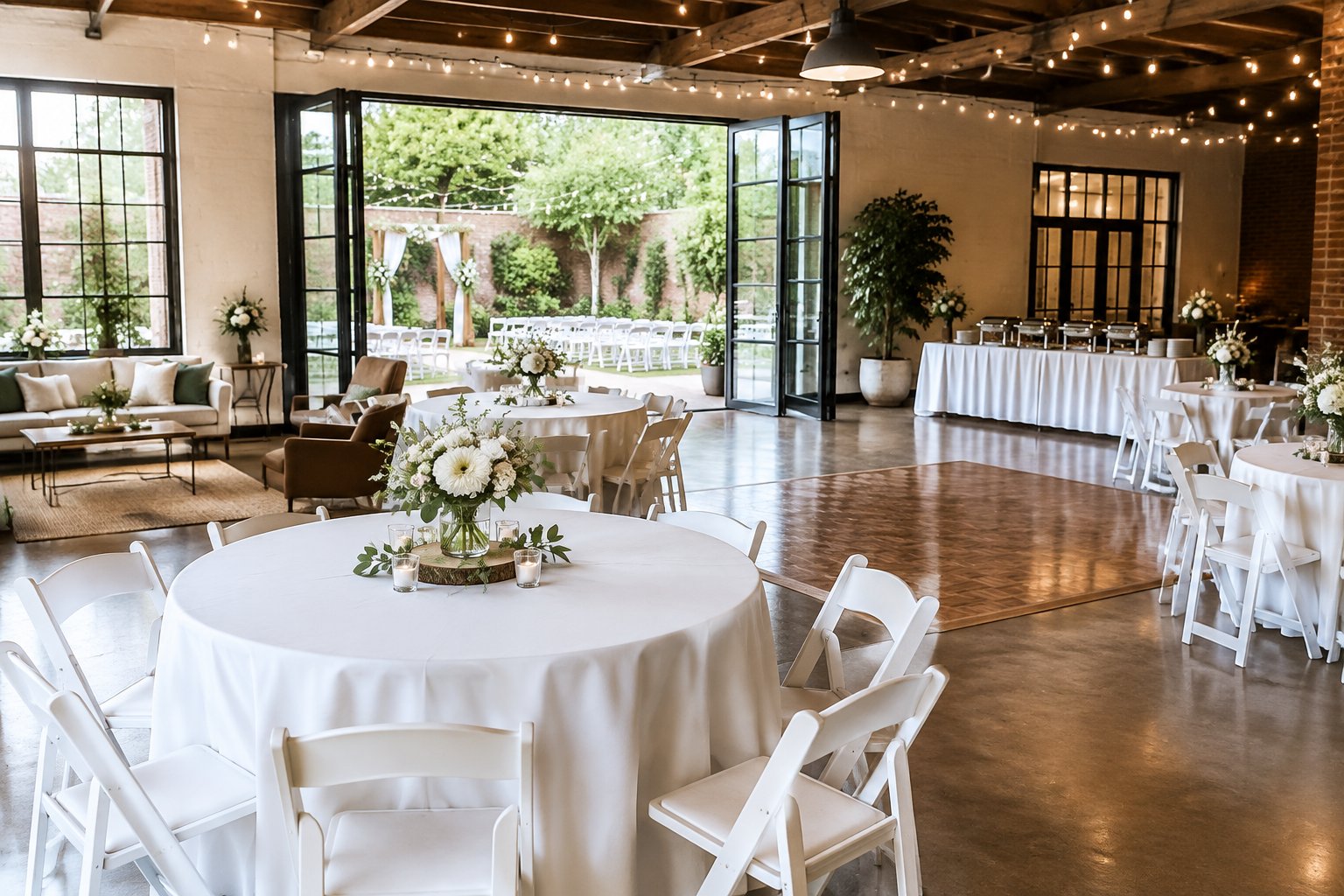
Review food minimums, staffing, access hours, vendor policies, and noise rules. A creative space can save money when its included services replace rentals you would otherwise arrange separately.
Restaurant Private Rooms and Buyouts
Restaurant weddings suit smaller guest lists and couples who want a meal-centered celebration. A private room or full buyout may include tables, chairs, service staff, china, and a set menu.
Ask about food and beverage minimums, service charges, cake cutting, corkage, music, décor, and private access. Compare the full minimum spend with separate catering and venue rental costs.
Museums, Art Galleries, and Historic Sites
Museums, art museums, galleries, and historic sites provide architecture and display pieces that limit the need for décor. A museum wedding venue may offer a courtyard, gallery, terrace, or reception room.
Confirm event hours, exhibit access, food rules, approved caterers, insurance, and setup limits. Fragile displays and historic surfaces often come with strict décor and vendor requirements.
Hotels and Ballrooms
Hotels and ballrooms can offer wedding packages with catering, tables, chairs, linens, staff, and guest rooms. Ask about weekday rates, smaller room options, brunch packages, and discounted room blocks.
Read the package details closely. Check service charges, taxes, bar minimums, cake fees, parking, overtime, and the room access time for setup.
Backyards and Private Homes
A backyard wedding or home wedding can provide a personal setting with a low site fee. You still need to budget for seating, restrooms, lighting, parking, trash removal, catering access, and weather protection.
Check local noise and zoning rules before inviting guests. Use a written agreement with the property owner that covers access, repairs, insurance, cleanup, and the event schedule.
How to Compare Quotes Without Missing Hidden Costs
Compare every venue quote by rebuilding it into the same categories: rental, food, rentals, labor, permits, insurance, taxes, and cleanup. The lowest starting number may require more outside services than a higher all-inclusive quote.
Create a worksheet with one row for each cost. Mark every item as included, optional, required, or unpriced.
Ask What Is Included in the Rental
Request an itemized list of furniture, rooms, restrooms, parking, lighting, power, setup time, and cleanup. Ask whether the rental covers both ceremony and reception areas.
Confirm the exact access window. Setup, vendor loading, guest time, breakdown, and overtime may each have separate rules or charges.
Price Rentals, Food, and Labor Separately
List tables, chairs, linens, dishes, glassware, tents, heaters, fans, lighting, and sound equipment. Then add catering, bartending, delivery, setup, and service labor.
For outdoor venues, price portable restrooms, generators, flooring, trash service, and weather equipment. Use the same guest count and service level for every quote.
Plan for Permits, Insurance, and Cleanup
Public spaces may require permits, event insurance, security, amplified-sound approval, or alcohol authorization. Ask who applies for each permit and when payment is due.
Confirm who removes trash, restores the property, and handles spills or damage. Get deposits, cleaning fees, and cancellation terms in writing.
Build a Weather Backup for Outdoor Events
Choose a backup plan before signing an outdoor venue contract. A covered pavilion, nearby indoor room, tent area, or rescheduling policy gives you a clear response to rain, heat, wind, or smoke.
Ask about tent approval, flooring, heaters, fans, generators, and weather-related refunds. Keep the backup cost in your wedding budget from the first quote.
Ways to Lower the Price Before You Book
You can lower the price of affordable wedding venues by choosing a flexible date, trimming the guest list, combining the ceremony and reception, and negotiating specific services. These choices reduce both the rental charge and the number of rentals, meals, and staff hours you need.
Set your priorities before contacting venues. Keep the features that shape your guest experience and remove items that do not support your plans.
Choose an Off-Peak Date or Time
Ask about Friday, Sunday, weekday, morning, brunch, winter, and late-fall rates. Venues may offer lower pricing during periods with less demand.
A shorter event window can reduce hourly rental, staffing, lighting, and bar costs. Confirm that the access period still leaves enough time for setup and cleanup.
Reduce the Guest Count Strategically
A smaller guest list lowers food, beverage, seating, table, linen, and restroom needs. It also opens more small wedding venues, private rooms, gardens, and courthouses.
Set a clear guest limit before requesting quotes. Ask each venue to price the same headcount so the proposals remain comparable.
Hold the Ceremony and Reception in One Location
One location removes a second rental fee and reduces transportation between events. Guests also avoid a gap between the ceremony and reception.
Ask whether the venue charges separate fees for the ceremony area, room flip, rehearsal, or extended access. A package that includes both spaces can simplify the schedule and the invoice.
Negotiate Based on Flexibility, Not Pressure
Offer practical tradeoffs such as an off-peak date, shorter rental hours, a smaller room, limited décor, or fewer included services. Ask whether the venue can add useful items, such as chairs or setup time, when a rate change is not available.
Review every change in writing before you sign. The contract should show the final price, included services, payment schedule, cancellation terms, and any agreed extras.