
Cheap Wedding Venues for 50 People: Smart Budget Options
For a 50-person wedding, the most affordable venue choices are community centers, restaurants with private rooms, public parks, backyards, and courthouses. A community center or restaurant private room usually suits couples who want a low rental cost with seating, restrooms, and food service close at hand. A small celebration also gives you room to choose a weekday date, limit décor, and spend more of your budget on the guest experience.
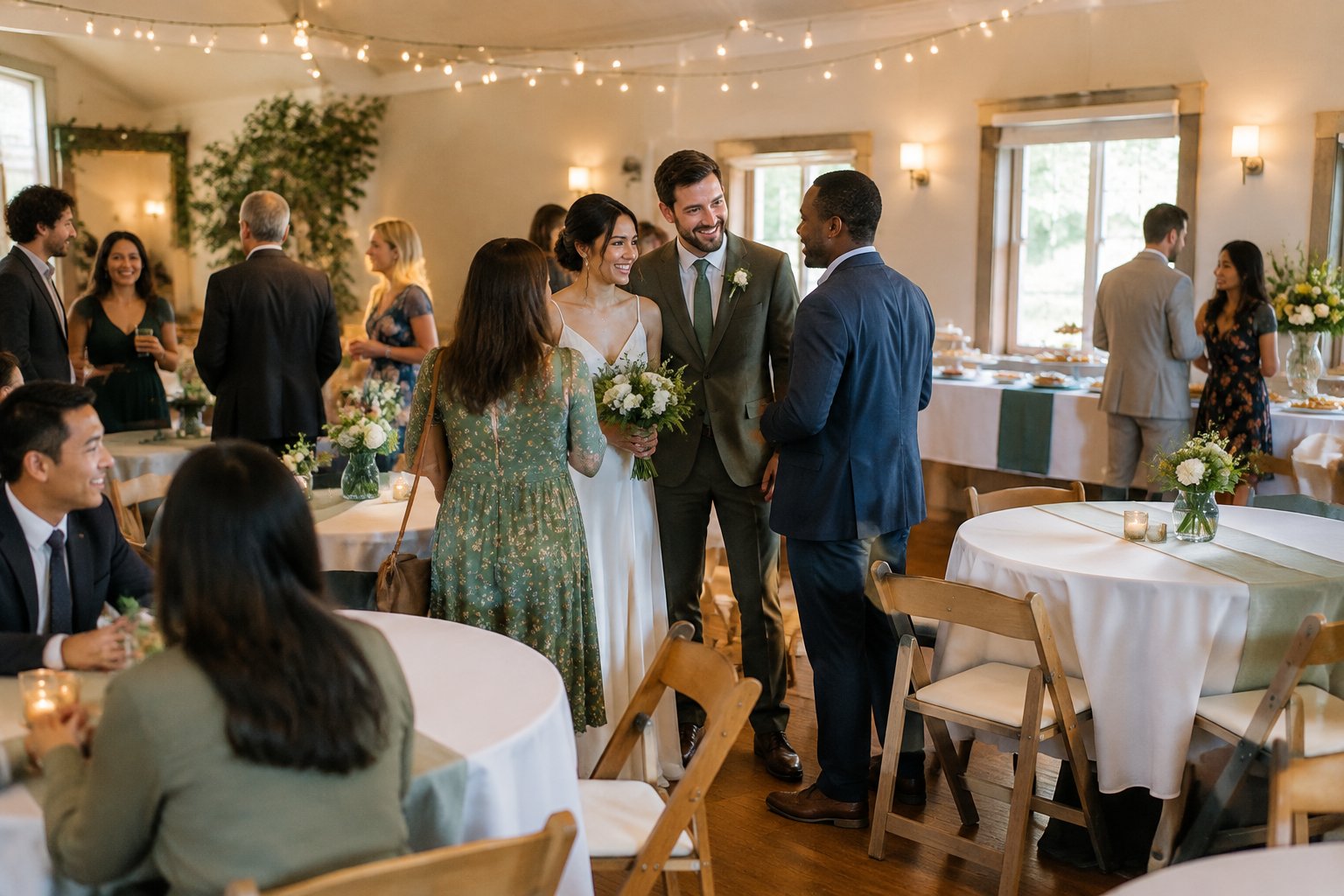
The phrase cheap wedding venues for 50 people does not have to mean a bare room. A modest space with natural scenery, useful amenities, or an inclusive meal package can look polished while keeping costs under control. Compare the full event price, including food, rentals, permits, staffing, and cleanup, before you reserve a date.
Start by listing your guest count, preferred season, ceremony plan, and meal style. Then contact a few local venues for written quotes. If you want more inspiration for the celebration itself, explore these small wedding ideas for 50 guests while you compare spaces.
What Should a Venue for 50 Guests Cost?
A venue for 50 guests can cost from a few hundred dollars for a basic public or community space to several thousand dollars for a staffed venue with catering and rentals included. Your wedding venue cost comes from the complete package, not the room rental alone.
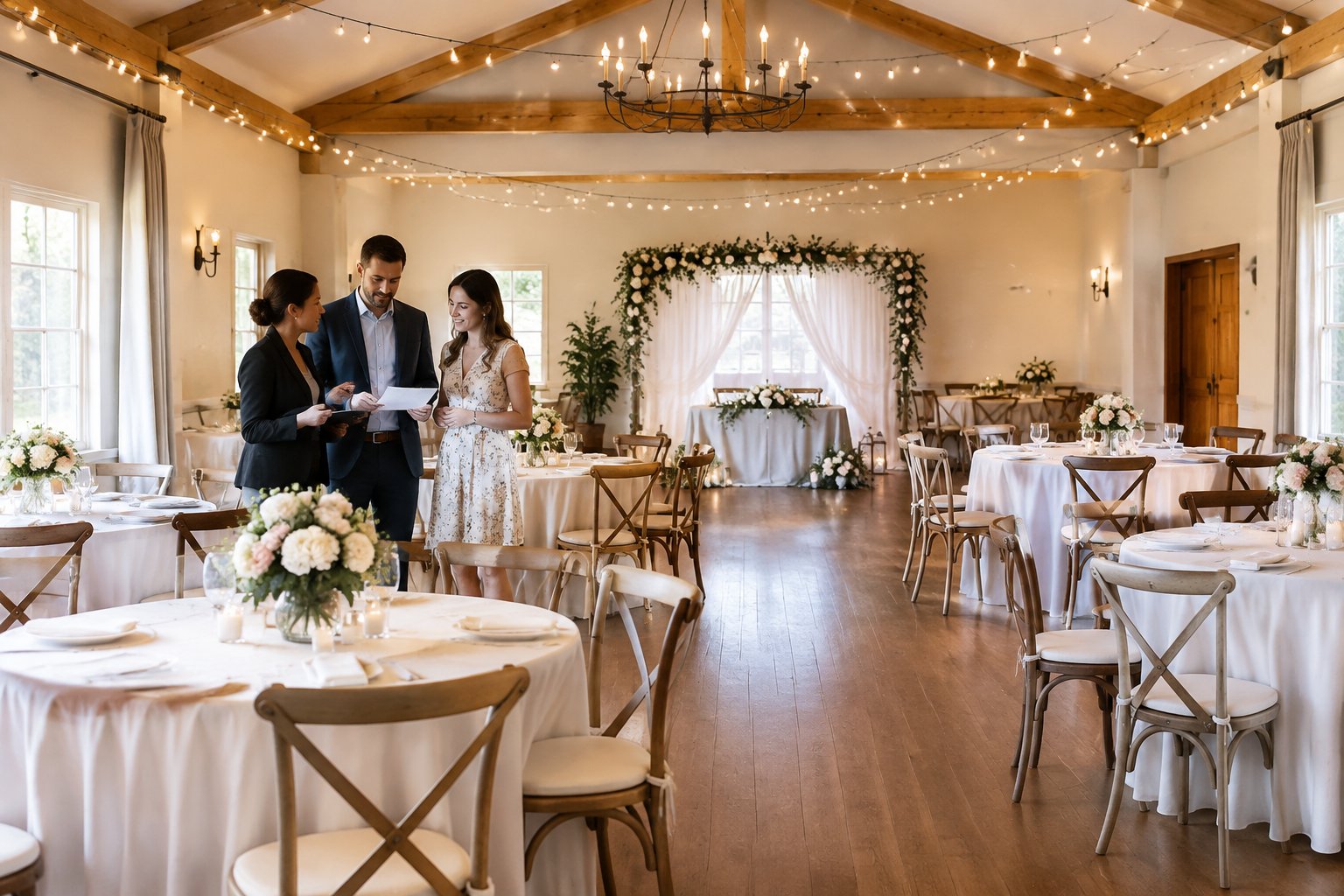
Affordable wedding venues often charge a flat rental fee, an hourly rate, a food-and-beverage minimum, or a per-person package. Ask each venue to price the same guest count and service level so you can compare fairly.
How Venue Rental, Food, and Rentals Shape the Total
A low room fee can lose its value when you add outside catering, tables, chairs, linens, dishes, glassware, lighting, and staffing. A restaurant private room may cost more to reserve than a park pavilion, while its meal service, tables, kitchen, and cleanup are already part of the package.
For 50 guests, food and drinks can become the largest variable expense. Buffet and family-style meals usually require less service than plated dinners. Beer, wine, and one signature drink can also keep bar costs more predictable than a full open bar.
Create a simple comparison for every quote:
- Space rental
- Food and beverages
- Tables, chairs, linens, and dinnerware
- Staff and bartenders
- Ceremony setup
- Cleaning and trash removal
- Taxes, gratuity, and service charges
Which Fees Can Turn a Bargain Into a Bigger Bill
Read the contract for charges tied to time, vendors, and cleanup. Common additions include setup hours, overtime, security, corkage, cake cutting, ceremony fees, power access, parking, and damage deposits.
Ask when your rental clock begins. A five-hour booking may not include decorating, vendor loading, or teardown. Confirm whether the venue requires approved caterers, carries event insurance requirements, or adds a service charge to food and drinks.
Request a written estimate with taxes and mandatory fees included. You can then compare the final price per guest instead of being guided by the advertised rental rate.
Why Weekday Weddings Can Cost Less
A weekday wedding can reduce demand for the space and make popular venues easier to book. Monday through Thursday dates, Sunday celebrations, and off-season months may come with lower rental rates or smaller food minimums.
Ask about Friday evenings and Sunday brunches as well. A shorter reception, lunch menu, or afternoon ceremony may fit the venue’s quieter schedule. Check travel plans with your guests before committing, especially if people are coming from outside town.
Best Low-Cost Venue Types for an Intimate Celebration
Community centers, restaurants, libraries, campus chapels, museums, galleries, and animal-focused attractions give you affordable settings with built-in character. The best choice balances the rental fee with the furniture, restrooms, kitchen access, scenery, and vendor rules you receive.
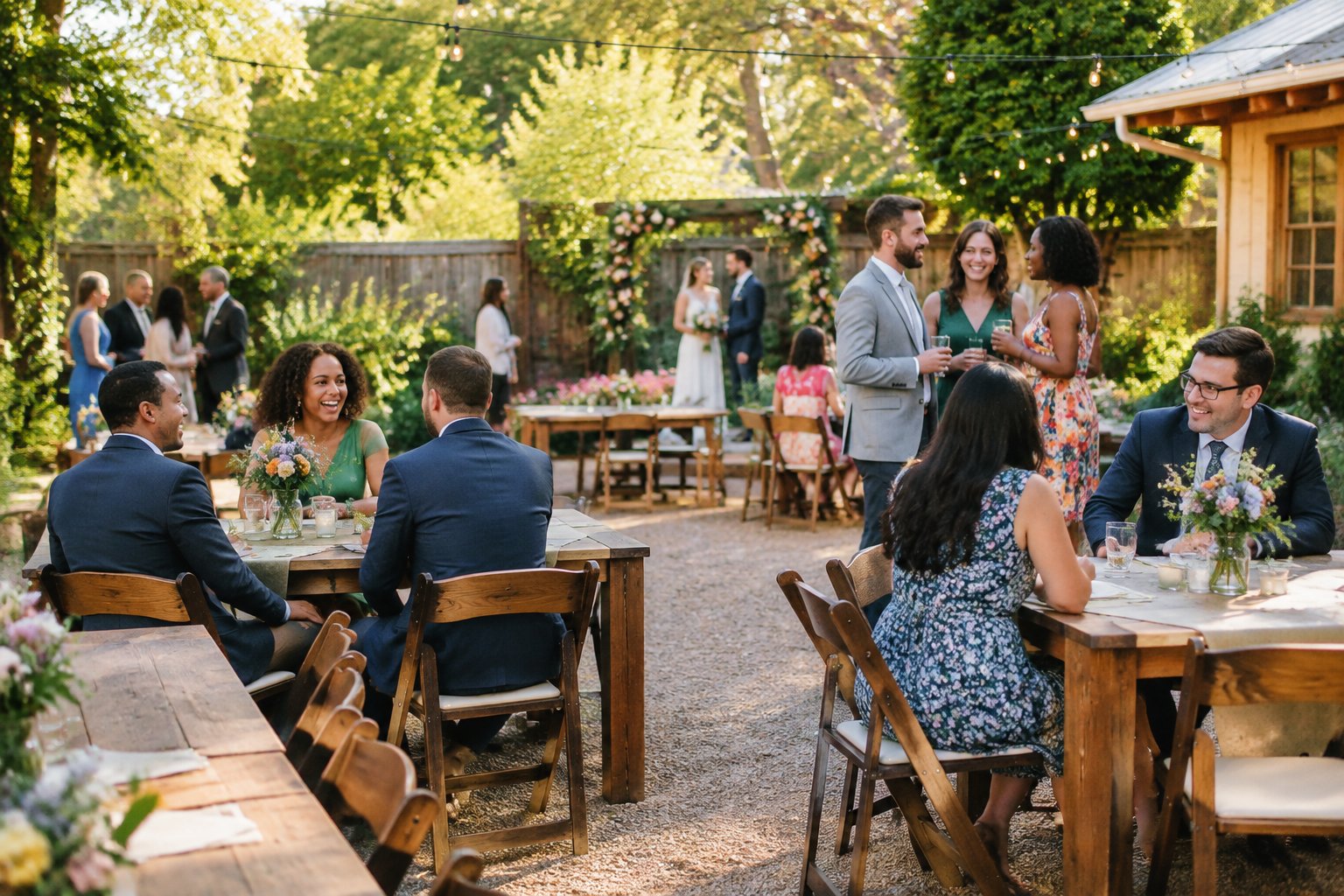
Small wedding venues can feel full and welcoming with 50 guests. Choose a layout that places people near the ceremony, meal, and dance or conversation area so you do not need to decorate unused space.
Community Centers and Schools
Community centers frequently offer multipurpose rooms, kitchens, tables, chairs, parking, and accessible restrooms. Schools may rent auditoriums, cafeterias, courtyards, or athletic facilities during dates when classes and activities do not use them.
Ask about weekend access, custodial service, alcohol rules, sound limits, and decoration restrictions. A room with stackable chairs and a usable kitchen can reduce rental orders. Bring fabric, candles in approved holders, or simple centerpieces to soften a plain interior.
Check whether the building allows a ceremony and reception in one room. A same-room plan cuts guest movement and reduces setup labor.
Restaurant Weddings and Private Dining Rooms
Restaurant weddings work well for 50 guests because your meal, staff, tables, chairs, and restrooms already exist. A private dining room can also create a comfortable atmosphere without a large ballroom rental.
Request a set menu, beverage package, and service charge in writing. Ask whether you can bring a cake, use your own wine, select a playlist, or extend the meal period. Restaurants with brunch, lunch, or early dinner availability may offer more budget-friendly options.
A restaurant is a strong fit when you want a polished meal and a short planning list. Browse more affordable wedding reception venues if your ceremony and dinner will happen at separate locations.
Libraries, Historic Libraries, and Campus Chapels
Libraries and historic libraries provide bookshelves, architectural details, reading rooms, and quiet ceremony spaces. Campus chapels offer a meaningful setting for couples connected to a school or university.
Review photography rules, music limits, furniture access, and event hours. Some locations allow ceremonies but place limits on food, dancing, candles, or alcohol. A library with a beautiful interior can lower your décor budget because the setting supplies visual interest.
Campus facilities may follow an academic calendar and require advance reservations. Ask about guest parking and accessibility for older relatives or anyone using mobility equipment.
Museums and Art Galleries
A museum wedding venue or art gallery gives your guests an engaging setting while reducing the need for large floral installations. Exhibits, sculpture, murals, and distinctive architecture provide decoration throughout the event.
Confirm which rooms are available, where food service can take place, and whether caterers must meet venue standards. Ask about guest flow, elevator access, lighting controls, security, and photography restrictions near exhibits.
A gallery reception often suits a cocktail-style meal, stations, or a seated dinner with a compact footprint. Keep the layout open so guests can move comfortably around displays.
Zoos and Aquariums
Zoos and aquariums sometimes offer event rooms, terraces, restaurants, or after-hours spaces for private gatherings. Animal habitats and themed interiors create built-in entertainment for guests.
Ask about the exact event area, guest access, operating hours, weather plans, parking, and food packages. Some locations provide a private room while guests move through selected exhibits; others limit access to the booked space.
These venues work best when you value a memorable setting and a structured meal package. Compare admission, staffing, transportation, and event fees with a restaurant or community hall before booking.
Outdoor and Public Spaces With Built-In Scenery
Public outdoor spaces can lower the rental cost and reduce décor because trees, gardens, water, and views become part of the setting. You need a clear plan for permits, restrooms, weather, seating, power, and food service before choosing an outdoor site.
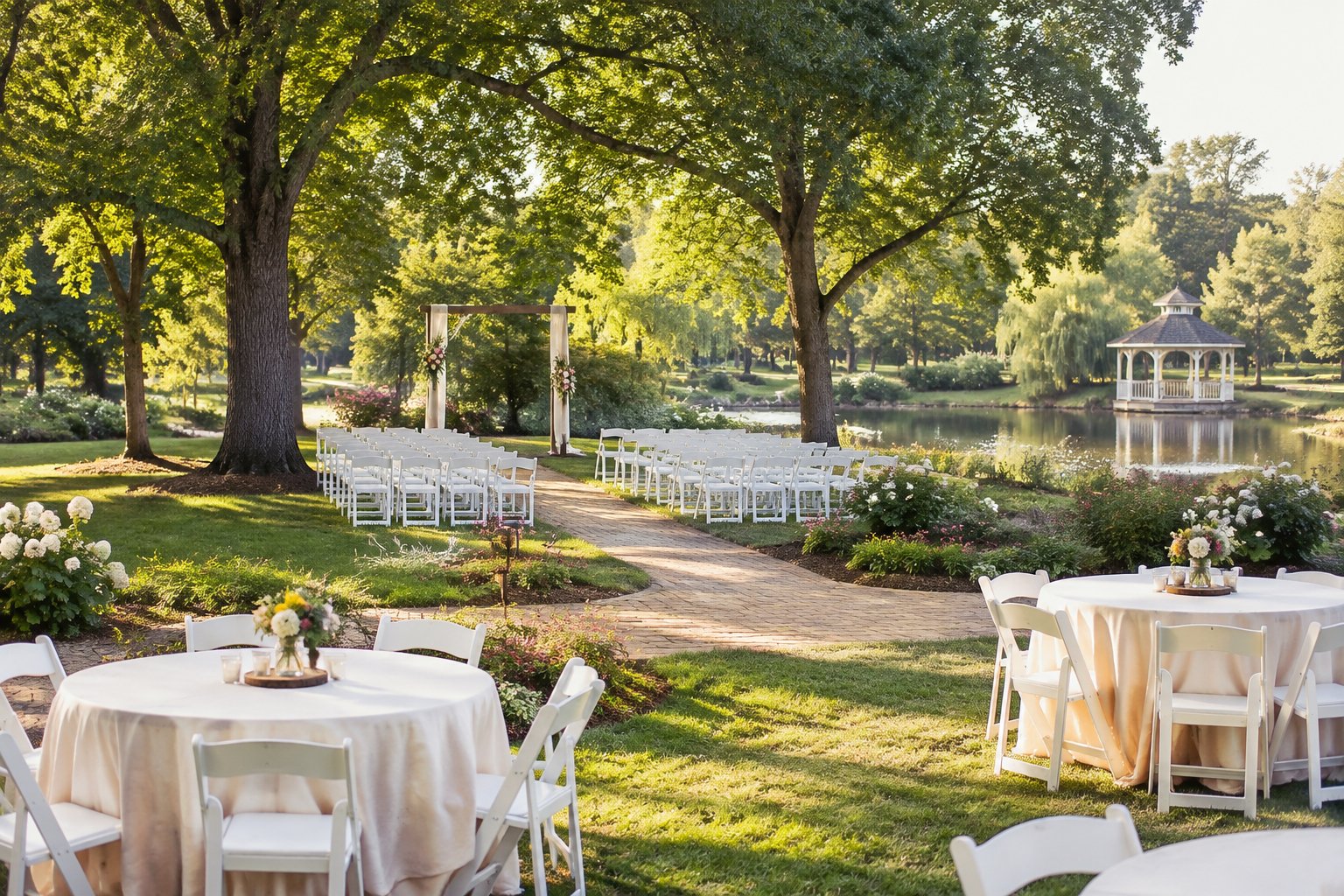
For more location ideas, compare affordable outdoor wedding venues with private spaces that include indoor backup areas. Ask every public property about event limits before you announce your date.
National and State Park Ceremonies
National parks and state parks offer dramatic scenery for ceremonies and small receptions. Permit fees, guest limits, parking rules, and restricted areas differ by park, so contact the local office early.
Some parks allow a ceremony at a designated overlook or picnic area while requiring the reception to happen elsewhere. Others permit small gatherings with limits on chairs, amplified music, alcohol, flowers, or decorations.
Plan for transportation and guest comfort. Provide clear directions, shade or shelter, water, and a rain plan. A nearby restaurant or community room can handle dinner after a scenic ceremony.
City Parks, Public Parks, and Rose Gardens
City parks and public parks can provide lawns, pavilions, playground-adjacent areas, gardens, and waterfront views at accessible rates. Rose gardens create a colorful backdrop that reduces the need for ceremony flowers.
Check reservation windows, noise rules, public access, restroom locations, and the permitted event footprint. A reserved area may still sit within a public park, so plan a setup that feels private without blocking shared paths.
Choose a pavilion or garden with nearby parking and level walking surfaces. You will save on transportation and make the day easier for guests carrying bags, using wheelchairs, or wearing formal shoes.
Botanical Gardens and Vineyards
Botanical gardens offer seasonal flowers, shaded paths, and ceremony spots with strong visual appeal. Vineyards provide rows of vines, patios, and tasting rooms that suit a relaxed dinner or cocktail reception.
Ask whether the rental covers only the ceremony or includes a reception area. Confirm caterer rules, alcohol service, tent requirements, lighting, transportation, and closing time.
Garden and vineyard dates can be popular during peak bloom or harvest seasons. Consider a weekday or less sought-after month to find better availability and pricing.
Public Beaches and Waterfront Locations
Public beaches and waterfront areas create a memorable backdrop for a small ceremony. Access fees may be modest, while the added costs often come from seating, shade, restrooms, power, and a reception location.
Check tide schedules, wind exposure, sunset timing, parking, permits, and local alcohol rules. Sand also affects wheelchairs, heels, tables, and food service, so select a firm surface or boardwalk when possible.
Keep the ceremony short and provide a nearby indoor meal option if the shoreline becomes uncomfortable. A beach ceremony paired with a restaurant dinner gives you scenery without requiring a full beach reception setup.
Can a Backyard or Home Wedding Save Money?
A backyard wedding saves money when the property already has usable space, restrooms, power, parking, seating, and a weather-ready plan. The savings shrink when you need to rent nearly every part of a traditional venue.
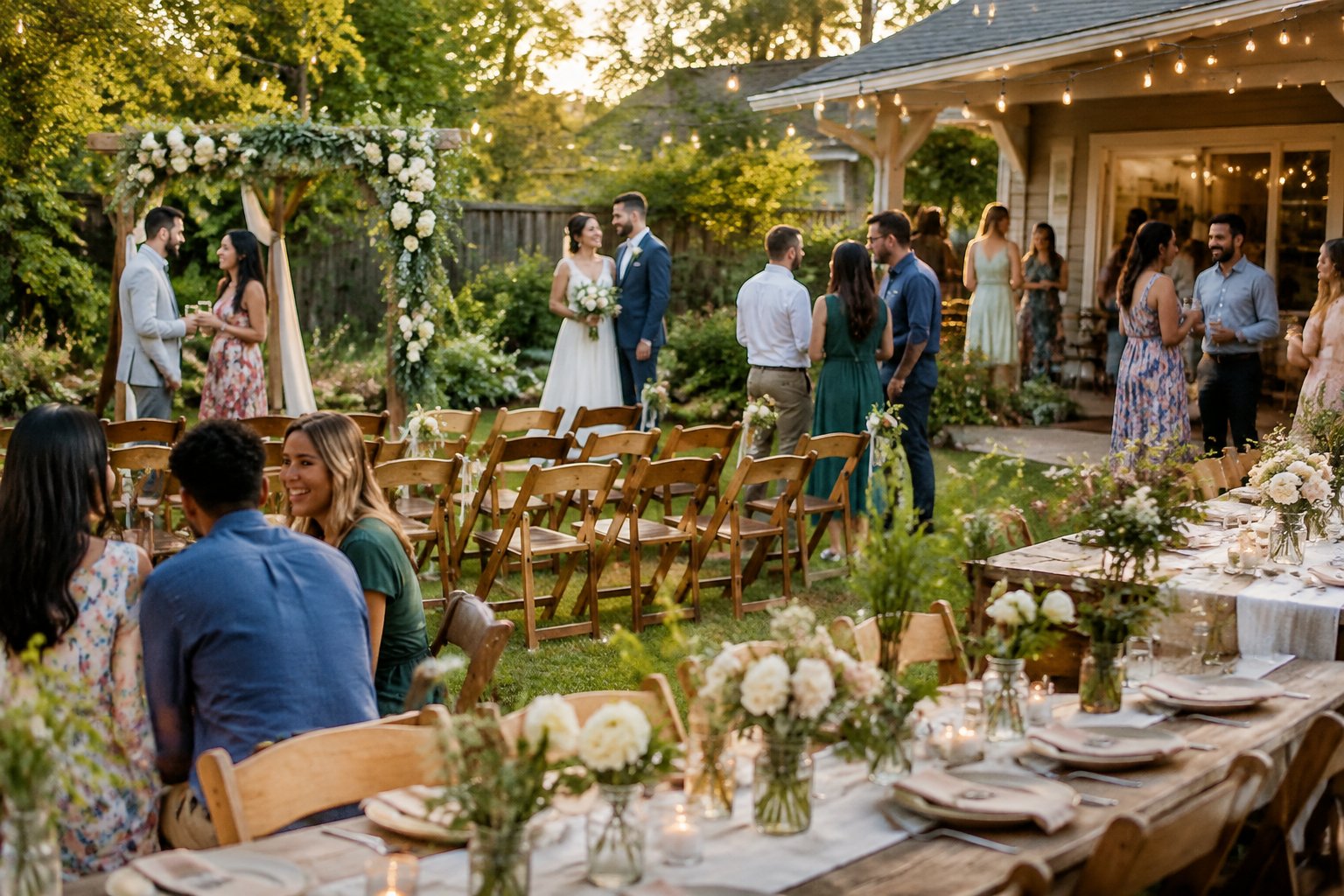
A home wedding gives you control over the schedule, menu, décor, and guest experience. It also places planning, setup, cleanup, and neighbor communication on your household. Use a written budget before deciding that the property is free.
When a Backyard Wedding Is Truly Affordable
Your property is a strong fit when 50 guests can sit, eat, use the restroom, and move around without crowding. A covered patio, finished basement, mature landscaping, or nearby indoor room lowers the need for extra rentals.
Count every cost connected to the home:
- Tent or covered shelter
- Tables, chairs, linens, and dishes
- Portable restrooms
- Catering equipment
- Lighting and power
- Trash removal
- Parking or shuttle service
- Event insurance
- Cleaning and landscaping
A potluck, food truck, brunch, or catered buffet can suit a backyard format. Confirm vendor access, refrigeration, waste handling, and cooking space before choosing the menu.
Essential Rentals for a 50-Person Home Wedding
Plan seating for guests, the couple, the ceremony, and the meal. You may also need a tent, dance floor, speakers, microphones, lighting, heaters or fans, serving tables, beverage stations, and portable restrooms.
Ask rental companies about delivery, pickup, setup, surface limits, and weather cancellation terms. A tent needs suitable ground and enough clearance for tables, lights, and food service.
Use the home’s existing furniture only when it gives guests comfortable seating and leaves clear walking paths. A smaller rental order is useful when it supports the layout instead of filling the yard with mismatched pieces.
Permits, Insurance, Parking, and Neighbor Considerations
Contact your city or county about noise, occupancy, parking, tent, food service, and temporary event requirements. Rules differ by location and property type.
Tell nearby residents about the date, guest arrival window, music plan, and expected end time. Arrange overflow parking, rideshare drop-off, or a shuttle if the street cannot hold guest vehicles.
Ask your homeowner’s insurer and vendors about event coverage. Keep written approvals, emergency contacts, weather procedures, and a cleanup schedule with the event plan. Couples who need more backyard planning help can review these backyard wedding ideas.
Courthouse Weddings and Other Simple Ceremony Options
A courthouse wedding or civil ceremony keeps the legal portion brief and affordable, allowing you to spend the reception budget on dinner, photography, or time with guests. Courthouses and city halls have their own appointment, guest, witness, and document rules.
How to Get a Marriage License Before the Ceremony
Contact the county clerk or vital records office where you plan to marry. Learn the application fee, identification rules, waiting period, expiration period, witness requirements, and return process before selecting your ceremony date.
Bring the documents your local office requests, such as government-issued identification and information about prior marriages. Requirements vary by state and county, so use the office’s current instructions.
A marriage license authorizes the legal ceremony; it does not replace the ceremony itself. Confirm who must sign it and how the completed document will be filed.
What to Expect at Courthouses
A civil ceremony may take place in a small courtroom, office, chamber, or designated ceremony room. Guest limits, photography rules, ceremony length, appointment times, and available officiants vary by courthouse.
Ask whether children, photographers, interpreters, or additional witnesses count toward the room limit. Find out where guests should wait, whether parking is available, and whether photos are allowed inside or on the grounds.
Courthouse ceremonies suit couples who want a short legal event with limited production needs. You can dress formally, exchange personal vows when permitted, and schedule portraits before dinner.
Pairing a Civil Ceremony With an Affordable Reception
Hold the legal ceremony at the courthouse and invite all 50 guests to a restaurant, private room, park pavilion, community center, or home afterward. This separates the legal appointment from the celebration and gives you more control over guest capacity.
Plan a brief welcome, personal vows, or ring exchange at the reception if the courthouse format feels too short. A brunch, afternoon tea, pizza gathering, or family-style dinner can create a warm event without a full wedding package.
Keep travel simple by choosing a reception location near the courthouse. Share the timeline, parking details, meal plan, and dress expectations with guests so the transition feels organized.
How to Compare Quotes and Book the Right Space
The right venue quote shows the complete cost for 50 guests, the hours you receive, the included equipment, and every required fee. Compare matching service levels in a spreadsheet before you pay a deposit.
Questions to Ask Before Signing a Contract
Ask the venue:
- What is the total price with taxes, service charges, and gratuity?
- How many hours include setup, the event, and cleanup?
- Are tables, chairs, linens, kitchen access, and restrooms included?
- Which caterers and bar providers are allowed?
- What insurance, permits, deposits, and staffing fees apply?
- What happens if you cancel, reschedule, or face severe weather?
- Are candles, décor, amplified music, outside cake, or alcohol permitted?
- Who handles trash, cleanup, and damaged items?
Request answers in writing. A clear contract protects your budget and gives vendors reliable instructions.
How to Match Capacity and Layout to 50 Guests
Choose a room rated for your exact event style. Fifty guests seated at dinner need more space than 50 guests standing for cocktails, especially when you add a buffet, bar, dance area, DJ, gift table, or photo station.
Draw a basic floor plan before touring. Include a ceremony layout, dining tables, accessible routes, restroom paths, food service, and a quiet area for older guests or children.
Visit at the same time of day as your event when possible. Check natural light, traffic noise, temperature, parking, stairs, and the distance between ceremony and reception areas.
Wedding Venue Ideas That Reduce Décor and Vendor Costs
Choose a venue with attractive architecture, gardens, views, lighting, tables, chairs, or in-house food service. Those features reduce the number of separate rentals and decorations you need.
A restaurant private room can replace a caterer, rental company, and large décor order. A botanical garden can provide the ceremony backdrop. A community center with a kitchen and furniture can simplify setup.
Use wedding venue ideas to build a shortlist, then request quotes for the same date range, guest count, meal style, bar plan, and rental needs. Select the space with the clearest final price and the fewest extra logistics.