
Cheap Wedding Venues Under $1,000: Where to Look
You can find cheap wedding venues under 1000 by focusing on spaces with simple rental fees, flexible hours, and room for a small guest list. Community centers, public parks, courthouses, chapels, private homes, and small restaurants often offer the best starting points for a budget wedding.
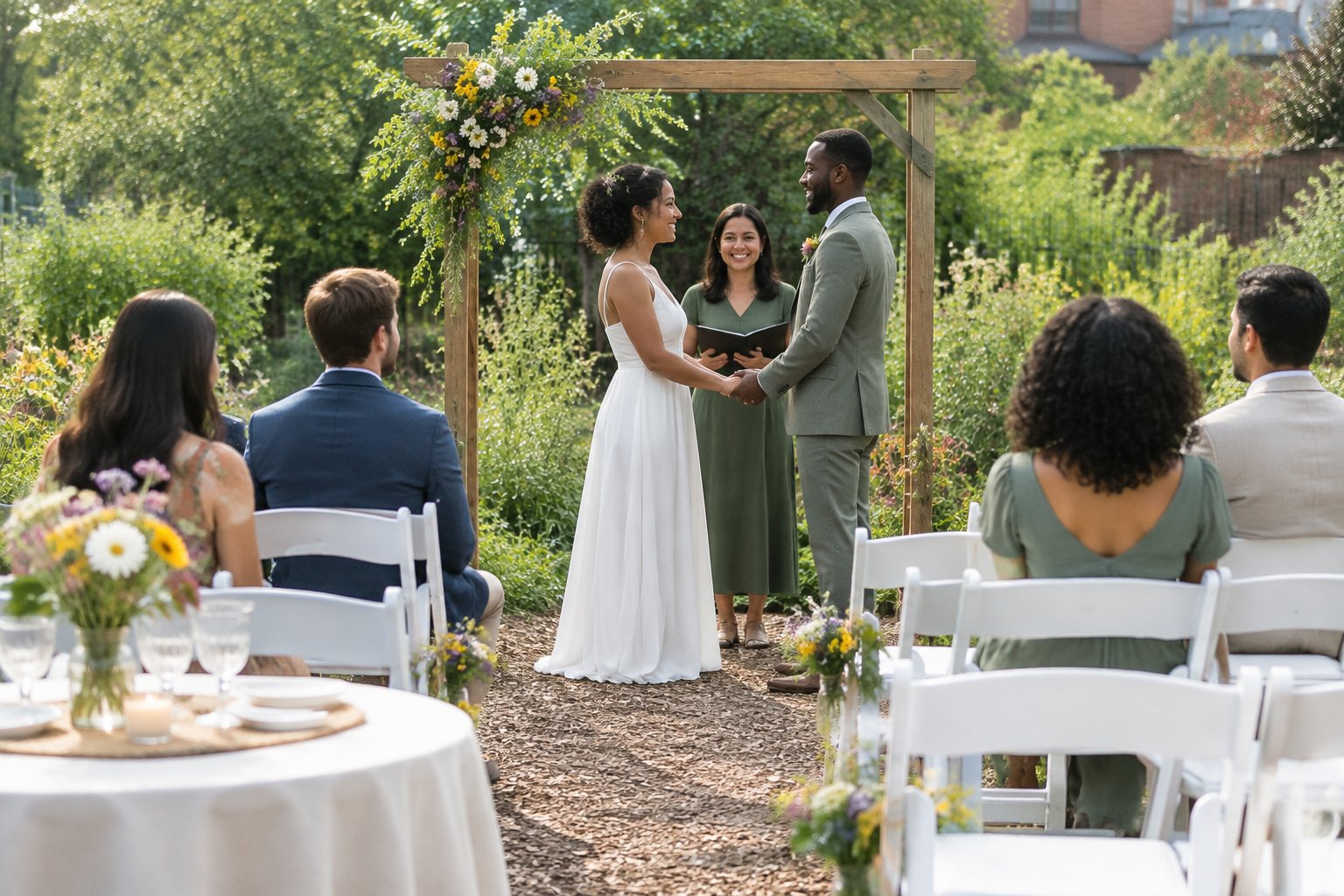
A $1,000 venue budget usually covers the space itself. Tables, chairs, permits, cleaning, insurance, staffing, food, and decorations might be separate charges.
Ask for an itemized quote before you reserve a date, then compare the full cost with your guest count and plans. Start by searching local community calendars, parks departments, city websites, and hourly event listings.
What Can $1,000 Realistically Cover?
A $1,000 venue budget can cover a small ceremony space or a basic event space for a short rental, especially on a weekday or during an off-season period. Your wedding budget will stretch further when you choose a modest location, limit the guest list, and select a package with useful items included.
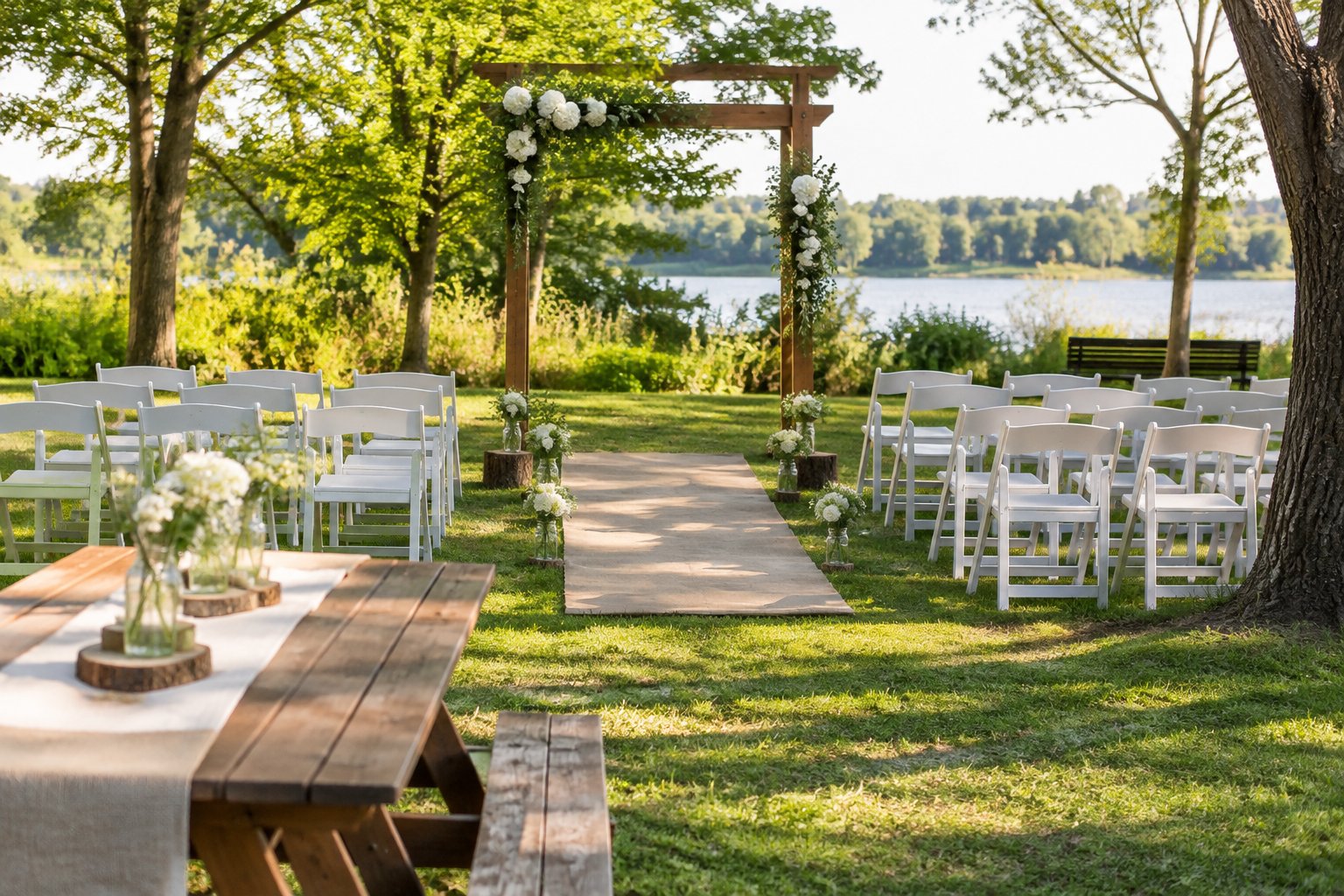
A budget-friendly wedding at this price point usually requires clear priorities. A small wedding venues search might lead you to a park shelter, community hall, church room, private garden, or restaurant room.
Check whether the rental includes furniture, setup time, cleanup, and access to restrooms.
Venue-Only vs. Ceremony-and-Reception Costs
A venue-only fee pays for access to the space. Ceremony-and-reception pricing might include more hours, furniture, staff, basic tables, or a room reset between parts of the event.
Ask whether the quote covers both areas and the full time you need. A ceremony at a park followed by a meal at home can keep the event space charge low, while one location for both events might save transportation and setup work.
How Guest Count Changes the Math
Guest count affects the space you need, the number of chairs and tables, and the amount of time required for setup. Ten to 25 guests gives you more choices within a $1,000 limit, including private dining rooms and small gardens.
A larger group can still fit a low-cost hall, though you need to check capacity, restroom access, parking, and furniture costs. Count vendors and children when the venue gives you a maximum occupancy.
Why Dates, Hours, and Location Matter
Weekday bookings, morning events, and off-season dates often have lower rental rates. A two- or four-hour reservation can also cost less than an all-day booking.
Search outside popular downtown areas and compare nearby towns. Ask about holiday pricing, minimum rental periods, security deposits, cancellation terms, and overtime charges before you make a payment.
Where to Find Low-Cost Spaces Near You
Affordable wedding venues are easier to find when you search beyond traditional banquet halls. Contact local government offices, parks departments, faith communities, restaurants, and hourly rental providers with your guest count and preferred date.
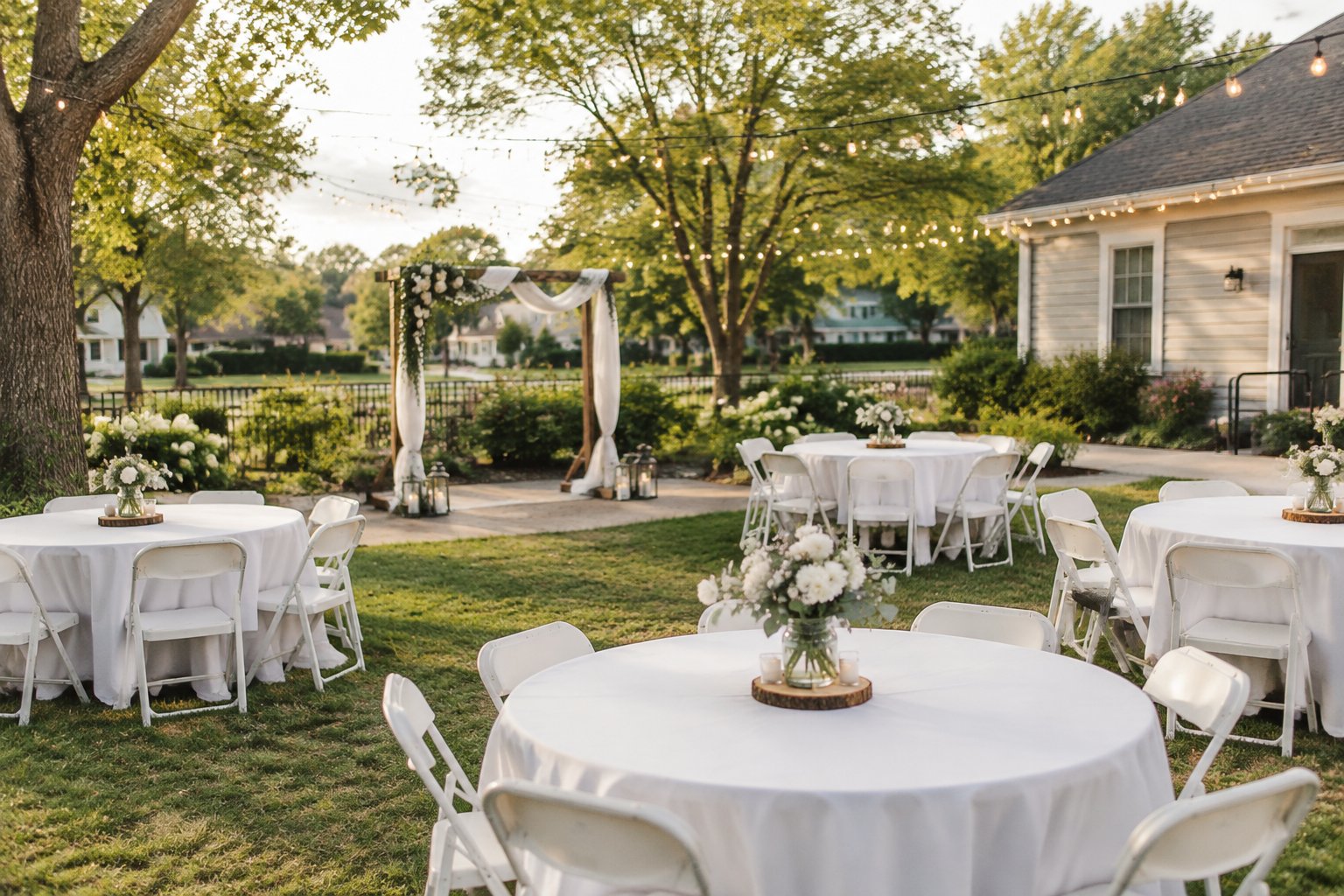
Look for spaces that already have restrooms, seating, lighting, and weather protection. Those features reduce the extra rentals you need to add to an inexpensive wedding venues budget.
Community Centers and Municipal Halls
Community centers and municipal halls often provide open rooms with tables, chairs, kitchens, and restrooms. Ask your city or county recreation department about resident rates, weekend hours, cleaning rules, and insurance requirements.
A hall with a basic kitchen can support a potluck, catered buffet, cake reception, or afternoon coffee service. Confirm whether you can bring your own food and vendors before booking.
Parks and Garden Rentals
A public park can create a garden wedding setting with a small permit or shelter rental. Search your city, county, and state park websites for wedding permits, picnic shelters, gazebos, and garden reservations.
Ask about rain plans, sound limits, alcohol rules, guest parking, electricity, and cleanup. A scenic outdoor space stays affordable when you bring simple decor and choose a date with reliable weather.
Courthouses, City Halls, and Chapels
Courthouses and city halls can provide a low-cost ceremony for a small group. Some locations offer reserved rooms, while others limit attendance and photography areas.
A chapel wedding may include seating, an officiant area, and a quiet indoor setting. Ask about appointment times, required documents, ceremony length, decoration rules, and whether a separate reception is allowed.
Restaurants, Private Rooms, and Cafés
Restaurants and cafés with private rooms can work well for a small reception. Some charge a room fee, while others use a food-and-beverage minimum.
Request a quote for your exact guest count and menu. A brunch, dessert reception, or early dinner can fit your budget more easily than a full evening meal, especially when the room already includes tables, chairs, dishes, and service.
Hourly Rental Listings and Local Event Spaces
Hourly listings can reveal studios, galleries, lofts, clubhouse rooms, and neighborhood spaces with short booking windows. Search by your city, guest count, event type, and maximum hourly rate.
Read the listing details closely. Confirm access for setup, cleanup time, furniture, restrooms, parking, insurance, noise rules, and any required host or security fee.
Venue Ideas That Work Best for Small Weddings
Small wedding venues give you the widest choice under $1,000 because they require less space, fewer rentals, and shorter booking times. A backyard wedding, garden, private dining room, or community room can provide a personal setting with manageable logistics.
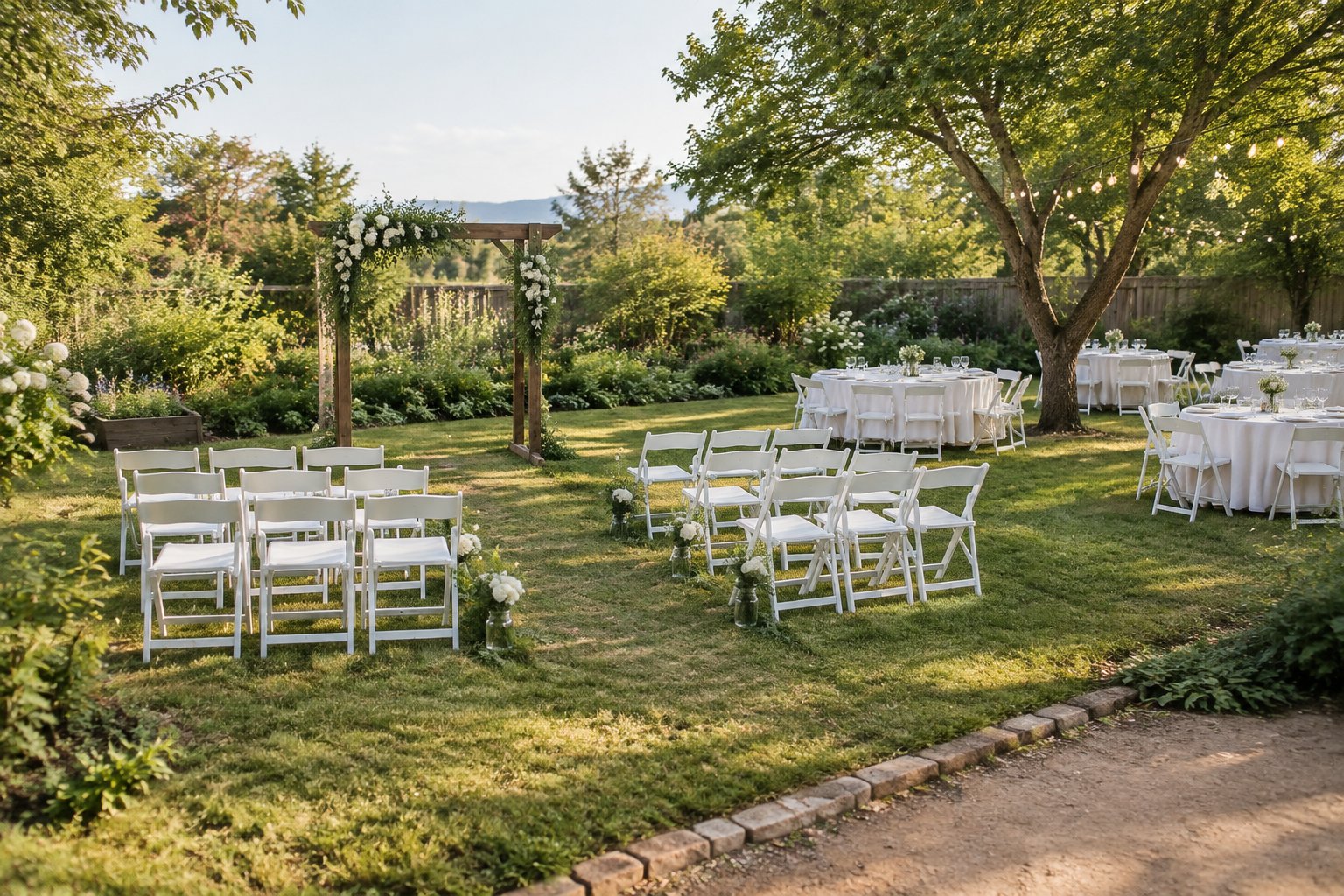
Choose a venue that already fits your guest count and style. A space with natural scenery or built-in character lowers the amount you need to spend on decorations.
Backyard Celebrations
A backyard wedding can remove the formal venue fee and give you control over the schedule. Check restroom capacity, power outlets, lighting, parking, weather protection, and neighborhood noise limits.
You might need rentals for chairs, tables, a tent, portable restrooms, or a generator. Price those items before deciding that the property is free.
Rustic Barns and Farm Properties
Rustic barns and farm properties sometimes offer short rentals for ceremonies, elopements, or weekday gatherings. Their natural wood, fields, and existing structures can reduce decoration costs.
Ask about uneven ground, restroom access, heating or cooling, rain plans, lighting, parking, and cleanup. Confirm whether the listed rate covers the barn, ceremony area, and reception area.
Historic Sites and Cultural Venues
Libraries, museums, historic homes, arts centers, and cultural venues may rent rooms for private events. These spaces often have built-in character and work well for smaller guest lists.
Review photography rules, open-flame restrictions, food policies, sound limits, and access hours. A room with attractive architecture can help you keep floral and decor spending low.
Private Dining Rooms for an Intimate Reception
A private dining room suits couples who want a meal-centered celebration. The restaurant may provide seating, linens, dishes, service, and cleanup as part of the meal arrangement.
Ask whether the room fee is separate from the food minimum. Request the full price with tax, service charges, beverages, cake cutting, and gratuity included.
How to Compare Quotes Without Surprise Fees
Compare the complete event cost, not the advertised rental price. A low quote can change when you add cleaning, furniture, permits, staffing, insurance, setup time, or overtime.

Use the same questions for every affordable wedding venue. Write each answer in a spreadsheet or notes document so your wedding budget reflects the amount you will pay.
Questions to Ask Before You Book
Ask for the total price for your date, guest count, and planned hours. Confirm the deposit, payment schedule, refund policy, cancellation terms, and date-change rules.
Ask these questions in writing:
- How many hours does the rental include?
- When can you enter for setup?
- Who handles cleanup and trash removal?
- Are tables, chairs, linens, or sound equipment included?
- Can you bring your own caterer, alcohol, cake, and decorations?
- Does the venue require insurance, security, or a licensed bartender?
- Are there minimum guest counts or spending requirements?
Costs That May Not Be Included in the Rental
A rental quote might exclude cleaning, security, permits, insurance, staffing, furniture, delivery, setup, breakdown, utilities, and overtime. Outdoor locations can add permit fees, restroom rentals, power equipment, or a backup space.
Food and drinks can also exceed the venue fee. Ask for service charges, taxes, corkage, cake-cutting fees, and gratuity when you compare restaurant or catering packages.
How to Check Capacity, Accessibility, and Rules
Confirm the legal occupancy limit and ask how the venue counts guests, children, vendors, and staff. Walk through entrances, aisles, restrooms, parking areas, and ceremony spaces before signing.
Check ramp access, accessible restrooms, seating options, lighting, climate control, and weather protection. Review restrictions on candles, music, decorations, alcohol, pets, confetti, and amplified sound.
Ways to Bring a Venue Price Below Your Limit
You can bring wedding venues under $1000 within reach by changing the date, shortening the rental, reducing the space needed, and trading for practical inclusions. These choices protect money for food, photography, attire, and the details guests will use.
Choose a Weekday, Morning, or Off-Season Date
Ask for Monday through Thursday rates, morning openings, winter dates, and other less requested times. A brunch ceremony or afternoon reception can require fewer rental hours and lower staffing costs.
Share several dates when you contact venues. Flexibility gives the owner more ways to offer an available time at a lower rate.
Shorten the Rental Window
Book only the time you need for the ceremony and reception. Designate a small setup team, use simple decor, and plan cleanup before the rental clock starts.
Ask whether the venue sells four-hour, six-hour, or half-day packages. Confirm that the package includes enough time for vendor arrival, guest entry, photos, and cleanup.
Separate the Ceremony and Reception
Hold the ceremony at a courthouse, chapel, backyard, or public park, then host a short meal at a restaurant or home. This approach lets you pay for smaller spaces that match each part of the day.
Schedule the events close together and plan transportation for guests. Check separate permit, decoration, and timing rules at both locations.
Negotiate for Useful Inclusions Instead of a Lower Rate
Ask the venue to include tables, chairs, setup time, cleanup, extra hours, or a sound system when the rental rate cannot change. These additions have clear value and help you avoid separate vendor charges.
Present your guest count, date flexibility, and spending limit in a polite email. Request an itemized quote that shows the rental, included items, taxes, deposits, and every required fee before you agree.