
DC Small Wedding Venues for Intimate Celebrations
A small wedding in Washington, DC gives you more room for meaningful conversation, personal details, and a setting with character. The city’s compact neighborhoods offer intimate options ranging from historic mansions and private dining rooms to luxury hotels with landmark views.
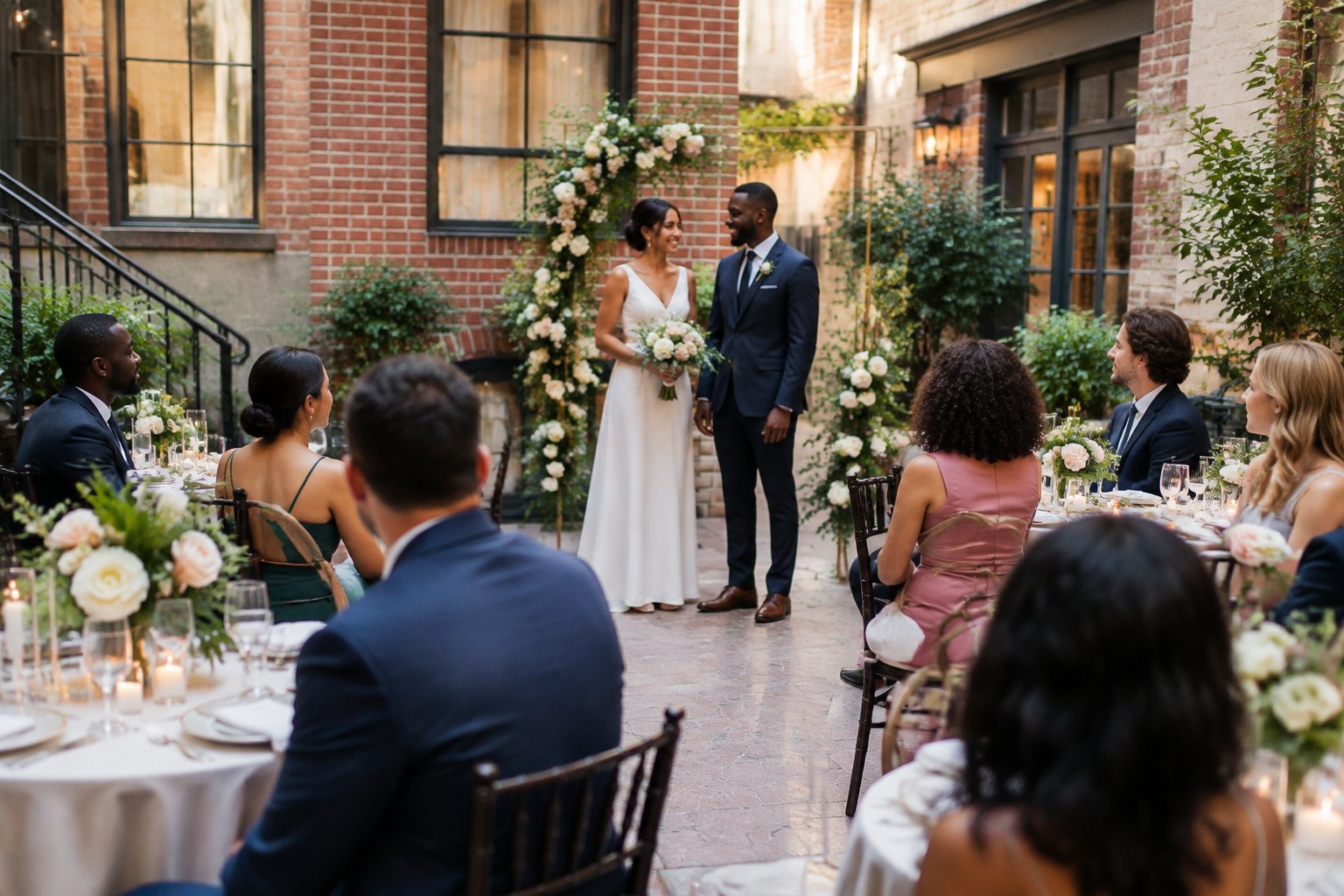
The best DC small wedding venues for most couples are intimate spaces with built-in atmosphere, flexible ceremony and reception layouts, and clear guest-count policies. A historic mansion suits formal celebrations, a restaurant works well for a dinner-centered event, and a hotel simplifies guest lodging and transportation.
Your guest list should guide the search from the start. A venue that feels warm with 40 people may feel empty with 20, while a room designed for 100 guests can make a smaller celebration feel lost. Set your guest count, preferred style, and budget before touring spaces. You can also explore these tips for choosing the perfect venue for a small wedding as you narrow your choices.
How to Choose the Right Space for Your Guest Count and Wedding Style
The right wedding venue should fit your guest count closely and support the way you want the day to unfold. Check the room’s seated capacity, ceremony options, dining layout, vendor rules, and access needs before you sign.
A small DC wedding can feel elegant and full of energy when the space matches the celebration. Review the venue’s food and beverage policies, ask how guests move between key moments, and compare the complete cost of the site with catering, bar service, rentals, and staffing.
What Counts as a Small Wedding in DC?
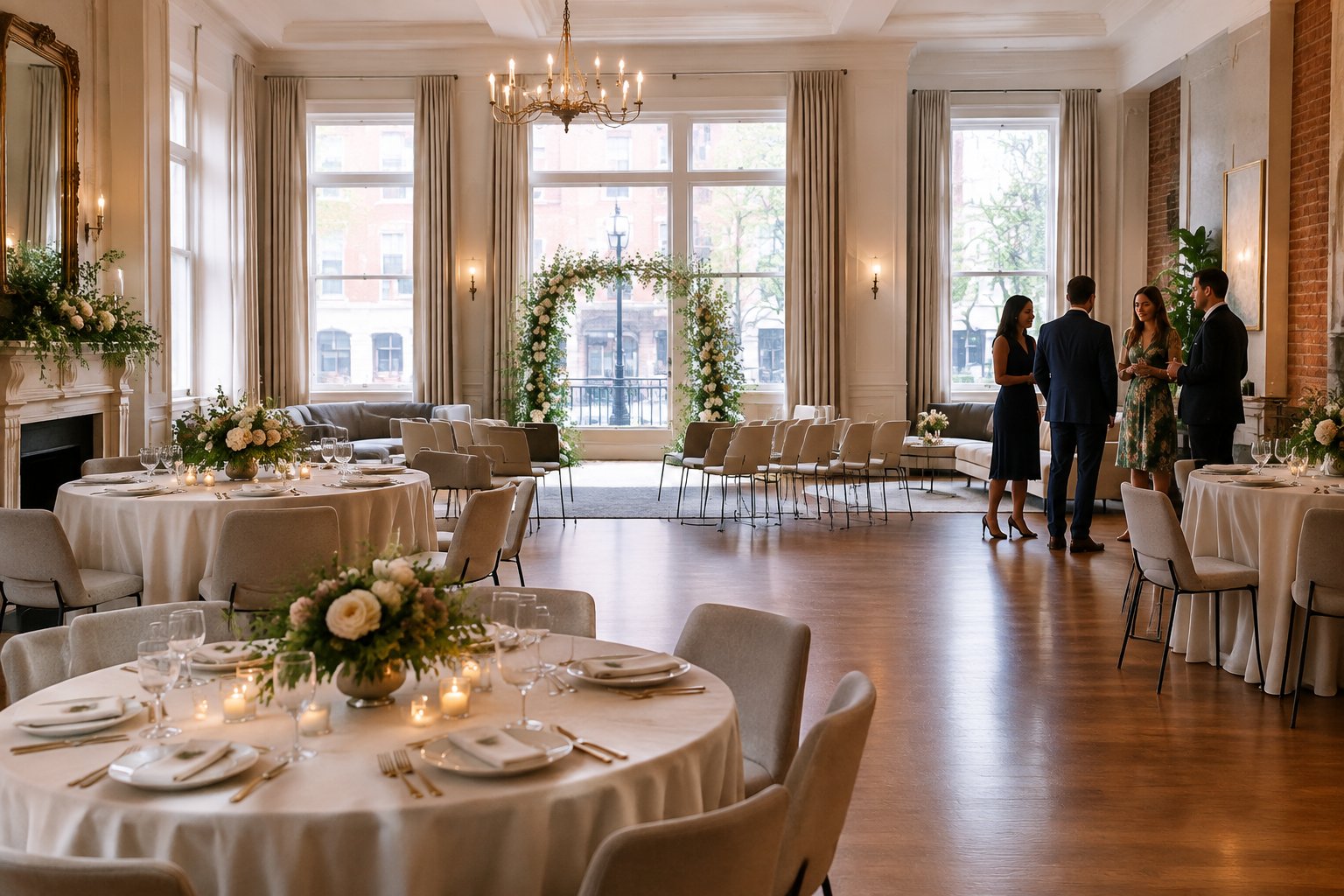
A small wedding in DC often includes fewer than 100 guests, while a micro wedding may include around 10 to 50 people. These ranges are useful starting points, though the room’s proportions shape the experience just as much as the number on your guest list.
For a 20-person celebration, a private dining room or garden may feel inviting. A 70-person reception could need a larger mansion room, gallery, or hotel salon with space for dancing and a bar. Ask each venue for floor plans showing your exact guest count.
Your guest list also affects the tone. A seated dinner creates a close, conversational atmosphere. A cocktail-style reception lets you invite more people while keeping the layout relaxed. Use a guest-list planning guide for small weddings before requesting final proposals.
Questions to Ask Before You Tour a Venue
Request answers to these points before or during your tour:
- What is the seated dinner capacity for your preferred date?
- Does the rental include ceremony space, tables, chairs, linens, or furniture?
- Can you bring your own caterer, bar team, florist, or planner?
- Is a food and beverage minimum required?
- How many hours include setup, the event, and cleanup?
- Where do vendors load in and store equipment?
- Are getting-ready rooms available?
- What happens if you plan an outdoor ceremony and the weather changes?
- Are candles, amplified music, dancing, or décor installations restricted?
- Are there nearby hotels and accessible transportation options?
Request a written estimate with taxes, service fees, staffing, rentals, security, and overtime listed separately. That format helps you compare spaces with different pricing structures.
How Ceremony, Cocktail Hour, and Dinner Flow Affect Your Choice
A venue with connected spaces makes your timeline easier for guests and vendors. Look for a ceremony area that converts smoothly into cocktail hour space, plus a dining room that leaves room for a bar, dance floor, and clear service paths.
A split-level or multi-room venue creates natural transitions, while one open room may require a quick reset between events. Ask whether guests remain in one area during the transition and where the catering team stages food and equipment.
For an intimate wedding, guest interaction is part of the experience. Keep the ceremony visible, place the bar where it encourages conversation, and avoid layouts that separate older guests or anyone with mobility needs. Review wedding seating arrangement ideas before you approve the floor plan.
Historic Mansions and Garden Settings
Historic mansions and gardens give you architectural detail, formal outdoor space, and a strong sense of place for a small celebration. These venues work well when you want portraits, ceremony views, and reception rooms with character already built in.
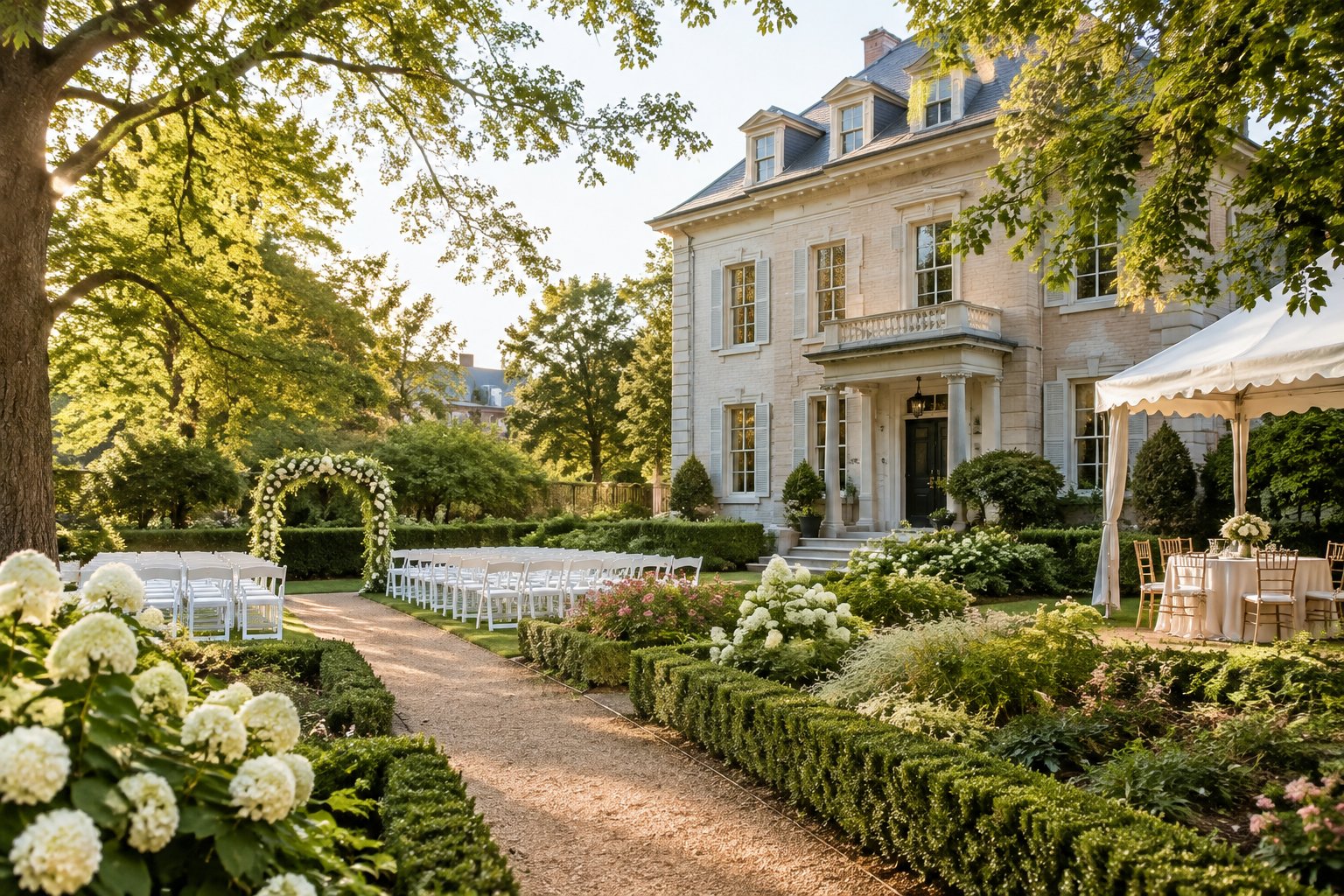
The city’s historic properties vary in scale and mood. Anderson House and Meridian House bring grand interiors, Dumbarton House offers Georgetown gardens, and DACOR Bacon House provides a distinctive Georgian setting. Dupont venues such as the Arts Club of Washington and Friends Meeting of Washington offer additional architectural options.
Anderson House and Meridian House for Grand Historic Character
Anderson House offers an ornate setting with museum-like rooms, detailed finishes, and formal spaces suited to an elegant guest list. Its interiors support classic ceremonies and portraits filled with architectural texture.
Meridian House offers a grand historic atmosphere with rooms that connect to outdoor areas. Its formal design suits a wedding with a structured ceremony, seated dinner, and polished décor.
Ask both venues about the exact rooms included in your rental, guest flow between spaces, photography access, and restrictions on décor. Historic properties may have rules that protect floors, walls, art, and original details.
Georgetown Gardens at Dumbarton House
Dumbarton House pairs a historic interior with garden areas in Georgetown. The setting suits couples who want an outdoor ceremony followed by dinner in a refined, residential-feeling property.
The garden layout affects sound, guest seating, accessibility, and weather plans. Tour the ceremony route with anyone who needs step-free access, and ask where guests wait before the processional begins.
Garden celebrations also require a clear rain plan. Confirm whether the ceremony moves indoors, how quickly the change can happen, and whether the backup space accommodates the full guest count.
DACOR Bacon House and Its 4-Story Georgian Mansion
DACOR Bacon House occupies a 4-story Georgian mansion with rooms that create a residential, historic setting. Its scale suits couples who want a distinctive property for an intimate wedding with separate areas for welcoming guests, dining, and conversation.
A multi-floor layout requires careful planning. Ask about elevator access, guest movement, restroom locations, vendor load-in, and where older guests can sit comfortably. Confirm which floors are available during the event and whether staff guide guests between spaces.
The mansion’s historic architecture can carry much of the décor. Use lighting, restrained florals, and table details that complement the existing woodwork and proportions.
Arts Club of Washington and Friends Meeting of Washington in Dupont
The Arts Club of Washington offers a refined setting near Dupont Circle, with art and historic interiors that support an intimate reception. Friends Meeting of Washington brings a quieter architectural feel and a sense of simplicity that suits a meaningful ceremony.
Compare the venues by ceremony style, reception layout, music rules, and catering access. The Arts Club may appeal to couples who want an art-filled social atmosphere, while Friends Meeting of Washington fits a ceremony centered on calm space and community.
Confirm guest capacity for both ceremony and dinner. A room that works for vows may need a separate plan for dining, dancing, or a staffed bar.
What to Know About Historic Architecture and Weather Plans
Historic architecture adds beauty while requiring careful logistics. Confirm rules for candles, hanging décor, amplified sound, furniture placement, photography equipment, and protection of original surfaces.
Outdoor plans need a written backup with a defined decision time. Ask about tenting, indoor capacity, ground conditions, heating or cooling, and vendor access during rain. Schedule a venue walk-through with your planner and photographer so portraits remain possible if weather changes.
Restaurants, Private Dining Rooms, and Art-Filled Venues
Restaurants and galleries suit couples who want a dinner-led celebration with strong food, a built-in bar, and a relaxed guest experience. These spaces work especially well for guest lists that favor conversation, shared meals, and a shorter reception timeline.
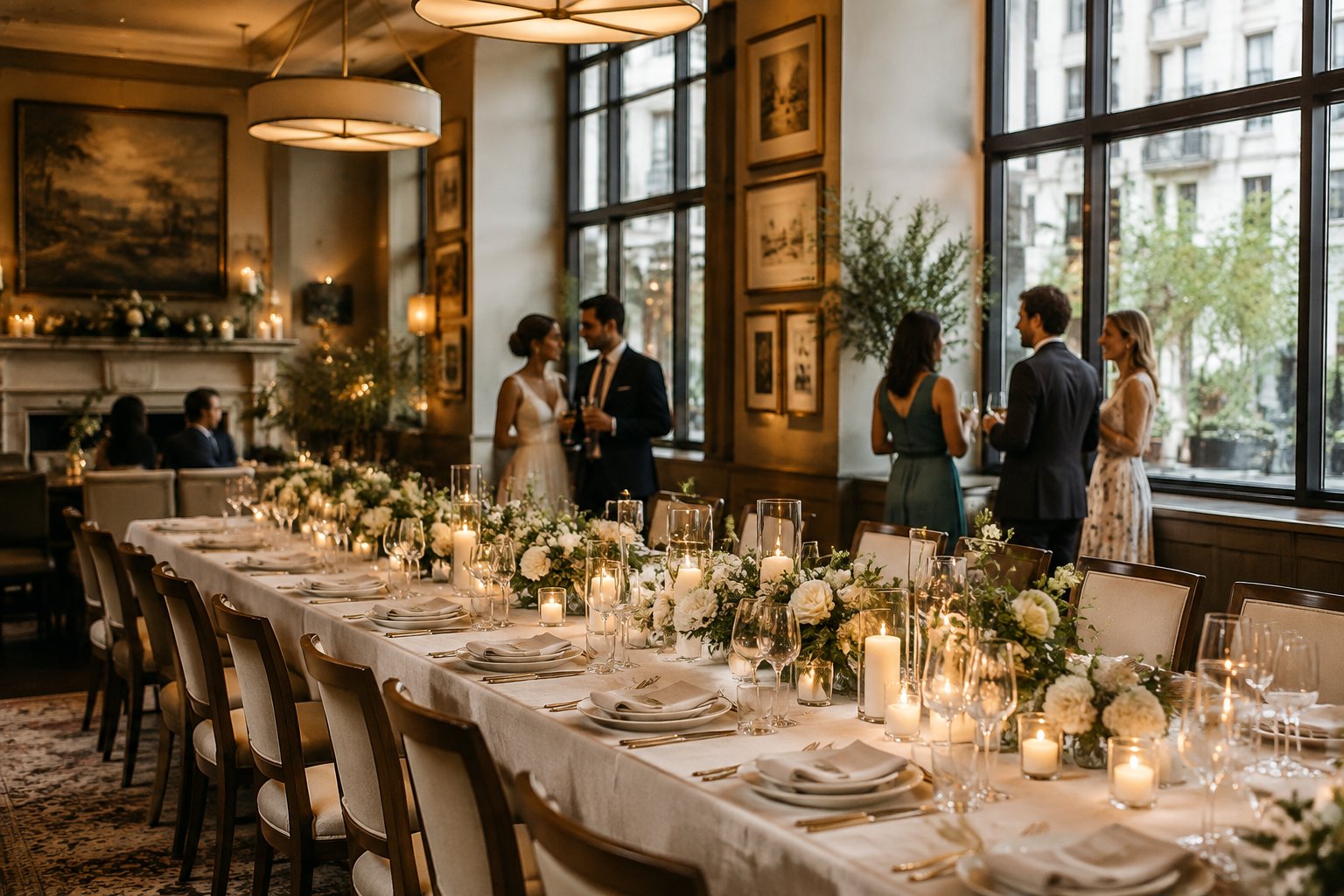
Restaurant venues often simplify catering because the kitchen and service team are already part of the property. Gallery spaces give you more creative control, though you should review rental needs, staffing, and alcohol service in detail.
Iron Gate for Courtyard Dinners
Iron Gate is known for its intimate courtyard dining atmosphere and historic urban setting. The space fits couples who want a meal-centered wedding with outdoor charm and a restaurant-led service experience.
Ask how the courtyard works for your ceremony, cocktail hour, and dinner. Confirm seating limits, weather procedures, music rules, privacy, and whether the space is fully reserved for your event.
Review the menu with your guest needs in mind. Ask about family-style service, plated courses, dietary accommodations, cake service, wine pairings, and bar packages. A restaurant proposal should show the meal, staffing, taxes, service charges, and minimum spend.
Tabard Inn and Other Restaurant Buyouts
Tabard Inn offers a residential, historic setting with restaurant service and spaces suited to smaller gatherings. A restaurant buyout can create a private experience while giving guests access to an established kitchen and service team.
Compare a full buyout with a private room. A full buyout offers more privacy and control, while a private room may fit a smaller budget and a tighter guest list. Ask about event hours, music, dancing, ceremony setup, and guest accommodations.
Other DC restaurants may offer private dining rooms for groups ranging from intimate dinners to larger receptions. Check whether the room includes a separate cocktail area, dedicated restrooms, coat storage, and space for a cake or dessert display.
Fathom Gallery for an Urban, Creative Celebration
Fathom Gallery offers an urban gallery setting for a celebration with modern lines and artwork. The open format allows you to shape the room around a ceremony, cocktail hour, seated dinner, or reception design.
Ask what the rental includes and which vendors you must hire. Gallery spaces may require separate planning for tables, chairs, linens, lighting, sound, catering equipment, bar service, and cleanup.
Review the gallery’s artwork policies before choosing décor. Confirm installation rules, wall protection, candle use, delivery times, and the process for removing flowers or rentals after the event.
H Street, Union Market, and Navy Yard Options
H Street, Union Market, and Navy Yard offer urban venues with restaurant energy, food-focused spaces, and modern design. These areas suit couples who want a city setting with nearby dining, hotels, and activities for guests.
Check the neighborhood’s event calendar and transportation conditions for your date. Street festivals, sports events, construction, or busy nightlife can affect parking, rideshare access, and guest arrival times.
Ask venues about sound limits, loading zones, security, bar service, and late-night policies. Compare the guest experience from arrival through departure, including where guests wait, how they find the entrance, and whether accessible routes are available.
Luxury Hotels and Landmark Backdrops
Luxury hotels and landmark spaces make a small wedding feel polished through private dining, attentive service, and memorable Washington views. They suit couples who want an elegant setting with guest rooms, on-site food service, or an iconic ceremony backdrop.
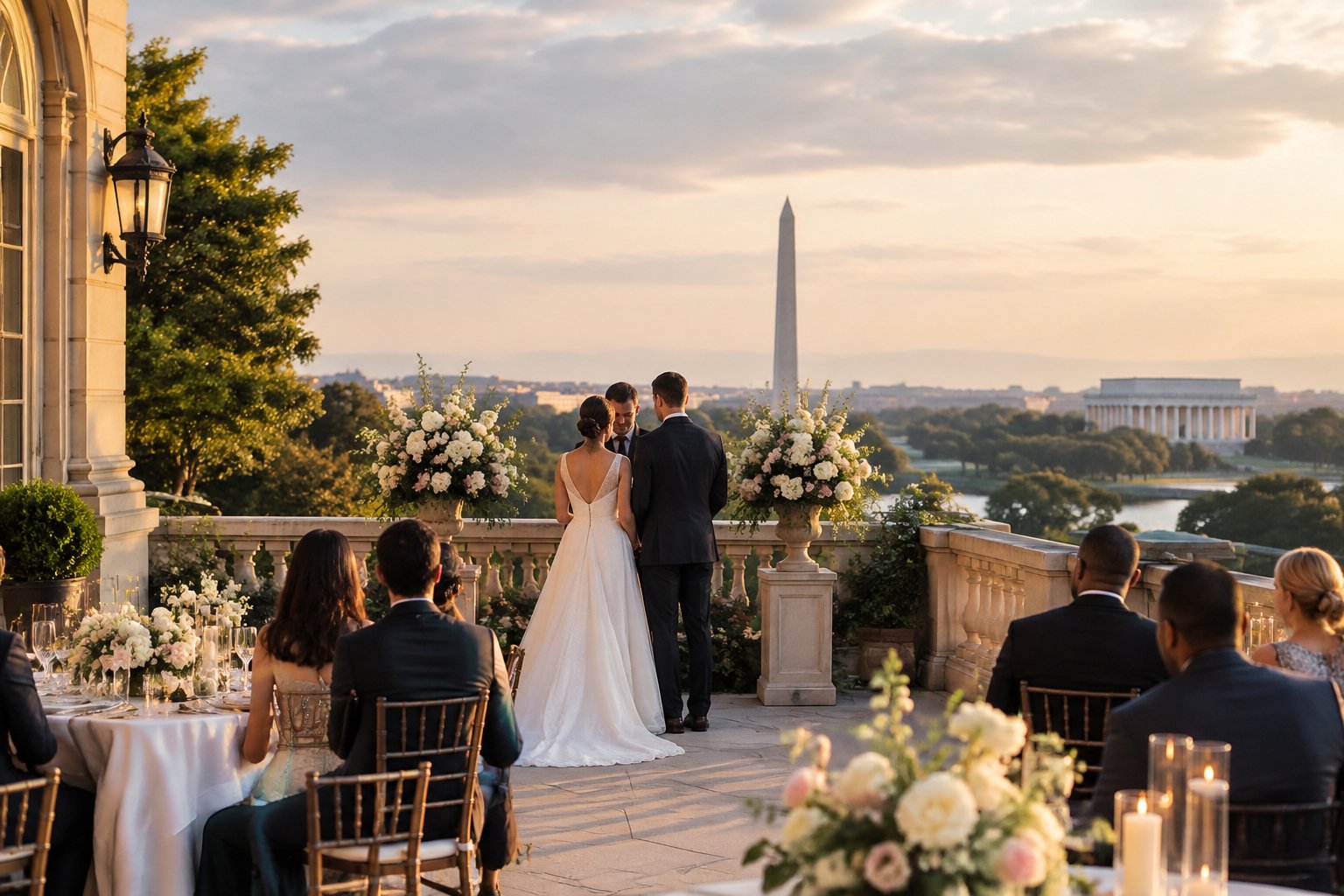
Hotel venues can simplify room blocks and guest logistics, while landmark sites create strong ceremony and portrait settings. Ask about privacy, event minimums, photography rules, and travel time between the ceremony and reception.
The Jefferson for Refined Private Dining
The Jefferson offers an elegant hotel setting with refined interiors and private dining possibilities. Its atmosphere fits a formal dinner, small ceremony, or reception built around excellent service and detailed design.
Ask which rooms suit your guest count and whether the space supports a ceremony before dinner. Review menu formats, bar packages, cake policies, room blocks, valet service, and getting-ready options in one proposal.
A hotel celebration can also help guests who travel from outside the region. Confirm the distance between guest rooms, event spaces, elevators, and transportation pickup areas.
The Hay-Adams and Top of the Hay for Rooftop Views
The Hay-Adams provides a historic luxury setting near the White House, while Top of the Hay offers rooftop views across Washington. These options suit couples who want a formal hotel experience with a strong city backdrop.
Ask about weather procedures for rooftop events, wind restrictions, noise limits, sunset timing, and guest comfort. Confirm whether the rooftop is private for your event and whether an indoor backup is included.
Plan portrait timing around the view and your ceremony schedule. Your photographer should know where access is allowed and whether building, security, or elevator rules affect the timeline.
DAR Constitution Hall and the Washington Monument
DAR Constitution Hall offers a landmark setting with formal architecture and a strong connection to Washington history. The Washington Monument provides an unmistakable backdrop for ceremonies and portraits in the National Mall area.
These locations require careful coordination for guest seating, permits, security, transportation, and weather. Confirm the site’s ceremony rules, available amenities, accessibility, and distance to your reception venue.
If you plan to move guests between locations, build extra time into the schedule. A short map distance can take longer during busy periods, special events, or security closures.
DC War Memorial and National Mall Ceremonies
The DC War Memorial offers a stately outdoor setting near the National Mall. Its open-air design works well for a ceremony followed by a private dinner at a nearby hotel, restaurant, or mansion.
A National Mall ceremony requires permit planning and attention to site rules. Ask about guest seating, sound, electricity, décor, restroom access, parking, and cleanup responsibilities.
The White House and Washington Monument create striking portrait backdrops, though public areas bring access and timing limits. Schedule portraits with flexibility and confirm current photography requirements before sending guests to the site.
Budget, Logistics, and Photography Considerations
Your intimate DC wedding budget should include the venue, food and beverage minimums, service charges, rentals, transportation, permits, and photography time. A smaller guest list reduces meal costs while leaving room for a historic property, upgraded menu, or landmark portraits.
Guest experience also affects the budget. A central venue may reduce transportation needs, while a landmark ceremony followed by a separate reception adds travel, staffing, and timeline costs. Use a written estimate before comparing options.
How Much Do Intimate DC Celebrations Cost?
Intimate DC celebrations range widely because a 20-person private dinner and a 90-person mansion reception use different services. Your final cost reflects the venue’s rental fee, food and beverage minimum, service charges, rentals, décor, photography, entertainment, and transportation.
A restaurant dinner may bundle food, staffing, and furniture. A gallery or historic property may require separate catering, rentals, bar service, security, and cleanup.
Build your first budget in categories:
- Venue rental and event hours
- Catering, cake, and bar
- Rentals, florals, lighting, and décor
- Photography and videography
- Planner, entertainment, and transportation
- Permits, taxes, service fees, and gratuities
For cost-conscious options, compare affordable wedding venues in the DMV and review each venue’s complete estimate, not only its advertised rental rate.
Venue Fees, Minimums, and Catering Policies
Venue fees and food and beverage minimums shape the total more than the room price alone. Ask whether the minimum applies to food, drinks, or both, and confirm how service charges, taxes, staffing, rentals, and cake fees are calculated.
Catering policies range from exclusive in-house service to approved vendor lists or full outside-caterer access. Request sample menus and ask about dietary meals, children’s portions, late-night snacks, bar duration, and leftover food.
Read the contract for payment dates, cancellation terms, overtime, insurance, cleanup, security, and damage deposits. Ask the venue to identify every required vendor before you book.
Permits and Timing for Wedding Photos at DC Landmarks
Wedding photography at the National Mall, White House area, or Washington Monument requires advance planning around access rules, permits, crowds, and security. Your photographer should confirm current requirements for each location and include travel time between portrait sites.
Schedule landmark portraits during a defined window with backup locations nearby. Morning light, weekday timing, and a smaller group can make movement easier, though public access conditions still control the experience.
Share a detailed photo plan with your coordinator and transportation team. Include meeting points, walking routes, accessibility needs, weather alternatives, and the time required to return to the reception.
Getting Guests Around DC on a Busy Weekend
Transportation planning keeps a small wedding on schedule when downtown streets, festivals, games, or demonstrations affect travel. Choose a ceremony and reception location with a practical route, then provide guests with the address, arrival time, parking guidance, and rideshare instructions.
A shuttle helps when guests move between a landmark ceremony and a separate reception. Hotel blocks near the venue reduce travel decisions for out-of-town guests, while a central restaurant or hotel may let guests walk between nearby events.
Confirm vehicle access with both venues. Ask where shuttles load, where guests wait, how mobility devices are handled, and what happens if traffic delays the route. Share the final transportation plan with your photographer so portraits and dinner service stay aligned.