
Do Brides Pay for Wedding Band? Understanding the Costs and Traditions
Planning a wedding can bring up many questions, especially when it comes to who is responsible for different expenses. Traditionally, brides and their families often pay for the wedding band, but modern couples are rethinking these norms.
As you navigate your wedding budget, it’s important to understand the traditional roles and how they may or may not fit your situation.
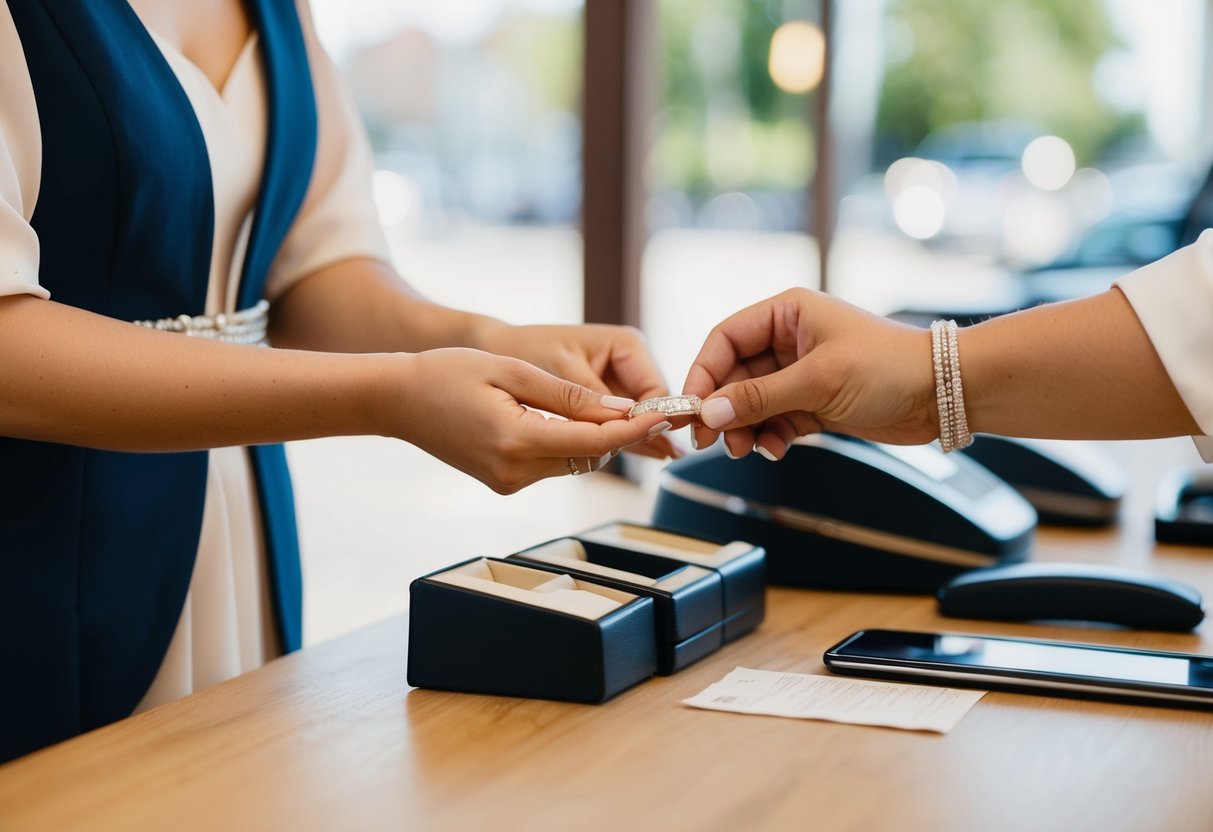
These days, many couples choose to share the cost of wedding rings, making decisions that reflect their unique relationship. Whether you are budgeting for one or both bands, discussing expectations with your partner is essential. This way, you can both feel comfortable with your choices.
Understanding who pays for wedding bands can help you plan your wedding expenses more easily. As you explore this topic, consider what feels right for you and your partner. Engaging in an open conversation about finances can set a positive tone for your wedding planning journey.
Decoding Wedding Band Expenses
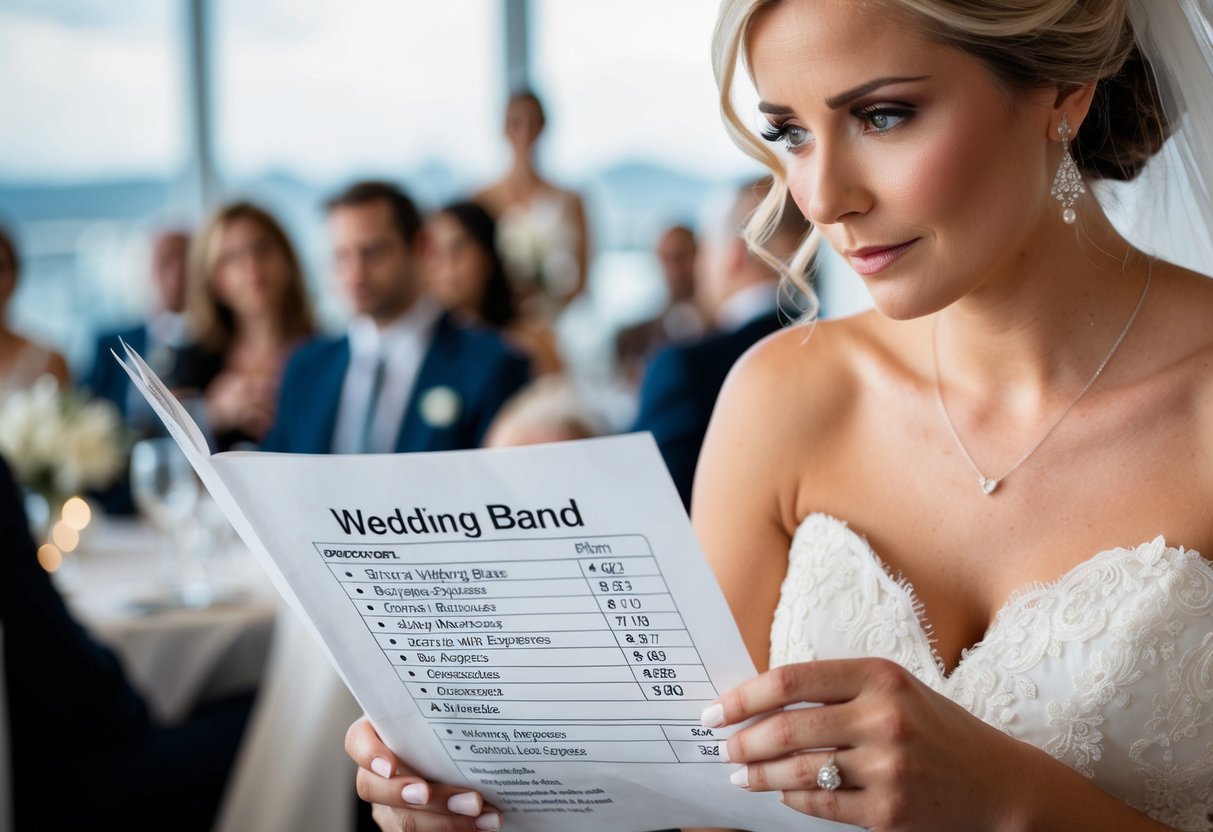
When planning for wedding bands, understanding costs and setting a budget are two crucial steps.
Let’s break down the different factors that can affect expenses, focusing on what you need to know.
Understanding Wedding Bands and Engagement Rings
It’s essential to differentiate between wedding bands and engagement rings. The engagement ring is typically given during the proposal and often features a more prominent gemstone, like a diamond. In contrast, wedding bands are exchanged during the ceremony and are usually simpler.
Brides may cover the cost of their own wedding band. Traditionally, the groom pays for the bride’s band and his own ring. Some couples choose to split the costs. This trend is becoming popular, allowing both partners to have a say in their rings.
The materials used for rings can also influence the price. For example, platinum or gold will generally cost more than silver.
Setting a Budget for Wedding Bands
Setting a budget for wedding bands can help you make informed choices. Experts suggest allocating about 3-8% of your total wedding budget for rings.
For a $30,000 wedding budget, that would mean planning to spend between $900 and $2,400 on wedding bands.
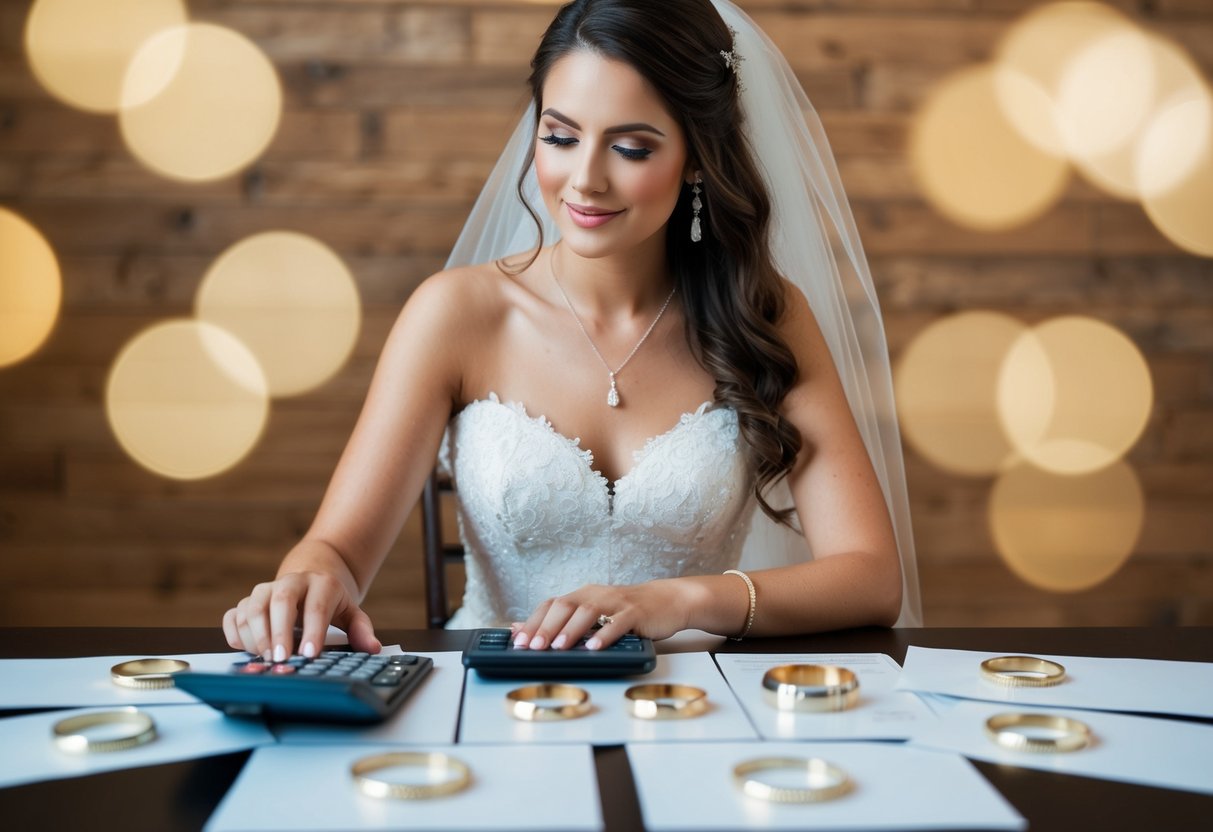
When determining your budget, consider the style and material of the rings. Research prices to find options that fit your financial plan. Don’t forget about additional costs like engraving or special designs.
By clearly identifying what you want and what you can afford, you can make the wedding band shopping experience enjoyable and stress-free.
Selecting the Perfect Wedding Bands

Choosing the perfect wedding band is an essential part of your wedding preparations. It’s all about finding the right materials, ensuring the size and style are just right, and adding personal touches that make the band uniquely yours.
Choosing the Right Metal and Gemstones
When selecting a wedding band, the choice of metal is crucial. Popular options include white gold, platinum, and yellow gold.
White gold offers a classic and modern look, while platinum is durable and hypoallergenic. Consider the lifestyle of the wearer; for example, active individuals may prefer platinum due to its strength.
For stones, lab-grown diamonds have become a popular choice. They are more affordable and environmentally conscious while still providing that beautiful sparkle. If you prefer color, think about adding gemstones like sapphires or emeralds, which can reflect personal style.
Determining Ring Size and Style
Getting the ring size right is key to comfort. Visit a jeweler to measure your finger, or use a printable sizing guide at home. Remember that fingers can swell, especially in warm weather, so consider this when choosing a size.
Style is equally important. Do you want a classic plain band, or something with intricate designs? Some bands feature diamonds or unique textures. Decide what suits your personality best and feel free to mix and match styles.
You could even consider a modern twist by choosing a band that incorporates colored stones.
Engraving and Personalization Options
Engraving your wedding band adds a personal touch. You might choose to inscribe initials, a special date, or a meaningful phrase. This makes the ring uniquely yours.
Many jewelers offer various fonts and design options. Be sure to check the engraving space before deciding on a design.
In addition to engraving, consider matching bands for you and your partner for a unified look. With personalization, your wedding bands can tell a story that’s special to you.
Navigating Modern Wedding Etiquette
Understanding modern wedding etiquette can simplify your planning and help address common questions, such as who buys the wedding bands and how to split costs among couples. Here’s a closer look at these important topics.
Who Buys the Wedding Bands?
Traditionally, it was expected that the groom would buy the bride’s wedding band, while the bride would purchase a band for the groom. This custom reflects historical norms where families contributed to wedding costs.
Today, many couples take a more flexible approach. You might decide to share the costs evenly or make arrangements based on individual financial situations. Discussing this openly ensures that both partners feel comfortable with their purchases.
When in doubt, it’s always helpful to look to your family’s traditions or create your own unique rules. Ultimately, the choice should align with what feels right for you and your partner.
Splitting Wedding Costs Amongst Modern Couples
As weddings evolve, so do the ways couples manage expenses. Many modern couples choose to split wedding costs in various ways.
Some stick to traditional models, where families contribute to specific expenses. For example, you might find that one family pays for the venue and catering while the other takes care of entertainment or decorations.
Others prefer a more balanced approach, sharing all costs equally.
Having open conversations about finances can reduce stress and create a clear plan. This practice emphasizes teamwork and helps both partners feel equally invested in the celebration.
Non-Traditional Weddings and Etiquette
Non-traditional weddings often come with unique challenges regarding etiquette. These celebrations can vary widely, from elopements to themed ceremonies.
In these cases, traditional expectations may not apply. You have the freedom to set your own rules, including how to handle wedding bands.
It’s perfectly acceptable for either partner to buy their own band or even choose to forgo rings altogether.
What matters most is that the arrangements reflect your values and style as a couple. Always prioritize communication with your partner to ensure the plans resonate with both of you.
Planning for the Big Day
As you prepare for your wedding, integrating the wedding bands into your ceremony is an important step. This moment symbolizes your commitment and love, so it’s crucial to plan it thoughtfully. Here’s what to consider when planning the band exchange during your ceremony.
Integrating Bands into the Wedding Ceremony
When planning your wedding ceremony, consider how the band exchange will fit into the overall flow. You can choose to make it a highlight moment or keep it simple.
-
Timing: Decide when to exchange the rings. Many couples wait until after the vows.
-
Words: Think about what you want to say while placing the bands on each other’s fingers. Some couples like to write their own vows.
-
Symbolism: The rings represent your love and commitment. You might explain this briefly to your guests during the ceremony.
Make sure to communicate with your officiant about your plans. This ensures everything goes smoothly on your special day.