
Do Brides Still Pay for Weddings? Exploring Modern Trends and Traditions
Planning a wedding brings many questions, especially when it comes to finances. You might wonder about the traditional roles and who is expected to pay for various expenses. Today, many brides are taking a fresh approach, where they may pay for some costs while sharing others with their partners and families.
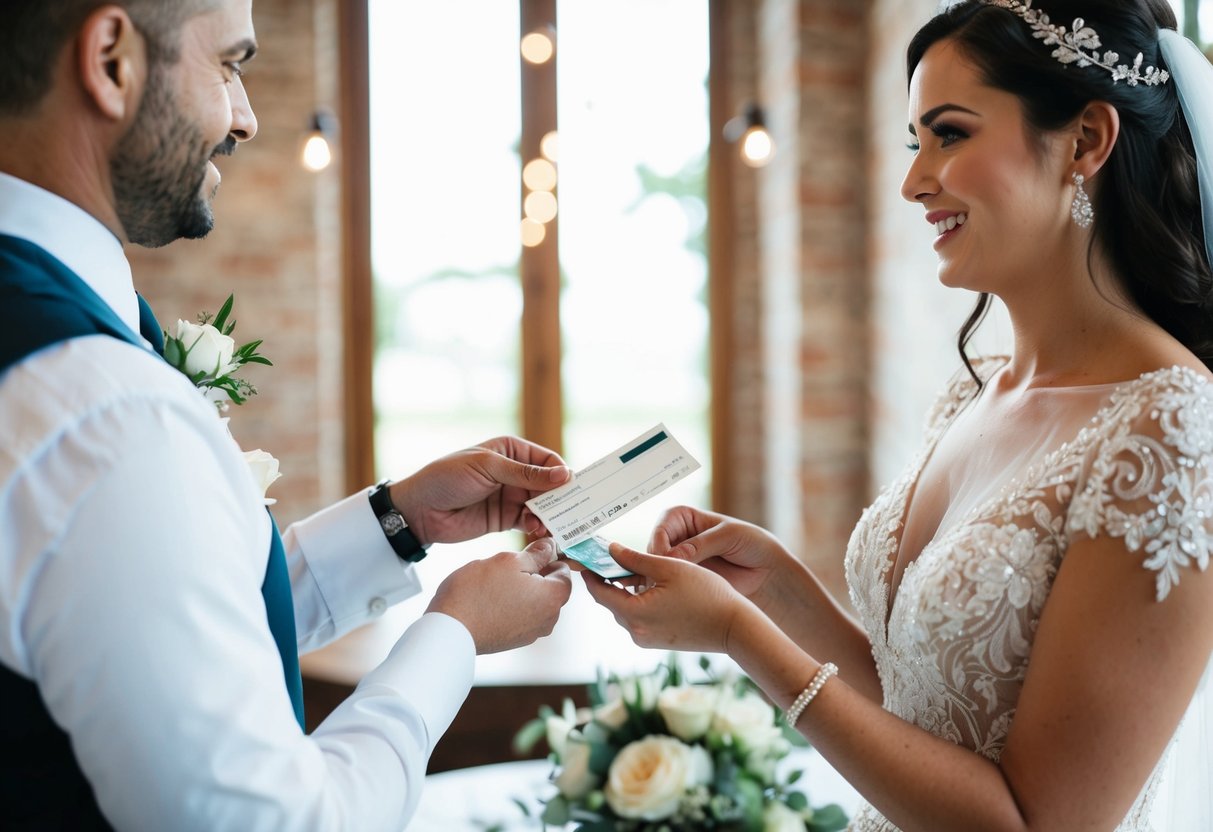
It’s important to understand that wedding traditions are evolving. While it was once standard for the bride’s family to cover most expenses, this is changing. Couples are increasingly working together to plan their big day and determining the budget that makes the most sense for them.
As weddings become more personal, the financial responsibilities can vary widely. You’ll find that many modern brides pay for their own wedding expenses, sometimes with help from family or friends. This reflects a shift towards more equitable approaches in planning weddings and celebrating love.
Unpacking Wedding Expenses
Understanding wedding expenses can be a bit tricky. Many factors come into play, such as family traditions and modern expectations. Here, we break down who typically pays for what, traditional wedding etiquette, and the roles of both families.
Understanding Who Pays for What
Historically, the bride’s family has covered the majority of wedding costs. This often includes the venue, catering, and flowers. You might find that many modern couples share expenses more evenly. Meanwhile, the groom’s family typically pays for certain items like the rehearsal dinner and the bride’s bouquet.
To give you an idea, here’s a simple breakdown of common expenses:
- Bride’s Family: Venue, food, flowers, and invitations.
- Groom’s Family: Rehearsal dinner and groom’s attire.
- Shared Costs: Photography, entertainment, and décor.
These roles can shift based on personal circumstances and budget.
Examining Traditional Wedding Etiquette
Traditional wedding etiquette has clear guidelines about who pays for what. According to custom, the bride’s family is responsible for many key costs. This includes the wedding ceremony and reception, along with the bride’s dress.
On the other hand, the groom’s family is expected to handle the groom’s ring, the officiant’s fee, and often the honeymoon expenses.
It’s important to note that these customs are not set in stone. Many couples today mix and match these traditions to fit their needs, which allows for more flexibility in wedding planning.
Roles of the Bride’s and Groom’s Families
The roles of both families influence wedding expenses significantly. The bride’s family typically takes charge of larger costs, while the groom’s family offers support through specific contributions.
Modern couples often collaborate with both families to create a budget that works for everyone.
Open communication is key. Discussing specific roles early on can help prevent misunderstandings. By determining who is comfortable paying for what, you set clear expectations and foster a sense of unity as families come together to celebrate.
Essentials of Wedding Planning
Planning a wedding involves several crucial steps that can help make your big day a success. You will need to create a budget, prioritize the key elements, and decide whether to hire professionals or go the DIY route. Each decision impacts your wedding experience, so let’s break it down.
Setting a Realistic Wedding Budget
The first step in planning your wedding is setting a realistic budget. Consider all expenses, including the wedding dress, wedding ring, venue, catering, and more.
Make a list of all potential costs:
- Wedding venue: This can take up a large portion of your budget.
- Catering: Food and drinks for your guests.
- Wedding dress and ring: Both are significant purchases that deserve attention.
Don’t forget about other crucial costs like the marriage license and reception music. Allocate funds for unexpected expenses too. Having a budget helps guide your decisions and keeps stress levels down.
Prioritizing Key Elements for the Big Day
Once you have your budget, it’s time to prioritize what matters most to you. List out the aspects of your wedding that are non-negotiable. This could be the wedding ceremony location, a specific wedding planner, or the type of food served at the reception.
Consider creating a tiered list:
- Essential: Venue, wedding dress, and wedding ring.
- Important: Photography, reception music, and décor.
- Optional: Favors or extravagant cake designs.
Focusing on what really matters will help you stay within budget while ensuring you have the parts of your wedding that mean the most to you.
Deciding Between Professional Help or DIY
Choosing between hiring professionals or doing things yourself can significantly influence your wedding’s flow. If you opt for a wedding planner, they can handle logistics, vendor communication, and even day-of coordination, allowing you to enjoy the moments without stress.
However, going the DIY route can save money. You might consider doing things like designing your own invitations or even creating your wedding favors.
Assess your skills and available time before deciding. If decorations or reception layouts seem overwhelming, hiring help might be the way to go. Balance your choices to reflect your personality and vision for the wedding.
Breakdown of Major Wedding Costs
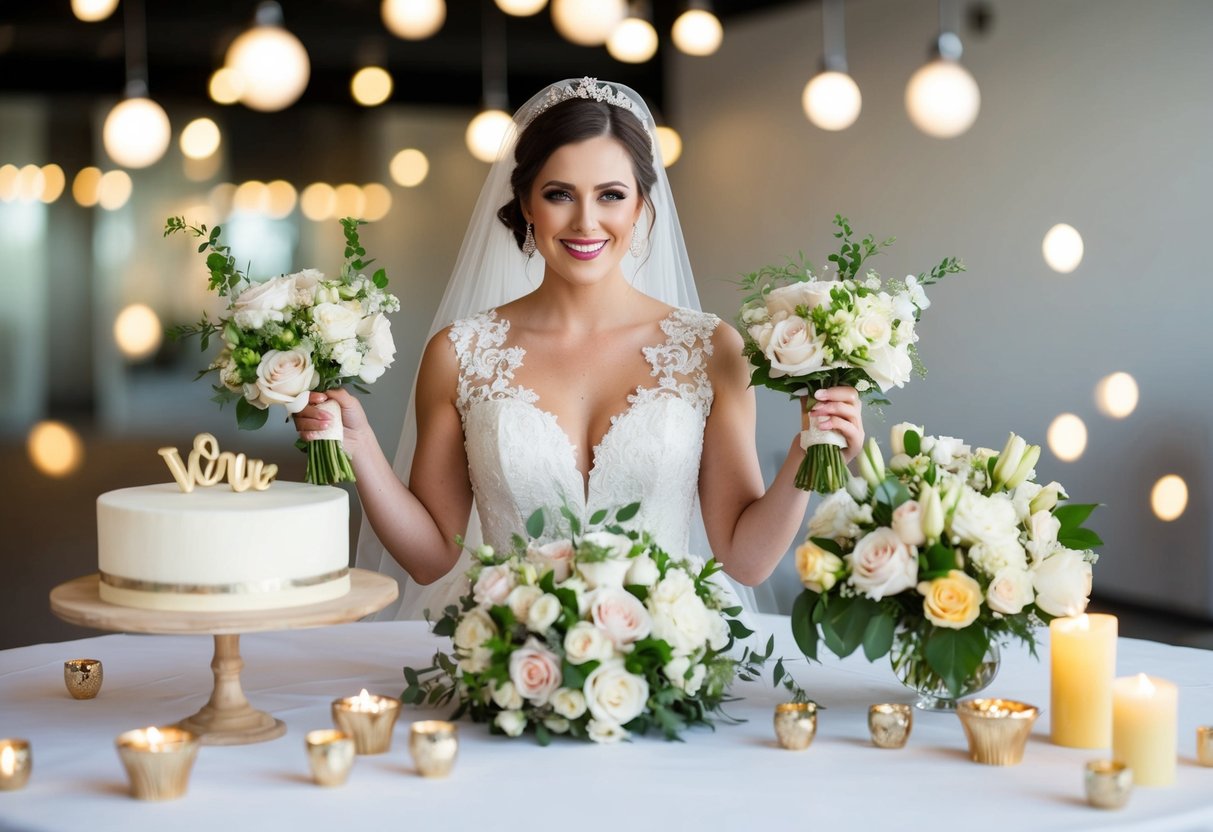
Planning a wedding involves many expenses. Understanding the major costs can help you budget more effectively and focus on what matters most to you.
Venue and Catering Costs
The venue is often one of the largest expenses for your wedding. Renting the space usually ranges from a few thousand to tens of thousands of dollars, depending on the location and size.
Catering costs add to your budget, too. On average, you’ll spend about $70 to $200 per person. This includes food and drinks. Don’t forget about reception alcohol, which can significantly increase costs. It’s wise to consider packages that venues may offer.
Other costs may include rental fees for tables, chairs, and linens. These add-ons are essential for creating a comfortable atmosphere for your guests.
Attire and Beauty Investments
Your bridal attire is a crucial part of your wedding day. The bride’s dress can cost anywhere from a few hundred to several thousand dollars. Accessories, shoes, and alterations often add more expense.
Beauty investments are also key. Hair and makeup services can range from $100 to $500 depending on your style and the professionals you choose.
Also consider the attire of the bridal party. Their dresses and suits will increase the overall budget. It’s helpful to discuss costs with your party upfront to avoid surprises.
Memories: Photography and Videography
Capturing your special day requires thoughtful planning for photography and videography. Hiring a good photographer often costs between $1,000 to $3,500. The number of hours you need can affect this price.
Videography is another important investment. Expect to spend anywhere from $1,500 to $5,000 depending on the package and the experience of the videographer.
Keep in mind that these memories will last a lifetime. Choose wisely and ensure you find professionals who align with your vision. Don’t forget about the cost of wedding albums, prints, and digital downloads, which may add to your overall photography expenses.
Special Celebrations and Final Touches
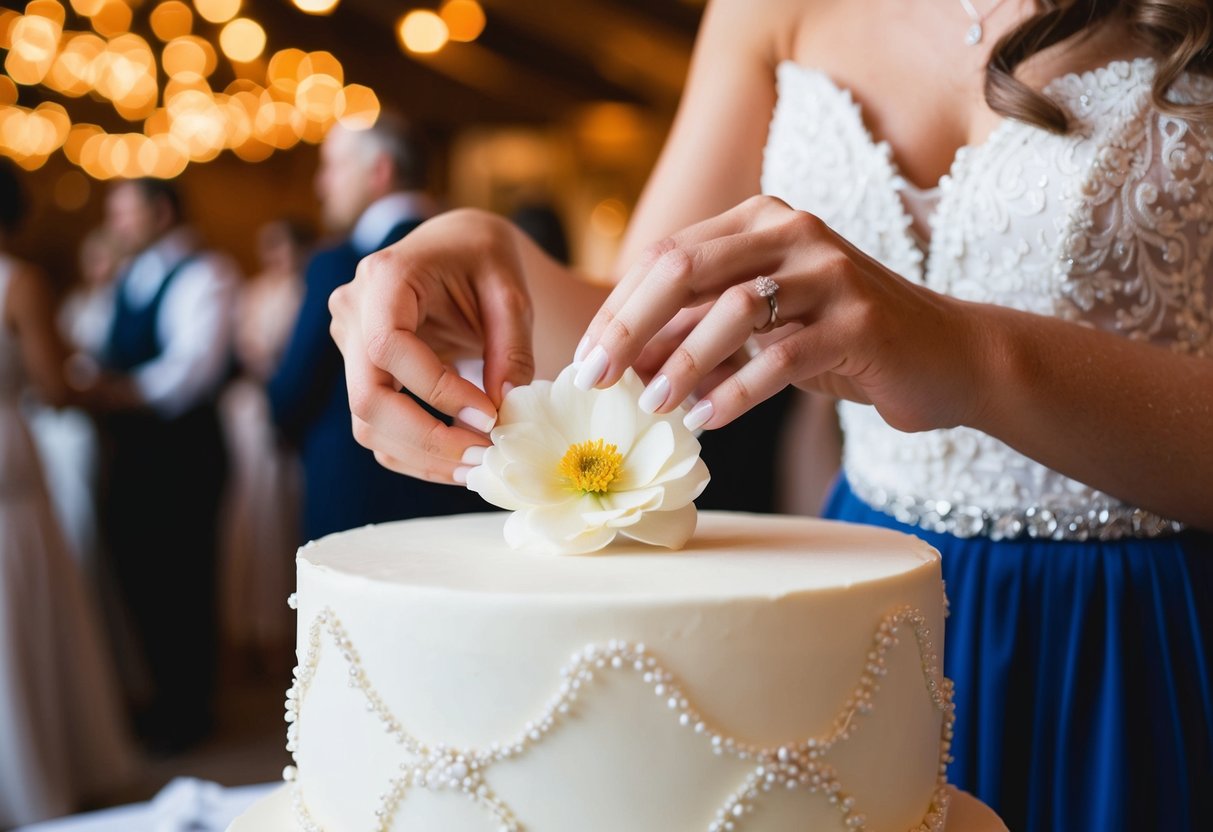
In preparing for your big day, special celebrations and personal touches can make the experience memorable. Let’s look at the various events leading up to the wedding and how to make them unique.
Pre-Wedding Events and Their Costs
Pre-wedding events like engagement parties, bridal showers, and rehearsal dinners can add joy but also expenses. An engagement party is often hosted by friends or family, with costs usually shared. A bridal shower traditionally falls to the bridesmaids, covering food, drinks, and decorations.
The rehearsal dinner typically lands on the groom’s family, as a way to thank the wedding party. This dinner often includes a nice meal and drinks. Expect to budget anywhere from $500 to $2,000 based on your guest list and venue.
Remember, each event is an opportunity to bring loved ones together and celebrate.
Personalizing the Wedding Experience
Personalizing your wedding can make it feel unique and special. Start with your invitations – consider custom designs that reflect your style. Focus on your bridal bouquet; the flowers can represent your personality and taste.
Think about including meaningful items like family heirlooms in your decor. You could also add personal touches through your vows, making them heartfelt and reflective of your journey together.
Don’t forget the reception! Choose music and food that represent you as a couple. This is a chance to create an experience your guests will love and remember.
Thanking Your Guests and Wedding Party
Expressing gratitude to your guests and wedding party is essential. You can consider thoughtful gifts for your wedding party. For example, engraved items or personalized keepsakes show appreciation for their support. They can also be meaningful tokens of your friendship.
For guests, small favors can be a lovely touch. Options include custom cookies, mini champagne bottles, or local specialties. Such gestures help guests remember your day fondly.
Don’t forget a heartfelt thank-you note after the wedding! It’s a perfect way to show gratitude and keep connections strong.