
Do Bridesmaids Enter with Groomsmen? Understanding the Wedding Procession Tradition
When planning your wedding ceremony, you might wonder if bridesmaids should enter with groomsmen. Traditionally, bridesmaids walk down the aisle with groomsmen, creating a lovely visual balance as they make their way to the altar together. This approach often adds a sense of unity and teamwork to the event, making it feel even more special.
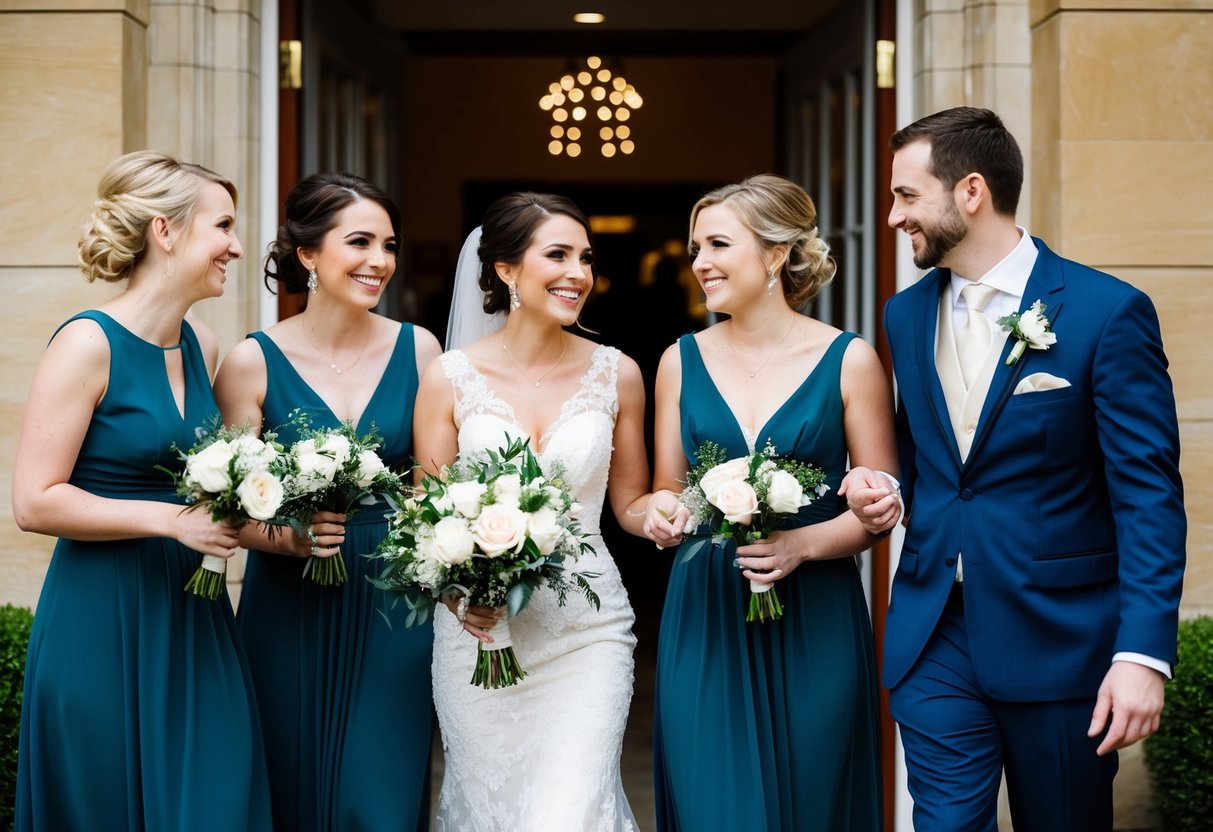
Choosing this processional style can help set the tone for your wedding. It brings everyone together right from the start and allows your wedding party to share the spotlight as they support you on your big day.
You can also consider variations or mix-ups based on your preferences, such as having groomsmen walk in reverse order or in pairs.
Whatever you decide, the key is to create a processional that reflects your unique style and personality. As you work through your wedding planning, think about how you want your bridal party to enter and how it can enhance the overall atmosphere of the ceremony.
Understanding the Wedding Processional
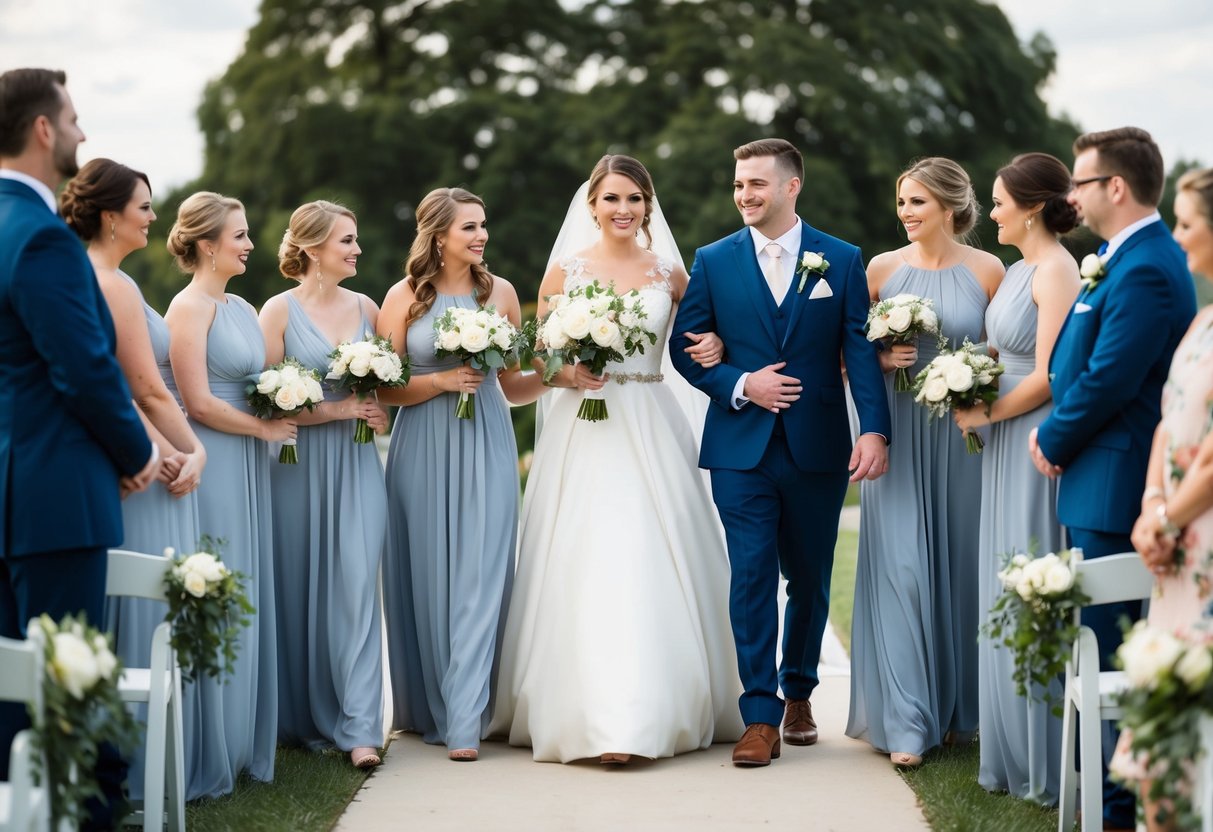
The wedding processional is a key moment in your ceremony, setting the tone for the event. It involves the order in which the wedding party walks down the aisle, including bridesmaids, groomsmen, and other important participants. The process can vary based on traditions or personal preferences.
Traditional Order of Entrance
In a traditional wedding, the processional starts with the officiant entering first. Next, the groomsmen follow, walking either solo or paired with bridesmaids. The order usually goes as follows:
- Officiant
- Groomsmen
- Bridesmaids
- Flower girl
- Ring bearer
- Parents
- Bride and groom
This order emphasizes the couple’s entrance, making it a memorable moment. In some religious settings, such as Christian weddings, the processional might include grandparents before the parents. Each position honors the significance of each member of the wedding party.
Cultural Variations in the Processional
Cultural traditions can greatly influence the wedding processional. In a Jewish wedding, for example, the processional often includes both sets of parents before the bride enters under the chuppah.
In Hindu weddings, the groom typically enters in a grand procession, known as the baraat, before the bride’s family welcomes him.
Understanding these cultural nuances can help you decide on the most meaningful way to structure your processional.
Modern Takes on Wedding Processionals
Modern weddings often incorporate personalized elements into the processional. Couples may choose to have their bridesmaids and groomsmen walk down the aisle together, showcasing their friendships.
Some may prefer to have the ring bearer and flower girl lead the way for a playful touch. Others might even bypass traditional formats entirely, opting for personalized songs or themes to enhance the experience.
Ultimately, the goal is to reflect your style and relationship while honoring your loved ones.
Roles and Responsibilities of the Wedding Party
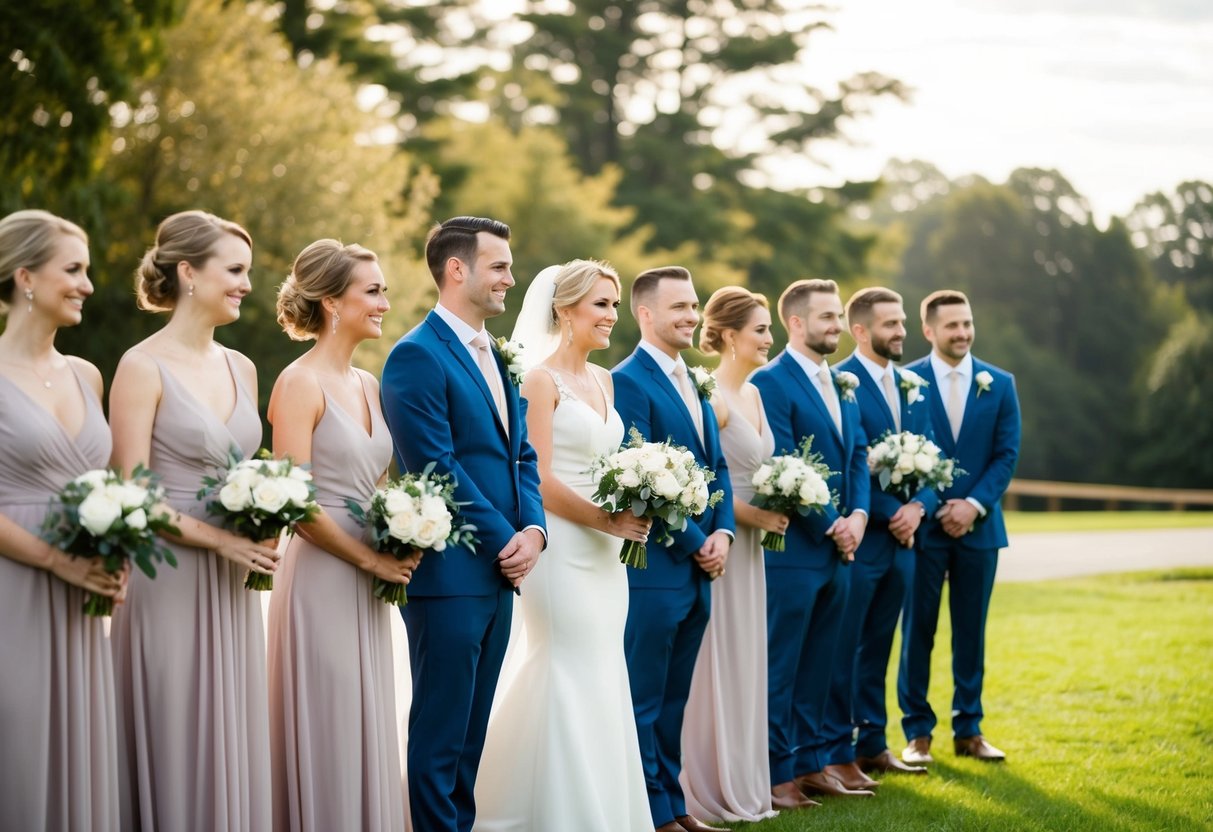
The wedding party plays a key role in making the day special for you and your partner. Each member has specific duties that help the ceremony run smoothly while providing emotional support.
Duties of Bridesmaids and Groomsmen
Bridesmaids and groomsmen share important responsibilities on your wedding day. They are often your greatest supporters, helping with everything from planning to day-of tasks.
Bridesmaids assist the bride with dress fittings, plan bridal showers, and lend emotional support. They also help with personal touches like the decor or DIY projects.
Groomsmen provide similar support to the groom. Their duties might include coordinating attire, planning the bachelor party, and ensuring everything goes as planned.
Together, they maintain a sense of unity during the ceremony, often entering in a specified procession order that enhances the overall visual impact.
Significance of the Maid of Honor and Best Man
The Maid of Honor and Best Man hold special positions within the wedding party. Their roles carry more weight, given their close relationships with you and your partner.
The Maid of Honor is typically the bride’s closest friend or family member. She oversees the bridesmaids and handles key tasks such as organizing pre-wedding events. Her support is emotional and practical, as she often helps solve problems that arise.
The Best Man is just as important for the groom. He coordinates the groomsmen, holds the rings during the ceremony, and delivers a speech at the reception. His support helps the groom manage any pre-wedding jitters.
The Roles of Children in the Wedding Party
Child attendants, like flower girls and ring bearers, bring joy and innocence to your ceremony. While their duties may be less extensive, they add a special touch to the event.
Flower Girls typically sprinkle petals down the aisle. They may also carry a small bouquet or a sign, making their entrance charming and memorable.
Ring Bearers carry the wedding rings, often on a pillow or in a creative way. Their role is significant, representing the unity of your marriage.
Including children in your wedding party not only creates lasting memories but also symbolizes the innocence and joy of love.
Coordinating the Bridal Party Entrance
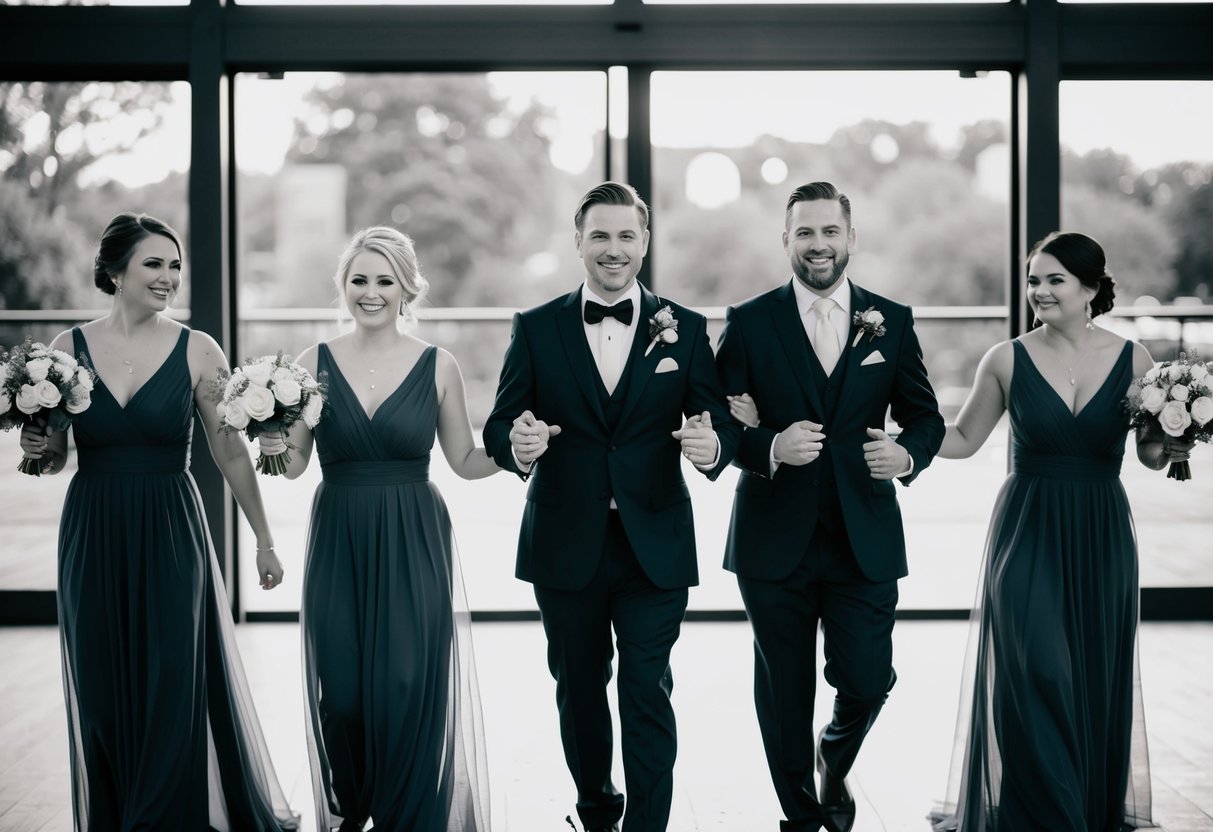
Properly coordinating the entrance of the bridal party can set the right tone for the wedding ceremony. It helps ensure everyone feels comfortable and confident as they make their way down the aisle. Here are key aspects to consider for a smooth processional.
Pairing Bridesmaids and Groomsmen
When pairing bridesmaids and groomsmen, you want to be thoughtful about the dynamics. It often works well to match them in pairs based on height or relationship closeness.
For example, if one of your bridesmaids is tall, you might pair her with one of the taller groomsmen. Creating pairs based on friendship or family bonds can also enhance the moment.
If the groomsman is the brother of the bride, for example, it makes sense to walk with the maid of honor. This personal touch adds warmth to the ceremony and creates a more memorable experience.
Processional Rehearsals and Direction
Rehearsals are crucial for a smooth entrance. Make sure each member of the bridal party understands when and where they need to go.
This includes groomsmen, bridesmaids, the best man, and the maid of honor. Designate someone, like your wedding planner or a family member, to guide the bridal party during the rehearsal.
Clear instructions on when to step forward will help everyone feel confident on the day. Practicing multiple times can ease nerves and ensure that the entrance flows seamlessly.
Sequencing by Height and Relationship
Sequencing the bridal party by height can create a visually appealing arrangement. Generally, taller members should stand at the back, with shorter members in front. This layout allows everyone to be seen during the ceremony.
You can also consider the relationships between participants when sequencing. Placing couples or close friends together can foster a sense of unity.
For example, having the maid of honor next to a close bridesmaid adds a personal touch that can make the ceremony feel special. Balancing height and relationships creates a harmonious look during the wedding processional.
Special Moments and Considerations
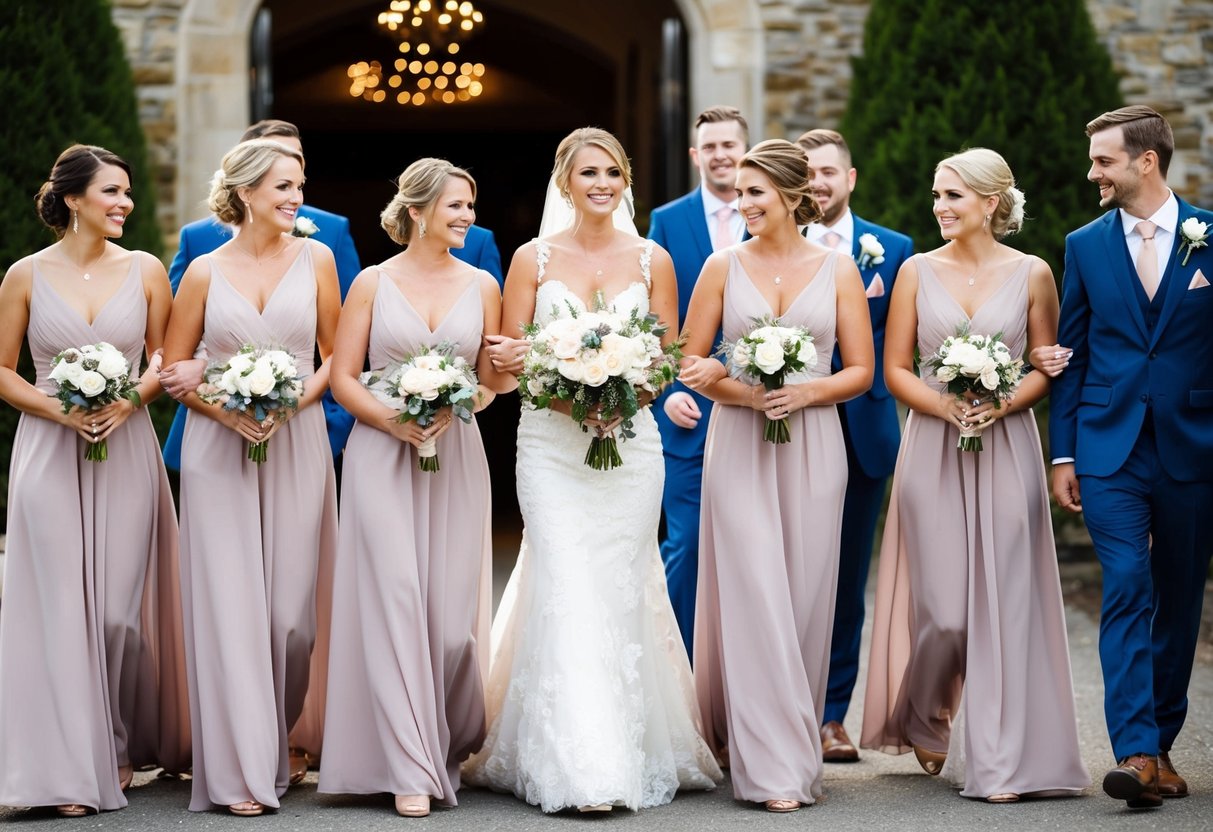
When planning the entrance for bridesmaids and groomsmen, there are unique moments and symbolic gestures to think about. It’s important to consider how these choices reflect your love story and family dynamics.
Memorable Entries and Symbolism
Entering the ceremony is a significant moment. Bridesmaids often walk down the aisle with groomsmen, creating a unified front. This can symbolize the support of friends and family as you start your new life together.
For example, if your father is walking you down the aisle, this traditional role can enhance the emotional weight of the moment. The wedding rings can also play a part here, representing commitment.
You might think of including personalized touches, like selecting songs that reflect your relationship.
Consider how the ceremony venue contributes to these memories. The surroundings can enhance the meaning of these moments, making them even more special.
Accommodating Special Family Dynamics
Family dynamics can influence how the bridal party enters the ceremony. If there are unique relationships, such as stepfamilies, you might want to pair up bridesmaids and groomsmen in a way that creates comfort.
Think about how to honor special family members while keeping the flow of the ceremony intact. This might mean having a brother walk with a sister or ensuring a close friend accompanies a bridesmaid.
Your choices can help everyone feel included and valued. These considerations can make a lasting impression, respecting family bonds and creating a warm atmosphere for the celebration.
Transition from Ceremony to Reception
The transition from the ceremony to the reception is another important moment. It sets the tone for the joyous celebration that follows.
Once the ceremony is over, consider how the bridal party exits. You could have the bridesmaids and groomsmen walk together as a united group, highlighting the support between both sides.
Another idea is to use fun elements, like sparklers or confetti, as everyone exits. This sets a joyful mood for your first moments as a married couple.
Making this transition memorable can enhance the overall experience for you and your guests.