
Do Bridesmaids Go Before the Bride? Understanding Wedding Procession Traditions
When planning a wedding, many details come to mind, including the order of the processional. Typically, bridesmaids walk down the aisle before the bride, creating an exciting moment of anticipation for the guests. This order helps set the stage for the bride’s grand entrance, making her arrival even more special.
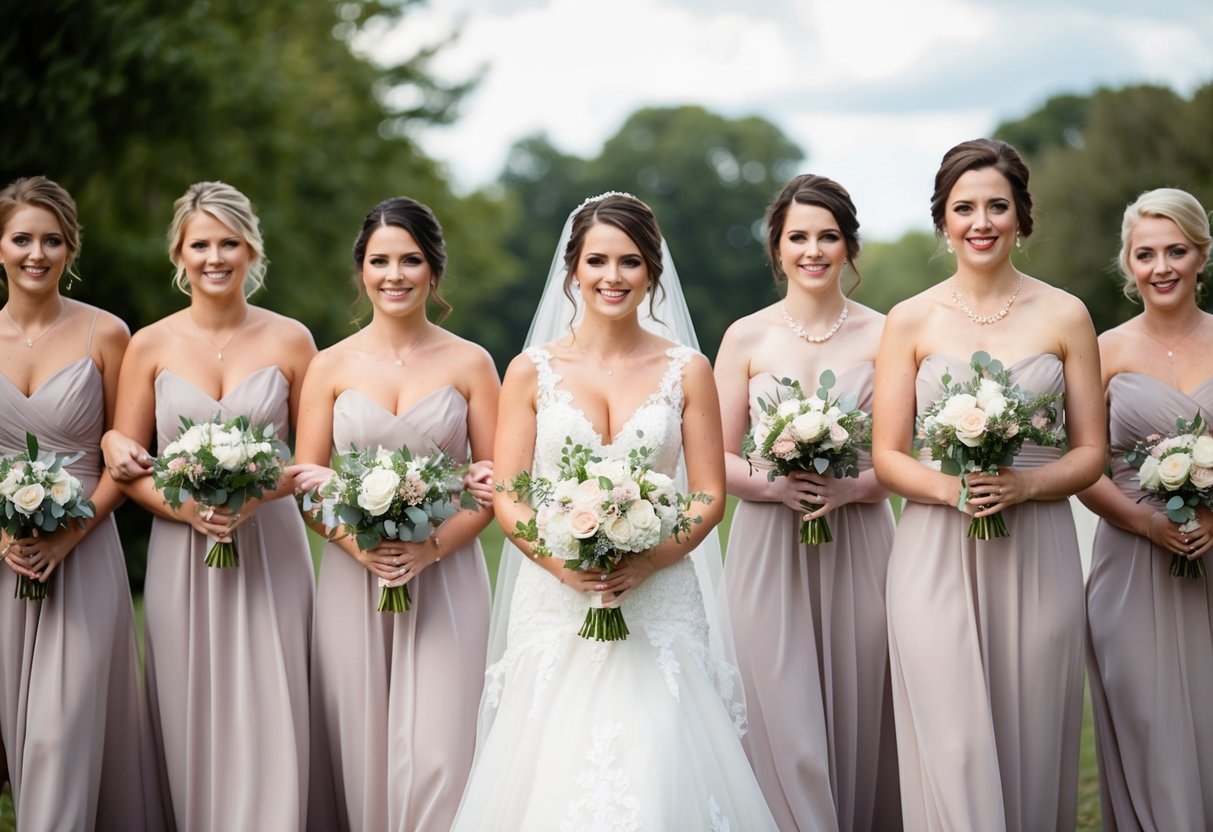
Choosing the right order can enhance the emotional impact of the ceremony. As your bridesmaids gracefully make their way down the aisle, guests will be filled with excitement, eagerly awaiting your entrance.
The moments leading up to a bride’s entrance can create a lasting impression, making it an important part of the wedding ceremony.
Ultimately, the decision is yours. While tradition often has bridesmaids going before the bride, you have the flexibility to design your ceremony in a way that feels right for you. Whether you stick to tradition or create your own path, the focus will always be on the beautiful journey of love and celebration.
Understanding the Traditional Wedding Processional Order

The wedding processional order is a cherished part of many ceremonies. Knowing who walks when and why can help you plan your big day more smoothly.
The Role of the Bridesmaids in the Procession
In a traditional wedding processional, bridesmaids play a key role. They typically walk down the aisle before the bride, signaling the start of the ceremony. Their order may vary, often walking in pairs or individually.
If you have multiple bridesmaids, consider pairing them with groomsmen for a harmonious look. During a Christian wedding, the maid or matron of honor usually walks last among the bridesmaids, just before the bride. This positions her to assist with the bride’s train and bouquet.
Bridesmaids usually wear dresses chosen to complement the wedding theme. Their presence supports the bride and enhances the overall aesthetic.
The Significance of the Flower Girl and Ring Bearer
The flower girl and ring bearer often follow the bridesmaids. The flower girl sprinkles petals along the aisle to add a touch of beauty. This charming act symbolizes good luck and new beginnings.
The ring bearer carries the rings, either on a pillow or inside a box. Their involvement adds a playful and innocent element to the procession.
In traditional Christian and Jewish ceremonies, both children often enter after the bridesmaids. Yet, the couple can choose to mix things up! You might want them to walk before the bridesmaids or even lead the entire procession.
Traditional Roles of Family Members
Family members have distinct roles in the wedding processional. The father of the bride usually walks her down the aisle. This moment symbolizes giving her away and is filled with emotion.
Mothers may also have important roles. The mother of the bride often walks in first, sometimes entering with the groom’s mother. This sets a meaningful tone for the ceremony.
In some cases, parents of the couple may sit in reserved seats at the front. Others may also participate actively in the processional, depending on family traditions or personal preferences.
Specifics of Different Cultural Ceremonies
Different cultures have unique customs around the wedding processional. For instance, in a traditional Jewish wedding, the groom often enters before the bride, accompanied by both sets of parents.
In Hindu weddings, the bride typically arrives accompanied by her family, creating a grand entrance. Meanwhile, a nondenominational wedding may mix practices from different traditions, allowing for a more personalized processional.
Christian and Catholic weddings often follow a smoother, more structured approach, with clearly defined roles. Knowing these specifics can help you honor family traditions while making the ceremony uniquely yours.
Roles and Responsibilities of the Wedding Party

The wedding party plays a crucial role in supporting the bride and groom throughout the planning process and on the wedding day. Understanding each member’s responsibilities can help the event run smoothly, allowing everyone to enjoy the celebration.
Aligning the Bridesmaids and Groomsmen
As a bridesmaid or groomsman, your job is not just about dressing up; it’s about teamwork. You should coordinate with the other bridesmaids and groomsmen to ensure everyone is on the same page.
Creating a group chat can help with this. This way, everyone can discuss plans, share ideas, and support the bride and groom.
During rehearsals, pay attention to your cues and positions in relation to others.
If you are the chief bridesmaid or maid of honor, you may need to take initiative in organizing information for the group. This includes sharing details about the wedding day schedule and ceremony venue. Clear communication ensures that both sides of the wedding party work together harmoniously.
The Bridal Party’s Preparation for the Ceremony
The bridal party’s preparation begins well before the ceremony. On the big day, your focus should be on the bride. Help her with her wedding gown, ensuring everything fits perfectly and is ready for photos.
Bridesmaids should help manage the bride’s time, encouraging her to relax and enjoy the moments leading up to the ceremony. This might include assisting with hair and makeup or ensuring she has everything she needs.
For groomsmen, the focus is on the groom. They can support him by ensuring he is dressed and calm. The best man usually helps with any last-minute details, such as rings and speech preparation.
Together, the wedding party helps set a positive tone for the ceremony. You create an atmosphere of support that enhances the joy of the day.
The Big Moment: The Bride’s Grand Entrance

When you prepare for your big day, the bride’s walk down the aisle is a moment that captures everyone’s attention. Making this entrance special involves thoughtful details, from who accompanies you to the music that plays as you walk.
Accompaniment of the Bride by the Father of the Bride
One of the most cherished traditions is the bride being escorted by the father of the bride. This moment symbolizes support and blessing as you transition from individual to spouse.
As you walk arm in arm, all eyes will be on you. This partnership often brings emotional weight, so many fathers take this role seriously.
Consider your father’s feelings, too. Whether it’s pride or a bittersweet sense of giving you away, it can be a touching experience for both of you.
If your father is not present, another close family member or friend can step in as your escort. This ensures that your grand entrance remains meaningful and honors your personal story.
Choosing the Right Processional Music
The music that plays during your entrance sets the emotional tone for the ceremony. Picking the right wedding processional song is essential.
You might lean towards a traditional bridal chorus, which many recognize, or choose something more personal to you. Think of songs that reflect your relationship or evoke special memories.
A slower tempo can create a dramatic effect as you make your entrance. Ensure that the music builds up to your arrival, enhancing the moment.
Consult with your musician or DJ. They can help you select the perfect piece and coordinate the timing with your walk. A well-timed start means that your grand entrance will be unforgettable for both you and your guests.
Modern Twists on Wedding Processional Traditions
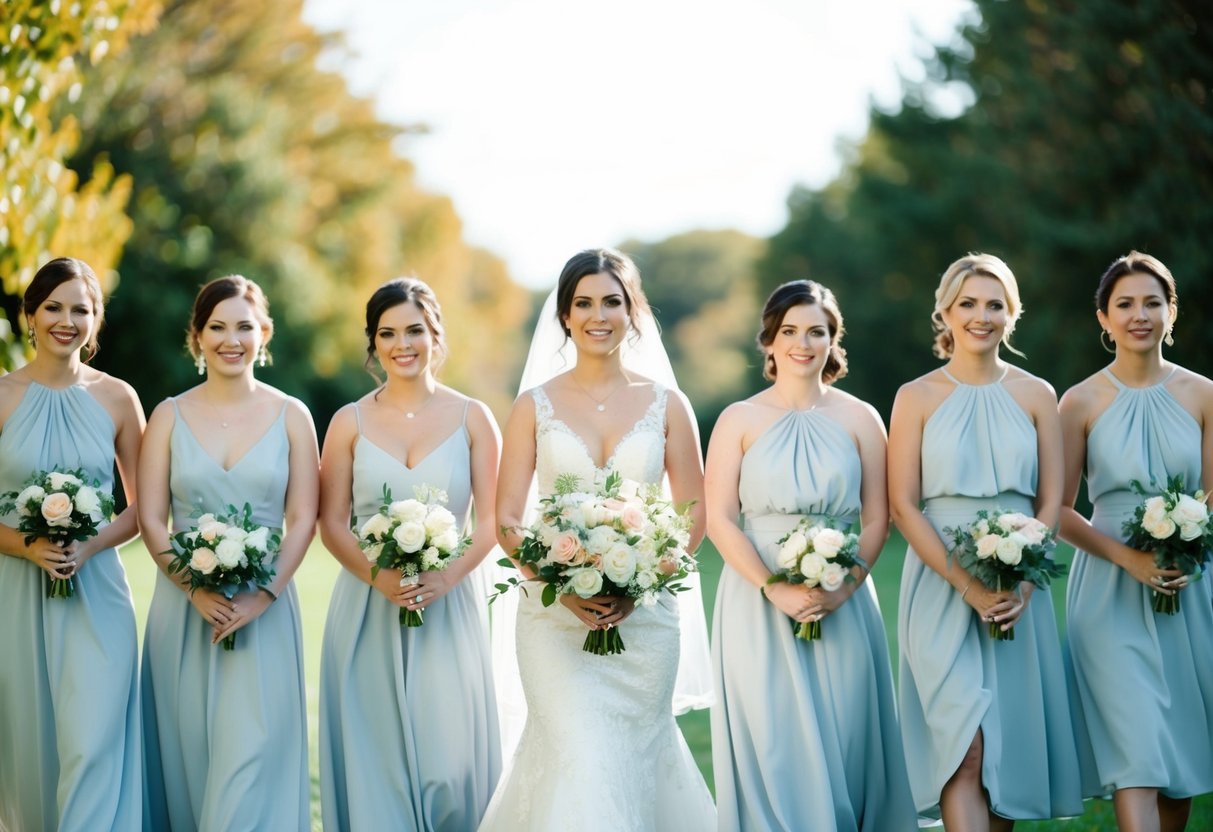
Today’s couples often mix traditional elements with modern ideas in their wedding processional. This allows for a more personalized experience that reflects their unique relationship and values. You can creatively plan how different members of your bridal party walk down the aisle, ensuring it feels meaningful.
Contemporary Variations in the Wedding Processional
Many couples choose to break from tradition when deciding who walks when. In a Christian wedding processional, bridesmaids often follow the groomsmen, leading to the bride. However, you might prefer to have flower girls and ring bearers walk before the bridesmaids.
In a Hindu wedding, the groom may arrive first with a celebratory baraat, followed by the bride’s entrance under a mandap. Nondenominational weddings can also adapt traditional orders to fit your vision, allowing for more fluid and unique processes that suit your preferences.
Inclusive Approaches to Honor All Participants
Creating an inclusive wedding processional can celebrate everyone important in your lives. Many couples are now inviting both sets of parents to walk down the aisle together. This approach honors your family and builds a sense of unity.
Another idea is to have a special family member or friend who means a lot to you carry the wedding rings. Incorporating diverse backgrounds can make your ceremony even more special. This way, your guests feel connected to the love and support surrounding you as you begin your married life.