
Do Grooms’ Parents Pay for Honeymoon? Understanding Traditional Wedding Expenses
When planning your wedding, you might wonder about the roles of both families in covering costs. This includes the question of whether the groom’s parents pay for the honeymoon. Traditionally, the groom’s family does help with honeymoon expenses, but these roles have evolved over time.

As wedding planning continues to change, couples now often share financial responsibilities with their families. Many might find that parents, including the groom’s, choose to contribute to experiences like the honeymoon, or even pay for other areas of the celebration.
Exploring these options can open doors to more flexibility and personal touches in your wedding.
Understanding the nuances of wedding etiquette can also ease some stress during this exciting time. You’ll want to have open conversations with both sets of parents about their willingness to assist financially. This creates a smoother planning process and helps everyone feel included.
Understanding Wedding Costs
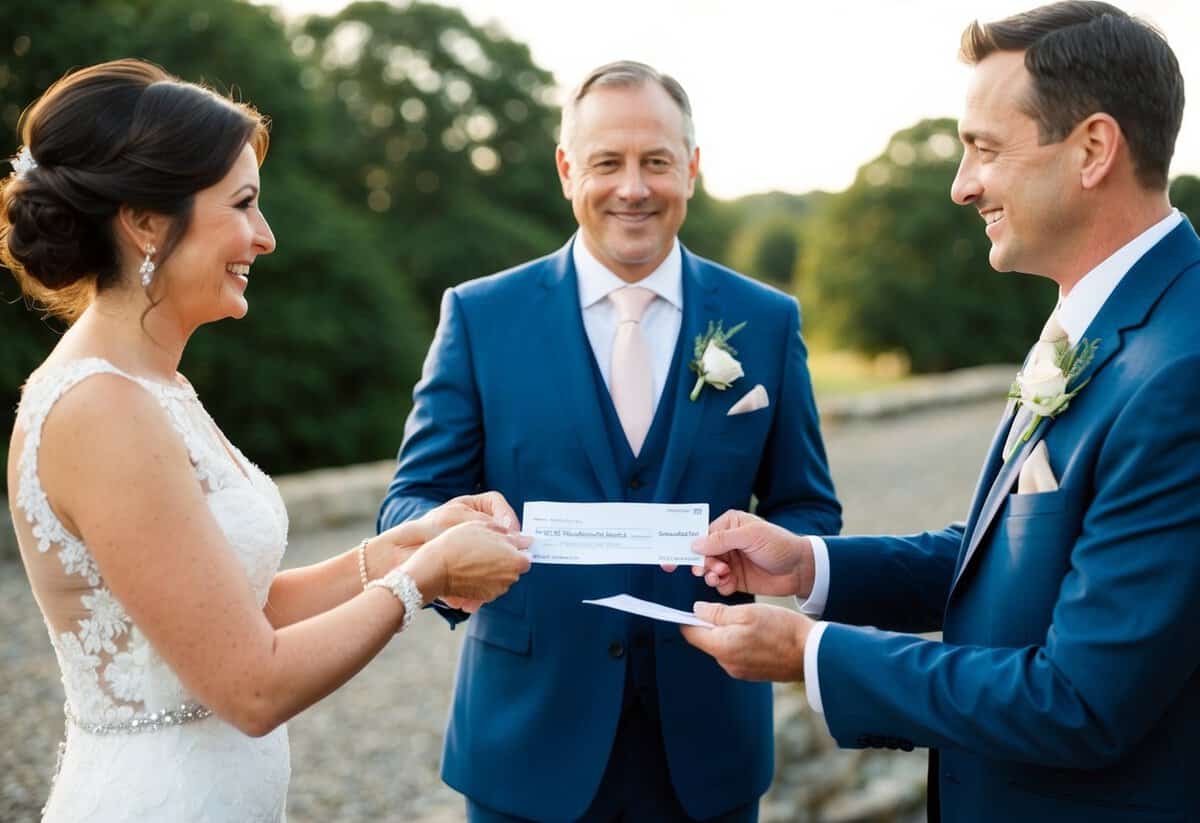
Planning a wedding brings many expenses that can add up quickly. Knowing what you might spend and who pays for what can ease financial stress.
Breaking Down Expenses
Your wedding budget typically includes various categories. Here are some common wedding expenses:
- Venue Costs: This covers the ceremony and reception locations.
- Officiant Fees: You’ll need to pay the person who conducts the ceremony.
- Wedding Rings: This includes costs for both the engagement ring and the wedding bands.
- Reception Alcohol: Depending on your guest list, this can be a major expense.
It’s important to create a detailed list of all potential expenses. A clear picture of these costs helps you stick to the budget and avoid surprises later.
Tracking costs can also inform decisions about priorities, like the types of food or entertainment you want at the reception.
The Role of the Groom’s Parents
Traditionally, the groom’s parents cover specific costs. They often pay for items such as:
- Wedding Rings: Some families choose to help with the engagement and wedding rings.
- Groom’s Attire: This includes the outfit worn on the big day.
- Rehearsal Dinner: This pre-wedding event is also often financed by the groom’s family.
In some modern situations, couples may take on these costs themselves. It’s best to have open conversations with both families about financial responsibilities. Understanding these roles can make planning smoother and help establish expectations.
Pre-Wedding Events and Responsibilities
Planning pre-wedding events is an important part of the wedding journey. Understanding who handles these events helps ensure everything goes smoothly and everyone knows their role.
Who Hosts the Rehearsal Dinner?
The rehearsal dinner is a special time for family and friends to gather before the big day. Traditionally, the groom’s parents host this dinner. It usually takes place after the rehearsal and gives everyone a chance to connect.
You can choose a venue that feels right for your group, whether that’s a private room in a restaurant or a cozy home setting.
It’s a good idea to invite close family, the wedding party, and anyone who played a significant role in the wedding planning.
This is also a chance for the groom’s mother to shine by planning some personal touches such as a toast or sharing fun stories about the couple.
Engagement Party Protocol
The engagement party is a fun way to announce your engagement and celebrate with friends and family. Often, the groom’s parents or the couple can host this event.
You can keep it casual or make it a more formal gathering. Common practices include serving light snacks and drinks while sharing the excitement of the upcoming wedding.
Guest lists can include family, close friends, and others you want to share this special moment with. Make sure to send out invitations in advance, so everyone has time to prepare.
Planning the Big Day
Your wedding planner can help keep everything organized. They can coordinate tasks, including scheduling events and managing vendor contacts.
The groom’s mother often plays a guiding role in helping with traditions and ensuring everyone knows their responsibilities.
She might contribute ideas for the décor or work with the wedding planner to bring your vision to life.
Involve both families in discussions about the wedding day to ensure everyone feels included. Early planning can help avoid stress as the wedding day approaches.
The Honeymoon Tradition
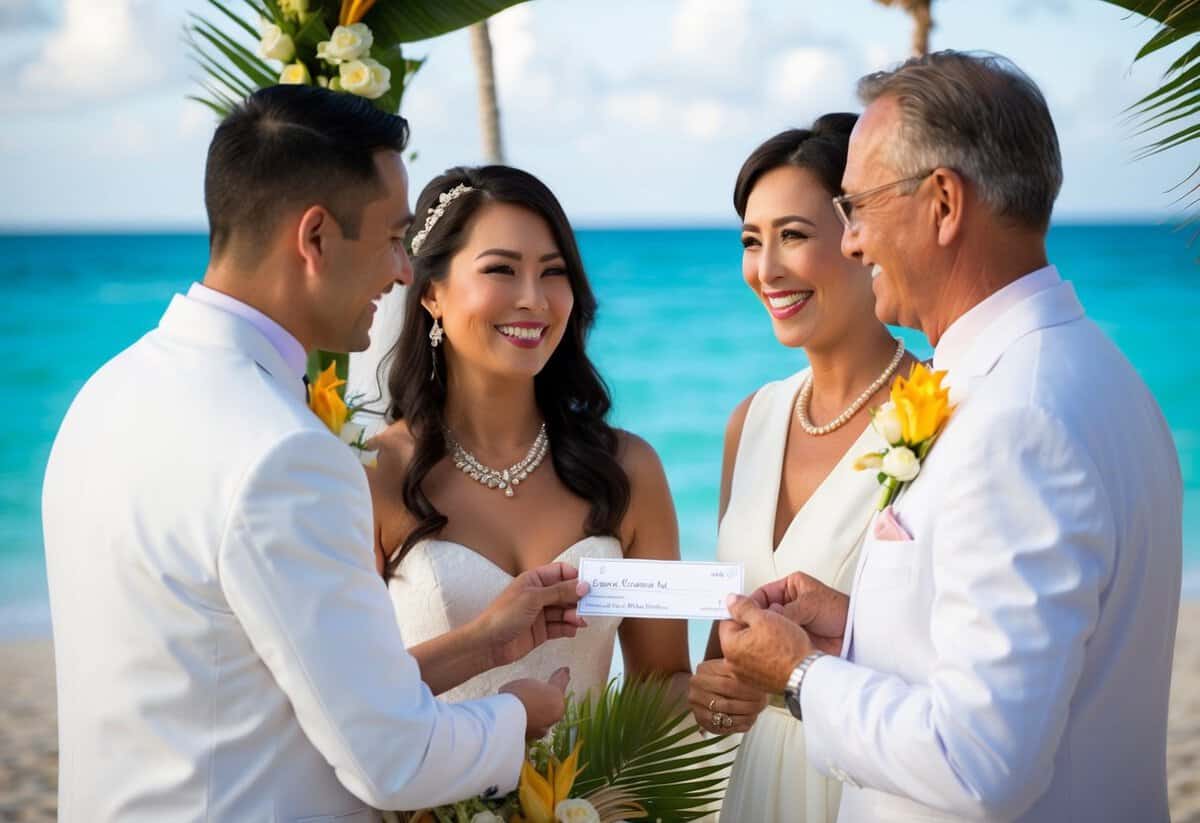
When planning a wedding, understanding who pays for the honeymoon is important. Traditionally, various families contribute to the costs, ensuring a memorable trip for the couple. These contributions may vary based on family customs and financial situations.
Honeymoon Planning and Costs
Planning your honeymoon includes choosing a destination, setting a budget, and figuring out the costs.
Common expenses involve flights, accommodations, meals, and activities.
You and your partner should discuss your dream locations and costs. Many couples aim for a budget that works for both families. This helps set realistic expectations.
Sometimes, couples use wedding gifts or cash to help cover these costs. Some may create a honeymoon registry, allowing guests to contribute directly. Various options exist, so be sure to explore them with your partner.
Contributions Towards the Honeymoon
Traditionally, the groom’s parents often contribute to the honeymoon expenses. They may cover flights, hotel stays, or activities during the trip. This support is generally seen as a gesture of love and celebration.
In modern times, many couples take on these costs themselves. This shift allows for more freedom in planning. You might also find that both families want to chip in.
Clear communication about money can help avoid confusion later on. Whether it’s part of the wedding gifts or a separate financial help, discussing contributions early brings peace of mind.