
Do Groom’s Parents Pay for the Bar? Wedding Etiquette
The groom’s parents do not automatically pay for the bar, though traditional wedding etiquette sometimes assigns reception alcohol to the groom’s family. Today, the couple, either family, or a shared wedding fund may cover the cost based on finances and the agreement made during wedding planning.
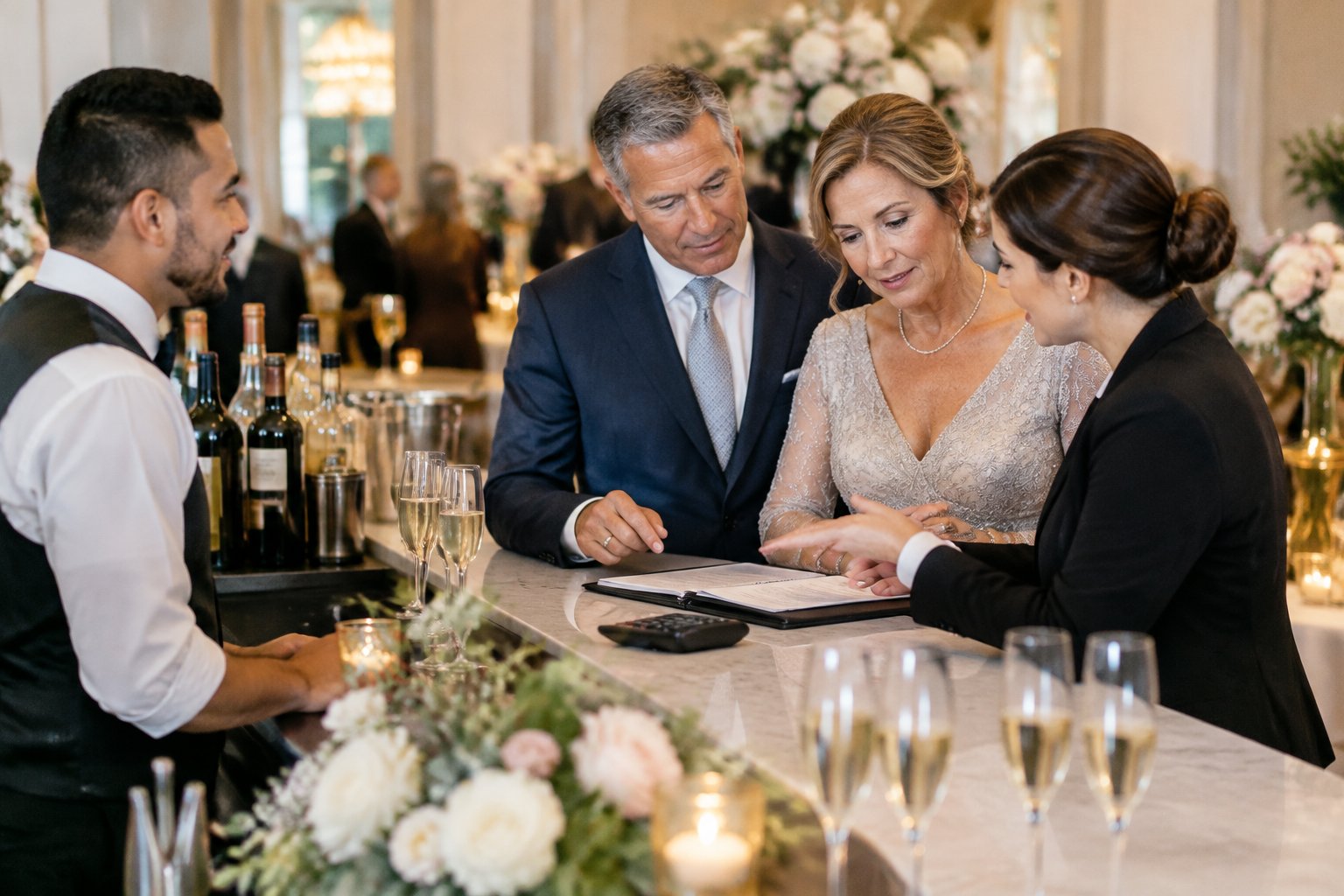
If you are asking, “Do groom’s parents pay for the bar?” the most useful answer is that they may contribute, but no family has an automatic obligation. Discuss the bar alongside the guest list, venue, and total wedding expenses so everyone knows what the contribution includes.
A calm conversation early in the planning process gives you room to choose a bar plan that fits your celebration and budget.
The Short Answer: It Depends on Your Family Agreement
The groom’s parents pay for the bar only when your family agreement assigns that expense to them. Traditional etiquette offers a starting point, while modern couples decide who pays for a wedding according to available resources, priorities, and each family’s wishes.

What Traditional Wedding Etiquette Says
Older wedding customs placed most reception costs with the bride’s family and gave the groom’s family a shorter list of duties. That list commonly included the rehearsal dinner, marriage license, officiant fee, groom’s attire, honeymoon, personal flowers, and sometimes reception alcohol.
The bar was not a universal rule. Some families treated it as a groom’s family expense because alcohol was a reception add-on connected to the celebration. Others assigned the groom’s family to entertainment, such as a DJ or band, while another host handled drinks.
Why Modern Couples Split Costs Differently
Modern family contributions reflect income, savings, guest lists, and personal preferences. You might divide expenses evenly, ask each family to sponsor a specific vendor, or pay for the wedding yourselves.
A family contribution also needs a clear scope. A parent who offers to “help with the bar” might mean a fixed dollar amount, beer and wine service, or the complete beverage invoice. Clarify the amount and service level before signing a contract.
When the Couple Pays for the Bar
The couple pays for reception alcohol when you choose to host that expense within your own wedding budget. This arrangement gives you direct control over the drink selection, service hours, and spending limit.
You can also ask each family whether they would like to contribute a set amount. If the groom’s family cannot help, adjust the guest list, bar package, or reception plans without treating the traditional list as a debt. No parent is required to provide wedding funding.
Which Bar Costs Might the Groom’s Parents Cover?
The groom’s parents might cover the complete bar, a defined portion of reception alcohol, or a specific beverage feature. Agree on the service level, guest count, hours, taxes, gratuities, and any venue fees included in the offer.

Open Bar vs. Limited Bar
An open bar serves drinks without charging guests at the event. The package might include beer, wine, spirits, mixers, specialty drinks, and a champagne toast. If the groom’s parents host an open bar, confirm whether they are paying a flat package price or an amount based on consumption.
A limited bar controls wedding costs by narrowing the selection. You might offer beer and wine, serve drinks only during cocktail hour, or provide one spirit with mixers. A limited package gives the contributing family a clear boundary while still providing hosted drinks.
Cash Bar Considerations
A cash bar asks guests to purchase their own drinks. Some couples choose it to reduce wedding costs, while others view it as an uncomfortable guest experience because the hosts are asking attendees to pay during the reception.
If you use a cash bar, communicate the arrangement clearly before the wedding and provide free water, coffee, tea, and nonalcoholic drinks. Check your venue’s rules because some locations require an approved bartender or do not permit certain payment setups.
Signature Cocktails and Other Add-Ons
The groom’s parents might sponsor a signature cocktail, welcome drink, champagne toast, or late-night beverage station. A named drink can create a meaningful contribution with a defined price.
Ask the caterer or bar company about added costs for custom menus, premium spirits, extra bartenders, glassware, ice, mixers, and extended service. Put the selected items and spending cap in writing so an appealing add-on does not create an unexpected balance.
How to Budget for Reception Alcohol
Your bar budget should start with the guest count, venue rules, service hours, and drink plan. These details shape the wedding expenses far more than a traditional family label does.

What Affects the Final Bar Bill
The final bill can include:
- Number of guests and drinking patterns
- Beer, wine, spirits, and specialty cocktails
- Length of cocktail hour and reception
- Number of bartenders required
- Toasts and welcome drinks
- Premium brands and upgraded packages
- Ice, mixers, glassware, and nonalcoholic choices
- Sales tax, gratuity, delivery, and setup
Ask for an itemized estimate. A low package price may exclude staffing or service charges, while a consumption plan may rise with a longer reception.
Venue Packages, Corkage, and Service Fees
Many venues require you to use their bar provider or select from approved packages. Others allow outside alcohol with a corkage fee per bottle, case, or guest. Your venue rental agreement should state who supplies the alcohol and who handles service.
Request written answers about minimum spending, bartender fees, alcohol permits, insurance, leftover bottles, and last-call timing. If the groom’s parents are contributing, share the complete estimate with them before anyone makes a commitment.
Matching the Bar Plan to Your Guest List
Your guest list should guide the bar plan. A daytime reception, short celebration, or family-heavy event may suit beer and wine. A large evening reception with many cocktail drinkers may require more spirits, mixers, staff, and service time.
Include attractive nonalcoholic drinks for guests who do not drink. Set aside funds for water, soda, mocktails, coffee, and tea. A clear per-person estimate helps you compare packages and decide whether a family contribution covers the entire plan or one defined part.
Traditional Expenses for Each Family
Traditional wedding etiquette gives the groom’s family a smaller group of expenses and places many ceremony and reception costs with the bride’s family. These customs work as conversation prompts, while your actual plan should reflect your family structure and resources.

What the Groom’s Family Has Traditionally Paid For
The groom’s family has traditionally covered or contributed toward:
- Rehearsal dinner
- Marriage license
- Officiant fee or donation
- Groom’s attire or tuxedo
- Engagement ring and wedding band in some families
- Honeymoon and honeymoon costs
- Corsages and boutonnières for family members
- Bride’s bouquet in some traditions
- Transportation connected to the groom or officiant
- Groomsmen gifts and lodging
Reception alcohol, a DJ, or a band sometimes appears on this list as an optional contribution. The family may also host an engagement party or welcome party.
What the Bride’s Family Has Traditionally Paid For
The bride’s family has traditionally paid for many wedding expenses, including:
- Engagement party
- Wedding planner
- Venue and reception food
- Wedding flowers and floral decorations
- Wedding cake
- Invitations and stationery
- Photography and videography
- Bride’s attire
- Hair and makeup
- Guest transportation
- Bridesmaids’ flowers and related accessories
These assignments came from a time when the bride’s family hosted most of the wedding. Your families can choose different responsibilities today.
Costs Commonly Shared or Paid by the Couple
Couples and families now divide costs in many ways. You might share the venue rental, reception alcohol, wedding planner, music, flowers, and transportation according to income or preference.
The couple also commonly pays for part or all of the celebration, along with the engagement ring, honeymoon, attire, and daily wedding expenses. A shared spreadsheet can track each contribution, vendor deposit, payment deadline, and remaining balance.
How to Discuss Bar Contributions Without Awkwardness
Discuss the bar as a specific wedding expense with a clear price and deadline. A focused request gives the groom’s family an easy way to decide whether they want to host the bar, fund part of it, or support another event.
Start With a Total Spending Limit
Agree with your partner on the maximum wedding budget before asking for family contributions. Know how much you can pay yourselves and which parts of the celebration you would change if no one else contributes.
Then prepare a bar estimate based on your guest count and venue proposal. Share the package details, taxes, service fees, and payment schedule. This gives the groom’s family enough information to make a realistic offer.
Ask for a Specific Contribution or Hosted Item
Use a direct, gracious question such as:
“Would you like to contribute to the reception bar? The beer-and-wine package is estimated at $4,200, including staffing and service fees.”
You can also offer clear choices: a fixed contribution, the beer-and-wine package, the champagne toast, or the rehearsal dinner drinks. Tell them that any amount is welcome and that you will respect their decision.
If they prefer to host a welcome party, let them choose the menu and budget within an agreed guest list. A contribution can be a gift, while specific decisions about the hosted event should be discussed openly.
Put Decisions and Payment Deadlines in Writing
After the conversation, send a short message confirming the amount, expense, vendor, payment date, and any agreed decision-making role. Record whether the contribution goes to you, the venue, or the bar company.
Check in before the deposit is due and again before the final guest count. Written details protect the family relationship and help you respond quickly if the package, guest list, or wedding expenses change.