
Do Grooms Walk Down the Aisle Alone? Exploring Wedding Traditions and Options
When it comes to wedding traditions, one question often arises: do grooms walk down the aisle alone? Traditionally, many grooms have chosen to walk down the aisle solo, signaling their independence as they begin a new chapter in life. This moment can be both powerful and emotional, setting the tone for the ceremony ahead.
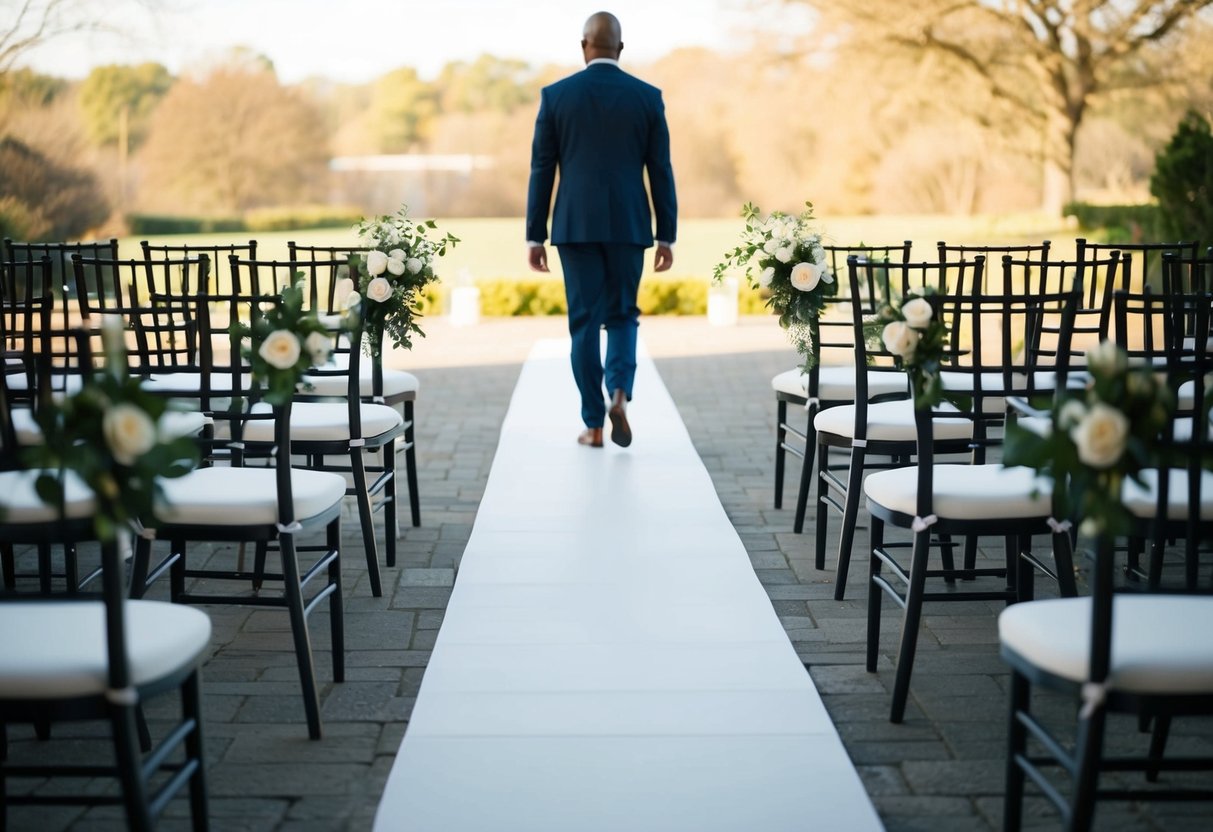
However, customs vary, and some grooms opt for a different approach. You might see them escorted by parents, or even alongside close family members. This can add a meaningful touch to the ceremony, reflecting personal choices and family ties.
As you prepare for your own wedding or simply explore the topic, understanding these options can help you decide what feels right for you. Each choice carries its own significance, blending tradition with personal preference.
Traditions and Variations in Wedding Processionals
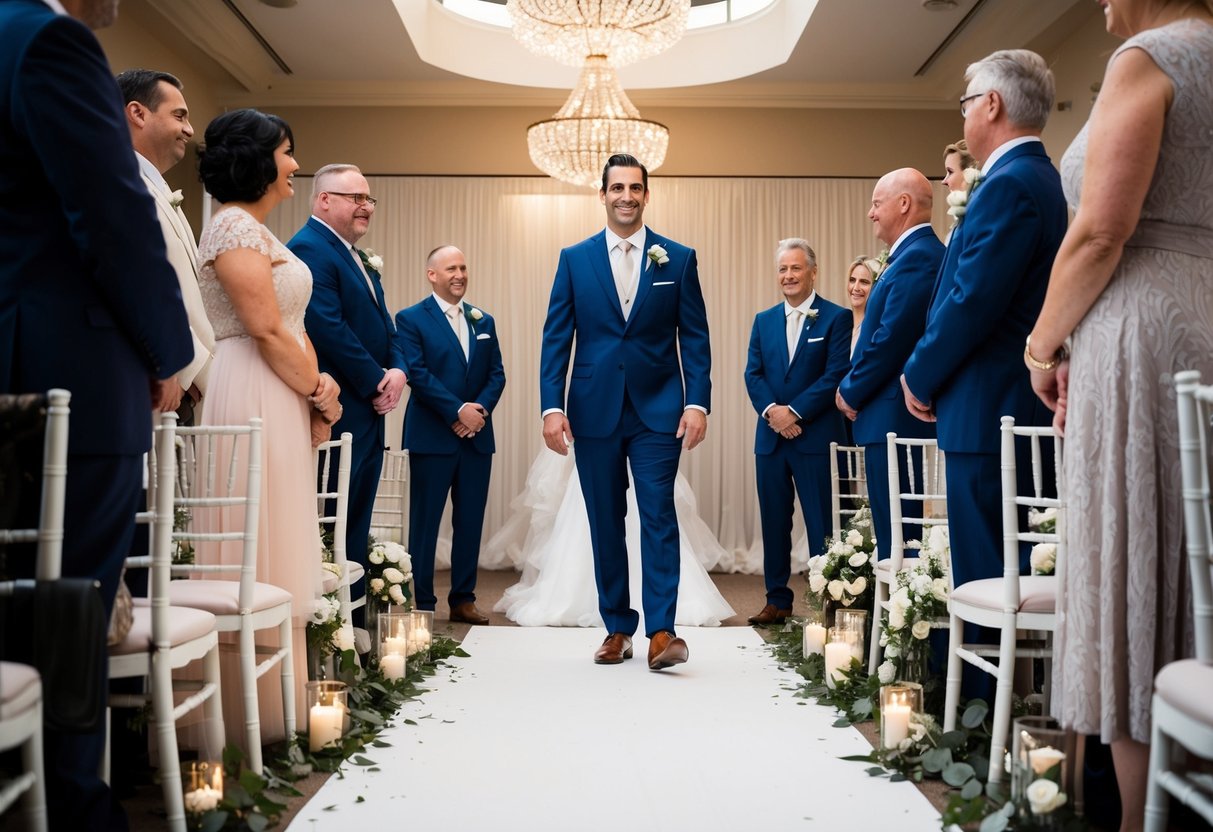
Weddings are rich in tradition, and the way individuals walk down the aisle can vary widely. Different cultures and modern practices influence the order and style of weddings, especially during the processional.
Religious and Cultural Processional Orders
In many religious weddings, there are specific traditions for how participants walk down the aisle. For example, in a Christian wedding, the groom often waits at the altar as the bridal party enters first. Typically, grooms may walk down solo or escorted by their parents before the bride appears.
In a Jewish wedding, the groom walks under a chuppah, symbolizing a home. The bride’s entrance follows, often accompanied by both parents. In Hindu weddings, the groom’s procession, known as the baraat, includes music and dancing, showcasing festive energy. Each culture has its unique customs, adding depth to the wedding ceremony.
Modern Adaptations to the Processional
In recent years, many couples have embraced modern takes on the traditional processional. This might mean a nondenominational ceremony where the groom opts to walk alone, signifying independence.
Some modern weddings also mix traditions, allowing grooms to walk alongside family or friends instead of alone. Couples often personalize their weddings by choosing a processional order that reflects their values and styles. This flexibility can involve brides entering together or having both partners walk down the aisle simultaneously, breaking away from conventional norms.
Roles and Arrangement of the Wedding Party

The roles and arrangement of the wedding party play a key part in setting the scene for your ceremony. It helps flow smoothly while highlighting the importance of each participant, making your special day memorable.
Importance of the Groomsmen and Best Man
Groomsmen have vital roles during the ceremony. They support you and keep things organized. They might also help plan the bachelor party or handle other tasks leading up to the big day.
The best man is often your closest friend or relative. His responsibilities include holding your wedding ring and delivering a speech at the reception. He also assists you throughout the day, ensuring you’re relaxed and ready for the vows.
Significance of the Bridesmaids and Maid of Honor
The bridesmaids are just as important as the groomsmen. They accompany the bride and offer support, both emotionally and practically. Their roles can include helping the bride get ready and managing her dress.
The Maid of Honor is typically the bride’s closest friend or sister. She stands by her side during the ceremony and is responsible for the bride’s bouquet. She also acts as a key point of contact for other bridesmaids, ensuring everything runs smoothly.
Special Participants: Flower Girl and Ring Bearer
The flower girl adds a charming touch to the ceremony. She usually scatters flower petals down the aisle, creating a lovely path for the bride. This simple act enhances the visual appeal of your wedding.
The ring bearer holds the wedding rings during the ceremony. Often a younger relative, he walks down the aisle alone or with the flower girl. This tradition adds a sweet element to your nuptials, delighting your guests.
Positioning Family Members
Positioning family members correctly sets the tone for the processional. Generally, the groom’s parents walk down the aisle first, followed by the bride’s parents.
When it comes to the bride and father of the bride, they make their entrance last. This moment is often highly anticipated, making it even more special. Adjustments can be made for each family’s traditions and preferences, ensuring the ceremony feels personal and meaningful.
The Groom’s Entrance: Alone or With Company?

Your entrance at your wedding sets the tone for the ceremony. Whether you choose to walk down the aisle solo or accompanied can reflect personal preferences and cultural traditions. Let’s explore both choices to see what might suit you best.
Walking Down the Aisle Solo: A Statement or Preference?
Walking down the aisle alone can be a powerful statement. It symbolizes independence and highlights your personal journey. This choice allows you to take a moment to collect your thoughts before reaching the altar.
Choosing to walk solo can make for a dramatic entrance, capturing the attention of your guests. Many wedding film photographers focus on this moment, ensuring it’s beautifully captured. Just think about how impactful it could feel to walk towards the officiant, ready to commit to your partner without any distractions.
Accompanied Walks: Breaking the Solitude
Accompanying family members down the aisle can add warmth and emotional depth to your entrance. Many grooms opt to walk with one or both parents, showcasing family support. This choice can celebrate your roots and symbolize unity.
Some cultural traditions encourage grooms to walk down the aisle with a family member, adding significance to the ceremony. You might also consider walking alongside your wedding party. This approach transforms the aisle into a combined celebration, inviting everyone to share in the joy.
Regardless of your choice, this moment marks your beginning step towards a beautiful life together.