
Do Groomsmen Stand During a Ceremony? Understanding Their Role in Weddings
When you picture a wedding ceremony, you might wonder about the roles everyone plays, especially the groomsmen. Typically, groomsmen stand during the ceremony, usually at the front with the groom. This key detail is often accompanied by a sense of pride and camaraderie, as they support their friend on such an important day.
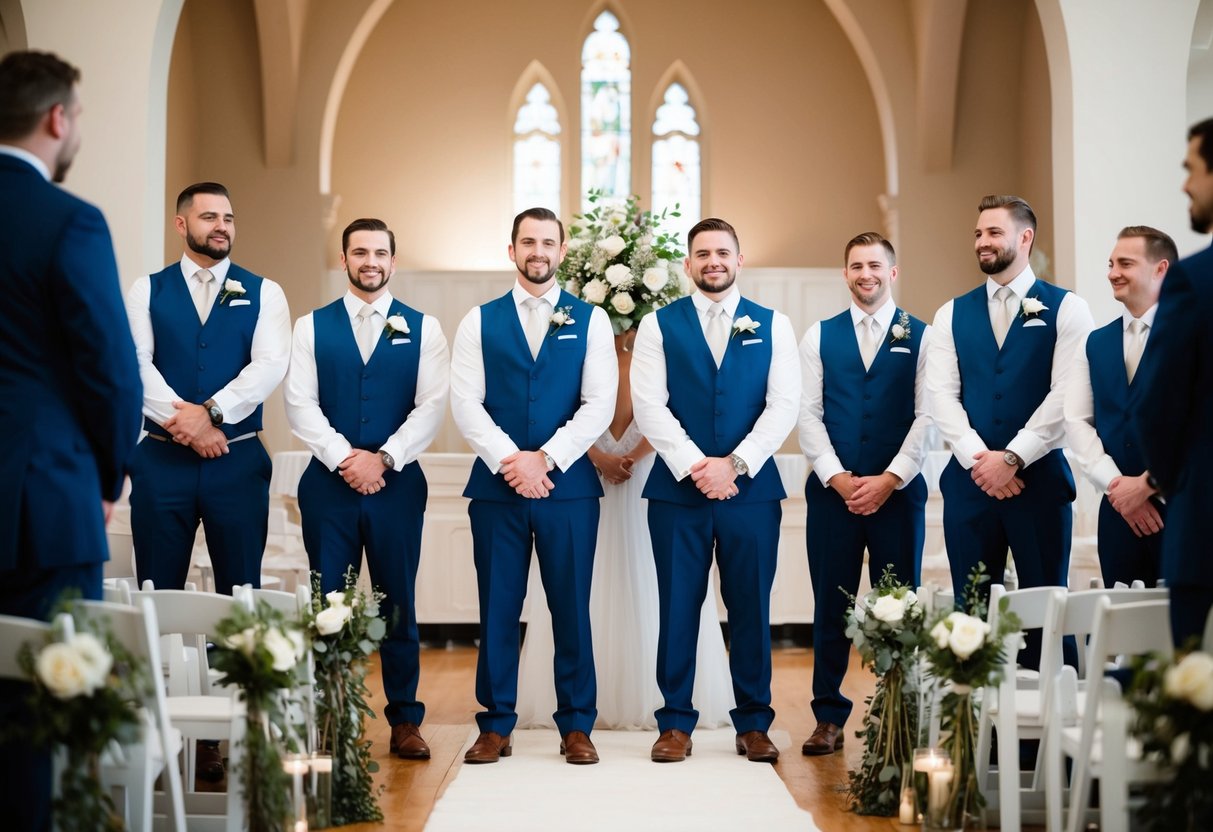
Understanding where the groomsmen stand can help you plan your ceremony layout more effectively. It also sets the stage for what guests will see as you make your way down the aisle. With this knowledge, you can make adjustments that fit your vision for the big day.
As you dive deeper into the dynamics of the ceremony, you’ll discover tips on how to arrange the wedding party, ensuring everything flows smoothly. Learning more about this aspect will help you create a memorable experience for both you and your guests.
The Significance of the Wedding Party’s Positioning
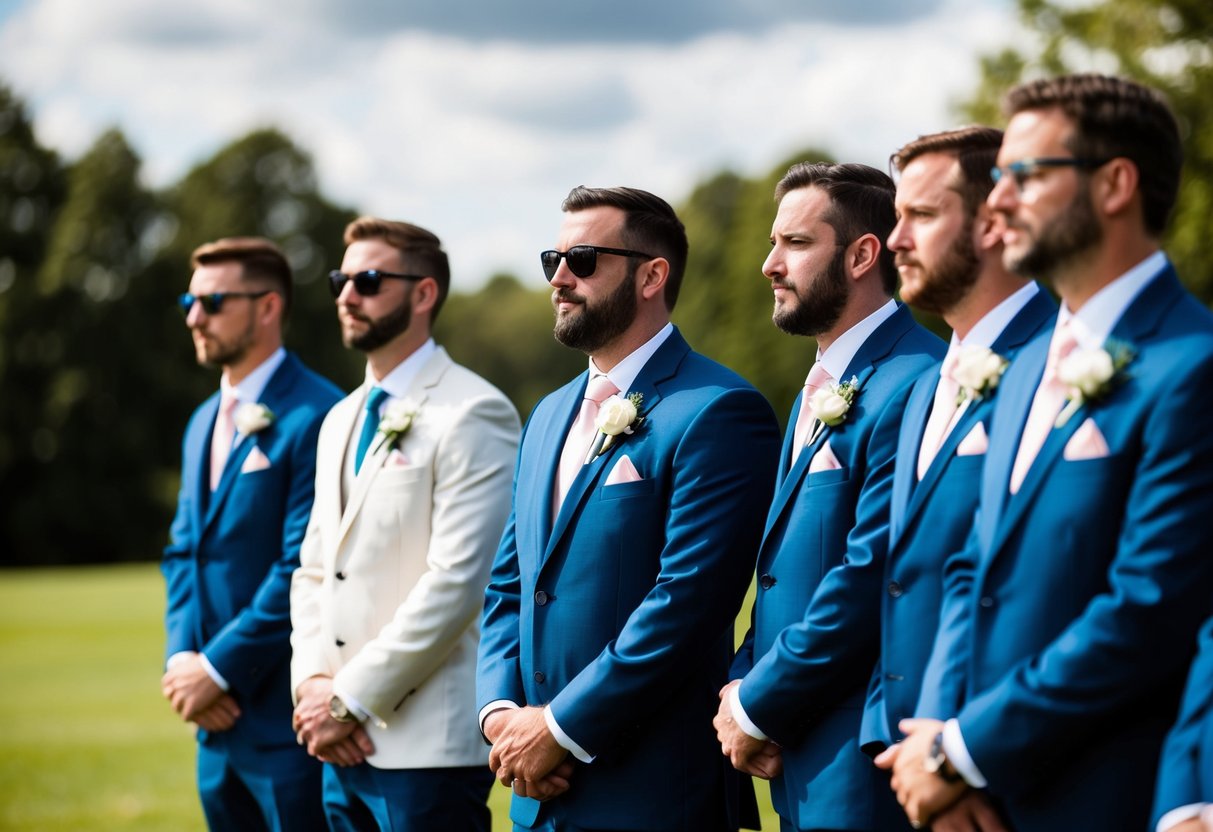
The positioning of the wedding party holds great importance during the ceremony. It helps to highlight relationships and traditions.
Typically, the groom stands on the right side, while the bride stands on the left. This setup creates a balance and emphasizes the bond between the couple.
Groomsmen and the best man usually stand beside the groom, lending support and friendship. Similarly, bridesmaids, along with the maid of honor or matron of honor, stand with the bride. This arrangement showcases the closeness of friends and family.
The sides reflect cultural traditions. The bride’s side often represents her family, while the groom’s side does the same for him. This can create a sense of unity during emotional moments.
Each position can lead to memorable moments. For instance, when vows are exchanged, the focus is on the couple, surrounded by their loved ones. This adds to the intimacy of the occasion.
Many couples choose to honor their parents by having them seated in prominent places. This acknowledges their support and love.
These traditions help you express your values and relationships as you step into your new life together. The positioning of the wedding party makes the ceremony feel special and personalized.
Ceremony Processional and Placement Essentials
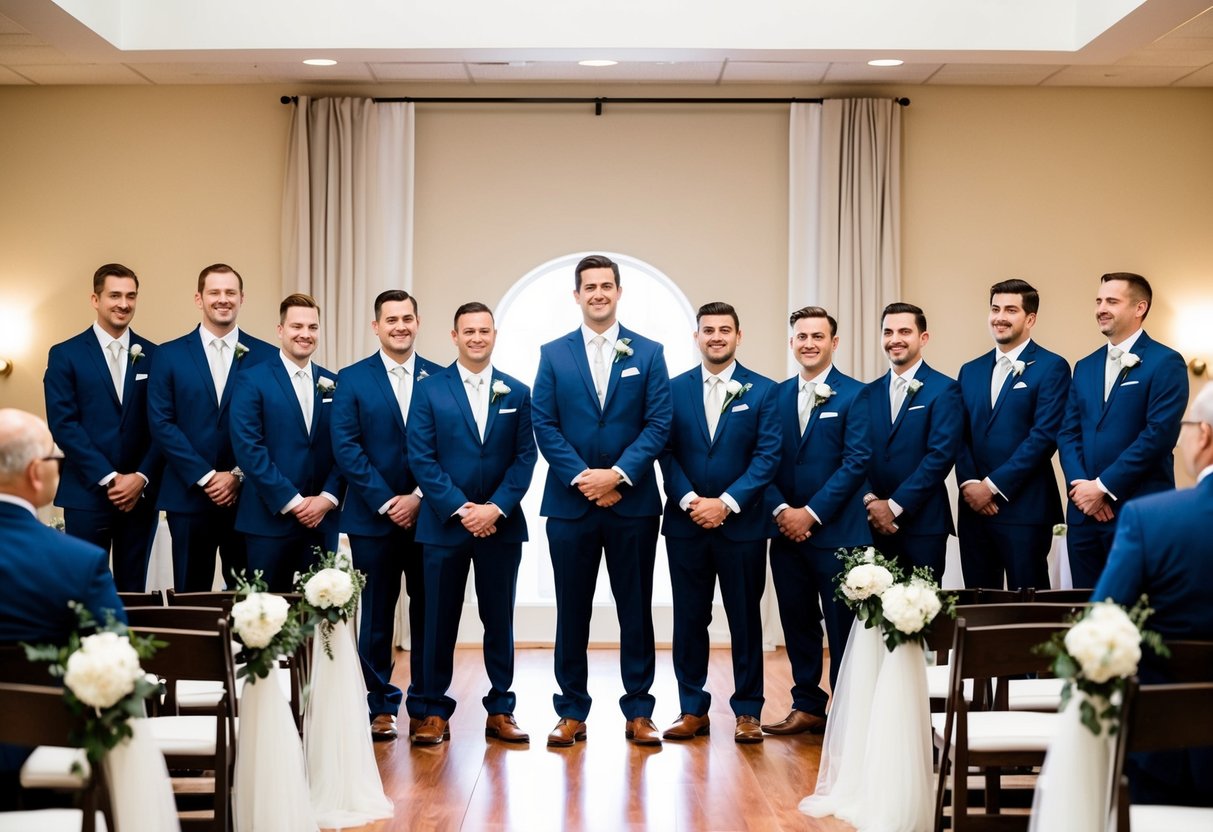
Understanding the ceremony processional and placement helps create a smooth flow during the wedding. You’ll want to know how each participant enters and stands at the altar, especially the roles of groomsmen and the bridal party.
Establishing the Processional Order
The processional order sets the tone for your wedding ceremony. Typically, it starts with the officiant, followed by the groom and groomsmen, and then the bridal party.
In Christian ceremonies, the order often goes:
- Ushers: They help guests find seats.
- Flower Girl and Ring Bearer: These little ones usually go next, adding charm.
- Bridesmaids: Following them, they walk down before the bride.
In Jewish weddings, participants may walk to the chuppah, with men and women on opposite sides. It’s important to clarify this part to ensure everyone knows their role.
Groomsmen and Groom’s Entrance
The groom’s entrance is a key moment. Traditionally, he walks down the aisle with his groomsmen right beside him. They stand to the right of the altar, with the best man closest to the groom.
This placement creates a supportive atmosphere. The best man’s role includes holding the wedding rings and providing assistance during the ceremony. Groomsmen may also help with tasks before the wedding, ensuring everything runs smoothly.
During the processional, the groomsmen should walk confidently and communicate with the groom. This way, they can set a positive tone for the ceremony.
Bridal Party and Bride’s Walk Down the Aisle
The bride’s entrance is one of the most memorable moments in a wedding. Before she walks down the aisle, the maid of honor takes a moment to ensure everything is perfect.
The bridal party usually walks down after the groomsmen. Bridesmaids walk individually or in pairs, depending on your style. After them, you’ll typically see the flower girl and ring bearer.
Finally, the bride enters, often escorted by a parent. The moment is filled with emotion and anticipation, so consider how you want to emphasize it. This part of the processional is all about creating a captivating experience for you and your guests.
Observing Cultural and Religious Traditions
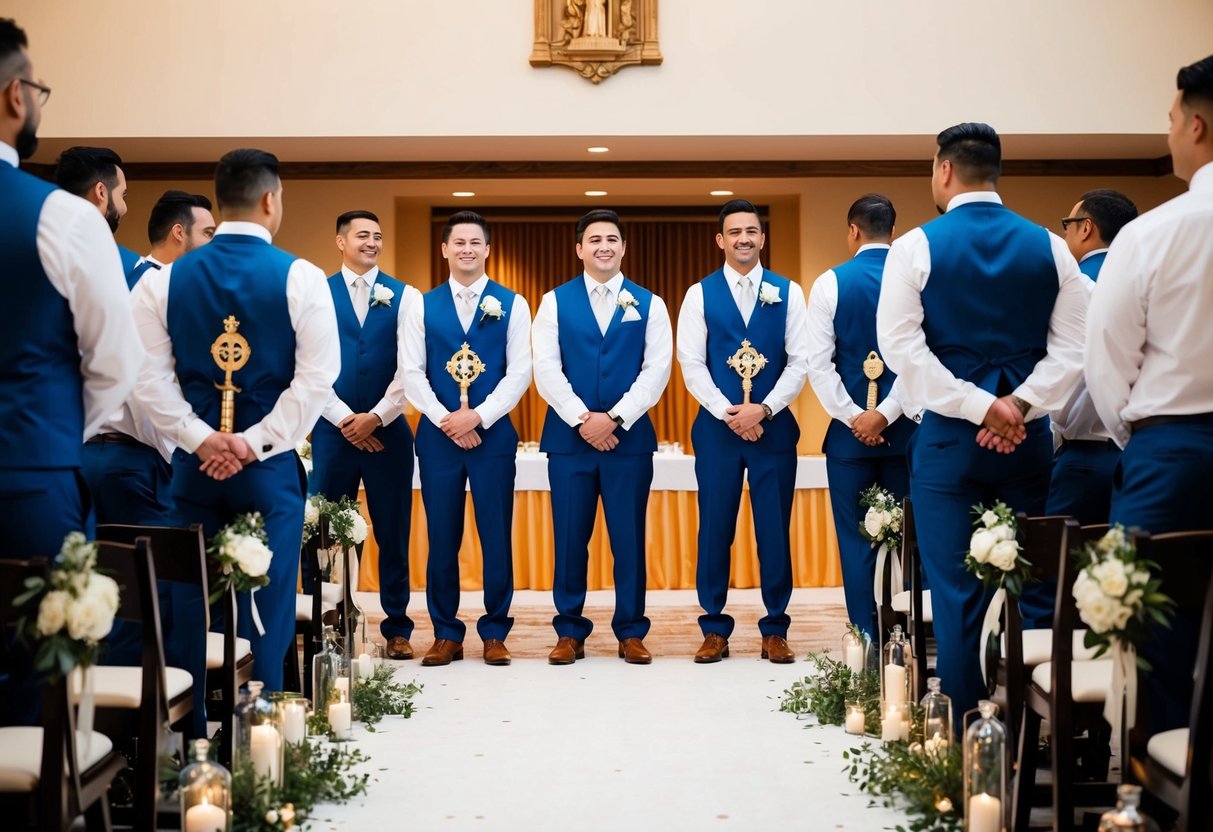
Weddings often reflect cultural and religious traditions that shape how ceremonies are carried out. You may find that groomsmen have specific roles depending on the customs followed at the event. Understanding these practices can enhance your appreciation of the service.
Christian Wedding Positioning Customs
In a traditional Christian ceremony, the groom usually stands on the right side of the altar. His groomsmen align with him to create a balanced look. The bride typically stands on the left side with her bridesmaids. This positioning has roots in medieval customs where a groom needed to protect his bride using his right hand.
During a Catholic wedding processional, the groomsmen may walk down in pairs, often after the family members. They support the groom and are crucial to establishing a supportive atmosphere. Remember, some variations exist, so it’s good to communicate with the couple regarding their preferences.
Jewish Wedding Traditions
Jewish weddings have their unique customs that highlight community and family. Traditionally, the rabbi or cantor leads the procession. The groom stands beneath a chuppah on the right side, while the bride stands on the left.
This placement signifies the support each partner offers. The chuppah itself symbolizes their home, and its covering represents protection and blessings. Groomsmen usually stand close to the groom during the ceremony, enhancing the sense of family and friendship.
Honoring Ethnic and Family Rituals
Many couples choose to include cultural traditions from their backgrounds. These can vary widely. In some cultures, the groomsmen might wear specific attire that honors their ethnic heritage.
During the ceremony, they might also partake in special rituals, such as lighting candles or giving blessings. Understanding these practices can enrich the ceremony for everyone involved. Talk to the couple about including any family rituals to make the day even more meaningful.