
Do Guests Pay for a Destination Wedding? Understanding Costs and Expectations
Planning a destination wedding can be exciting, but it also raises important questions about expenses, especially for your guests. In most cases, guests are expected to cover their own travel costs, including flights and accommodations. This can add up quickly, so it’s essential to communicate these details clearly.
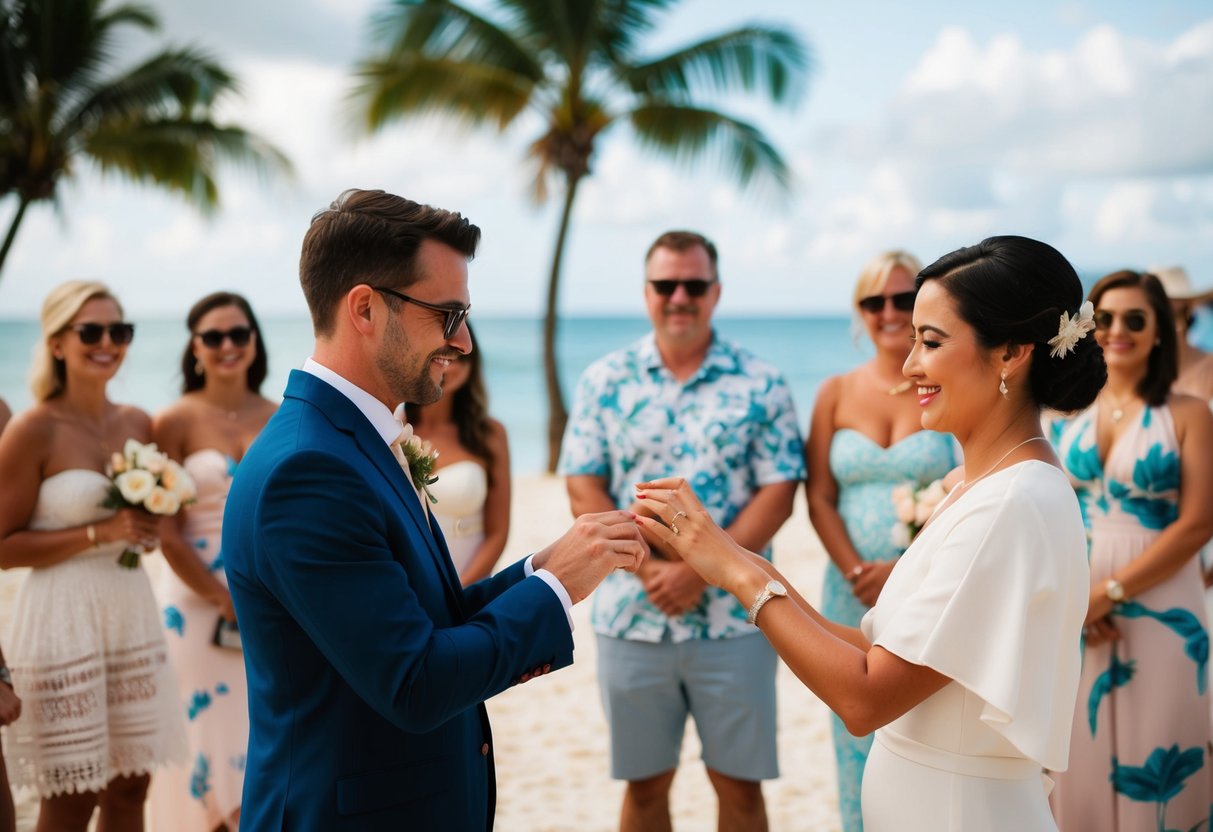
While you focus on your special day, your guests will need to decide if they can afford to travel. Some may enjoy the opportunity for a vacation, while others may find the costs a bit challenging. It’s helpful to provide them with options for hotels and activities to make their experience enjoyable and affordable.
As you navigate these details, thinking about your guests’ budget will help them feel appreciated. After all, you want them to join you for a celebration without financial stress. Understanding these costs can help everyone have a great time.
Understanding Destination Wedding Costs
Planning a destination wedding often involves various financial responsibilities that both you and your guests need to be aware of. It’s important to know who pays for what and how to manage the overall wedding costs to avoid surprises.
Keys to a Wedding Budget
When creating a budget for your destination wedding, start with the most significant expenses: the venue, travel, food, and accommodations.
Your budget should include these key components:
- Venue and Ceremony Costs: This includes rental fees, decorations, and permits.
- Travel Costs: You may decide to cover airfares for some special guests or your wedding party.
- Accommodation Costs: Consider booking a block of rooms at a hotel for your guests, which can also provide discounts.
- Food Costs: Meals during the reception and any events leading up to the wedding should be included.
Clearly outline these categories to ensure your budget reflects all expected expenses. This will help both you and your guests plan accordingly.
Guest Expenses and Etiquette
Guests typically cover their own travel and hotel costs when attending a destination wedding. This includes flights, accommodations, and meals outside of the wedding events.
Here are some points to help keep everything clear:
-
Travel: Guests should be ready for significant travel expenses, so sharing flight details early can help them arrange plans.
-
Hotels: While you might reserve rooms for guests, it’s polite to inform them about accommodation options and costs.
-
Events: Guests should expect to pay for any activities not included in the wedding itinerary.
Understanding these costs helps avoid misunderstandings. Providing information about the destination and budget-friendly accommodations can support your guests in their planning.
Guest Considerations and Contributions
Attending a destination wedding comes with its own set of considerations and costs. From travel arrangements to accommodations and extras, it’s important to know what to expect as a guest at such events.
Accommodations and Hotel Stays
When attending a destination wedding, you’ll generally be responsible for your own accommodations. This means booking your hotel room and covering the cost during your stay.
Most couples will help by reserving a block of rooms at a hotel. This can often mean a discounted rate, known as a group rate.
It’s a great idea to book early, as hotels can fill up quickly, especially in popular destinations. Some couples may even provide information about nearby hotels for various budgets. If you’re traveling with others, consider sharing a room to cut costs.
Many destinations offer a range of options, from affordable inns to luxurious all-inclusive resorts.
Travel Arrangements
Travel expenses are often a significant consideration. You’ll need to arrange your own flights or other transportation to the wedding location.
It’s essential to research the best travel deals. Look for flights that match the wedding schedule and be aware of peak travel seasons, which can make flights more expensive.
Once you arrive, consider transportation to and from the airport. Some hotels may offer shuttles, or you might use ridesharing services for added convenience.
Wedding Gifts
Typically, as a guest, you are expected to give a wedding gift even if travel costs can be high. This gesture shows your love and support for the couple.
Popular gifts range from registry items to cash. If you’re watching your budget, a thoughtful card with a personal message can mean a lot.
You can also consider collaborating with other guests to buy a larger group gift. This can lessen the financial burden and still provide something meaningful for the couple.
Group Activities and Extras
Destination weddings often include group activities, like welcome parties or excursions. You’ll want to check if any of these are included in the wedding festivities.
While some events might be covered, you’ll usually have to pay for any additional meals or activities on your own.
If you’re interested in participating, plan accordingly. Getting involved in group activities can enhance the experience and create lasting memories, but always be mindful of your budget. There are often options available, whether they are more affordable outings or splurges at luxury venues.
Planning and Communication
Effective planning and clear communication are vital for your destination wedding. It ensures your guests know what to expect and helps them prepare for the trip. Here are some essential elements to consider.
Save-The-Dates and Invitations
Send out save-the-dates as early as possible, ideally six to eight months before your wedding. This gives guests time to adjust their schedules and book travel.
Include important details like the wedding location and dates, so they can plan flights and accommodations.
When you send invitations, be clear about who pays for what. If guests are responsible for their travel, let them know what to expect. You might also suggest nearby hotels or group rates that could save them money.
Creating a Wedding Website
A wedding website can be a great tool for sharing all the important details about your destination wedding. Include information about the location, venue, and schedule of events.
Make sure to add travel tips, hotel recommendations, and nearby activities. This can help your guests plan their trip and make the most of their time.
Consider including an FAQ section to address common questions, like transportation options and dress codes. This way, everyone feels informed and excited about the celebration.
Engaging a Wedding Planner
Hiring a wedding planner can simplify much of the planning process. They can assist with logistics, ensuring that everything runs smoothly. This is especially helpful if you are not familiar with the destination.
Your planner can recommend trusted vendors for hotels, catering, and activities. They can also help you communicate vital information to guests.
By coordinating travel arrangements and local activities, they can make the experience enjoyable for everyone.
Having a wedding planner allows you to focus on enjoying your special day without getting overwhelmed by details.
Special Events and Festivities Prep
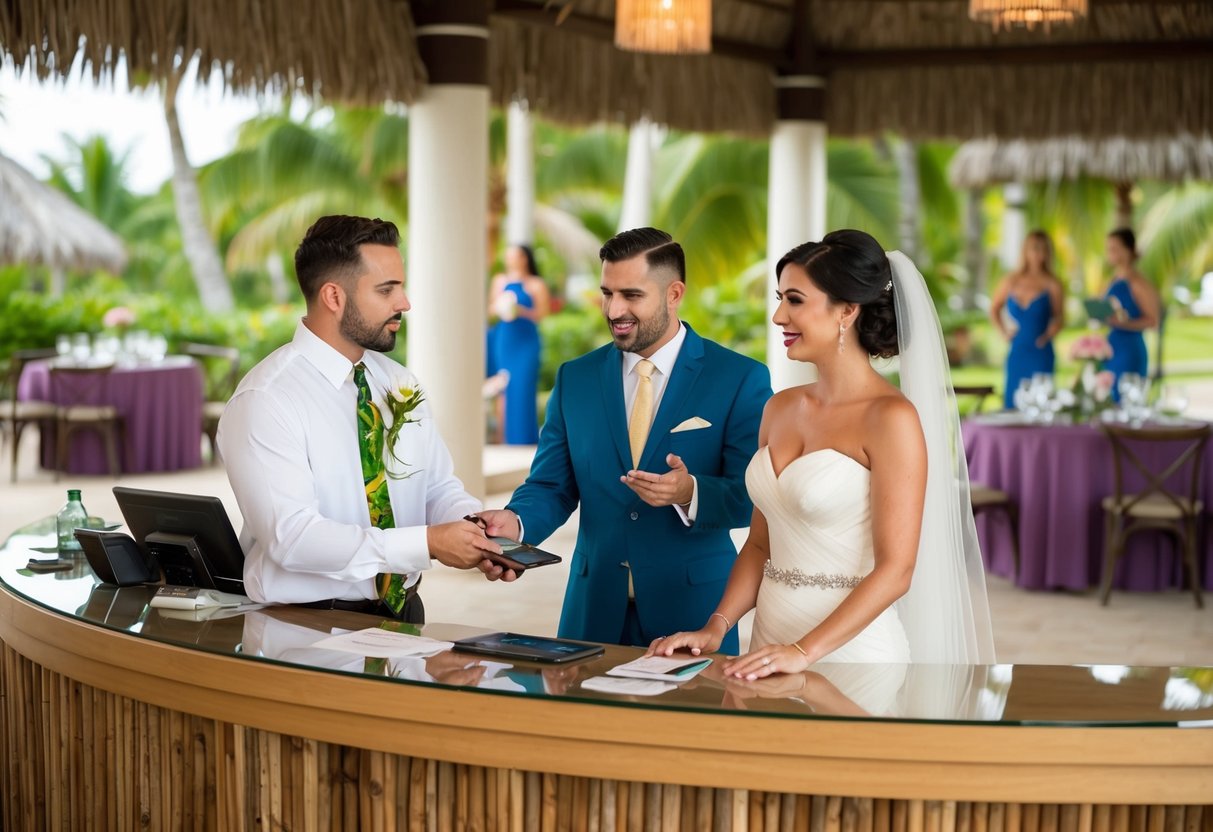
Planning special events and festivities is an important part of a destination wedding. It helps create lasting memories for you and your guests. You can make these events enjoyable and meaningful with some thoughtful preparation.
Rehearsal Dinners and Welcome Dinners
Rehearsal dinners are a chance for you to relax with close family and friends before the big day. This event often takes place the night before the wedding. You can choose a nearby restaurant or host it at your venue.
Welcome dinners are an excellent opportunity to greet your guests who traveled to celebrate with you. You might offer a buffet or family-style meal.
Set a warm ambiance with decorations and music to make it special. Consider giving out welcome bags with local treats or wedding itineraries. This will help your guests feel included and informed.
Wedding Ceremony and Reception
The wedding ceremony is the centerpiece of your celebration. Make sure to select a stunning location that reflects your style. Whether on a beach, in a garden, or at a grand venue, the setting matters.
After the ceremony, the wedding reception allows you to celebrate with all your guests.
You can focus on good food, lively music, and a fun atmosphere. Think about a mix of traditional dances and modern entertainment to keep everyone engaged.
Don’t forget about seating arrangements. It’s helpful to create a plan that encourages guests to mingle and enjoy the event together.
Post-Wedding Activities
Enhancing the experience for your guests is important. You can host a brunch the day after the wedding to thank everyone for attending. In this relaxed setting, casual conversations and reflections on the celebration are encouraged.
You can also organize group excursions to local attractions or activities. This could include guided tours, beach outings, or even cooking classes. These experiences will help deepen connections among your guests while creating lasting memories of your special day.