
Do I Need to Memorize Wedding Vows? Tips for a Meaningful Ceremony
When it comes to your wedding ceremony, many couples wonder about whether they need to memorize their vows. You don’t have to memorize your vows, and having a written copy can actually ease nerves on your big day. This choice allows you to focus on the emotions of the moment rather than worrying about remembering every word.
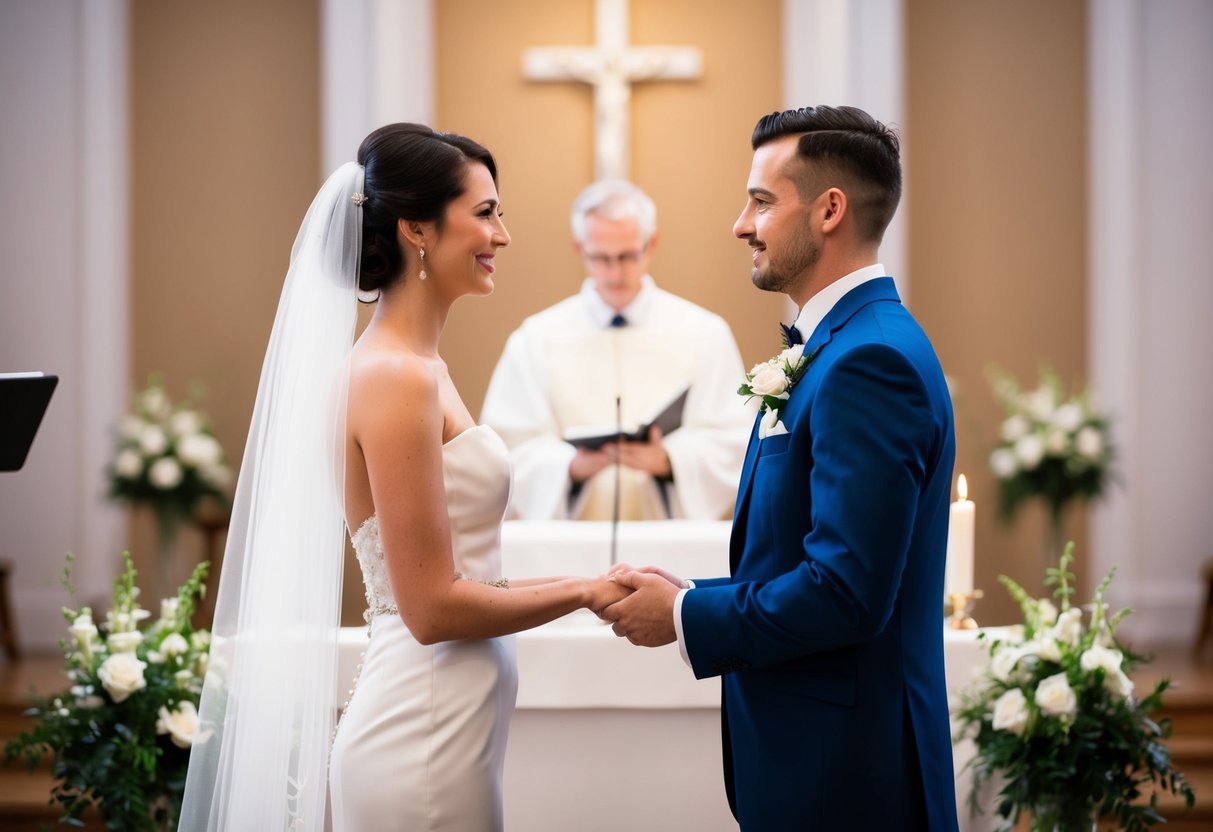
Memorizing your vows can be daunting. Standing in front of family and friends might make it hard to recall what you practiced.
Instead, bringing a written copy can provide comfort and reassurance, making it easier to express your feelings without stress.
Choosing the right way to deliver your vows is all about what feels best for you. Whether you prefer to memorize them or read from a page, the key is to make sure your words come from the heart. Your vows are a personal and meaningful part of the ceremony, so focusing on that connection will make it special no matter how you choose to present them.
Understanding Wedding Ceremony Vows
Wedding vows are a significant part of your ceremony. They express your love and commitment. Knowing their role and meaning can help you feel more confident during your special day. Below are important aspects of wedding vows to consider.
Role of the Officiant
The officiant plays a crucial part in your wedding ceremony. This person guides you and your partner through the vows. During the ceremony, they often say the vows for you to repeat. This method, known as “repeat after me,” makes it easier to remember your words while keeping the focus on each other.
The officiant helps set the tone of the ceremony. They can personalize the vows or keep them traditional, depending on your wishes. Their experience can also ease any nervousness, allowing you to fully enjoy the moment.
Meaning of Traditional Vows
Traditional vows typically involve a commitment to love and cherish your partner. These vows often include promises like “to have and to hold” and “for better or worse.” Many couples choose to use these meaningful phrases because they are familiar and beautiful.
The power of traditional wedding vows lies in their history. They connect you to countless couples who have shared similar promises. If you choose to write your own vows, consider including elements from traditional vows to reflect your values.
Declaration of Intent in Vows
The declaration of intent is a vital part of your vows. This statement confirms that you both willingly choose to marry each other. It shows your commitment and mutual desire for a lifelong partnership.
In many ceremonies, the officiant asks you a question, such as “Do you take this person to be your lawfully wedded spouse?” Your response is not just a formality. It symbolizes your dedication to each other and sets the foundation for your marriage. Embrace this moment, as it represents the start of your journey together.
The Art of Personalizing Your Vows
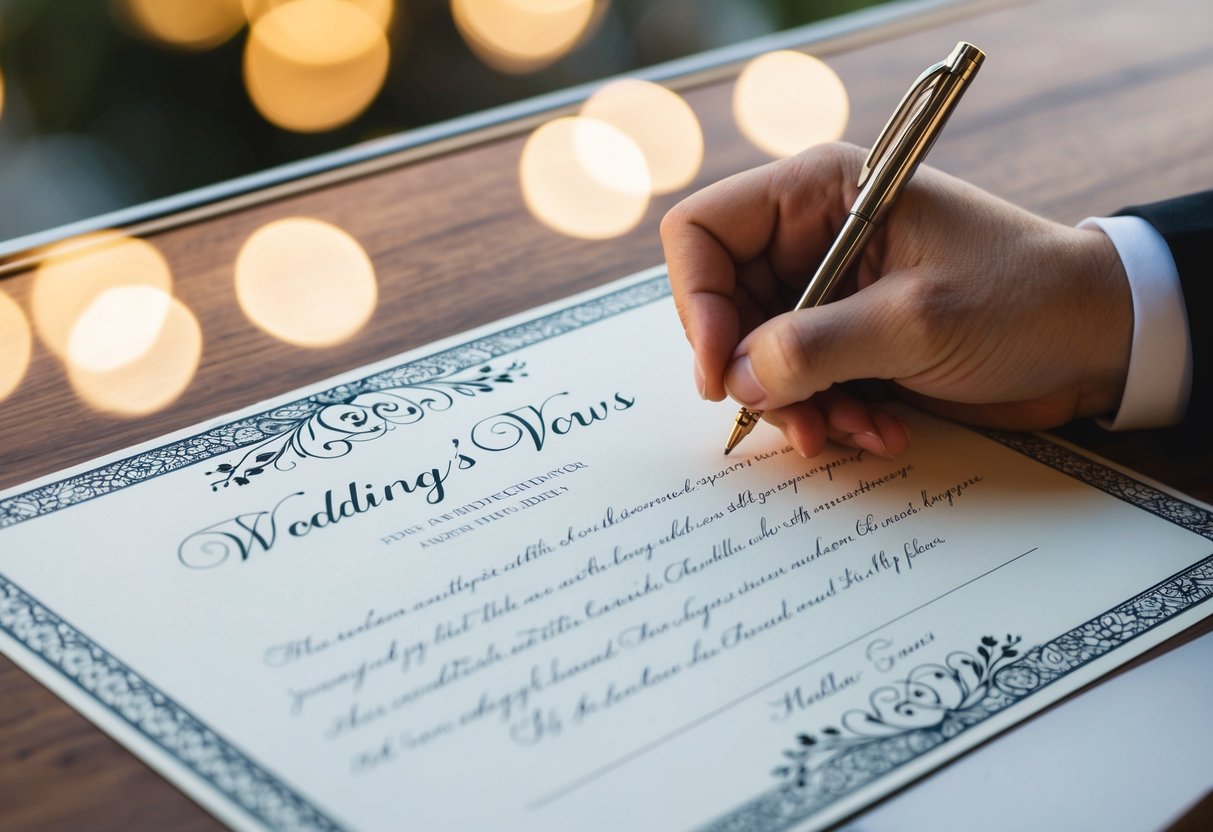
Personalizing your wedding vows adds a unique touch to your ceremony. It allows you to express your love and commitment in a way that truly reflects your relationship. Focusing on your love story and including personal elements can make your vows memorable and heartfelt.
Benefits of Writing Your Own Vows
Writing your own vows gives you the freedom to express your feelings in your own words. This personal touch can deepen the emotional connection during the ceremony.
You can create a vow booklet to keep your vows safe and look elegant while reciting them. Choosing your own words allows you to include inside jokes, special memories, or even your dreams for the future.
Custom vows can also make the moment more intimate, showing your partner just how much they mean to you. Without the pressure of traditional wording, you can speak from the heart, making your vows truly yours.
Incorporating Your Love Story
Every love story is unique, and weaving in elements of yours can make your vows stand out. You might mention how you met, memorable dates, or challenges you’ve faced together.
These details create a narrative that both you and your partner can cherish. By sharing specific moments that define your relationship, you turn your vows into a beautiful reflection of your journey together.
Think about what makes your bond special. Discuss those quirks, hobbies, or shared dreams that only the two of you understand.
This approach not only touches your partner’s heart but also resonates with your guests, making them feel connected to your love story.
Examples to Inspire Your Vow Writing
Sometimes, seeing examples can spark inspiration. Consider these ideas as you draft your personal vows:
- Sweet Moments: “From our first coffee date, I knew we were meant to be.”
- Shared Dreams: “I promise to support your dreams and chase them together.”
- Enduring Love: “Through the ups and downs, I will always choose you.”
You can also borrow style ideas from various vow booklets. Think about your favorite phrases or tones that resonate with you.
Feel free to play with the length and style. Your vows can be brief yet powerful or longer and narrative-driven. The key is to make sure they reflect who you are as a couple.
Practical Steps to Writing and Remembering Your Vows
Writing and remembering your wedding vows can feel like a big task. With the right approach, you can create meaningful vows and smooth any nerves about reciting them. Here are some practical steps to help you on this journey.
Choosing a Vow Writing Course
Consider taking a vow writing course to guide you through the process. Many options are available, whether online or in-person. A good course often covers important aspects, like expressing your feelings and making your vows personal.
Look for courses that include exercises to help you brainstorm ideas. They might also offer feedback on your drafts. Having a structured approach makes it easier to gather your thoughts and stay focused.
Learning from experts in public speaking can help too. They can teach you how to deliver your vows with confidence. A course can provide a great environment for sharing and developing your vows alongside others.
Tips for Memorizing Your Vows
Memorizing your vows can be simple if you use effective techniques. Start by reading your vows out loud multiple times. Hearing the words will help you become familiar with them.
Try writing your vows down several times. This act of writing reinforces your memory. You might also consider breaking the vows into smaller parts. Focus on learning one section at a time.
Practice reciting your vows in front of a mirror. This will help you get comfortable with your expression and delivery.
Additionally, consider practicing in front of a trusted friend or family member. Their feedback can be valuable and may ease your nerves for the big day.
Using a Vow Book
A vow book can be a wonderful keepsake for your special day. Start by selecting a book that reflects your style. You could pick one with beautiful pages or a cover that matches your wedding theme.
As you write your vows, use your vow book to keep everything organized. This way, you can easily refer back to your thoughts and ideas as you create your final version. It’s an opportunity to express creativity while making the experience more enjoyable.
Additionally, keeping your vows in this book can be perfect for future vow renewals. You will have a cherished memory from your wedding day. Plus, it’s a meaningful item to share later in life with your partner.
The Role of Witnesses and Wedding Party
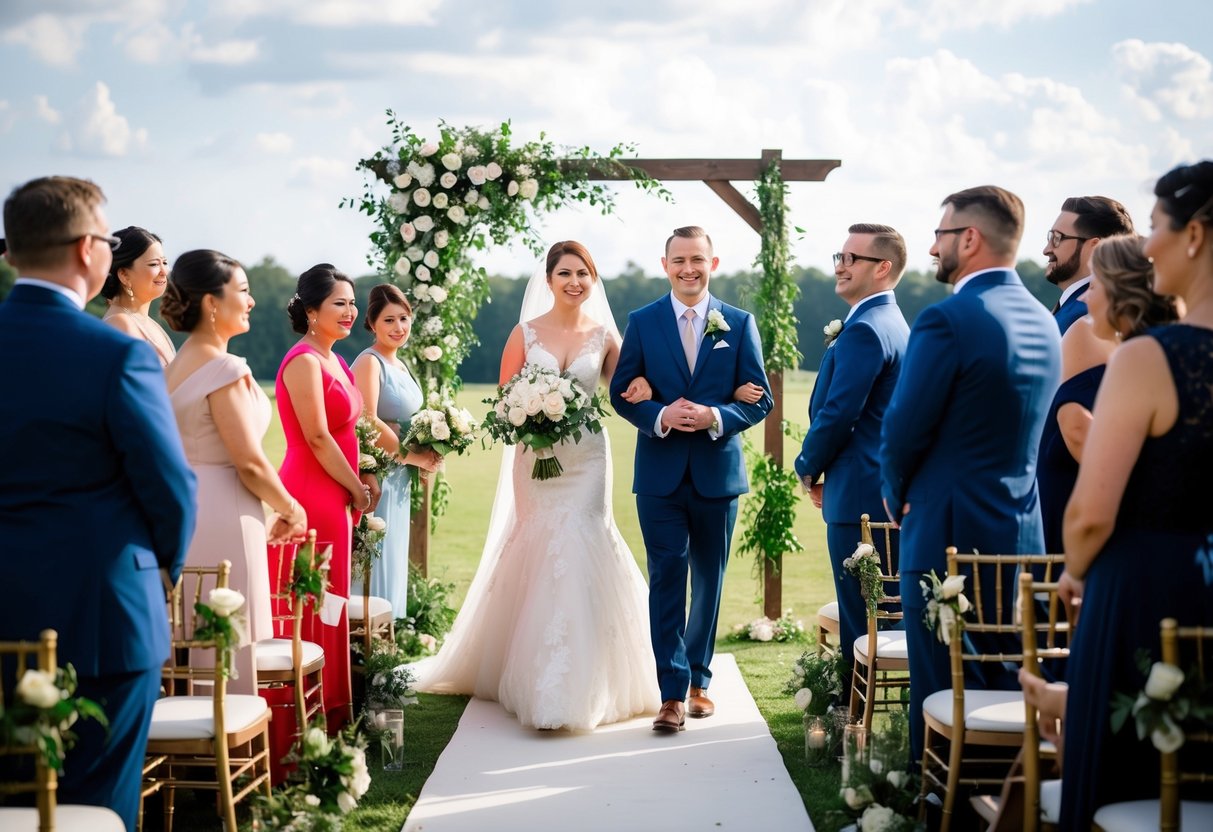
Your wedding party plays an important role in your big day. They support you emotionally and help everything run smoothly. Knowing the specific roles of your witnesses and wedding party members can enhance your experience.
Choosing Your Best Man or Maid of Honor
Selecting your best man or maid of honor is a big decision. This person should be someone you trust and feel comfortable with. They will be by your side, offering support during planning and on the wedding day.
Think about someone who knows you well. They should be organized and reliable, ready to step in when needed.
Their job includes planning the bachelor or bachelorette party and offering emotional support throughout the process.
The best man often has additional duties, such as helping coordinate other groomsmen and keeping track of the rings during the ceremony. Your maid of honor, on the other hand, supports you directly, helping to manage your schedule and details.
Responsibilities of Wedding Officiants
Your wedding officiant is a key figure in your ceremony. They are responsible for legally performing the marriage and guiding you through the vows. It’s essential to choose someone who resonates with your beliefs and style.
Officiants often customize the ceremony to reflect the couple’s relationship. They may help you with drafting vows or offer suggestions if you are unsure about them.
Their role includes ensuring that everything follows legal requirements and is conducted smoothly.
During the ceremony, they will also introduce you, ask for consent, and lead you through the exchange of vows and rings. Communication with your officiant is vital for a successful ceremony.
Involving Your Wedding Party in Vow Support
Your wedding party can ease any nerves by being involved in your vow process. They can provide feedback and encouragement while you prepare your vows.
Practice with them, share drafts, and get their thoughts.
You can also ask them to help create an atmosphere for your vows. Having your closest friends and family around you when you speak can provide comfort.
They can hold cues or even have fun props if you’re nervous.
Along with practicing your vows, your wedding party can assist in setting up a private pre-ceremony moment. A quick deep breath or a last-minute pep talk can make all the difference.
Their support can help you feel more confident as you share your promises.