
Do Muslims Kiss the Bride at Wedding? Understanding Traditions and Customs
When attending a Muslim wedding, you might wonder about the customs surrounding the ceremony. In many cases, Muslims don’t kiss the bride during the wedding. Islamic traditions emphasize modesty and respect between the couple, especially before their marriage is officially recognized through the nikkah.
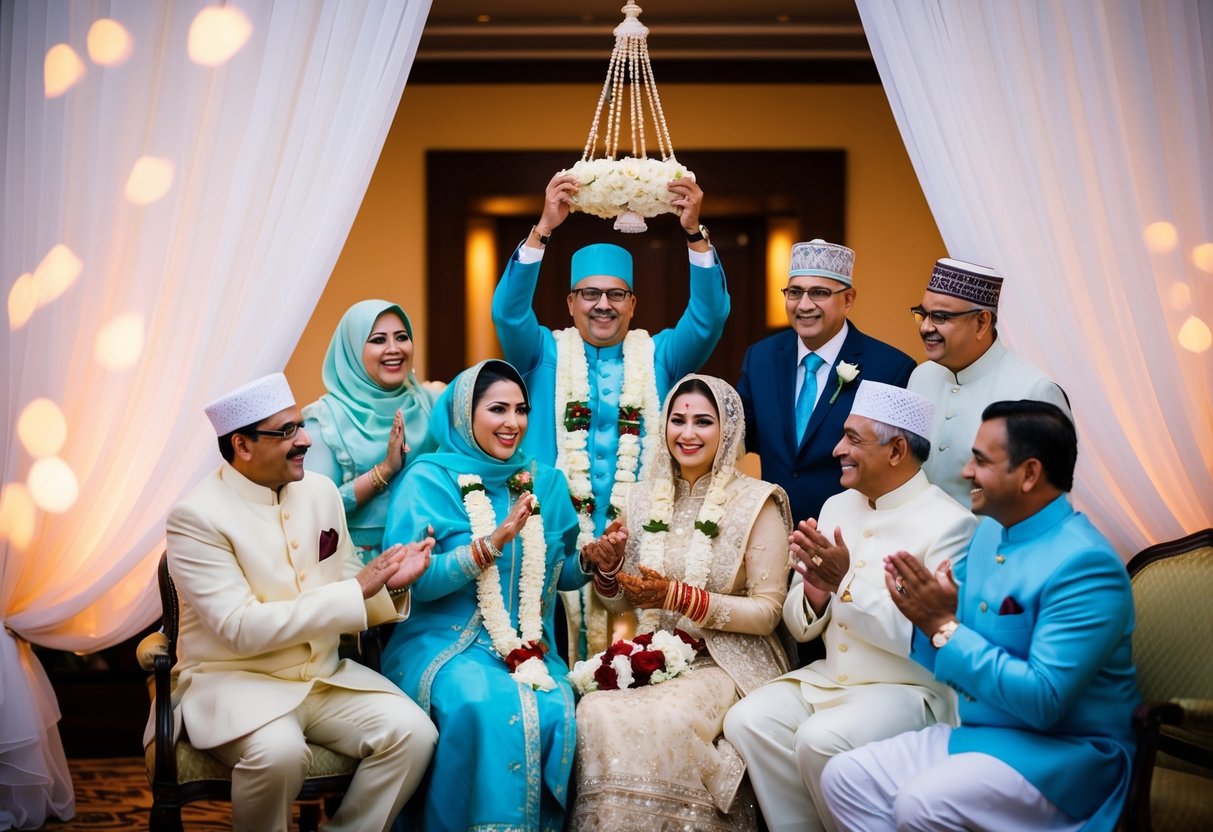
Muslim weddings are often characterized by various rituals that highlight the couple’s commitment to each other. While the lack of a kiss might seem surprising, it’s just one aspect of a more reserved approach to intimacy in these ceremonies. This focus on decorum reflects broader cultural values within Islam and shapes the way weddings are celebrated.
Whether you’re planning to attend a Muslim wedding or simply curious about the traditions, understanding these customs can deepen your appreciation for the occasion. From the heartfelt vows to the joyous celebrations, there’s much to learn about Muslim wedding practices that go beyond just the absence of a kiss.
Pre-Wedding Rituals and Engagement Period
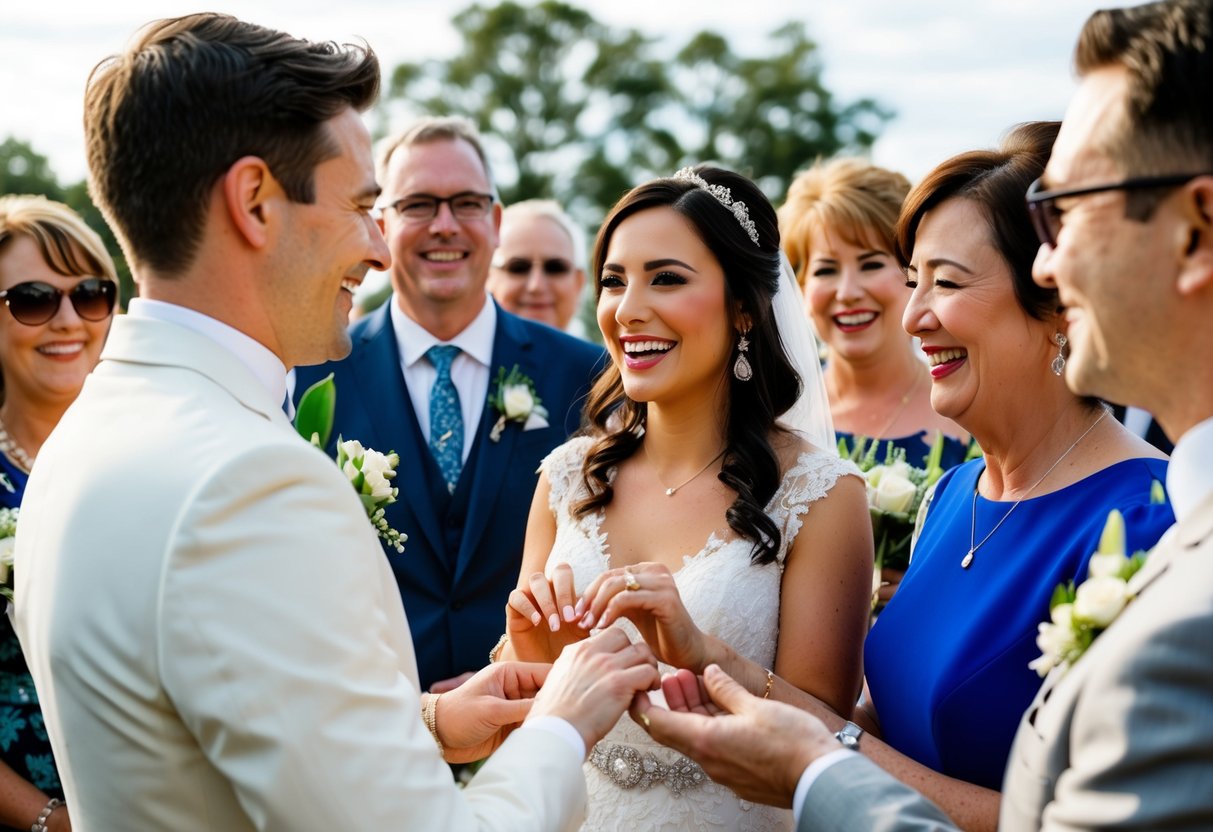
Before a Muslim wedding, various important pre-wedding rituals take place. These rituals help prepare the couple for their marriage and strengthen family bonds.
The Engagement Process and Mahr
Engagement is a significant step in Muslim weddings. During this time, the families come together to discuss the details of the union. A central element is the mahr, which is a mandatory gift from the groom to the bride. This can be in the form of money, jewelry, or other valuables. The amount is agreed upon before the wedding and reflects respect and sincerity.
Traditionally, couples might also participate in the nikah, which is the actual wedding ceremony. The engagement period allows families to get to know each other, and it is important for establishing trust. This phase encourages open communication about expectations.
Cultural Preparations: Henna Night and Manjha
Henna night is a colorful celebration where the bride’s hands and feet are decorated with intricate henna designs. This event usually takes place a day or two before the wedding. Friends and family gather to sing, dance, and enjoy festive foods. It’s a joyful expression of love and support for the bride.
Another important tradition is the manjha, which involves applying turmeric paste to the bride and groom. This ritual is believed to bring good luck and radiance before the wedding. It typically occurs at both homes and adds to the excitement of the upcoming nuptials. These cultural preparations foster a sense of community and belonging, making the journey to marriage special.
Islamic Wedding Ceremonies
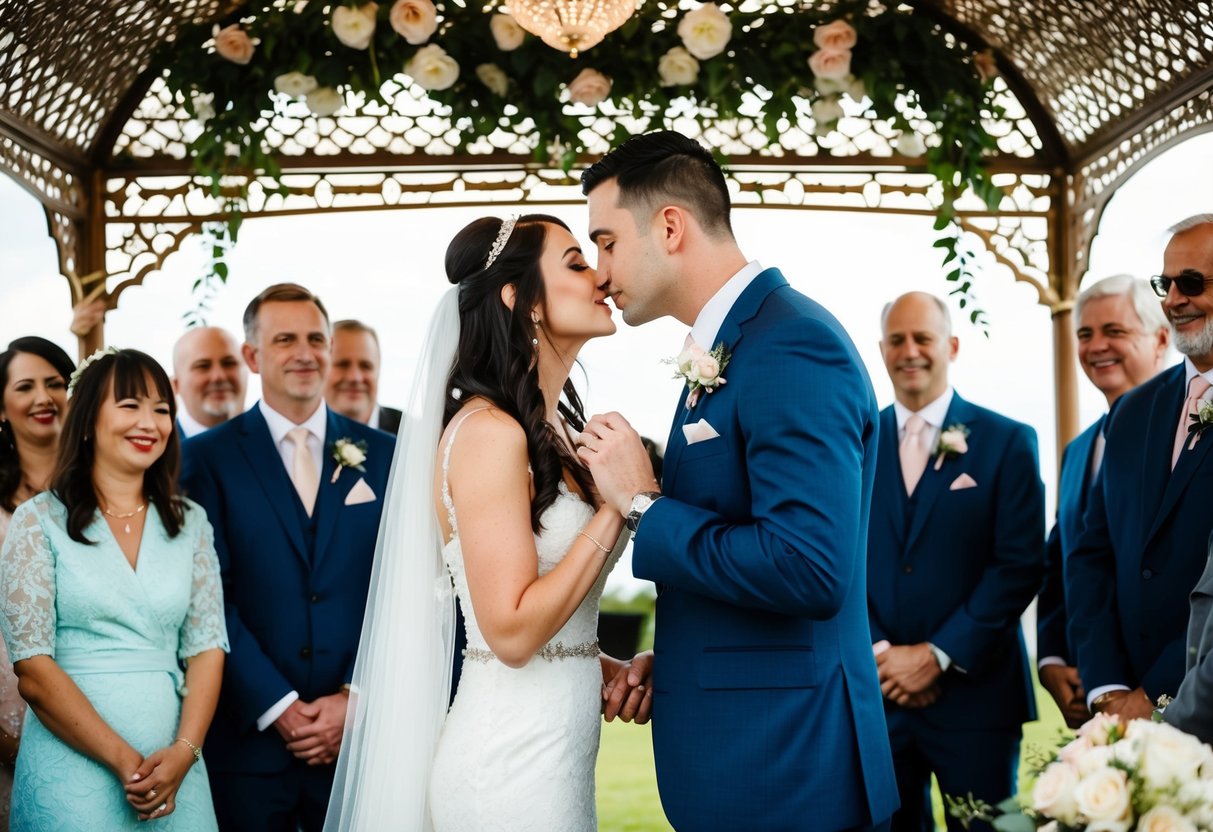
Islamic wedding ceremonies are rich in tradition and meaning. These events typically include significant rituals like the Nikah ceremony and the reception known as the Walima. Family plays an important role throughout these celebrations.
Nikah Ceremony and its Significance
The Nikah is the central part of an Islamic wedding. During this ceremony, a marriage contract is signed, known as Katb al-kitaab. This contract outlines the rights and responsibilities of each partner. It is conducted by an imam and involves two witnesses to validate the agreement.
A dowry, or mehr, is given by the groom to the bride. This symbolizes respect and commitment. The ceremony often includes prayers, blessings, and the exchange of vows. The Nikah marks the couple’s official transition into marriage. It is a time filled with joy, emphasizing the importance of family and community.
Walima: The Wedding Reception
Following the Nikah, the Walima takes place as a wedding reception. This celebration is hosted by the groom’s family to announce the marriage to the community. It is an essential part of Islamic marriage, showcasing hospitality and unity.
Guests at the Walima enjoy a festive meal, with traditional dishes being served. The event also allows family and friends to congratulate the couple. Rituals like the Haldi ceremony may occur before the wedding day, adding to the celebration and creating a joyful atmosphere.
Cultural Festivities During the Ceremony
Cultural festivities often enhance Islamic wedding ceremonies. Various traditions may occur, depending on the family’s background. For instance, the Rukhsati marks the bride’s departure from her family home.
During these events, special customs may be performed, such as singing and dancing. These rituals help family and friends connect with the couple. You may see vibrant decorations, beautiful attire, and lots of laughter.
Engaging in these festivities creates lasting memories for everyone involved. Each element reflects the couple’s cultural heritage and contributes to the joyous celebration of their union.
Wedding Traditions and Cultural Variations
Wedding traditions among Muslims can vary widely based on cultural backgrounds. These traditions often reflect local customs and beliefs, which shape the way events unfold during the wedding ceremony. From joyful dances to intimate family moments, each culture adds its unique touch to the celebration.
Arab and Levant Traditions
In Arab weddings, traditions are rich and vibrant. One of the most popular elements is the zaffe, a celebratory procession that includes music, singing, and dancing. As the couple enters, guests may perform the dabke, a traditional folk dance that brings everyone together.
Kissing the bride is typically reserved for private moments rather than public displays. This practice highlights the customs of modesty that are common in many Arab cultures. Alongside these festivities, the zaghroutha, a unique celebratory sound made by women, adds to the excitement and joy during key moments.
South Asian Muslim Customs
In South Asia, embracing traditions like mehndi is common during Muslim weddings. This ceremony involves beautiful henna designs being applied to the bride’s hands and feet. It is a time for female relatives and friends to gather and celebrate together.
Public displays of affection like kissing are generally avoided. Instead, families focus on rituals that honor the couple’s new beginning and respect cultural norms. There is a strong emphasis on community involvement throughout the celebrations, showcasing the importance of family connections in arranged marriages.
Symbolic Acts within Different Cultures
Symbolic acts during wedding ceremonies can differ regionally. In many cultures, exchanging gifts is a way of showing love and support.
Some traditions involve the groom presenting the bride with mahr, a mandatory gift in Islamic weddings. In certain cultures, the bride might participate in special rituals to signify her new role in the family. These customs ensure that everyone feels included in the joyous occasion. Each of these acts serves to strengthen the bond between families while celebrating the couple’s love.
Modern Muslim Weddings and Social Norms
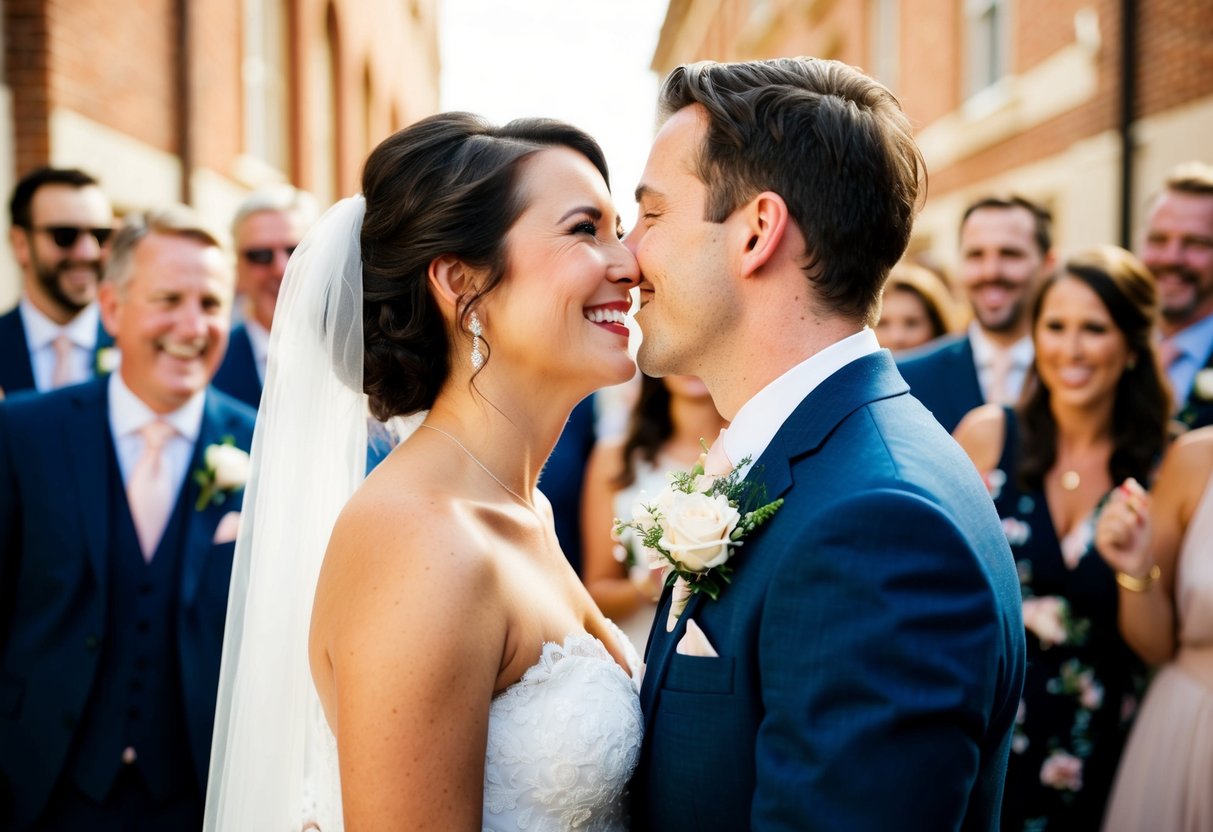
Modern Muslim weddings blend tradition with contemporary social norms. This creates a unique atmosphere where cultural practices and personal preferences meet. Key aspects like arranged marriages and the significance of modesty play a role in shaping these celebrations.
Adaptations and Arranged Marriage Dynamics
In many Muslim communities, arranged marriages remain common. Families often play a vital role in selecting compatible partners based on shared values and backgrounds.
You might find that these matches consider emotional connection and personal interests, ensuring the couple has a solid foundation. Wedding ceremonies focus on the Nikah, a contract based on mutual consent. This agreement emphasizes the importance of understanding between partners before the marriage. Many modern couples also customize their weddings, integrating personal touches like music and themes while honoring their traditions.
The Role of Piety and Modesty
Piety and modesty are essential in Muslim weddings. Public displays of affection, including kissing, are typically avoided during ceremonies. This aligns with Islamic law and values, prioritizing dignity and respect.
The wedding venue often reflects this focus on modesty. Many couples choose settings that allow for privacy and family involvement.
Traditional elements, such as cake cutting and receptions, still take place. However, there is an emphasis on maintaining a respectful atmosphere that upholds Islamic principles.