
Do Parents of Bridesmaids Get Invited to a Wedding? Understanding Wedding Etiquette
When planning your wedding, you may wonder about the etiquette surrounding your bridesmaids’ parents. Generally, parents of bridesmaids do not automatically receive invitations to the wedding. This can leave some feeling unsure about what to do, especially if your bridesmaids have close relationships with their parents.

It’s important to consider your relationship with your bridesmaids and their families when making your guest list. If you think inviting their parents would be a kind gesture, it can strengthen those connections.
Open communication with your bridal party can help you decide what feels right for everyone involved.
Navigating the guest list can be tricky, but understanding these dynamics will make your wedding planning smoother. The decisions you make should reflect your feelings and values, ensuring that your special day is memorable for you and your loved ones.
Understanding Wedding Etiquette
When planning your wedding, understanding the etiquette surrounding guest lists can help you make thoughtful decisions. Knowing the roles in your bridal party, including bridesmaids, can guide you on whether to invite their parents.
Role of Bridesmaids
Bridesmaids play an important part in your wedding. They support you emotionally and help with many tasks during the planning process. While they are key figures in the wedding, their parents don’t automatically need an invitation.
If you have a close personal relationship with a bridesmaid and her parents, consider inviting them. This can show appreciation for their support.
For instance, if your bridesmaid often mentions how her parents helped her during your friendship, it might be nice to include them.
If you decide to invite parents, it’s wise to communicate your plans. Let your bridesmaids know your reasoning. This can help avoid any misunderstandings.
Guest List Considerations
Creating your wedding guest list involves various factors. Think about your relationship with the bridesmaids and their parents. If their parents are considered family friends, inviting them could be appropriate.
On the other hand, if you don’t know the parents well, it’s best to keep your list smaller.
Remember, a wedding is often an intimate event. You want to invite people who genuinely matter to you.
As a guideline, consider your wedding’s size and your venue’s limits. Balancing the number of guests with your budget and space is critical. Guest lists can quickly grow, so prioritize those with a close relationship to you or your partner.
Managing Guest Invitations
When planning a wedding, managing guest invitations is key. You want to ensure the right people are invited while staying within your budget and venue capacity. Understanding how to effectively allocate invitations can make your special day enjoyable for everyone.
Determining Your Guest List
Creating your guest list is an important first step. Begin with close family and friends who mean the most to you.
Consider your venue capacity and any guest count restrictions that may affect your choices.
Think about your wedding party, including bridesmaids and groomsmen. You may want to invite their parents if there’s a special relationship.
Remember that every added guest affects your overall budget, so balance emotions with practicality.
Allocation of Invitations
Once you identify your initial guest list, the next step is allocating invitations. If family members are helping financially, they might want to invite their friends or relatives.
Discuss this openly since it helps avoid misunderstandings later.
Create a prioritized list of who you want to invite. You can break it down into categories: must-invite, nice-to-invite, and optional guests.
This can provide clarity and help you make decisions if you need to trim your list due to venue capacity or budget limitations.
Bridesmaids’ Parents Invitations
Inviting the parents of your bridesmaids can be a thoughtful gesture, but it isn’t necessary. If you have a close bond with them, consider extending an invitation.
This respects your relationship and acknowledges their role in the wedding party.
Before sending out invitations, talk to your bridesmaids. Discuss how they feel about their parents being invited. This is crucial to maintaining relationships and showing that you value their opinions on such a special day.
Navigating Emotional Aspects
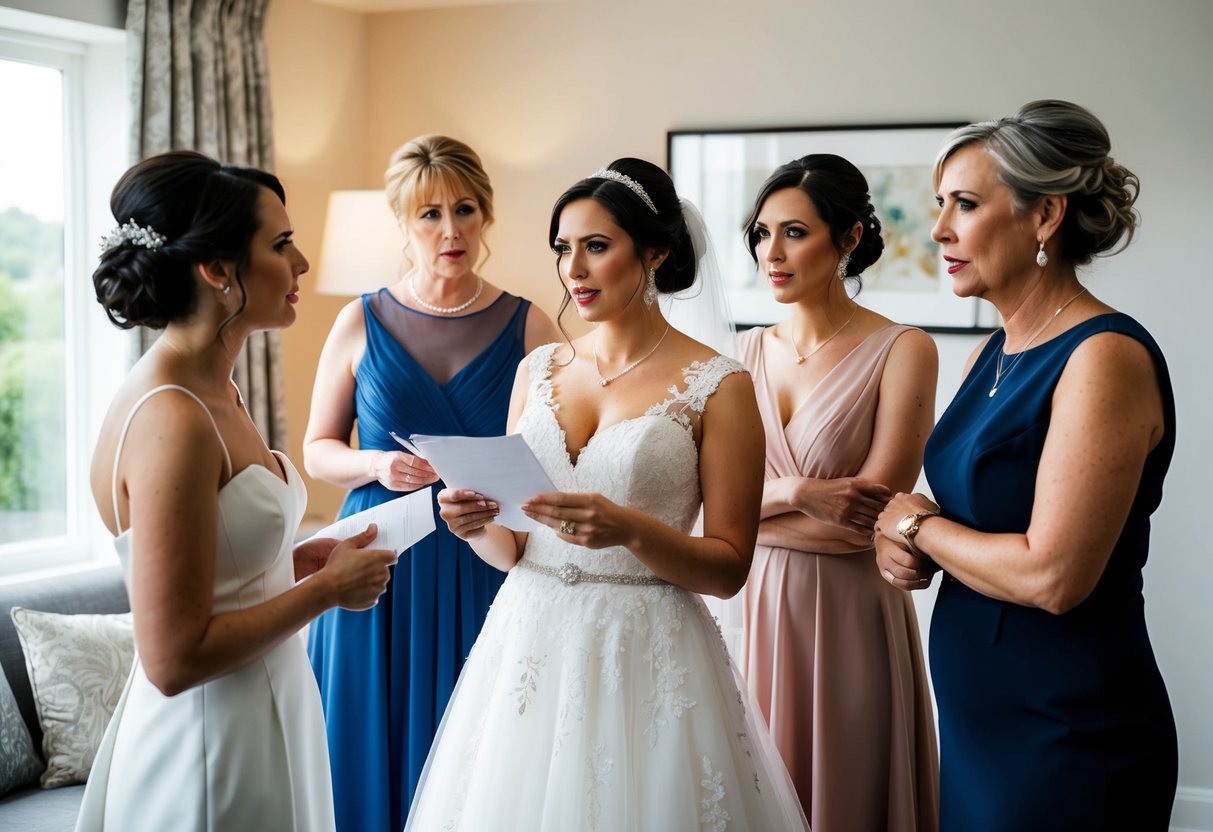
Weddings often bring up many feelings for everyone involved, including parents of bridesmaids. It’s important to handle these emotions with care while considering personal relationships and any obligations you might feel.
Handling Obligations and Expectations
You might feel a sense of obligation to invite the parents of your bridesmaids, especially if they have played an important role in your life.
If you have a close relationship with them, inviting them can feel natural and appreciated.
Alternatively, if you don’t know them well, it’s okay to prioritize your comfort and the dynamics of your wedding day.
Think about your bridal party members and how they might feel about their parents being included. Balancing these feelings is key, as you want to avoid guilt while keeping your wedding a joyful celebration.
Fostering Positive Relationships
To foster positive relationships, you need to communicate clearly. If you decide to invite the parents of your bridesmaids, consider discussing your choice with your bridal party.
Be open about your reasons. You can talk about friendships or shared experiences.
If you opt not to invite them, express your feelings honestly. This can help prevent any misunderstandings or hurt feelings.
It’s important to maintain bonds with your bridesmaids while also creating a supportive environment on your wedding day. A little thoughtfulness goes a long way in ensuring everyone feels respected and valued.