
Do Parents Pay for the Whole Wedding? Understanding Wedding Financing Traditions
When planning a wedding, one of the biggest questions that often arises is about who pays for the celebration. Many people believe that parents, especially the bride’s parents, traditionally foot the entire bill. In reality, couples now often share costs, with each family contributing to specific expenses or the couple covering most of the budget.
Understanding the financial expectations can help ease tension between families and ensure everyone is on the same page. Whether you’re navigating traditional roles or creating your own rules, knowing what to expect can be beneficial.
As you explore the ins and outs of wedding finances, you’ll discover different approaches that can work for you. It’s all about communication, compromise, and finding what fits your situation best.
Understanding Wedding Costs

When planning a wedding, it’s important to know the various expenses involved. Every wedding is different, but understanding common costs can help you create a realistic budget.
Here are some key wedding expenses to consider:
- Venue: This typically takes up 30-50% of your budget.
- Catering: Expect to spend around 20-30% for food and drink.
- Attire: Wedding dresses and suits can take a sizable chunk of the budget.
- Photography/Videography: Capturing your special day often costs between 10-15%.
- Flowers and Decor: Don’t forget to budget for bouquets, centerpieces, and decorations.
The average wedding cost can vary greatly depending on location and guest count. In recent years, the total cost can range from $20,000 to $35,000 or more.
You may find that many couples are now contributing to their wedding expenses. Research shows that couples now cover about 49% of costs, while parents traditionally paid the majority.
Planning a wedding also requires careful budgeting. Knowing what you can afford helps reduce stress and allows for better decision-making. By breaking down your wedding costs, you can prioritize what matters most to you.
Consider creating a detailed list to keep track of all your expenses. This will help you stay within your budget and enjoy the planning process.
Who Traditionally Pays?
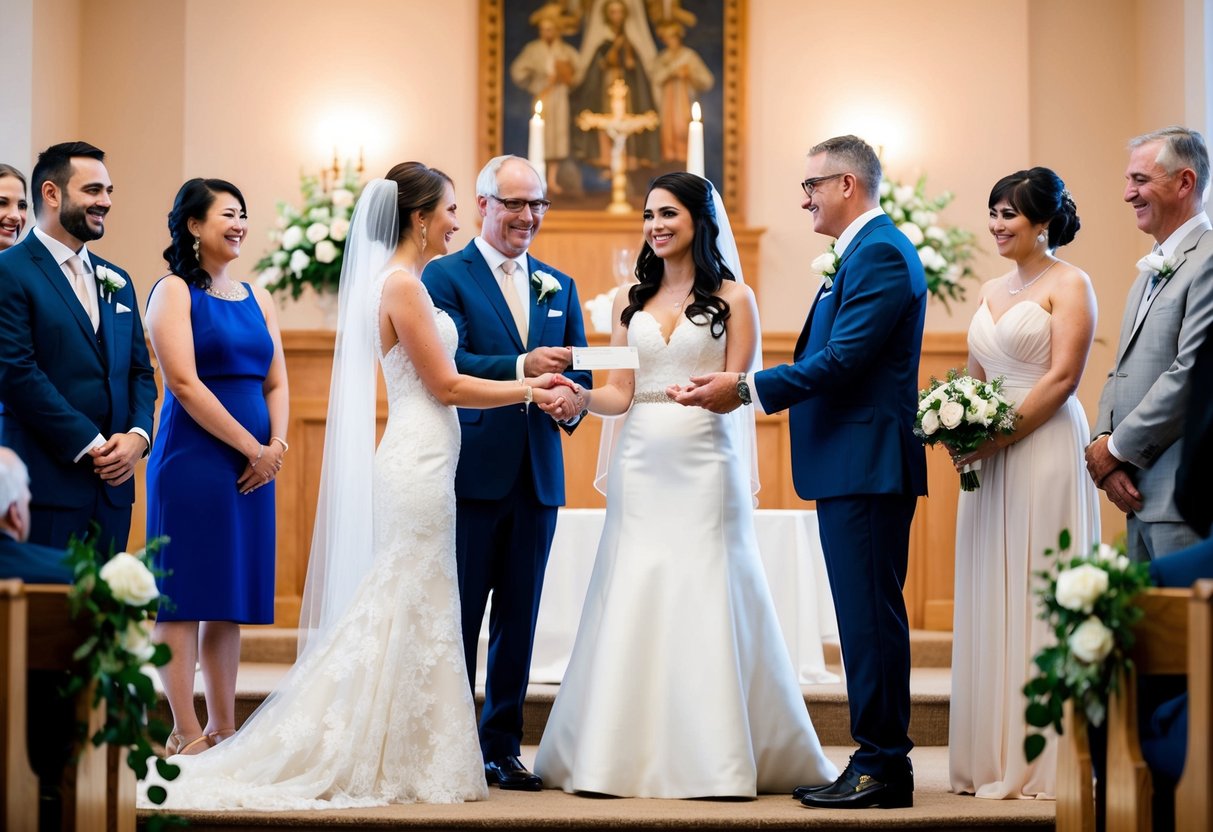
When it comes to weddings, there’s a long history of who pays for what. Traditionally, the bride’s family covers most of the costs. This includes expenses like the venue, catering, and invitations.
The groom’s family usually has their own responsibilities too. They often pay for the rehearsal dinner, the officiant’s fee, and the bride’s ring.
Wedding etiquette can vary by culture and personal choice. Many modern couples choose to split costs or have both families contribute. In LGBTQIA+ weddings, couples often pay for a significant portion of the expenses themselves.
Here’s a quick breakdown:
- Bride’s Family: Venue, catering, invitations, flowers, and photography.
- Groom’s Family: Rehearsal dinner, officiant fee, and sometimes attire for groomsmen.
In recent years, couples have also opted to pay for their weddings, especially if it’s their second wedding. They may cover up to 88% of the costs themselves.
Understanding these roles can help make planning smoother. It’s all about open communication to find what works best for you and your families!
Contributions of Modern Couples

Many modern couples are taking on more financial responsibility for their weddings. This shift reflects changing views on financial independence.
You might find that couples are contributing to various costs. These can include the engagement ring, wedding cake, and even honeymoon expenses.
Many couples share the costs with their families. Traditionally, the bride’s parents covered most expenses. Now, it is common for both sets of parents to chip in, helping with costs like the rehearsal dinner.
Here are some typical contributions you might see:
- Engagement Ring: Often paid for by the groom, but some couples split this cost.
- Wedding Cake: Couples might design and pay for their own cake to match their style.
- Rehearsal Dinner: Usually covered by the groom’s family, but many couples pay for it themselves.
- Honeymoon: A growing number of couples are saving for their dream honeymoon, taking full responsibility for those costs.
By taking charge of these expenses, you gain more control over your wedding. This approach allows for more personal touches and reflects your unique style.
Breaking Down Key Wedding Expenses
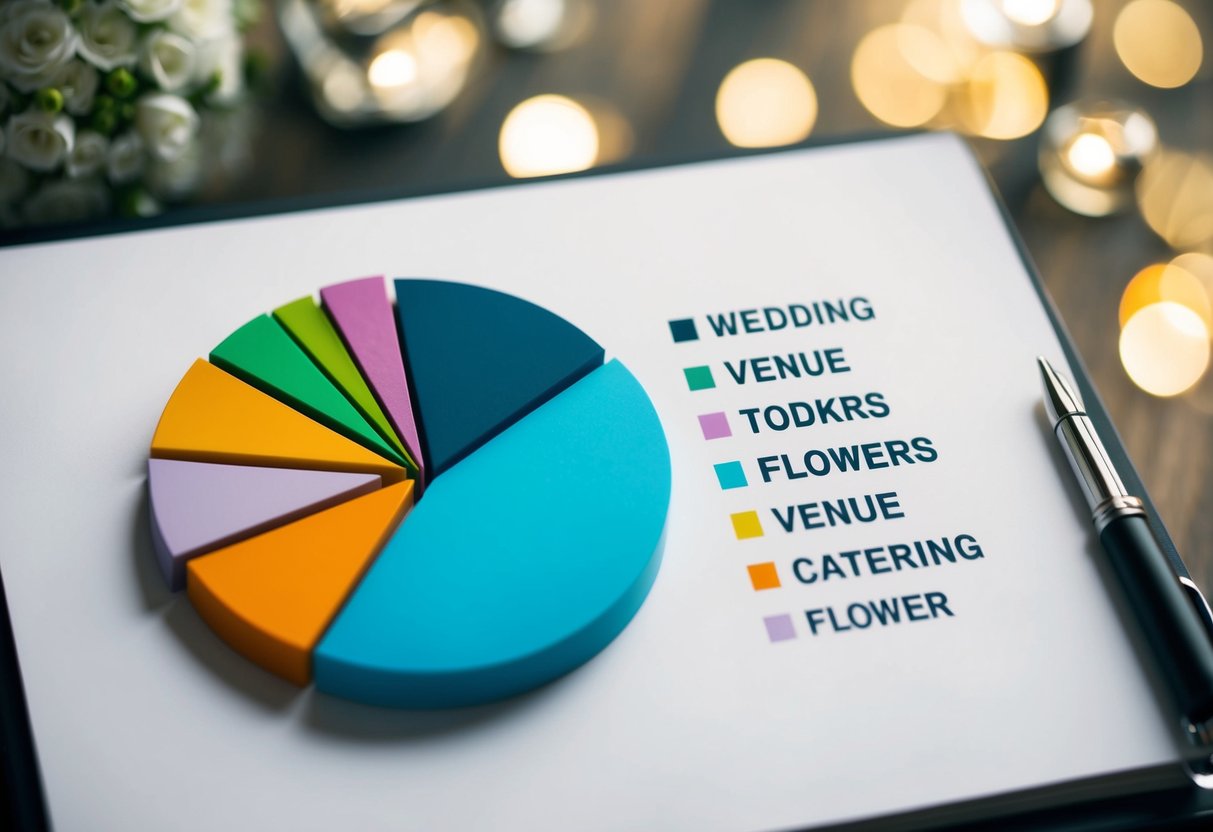
Your wedding budget can quickly add up as you plan for various events and details. Understanding the main expenses can help you and your family manage costs effectively.
Pre-Wedding Events
Pre-wedding events are a great opportunity to celebrate with family and friends. Common events include the engagement party and rehearsal dinner.
The engagement party is often hosted by your family or close friends. This can cost anywhere from $200 to $2,000, depending on the venue and guest list.
The rehearsal dinner typically occurs the night before the wedding. It’s often hosted by the groom’s parents. Costs for this dinner can range from $1,000 to $5,000, based on the location and catering choices.
You will also need a marriage license, which usually costs about $50 to $150 depending on your location.
Wedding Day Essentials
On the big day, several key items will contribute to your overall costs. Ceremony and reception venues tend to be the largest expenses. Depending on the venue, you might pay between $2,000 to $10,000.
Next, don’t forget about floral arrangements. Flowers can enhance the atmosphere and beauty of your wedding. Expect to spend between $1,500 and $6,000 for bouquets, centerpieces, and decorations.
If you’re hiring a wedding planner, their fees can typically range from $1,500 to $5,000 depending on their experience and services offered.
Attire and Pampering
Your attire is one of the biggest expenses. The wedding dress may cost anywhere from $500 to $6,000. Don’t forget to budget for alterations, which can add another $100 to $500.
The groom’s attire also needs consideration. Renting a tuxedo can cost around $200 to $400, while purchasing outright may start at $500.
In addition, you may want to set aside funds for pampering before the big day. This includes hair, makeup, and spa treatments. Such services can cost between $100 and $300 per person.
Reception Details
The reception is where the celebration truly unfolds. Catering will likely be one of your largest expenses. Prices usually range from $30 to $150 per guest for a meal, so you need to know your guest count.
Next, consider wedding flowers for centerpieces and other decorations. This typically fits into the same budget category as the ceremony flowers.
Lastly, entertainment choices like a DJ or live band should also be factored in. DJ services might cost $800 to $2,500, while a band can vary from $1,500 to $10,000.