
Do People Still Do Wedding Rehearsals? Exploring Modern Traditions
Wedding rehearsals have long been a tradition, helping couples and their families prepare for the big day. Many people still hold wedding rehearsals to ensure everything goes smoothly and to ease any nerves before the ceremony. These gatherings not only allow everyone involved to practice the ceremony but also serve as a chance to bond with loved ones.
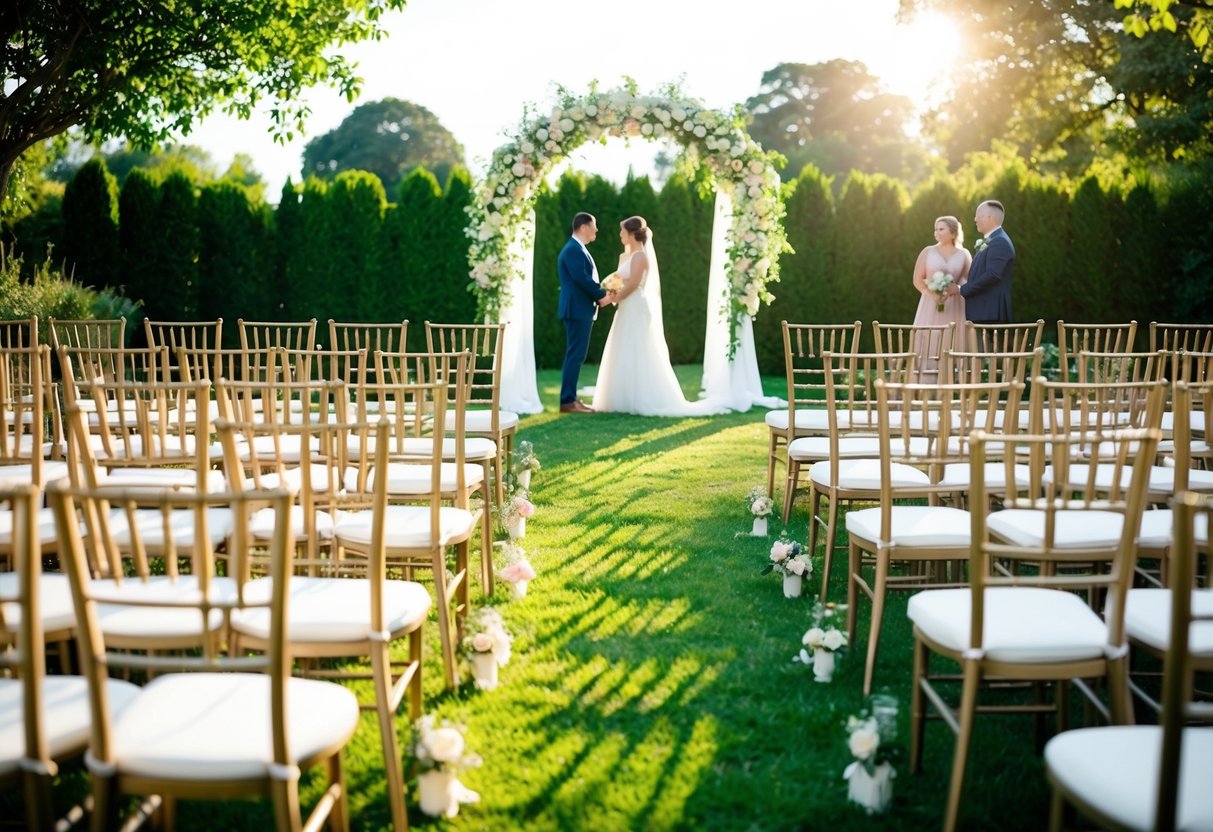
You might find that the style and formality of rehearsals today can vary greatly. Some couples opt for a simple run-through at the venue, while others make it a festive occasion with a rehearsal dinner. The important thing is to create a setting that feels right for you and your guests.
As you plan your wedding, consider what works best for your situation. A rehearsal can be a great way to kick off the festivities and make everyone feel ready for the celebration ahead.
Understanding Wedding Rehearsals
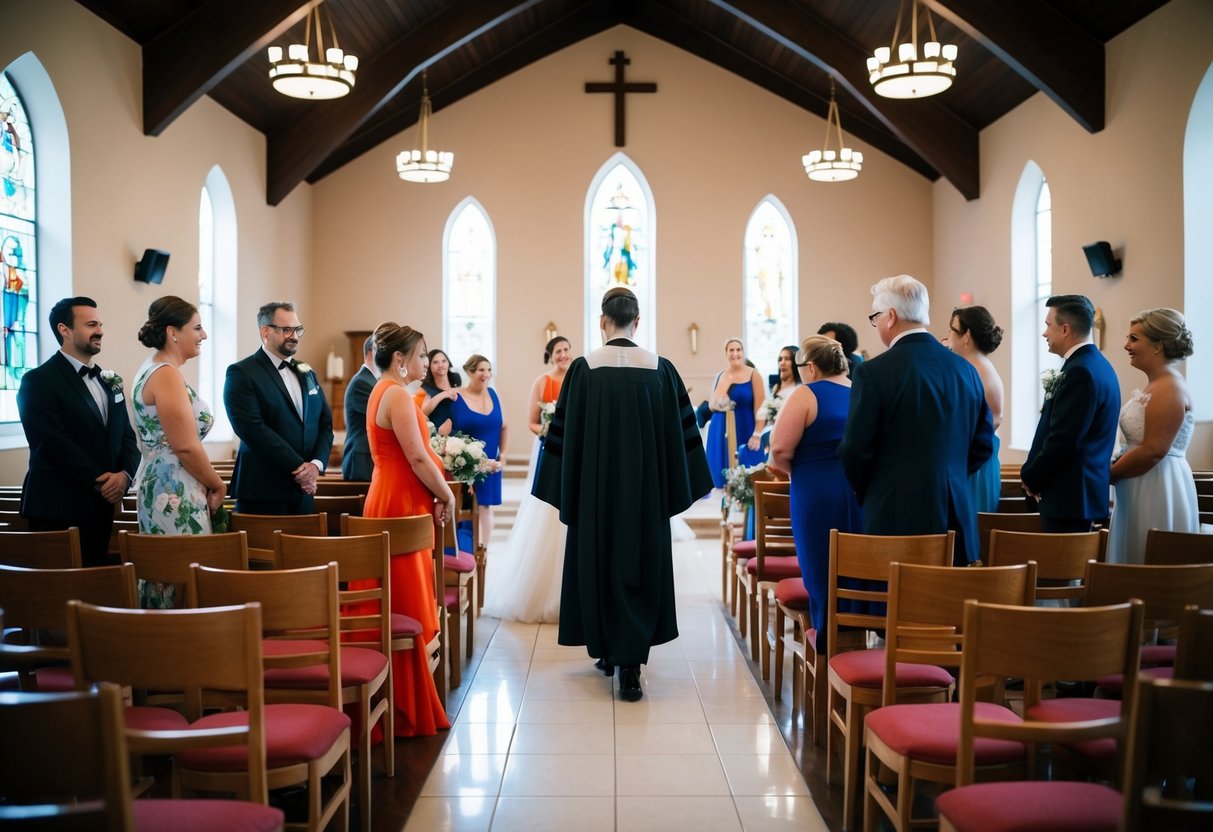
Wedding rehearsals are a key part of the preparation process for your big day. They not only help everyone understand their roles but also ensure that the ceremony runs smoothly. Let’s break down what a wedding rehearsal involves and the important roles that make it successful.
What Is a Wedding Rehearsal?
A wedding rehearsal is a practice run for your ceremony. It usually takes place one or two days before the wedding. This rehearsal allows you and your wedding party to get familiar with the schedule and choreography of the event.
During this time, you’ll go through key moments like the procession and recession. Everyone learns where to stand and what to do. This is also a great opportunity to address any last-minute questions or concerns.
A smooth rehearsal sets the tone for the actual wedding, reducing the chances of surprises on the day itself. It’s your time to feel confident and ready!
The Role of the Officiant
The officiant plays a vital role during the wedding rehearsal. They help guide the practice, explaining the ceremony’s flow and significance.
As the person leading your ceremony, they will clarify any rituals or traditions you plan to include. The officiant can also give tips on timing and pacing for the day.
By the end of the rehearsal, they ensure that everyone knows their responsibilities. This clarity helps to ease nerves, as everyone will be more prepared for their roles on the big day.
A supportive officiant can really make a difference in creating a calming and organized atmosphere.
Importance of a Rehearsal Coordinator
A rehearsal coordinator is another essential part of a successful wedding rehearsal. This person ensures that everything runs smoothly and on time.
They help keep track of the schedule and manage the flow of the rehearsal. Whether it’s organizing who stands where or making sure everyone arrives punctually, the coordinator handles the details.
Having someone dedicated to this role alleviates stress for you and your family. You can focus on enjoying the practice without worrying about logistics.
In short, a rehearsal coordinator helps create an enjoyable and efficient experience for everyone involved.
Preparation and Planning
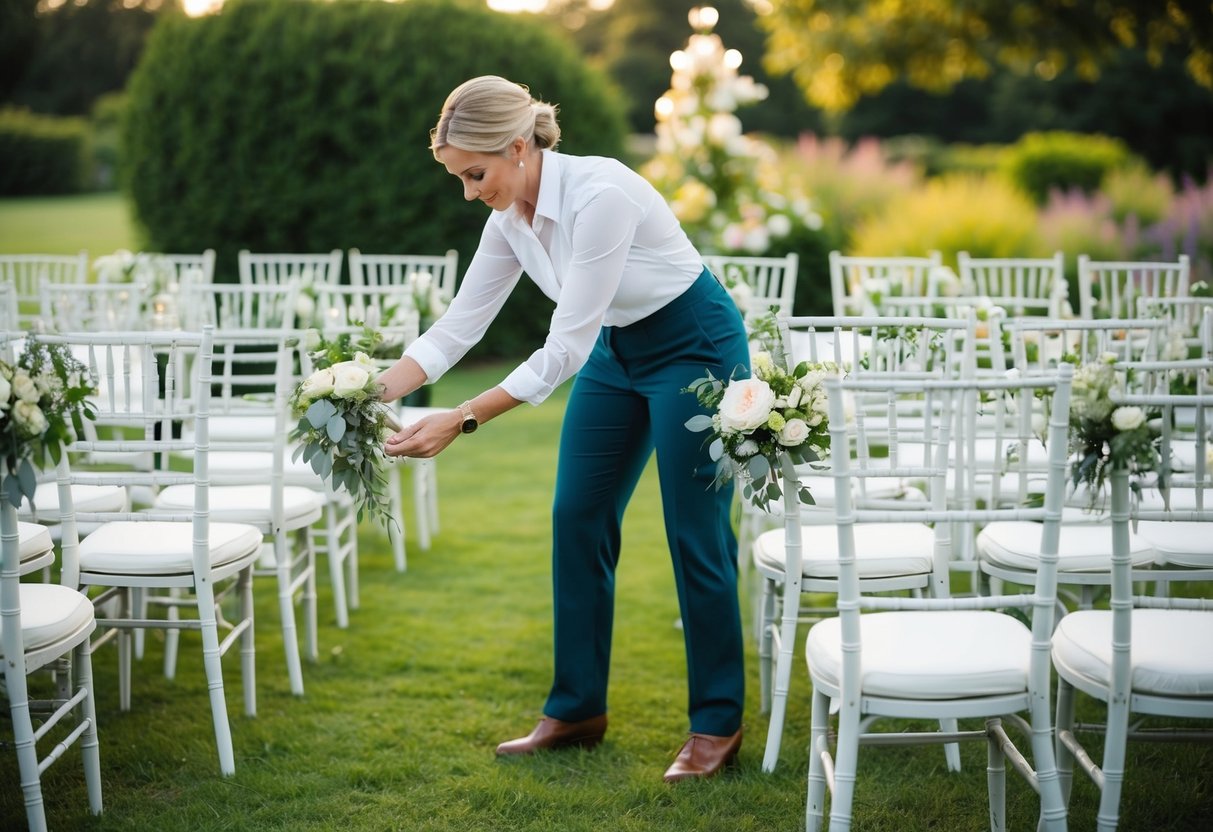
Preparing for your wedding rehearsal involves thoughtful organization and clear planning. This process helps ensure that everyone knows their roles and the flow of the ceremony.
Creating a Wedding Rehearsal Checklist
A wedding rehearsal checklist is a handy tool. It helps you manage all the details leading up to the big day. Start by listing attendees who need to be there.
Key Attendees:
- The Couple
- Parents
- Wedding Party (Bridesmaids and Groomsmen)
- Flower Girl and Ring Bearer
- Officiant
Include items like scripts, music, and any special rituals involved. Make sure to visit your ceremony venue and visualize the space. This way, everyone knows where to stand and how to move.
Having a clear checklist can ease stress. It ensures that nothing is forgotten on your special day.
Determining the Processional and Recessional Order
Next, you’ll need to decide on the processional and recessional order. This part is vital to a smooth ceremony. The processional is how everyone walks down the aisle before the ceremony begins.
Common Processional Order:
- Officiant
- Groom and Best Man
- Bridesmaids
- Flower Girl
- Bride
After the ceremony, the recessional follows. This is when the couple exits the altar and walks down the aisle. It often starts with the bride and groom, followed by the wedding party.
Think about any special wedding traditions you want to include in this order. You can discuss these details with your wedding planner to ensure everything goes as planned.
Rehearsal Dinner Insights
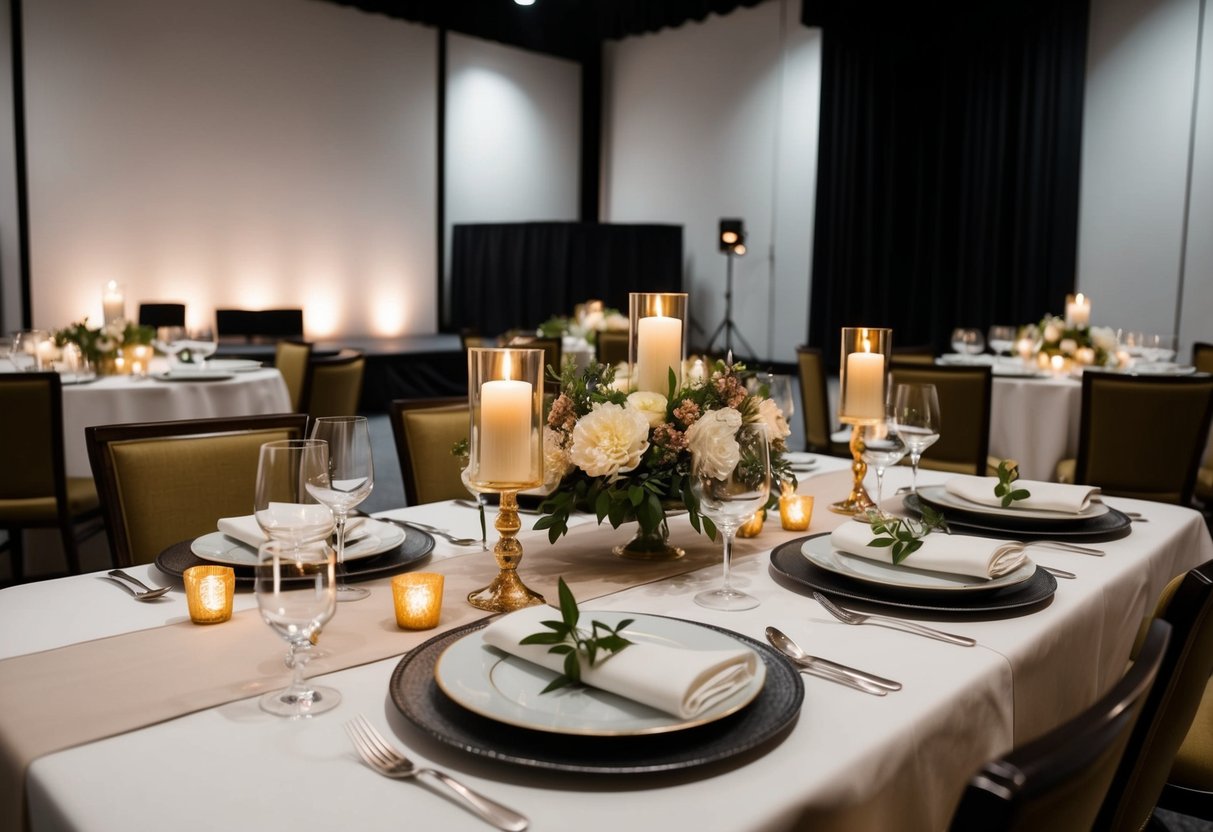
A rehearsal dinner is a special gathering that follows the wedding rehearsal. This event allows friends and family to connect before the big day. You’ll find helpful tips and traditions for planning a successful rehearsal dinner.
Who Plans the Rehearsal Dinner?
Typically, the groom’s family is responsible for planning the rehearsal dinner. They handle the details, such as the venue, food, and invitations. If they can’t take on this task, the couple can step in to make arrangements.
Make sure to choose a location that’s convenient for your guests. Restaurants are a popular choice, but home gatherings can feel more personal.
When sending out rehearsal dinner invitations, include key details like the date, time, and location. It’s important to invite close family, the wedding party, and significant others.
Rehearsal Dinner Schedule and Traditions
The rehearsal dinner usually takes place the night before the wedding. It typically lasts 2-3 hours, giving guests time to enjoy a meal and socialize.
Common traditions include giving toasts to the couple and sharing favorite memories. You can also incorporate unique activities, such as games or slideshows, to make the evening memorable.
Decide whether you want a formal sit-down dinner or a more casual buffet. Your choice will depend on your style, budget, and guest preferences.
Remember, the goal is to create a warm atmosphere for everyone. The rehearsal dinner is about celebrating relationships and building excitement for the upcoming wedding.
The Big Day: Execution and Enjoyment
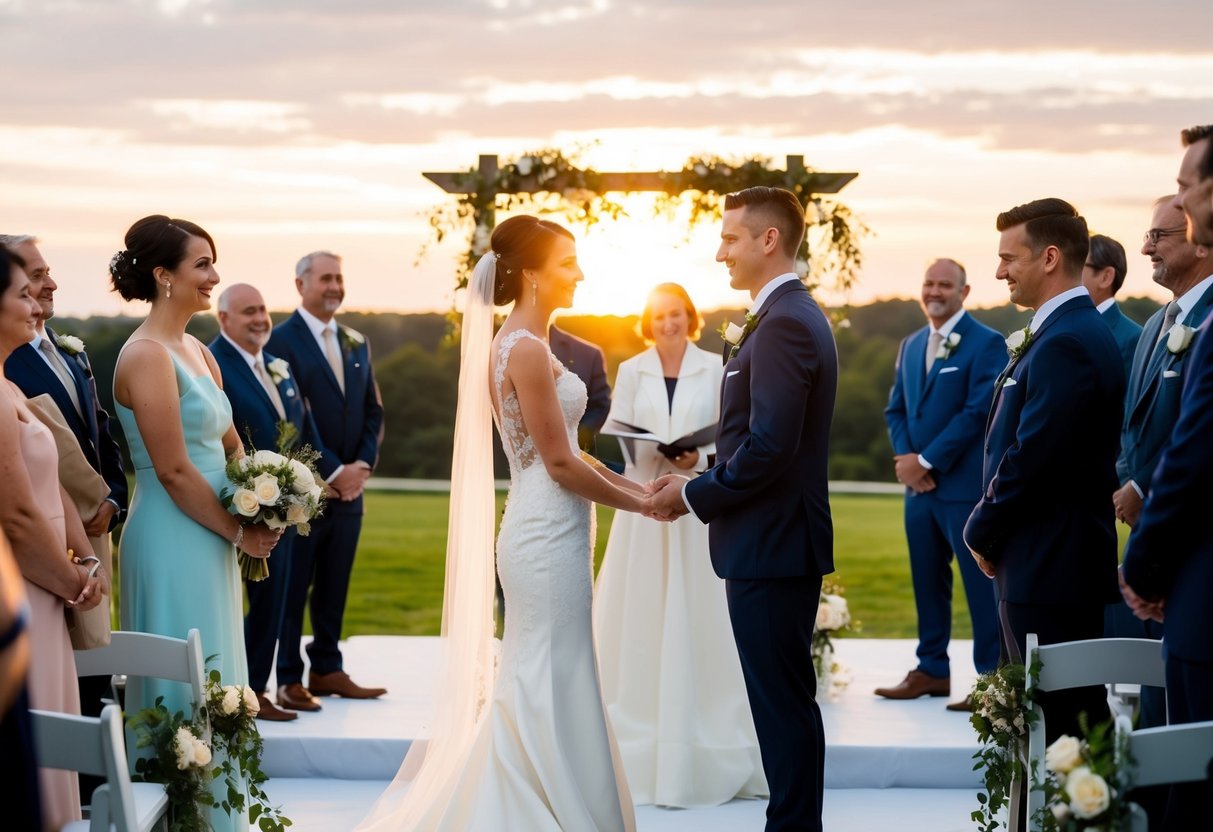
As you approach the big day, it’s essential to focus on both the details and the experience. Finalizing the last-minute details can help ensure everything runs smoothly, while taking the time to enjoy the moment makes your wedding day truly special.
Finalizing Wedding Day Details
Ensure everyone in the wedding party knows their roles. The maid of honor and best man should have all necessary items, like the rings and any special keepsakes. The groomsmen and bridesmaids can assist with getting everyone to the wedding venue on time.
Review your vows and ceremony timeline. Doing a quick check of the schedule can clear up any confusion. Make sure that the place settings and decorations are ready. If you’re having a wedding rehearsal, it’s a great chance to practice the flow of your wedding ceremony with everyone involved to address any potential issues.
Enjoying the Moment
Don’t forget to enjoy the day while you focus on the details. Take a few moments to breathe and soak in the happiness surrounding you. Your wedding celebration is a time for laughter, joy, and connection.
Share a laugh with your bridal party, and remember to appreciate everyone who came to support you. This is your day, so let the love and excitement embrace you. Capture these moments in your mind and heart, even as you transition to the ceremony.
With everything planned, you can focus on celebrating your love with family and friends.