
Do the Bride and Groom Count as Guests? Exploring Wedding Guest Lists
When planning your wedding, you may wonder if the bride and groom count as guests. The answer is usually yes; you should include yourselves in the guest count, especially if you plan to eat or participate in activities at the event. Understanding this aspect can help you avoid confusion with your venue and ensure everyone is accounted for.
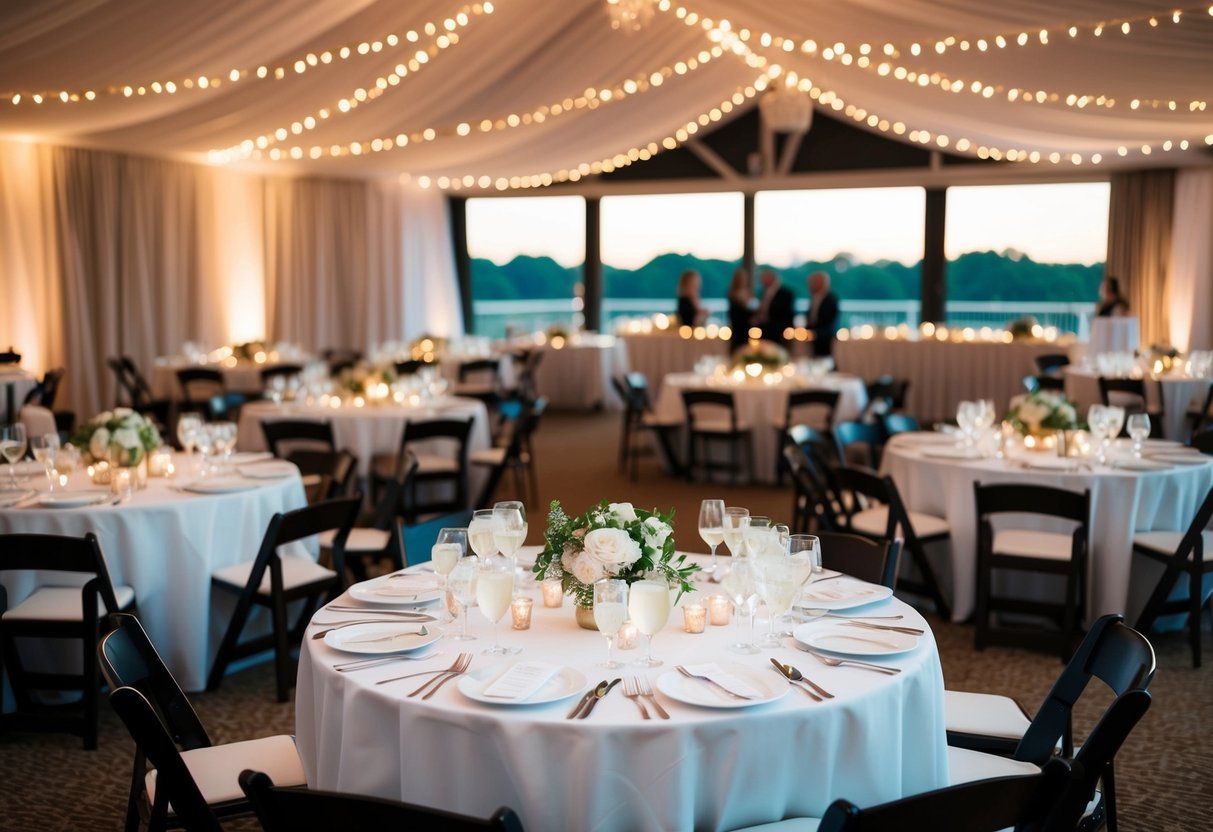
As you create your guest list and finalize arrangements, it’s important to communicate clearly with your venue about their policies. Each place may have different rules regarding guest counts, which can influence costs and space arrangements.
Remember that counting guests correctly can help make your special day smoother and more enjoyable for everyone involved.
As you dive into the details of your wedding planning, knowing the answer to this question can save you from unexpected surprises later. Stay organized, and make sure every guest, including the bride and groom, is included in your final count for a wonderful celebration.
Understanding the Guest Count
Deciding on the guest count for your wedding is an important step in wedding planning. Knowing how to define different groups, including the wedding party and family members, can help you create an accurate headcount. Let’s explore the key aspects of this process.
Defining the Wedding Party
The wedding party includes important people like bridesmaids, groomsmen, and other close friends or family who play a special role in your big day. These individuals typically stand by you during the ceremony and may participate in activities like the rehearsal dinner.
When counting guests, the wedding party is usually included in your final headcount. This is essential for catering and seating arrangements. Each person in the wedding party adds to the overall atmosphere, so consider them a part of your celebration.
Roles of the Bride and Groom
As the bride and groom, you also have a role in the guest count. Most venues follow standard practices, counting you among the guests. This helps ensure that all meals and seats are accounted for.
If you’re worried about adding to the numbers, remember that you’re the hosts of this event. Many couples find it helpful to communicate with their venue about whether to include themselves in the guest count. Being clear on this aspect can help avoid confusion later.
Exclusions in the Headcount
When planning your guest list, some people are typically excluded from the headcount, such as vendors and children under a certain age. It’s important to remember that while they won’t count towards the total, they play a role in the event.
Consider family members who might not attend due to travel or personal reasons. Keeping track of these details can help you adjust your final headcount as needed. Always communicate with your venue so that everyone is on the same page regarding who’s included or excluded.
Managing the Wedding Guest List
Creating your wedding guest list can feel overwhelming, but breaking it down into manageable parts can help. You’ll want to balance both local and out-of-town guests, while considering your final headcount for the venue.
Creating a Balanced List
Start by listing everyone you want to invite. This should include close friends and family members. A good rule is to prioritize those who matter most to you.
Next, consider the size of your venue. Pay attention to guest list rules specific to your location. Some places charge per head, so including the bride and groom in your final count is essential.
Once you have your list, group guests into categories: local and out-of-town. This will help you manage logistics for those traveling to your wedding. Don’t forget to send out “save the date” cards early, especially to out-of-town guests, so they can plan accordingly.
Special Considerations for Out-of-Town and Local Guests
When planning your guest list, think about the needs of out-of-town guests. They may require hotel accommodations or transportation options. Providing them with this information can make their experience smoother.
Local guests may appreciate activities around your wedding date. Consider creating a list of local attractions or restaurants they can visit during their stay.
Be mindful of how many guests your venue can accommodate. You want to ensure that everyone feels welcomed without overcrowding. Adjust your list accordingly by weighing who you want most at your wedding against the space available.
The Role of Vendors and Catering in Your Guest List

When planning your wedding, understanding how vendors and catering affect your guest list is essential. Knowing how many people will attend, including the couple, helps ensure that everything is prepared correctly.
Working with Vendors
You’ll need to work closely with various vendors, especially your wedding planner. They can help you determine which guests count toward your overall number. Remember, many venues consider the bride and groom as part of the guest count.
It’s crucial to communicate clearly with your vendors about your total headcount. This way, they can plan accordingly. For example, photographers often need to know how many people are expected for group shots.
Planning with the Caterer
Catering is a significant part of your wedding expense. Most caterers charge on a per-person basis, so the number of guests, including the bride and groom, affects your budget.
Ensure your caterer understands the total guest count, including any vendors who might partake in the meal. This can include a wedding planner or vendors who will stay for dinner, like photographers. Discussing meal types and dietary restrictions early makes the planning smoother and more enjoyable for everyone involved.
Seating Arrangements and Reception Details
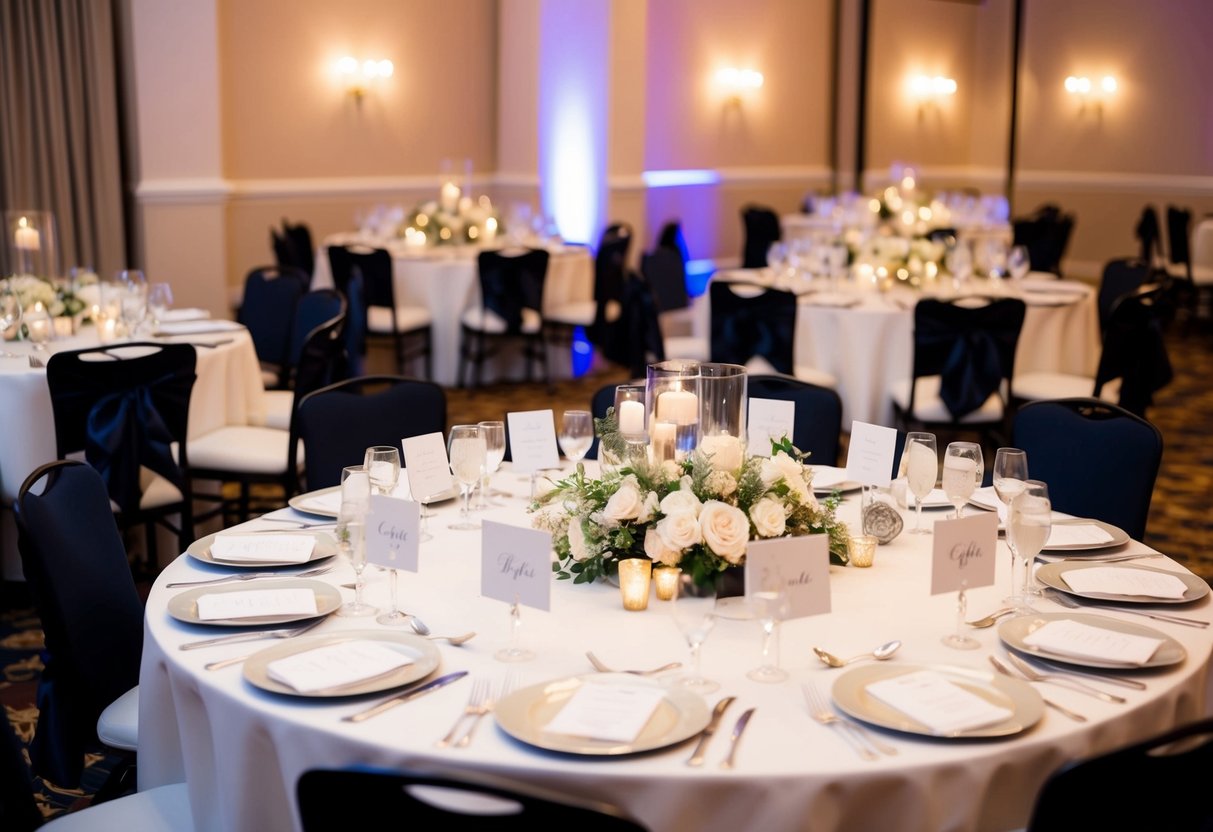
When planning your wedding, the seating arrangements can greatly affect the flow and comfort of your reception. You’ll want to consider how to create a welcoming environment for every guest, while also keeping the bride and groom’s role in mind.
Designing a Wedding Seating Chart
Creating a wedding seating chart is an important step in your planning. Start by listing all your guests and grouping them based on their relationships and comfort levels. You can use a simple table format to help visualize the arrangement.
- Family together: Keep family members seated near each other.
- Friends mixed: Blend different groups to encourage mingling.
- Special needs: Consider guests who may need easier access or seating.
For the bride and groom, place yourselves at a prominent table. This can be at the head table with the wedding party or at a separate table that gives you a good view of the entire reception. You can learn more about the seating chart process here.
Reception Planning for Different Sized Weddings
The size of your wedding will also influence your seating arrangements. For small weddings, you might opt for a more casual setup, such as a round table where everyone can easily communicate.
For larger weddings, you need to plan more carefully. You may want to create distinct table groupings, such as:
- Tables of 8-10 guests: This encourages conversation while keeping groups manageable.
- Head table for special guests: Reserve a table for immediate family and the wedding party.
By anticipating the flow of the day and how guests interact, you can make the celebration enjoyable for everyone, including yourselves. For insights on whether to include the bride and groom in the guest count, check out this discussion here.