
Do the Bride and Groom Sit Together at Rehearsal Dinner? Tips for Seating Arrangements
At the rehearsal dinner, the bride and groom typically sit together. This setting symbolizes their union and allows them to enjoy quality time with their closest friends and family before the big day.
It’s a moment for laughter, conversation, and creating lasting memories with loved ones who have gathered to celebrate.
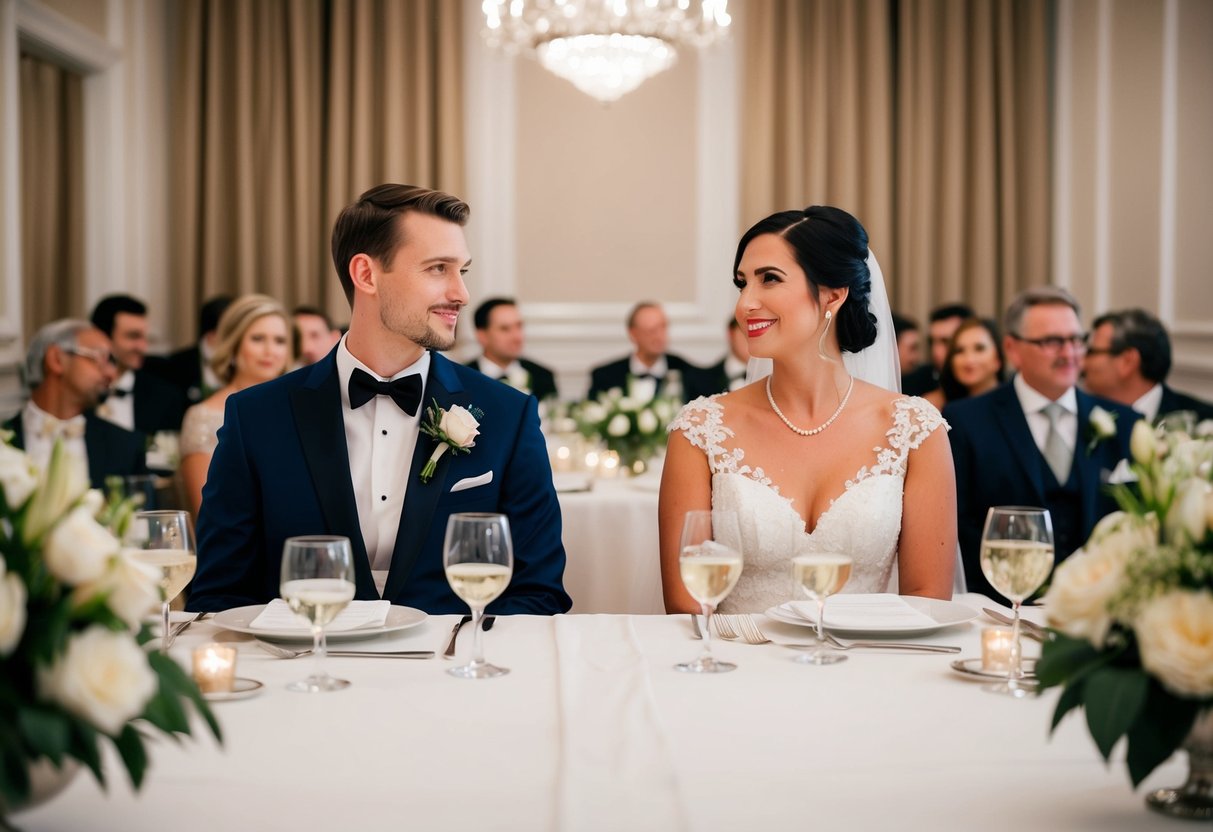
Sitting together at the head of the table provides the couple with a chance to mingle with guests while being the focal point of the evening. It creates a warm atmosphere where everyone can celebrate the upcoming wedding and share in the couple’s joy.
You’ll want to make arrangements for family members to sit nearby, ensuring that everyone feels included and connected during this special gathering.
Planning the seating can help everyone know where to go when it’s time to eat. So, if you’re organizing a rehearsal dinner, make sure to honor this tradition and enjoy the closeness it brings!
Understanding the Rehearsal Dinner
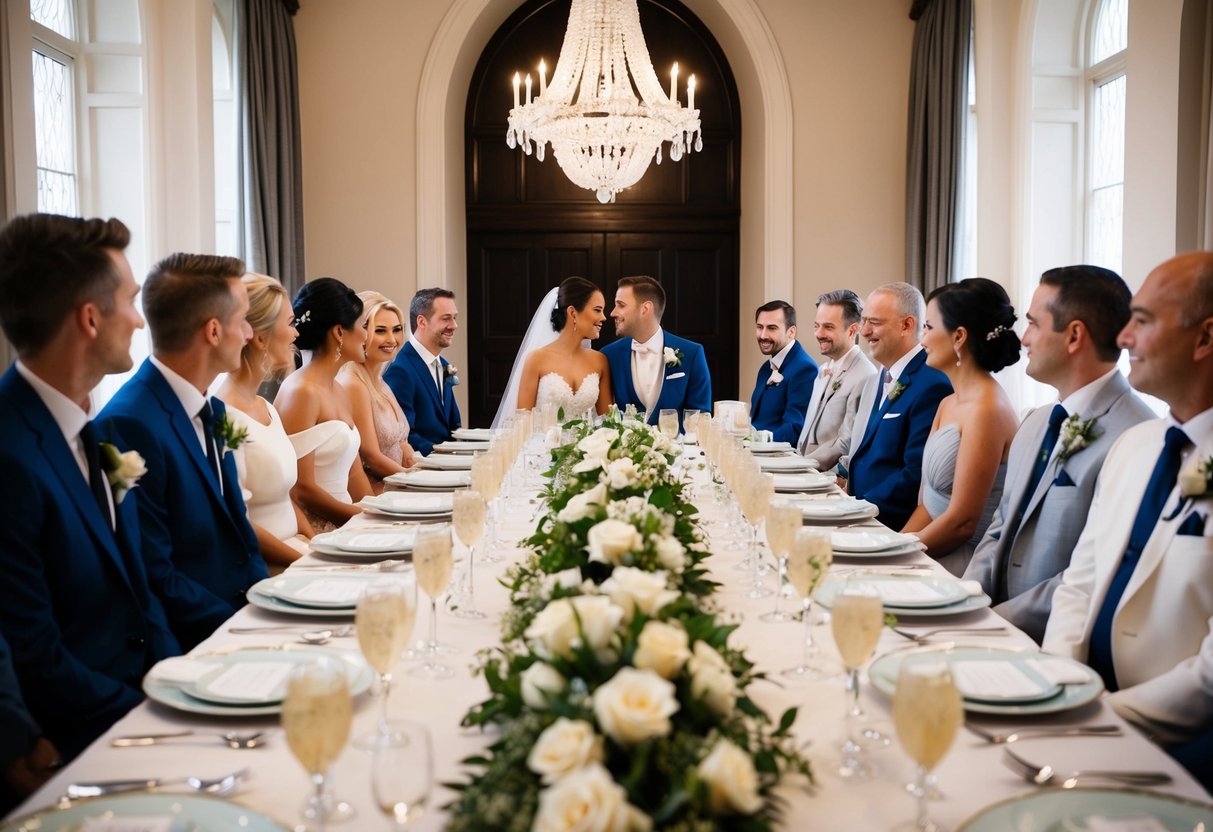
A rehearsal dinner is a special pre-wedding event that typically follows the wedding rehearsal. It allows everyone to gather before the busy wedding day.
Traditionally, the groom’s parents host this dinner. It’s a great time for family and friends to connect in a relaxed setting. You can think of it as an intimate gathering or welcome party.
During the dinner, you can practice your speeches or toasts, which adds a personal touch. Some couples choose a more formal dinner, while others prefer a casual atmosphere.
When planning a rehearsal dinner, consider the following:
- Guest List: Include close family and friends.
- Venue: Select a location that is convenient for most guests.
- Menu: Pick foods that you and your guests will enjoy.
- Seating Arrangements: Think about whether you want assigned seating or a more open setup.
You and your partner should have a special place at the table. This can be either at the head of the table or somewhere central. Placing you together shows unity and allows you to interact with your guests.
A rehearsal dinner is not just a formality; it sets the tone for the wedding weekend and adds to the joy of your celebration.
Who’s Who at the Rehearsal Dinner
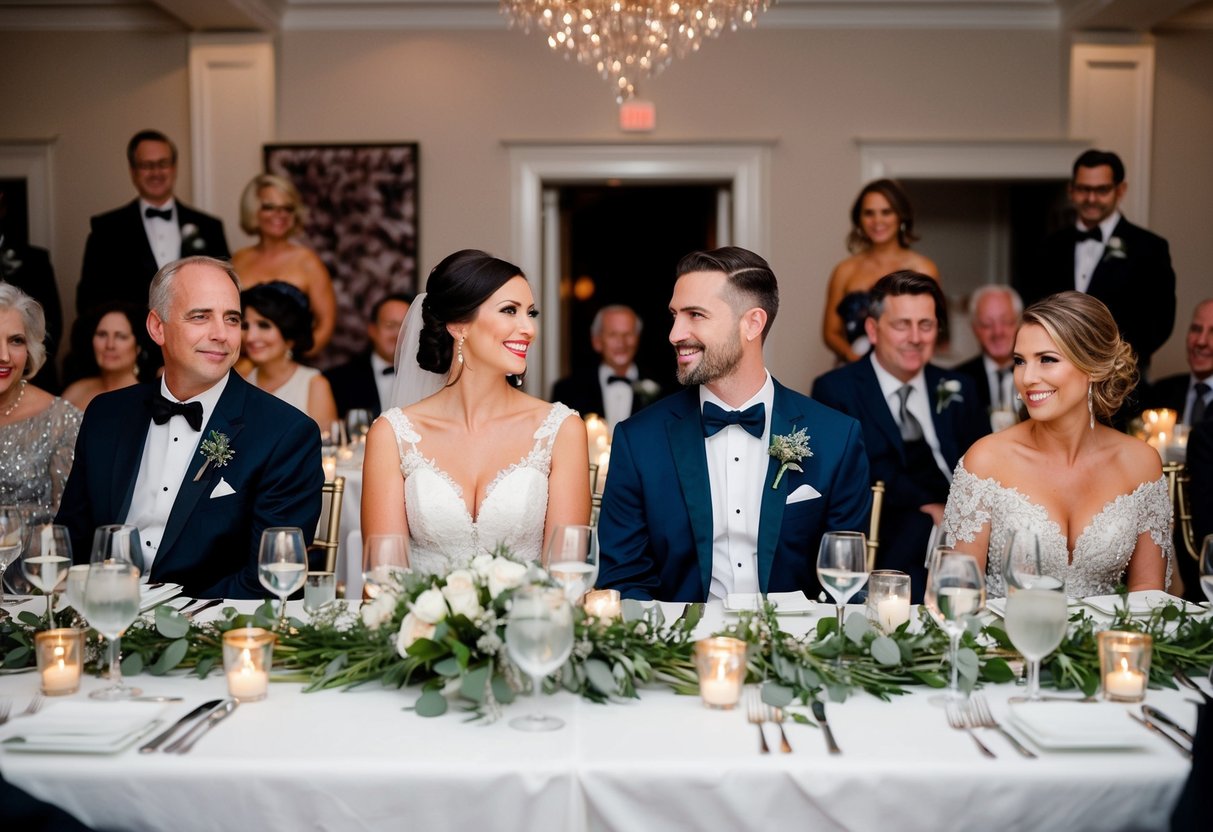
At the rehearsal dinner, you’ll find many important people who play key roles in your celebration. Here’s a quick look at who should be there.
Bride and Groom: You and your partner are the stars of the evening. It’s a time to relax and enjoy time with loved ones.
Wedding Party: Your wedding party includes bridesmaids and groomsmen. They support you and often help with plans.
Immediate Family: This group includes your parents and siblings. They are essential in supporting your journey to the wedding.
Extended Family: Aunts, uncles, and cousins are often invited. This helps everyone to connect before the big day.
Close Family Members: Consider inviting close relatives who are significant in your life. They’ll appreciate being included.
Out-of-Town Guests: If guests traveled far, it’s nice to invite them. This shows your gratitude for their effort.
Officiant: If possible, invite your officiant. They can mingle and get to know your family better.
Other Important Roles: Don’t forget about the flower girl and ring bearer. They add charm to the evening and your wedding.
Making a guest list that covers all these groups helps ensure everyone feels valued. This dinner is a wonderful time to celebrate with those who matter most to you.
Seating Arrangements Explained
When planning the rehearsal dinner, seating arrangements are important for ensuring a smooth gathering. You will want to think about how to design the seating chart, understand seating etiquette, and consider family dynamics to create a comfortable experience for everyone involved.
Designing the Seating Chart
Creating a seating chart makes the dinner more enjoyable. Start by listing all the guests. Make sure to include immediate family, close friends, and anyone involved in the wedding party.
You can opt for a head table where you and your partner sit with your parents. Alternatively, a sweetheart table lets you sit alone together while family and friends gather nearby.
Consider using seating chart ideas such as color-coding or themed tables. This can help guests find their spots easily and keep the atmosphere light and festive.
Seating Etiquette at the Rehearsal Dinner
Seating etiquette plays a big role in how the rehearsal dinner flows. Usually, the bride and groom sit at the head table or sweetheart table.
Parents of the couple should be seated close by. It is also courteous to mix sides. If the bride’s side has more guests, try to balance it by having groom’s friends seated with them.
When it comes to toasts, you might want to reserve a moment after the meal or during dessert. This is a perfect time for heartfelt words and laughter.
Special Considerations for Family Dynamics
Family dynamics can be delicate. If there are step-parents or other complicated relationships, plan accordingly. You should ask your parents who they feel most comfortable sitting with.
At times, it may be better to separate certain family members. Discuss this in advance to avoid tension on the big day.
Use placements to indicate where certain guests should sit without making it awkward. Involving family members in the process can also create a sense of unity.
Final Details for Planning
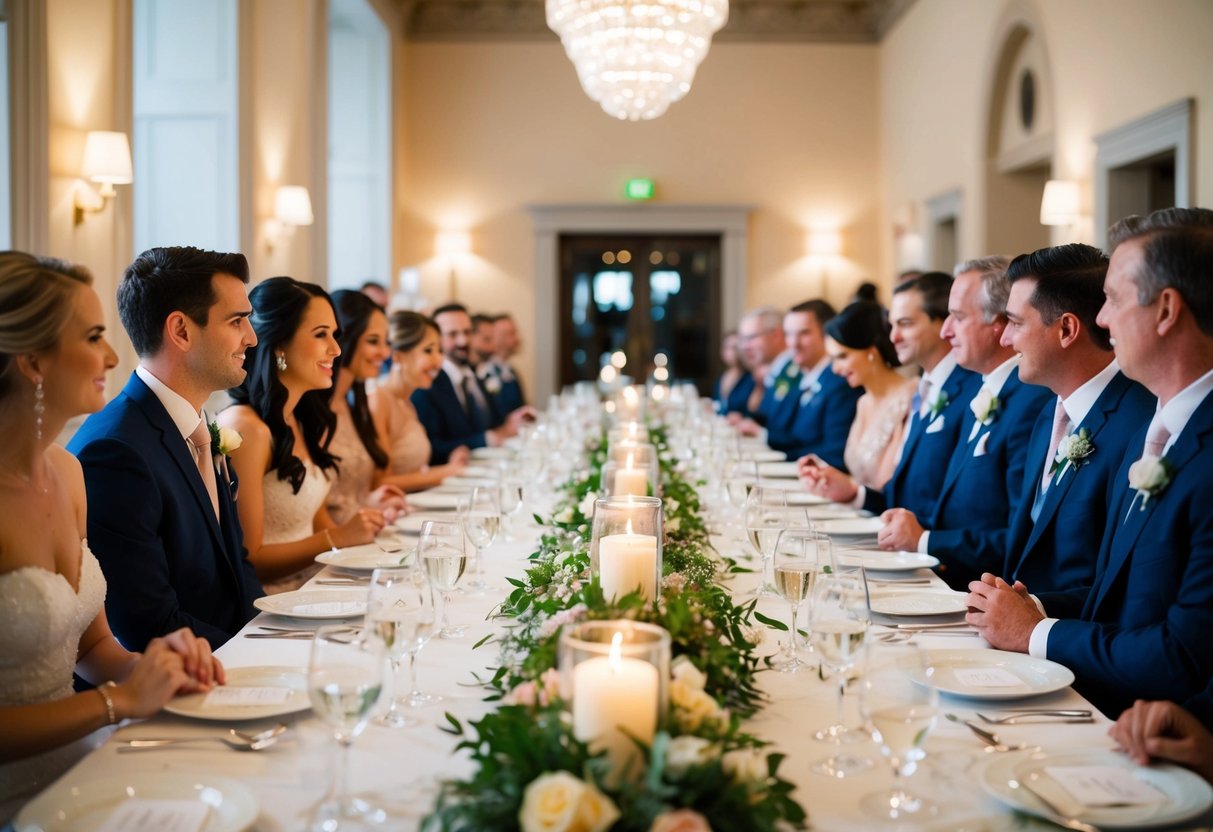
As you plan the rehearsal dinner, it’s important to focus on the guest list, who pays, and how it differs from the wedding reception. These details can set the tone for your gathering and make the evening enjoyable for all.
The Guest List and Invitations
Creating your guest list is a key part of planning. Generally, you’ll want to invite close family members and the wedding party. This includes bridesmaids, groomsmen, and parents.
When it comes to invitations, consider etiquette. You can send digital invites or traditional cards. Make sure to include the date, time, and location. Keep in mind that this dinner is often more intimate than the wedding reception.
Also, think about seating arrangements. A well-planned seating chart helps everyone feel comfortable and encourages mingling. The bride and groom typically have special seats to enjoy the evening together.
Who Pays for the Rehearsal Dinner?
Traditionally, the groom’s parents cover the cost of the rehearsal dinner. However, you might decide to share expenses with both families or even pay for it yourself. Discussing this early helps avoid confusion later on.
Make a budget that includes food, drinks, and venue costs. It’s essential to keep within your overall wedding budget. Consider a simpler option like a backyard picnic, which can be both charming and cost-effective.
Deciding who pays will help you with planning and ease any financial stress for everyone involved.
Rehearsal Dinner Versus Wedding Reception
The rehearsal dinner is a more casual event compared to the wedding reception. The reception is usually larger and more formal, while the rehearsal dinner allows for closer connections between you and your guests. It’s a chance to unwind before the big day.
Food can vary widely from a multi-course sit-down meal to a buffet or even a barbecue outside. This flexibility in planning can keep costs down while still providing a memorable experience.
Understanding this difference helps you create an enjoyable evening that complements your wedding events. Tailor the rehearsal dinner to reflect your personalities and preferences for a fun and relaxed atmosphere.