
Do Witnesses at a Wedding Need ID? Understanding the Requirements for Your Special Day
When you’re preparing for your wedding ceremony, you might wonder about the role of witnesses and their requirements. In many states, witnesses need to show identification, but the specific rules can vary. It’s important to know what your state requires before the big day, so you don’t face any surprises during the ceremony.
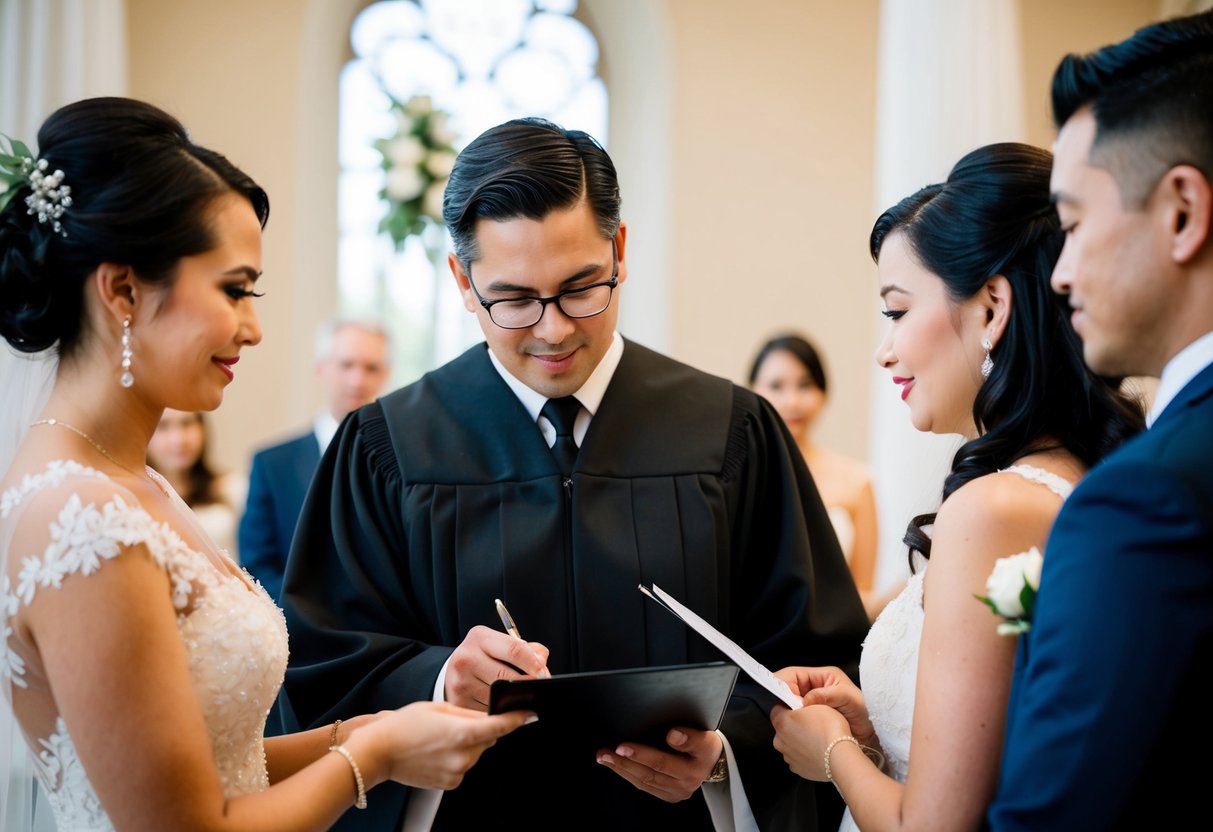
Having the right witnesses can make your marriage official, but understanding the specifics about their ID can help ensure everything goes smoothly. Some states allow witnesses under 18, while others require them to be at least 18 years old with valid ID. Knowing these details can save you time and possible stress as you plan.
As you get closer to tying the knot, you’ll want to make sure all your bases are covered. This includes ensuring your witnesses are prepared to validate your marriage on your special day.
Keep reading to discover the specific rules that apply to your state and tips for selecting the best witnesses for your wedding.
Understanding the Role of Witnesses in a Wedding
Witnesses play an essential role in making your wedding official. They confirm that the ceremony took place and lend support to the couple. Here’s what you need to know about their importance and who can take on this duty.
The Importance of Witness Signatures
Witness signatures are crucial in a wedding ceremony. They provide legal confirmation that both individuals willingly entered into the marriage.
Typically, you need at least one witness, but this can vary by location. The witness must observe the exchange of vows and sign the marriage certificate.
This act makes the union legitimate in the eyes of the law. The signatures from the witnesses confirm that you were not coerced into marriage and that all legal requirements were met.
Whether it’s a friend, family member, or even a bridesmaid or best man, having the right witnesses ensures your ceremony goes smoothly.
Who Can Serve as a Wedding Witness
Most jurisdictions have specific guidelines about who can be a wedding witness. Generally, anyone over the age of 18 can serve in this role.
This means you could choose a trusted friend, an aunt, or even your best man or maid of honor.
It’s essential to check your local laws or ask your officiant about any specific requirements. Some areas may require witnesses to bring valid ID, while others may not.
Make sure your chosen witnesses understand their role. They will need to sign important documents during and after the ceremony, so it’s helpful if they know how significant this responsibility is.
Legal Requirements for Wedding Witnesses
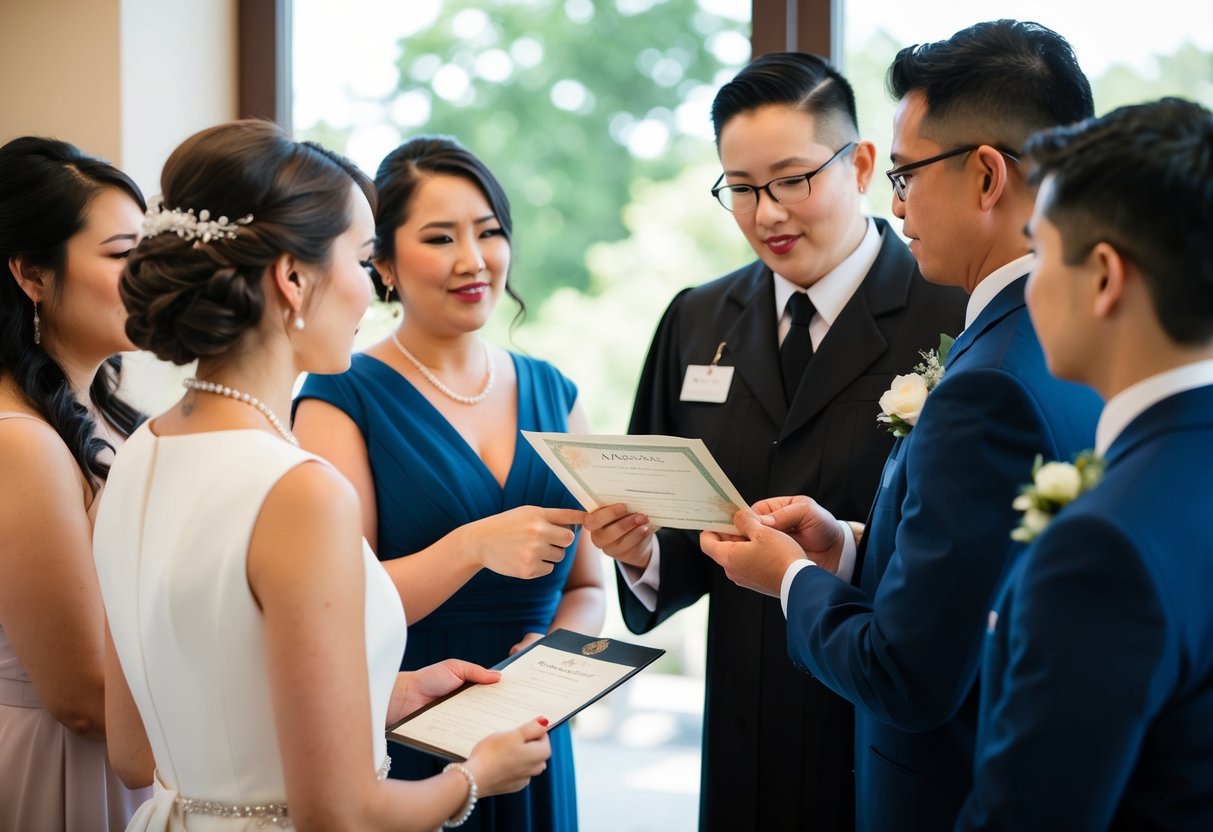
When you plan your wedding, knowing about witness requirements is essential. Many states need witnesses to provide identification to ensure that everything is legal and properly documented. Here’s what you need to know.
Documenting Witness Identification
Most states require witnesses to be of a certain age, typically 18 or older, and to show valid identification. This identification can include a driver’s license, state ID, or passport.
Some states have specific forms where witnesses must sign to confirm their presence. Their signatures help validate the marriage certificate.
Make sure your witnesses are ready to present their IDs at the ceremony. This step helps avoid any issues later on, ensuring that your marriage is legally recognized.
State-Specific Marriage Laws
The requirements for witnesses can vary based on where you live. For instance:
- Iowa: Needs one witness over 18 with ID.
- Kansas: Requires two witnesses, both over 18.
- Maryland: Does not require witnesses at all.
Each state has its own rules regarding witness signatures on the marriage license or wedding register. You can find detailed information on your specific state’s requirements by checking government websites or local marriage offices. Being informed will help you avoid any last-minute surprises.
The Process of Selecting Witnesses
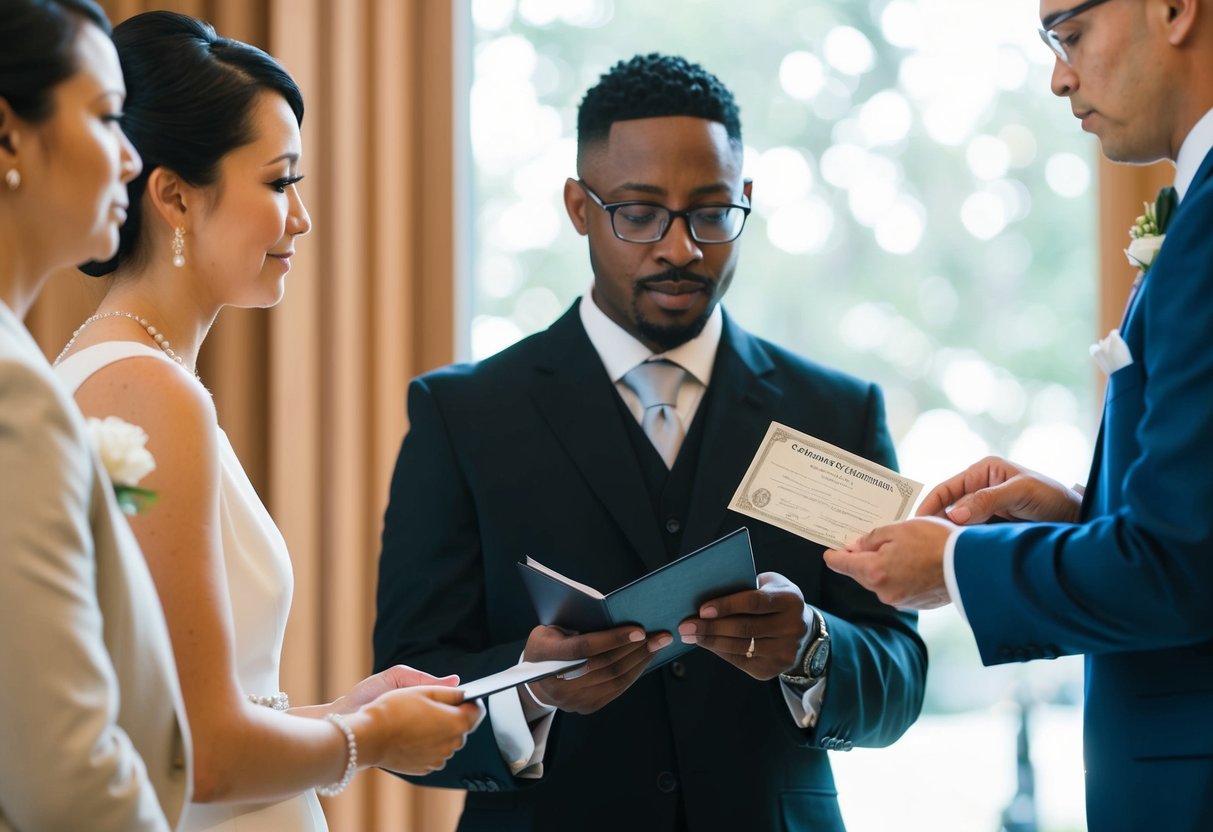
Choosing the right witnesses for your wedding is an important step. You need to consider their eligibility and how they fit into your ceremony. This will make your special day even more memorable.
Considerations for Choosing Witnesses
When selecting witnesses, a few key factors matter. First, ensure they are of legal age. Most places require witnesses to be at least 18 years old.
Next, think about their relationship to you. It’s often meaningful to choose someone close, like a friend or family member. They should be supportive and celebrate your love.
Also, consider whether they can be present on your wedding day. Your witnesses will need to sign the marriage license, so it’s vital they’re there for the ceremony.
Lastly, make sure your witnesses have valid identification. This is often required to validate the marriage, so having a driver’s license or passport handy is a must.
Witnesses in Different Types of Ceremonies
Witness requirements can vary based on the type of ceremony and location. For example, some states require one witness, while others might need two.
In religious ceremonies, the officiant may have specific rules about witnesses. Check with them beforehand to ensure everything goes smoothly. Some venues may also have their own guidelines.
Civil ceremonies often have more relaxed rules. In many cases, you can even ask friends or family who aren’t part of your wedding party to step up as witnesses.
Regardless of the setting, ensure that your witnesses understand their role. They are there to support you, but they also need to fulfill the legal aspects.
Finalizing the Marriage Documentation
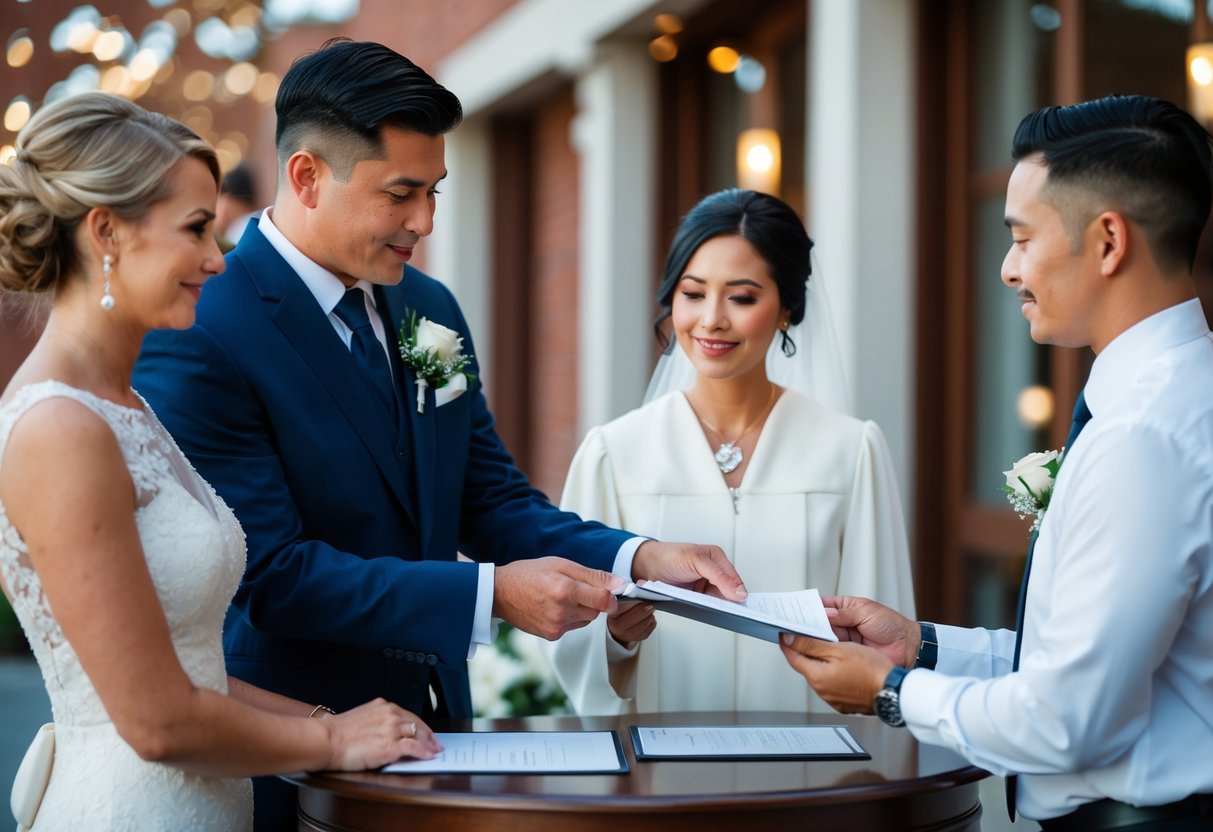
After your ceremony, it’s time to handle the necessary paperwork to make your marriage official. This involves executing your marriage license correctly and ensuring it is filed with the appropriate authorities.
Execution of the Marriage License
To finalize your marriage, the officiant plays a vital role. They must fill out and sign the marriage license after the ceremony. This document confirms that you and your partner are now legally married.
If you choose a self-solemnization process, ensure that you meet your state’s requirements. Some places allow couples to sign the document without an officiant. Be sure both you and your partner provide any required identification.
Witnesses may also need to sign the marriage license, depending on state laws. While many states do not require ID from witnesses, having it on hand can help in case it’s needed. Always check the local requirements for your specific area.
Filing the Completed Documentation
Once you sign the marriage license, you must submit it to the appropriate office. You normally have a limited time to file this paperwork, so don’t wait too long. Your officiant often takes care of this, but confirming is a smart move.
After filing, you can request a certified copy of your marriage certificate. This document is important for name changes, financial matters, and legal processes.
Make sure the marriage venue or officiant provides clear instructions on where and how to file your paperwork. Following these steps will help ensure that your marriage is legally recognized without any hitches.