
Do You Count the Bride and Groom in the Guest List? Understanding Wedding Guest Etiquette
Planning your wedding can be exciting, but it also comes with many questions. One common concern many couples face is whether to include themselves in the guest list.
The bride and groom are typically counted in the guest list, especially when it comes to catering and seating arrangements. Knowing how to handle this detail can save you from potential mix-ups later on.
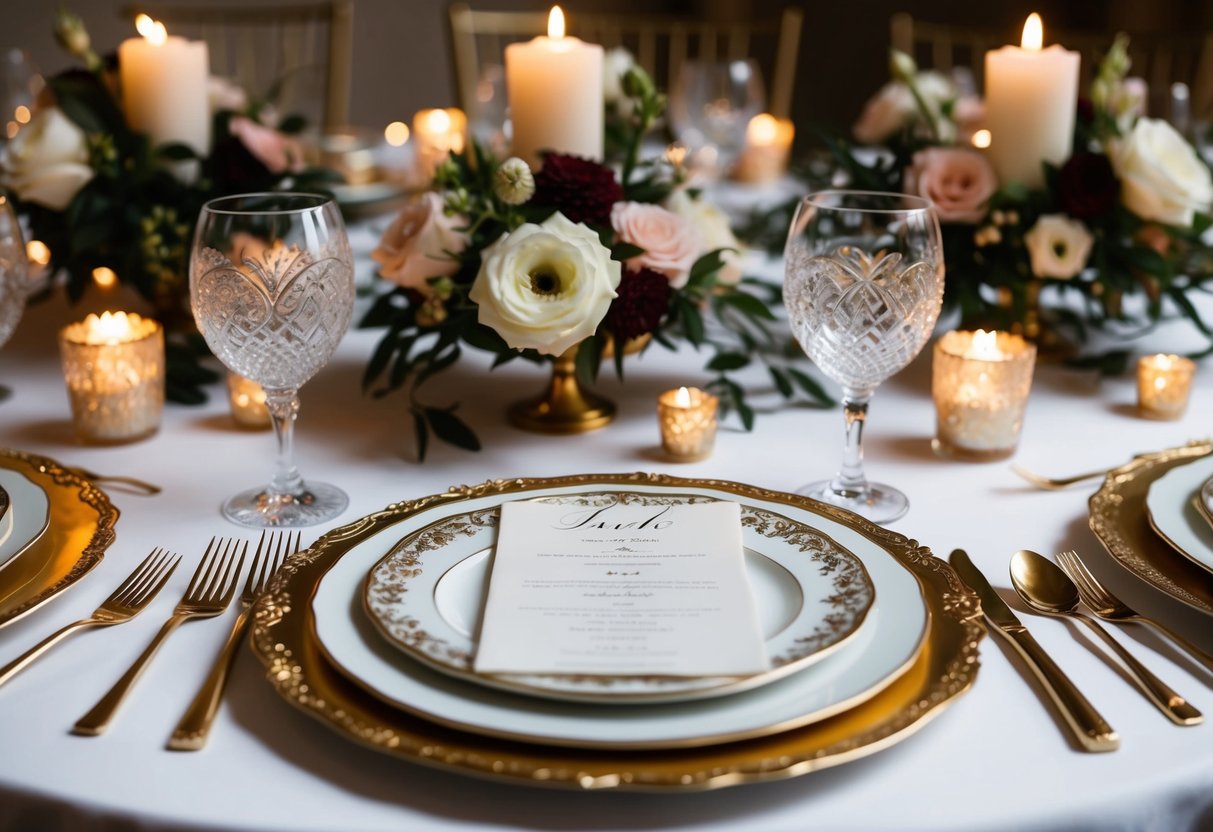
When you create your list of guests, understanding how to count the bride and groom is important. This count affects your venue’s requirements, seating charts, and food orders.
Ensuring you have an accurate headcount will help make your special day flow smoothly.
Whether you’re having an intimate gathering or a grand celebration, addressing this detail upfront will take one worry off your plate. If you’re still unsure about what to do, this article will guide you through the various opinions and practices around including the bride and groom in the guest list.
Understanding the Wedding Guest List

Planning your guest list is a key part of preparing for your wedding day. You might wonder if you need to count the bride and groom, along with the wedding party, in the final guest count.
Knowing the guest count rules will help you organize your event better.
The Role of the Bride and Groom in Guest Count
When counting guests, many couples include themselves in the total. This is standard practice since your wedding day is about both of you. Counting yourselves helps in planning.
Including the bride and groom ensures that you have enough space and food for everyone. It can also affect seating arrangements and how many tables you need.
If you’re planning a small wedding, check with your venue about their policies on guest counts. Some places might have specific rules that can influence your final list.
Defining the Wedding Party
The wedding party includes your closest friends and family, such as bridesmaids and groomsmen. While they are central to the ceremony, they are not typically included in the guest count.
Your immediate family, however, is counted. This includes parents and siblings. Keeping track of who is part of the wedding party helps in managing your overall guest list.
Consider creating a list that separates the wedding party from the general guest list. This way, you can focus on your loved ones and keep everything organized for your big day.
Deciding on the Size of Your Wedding
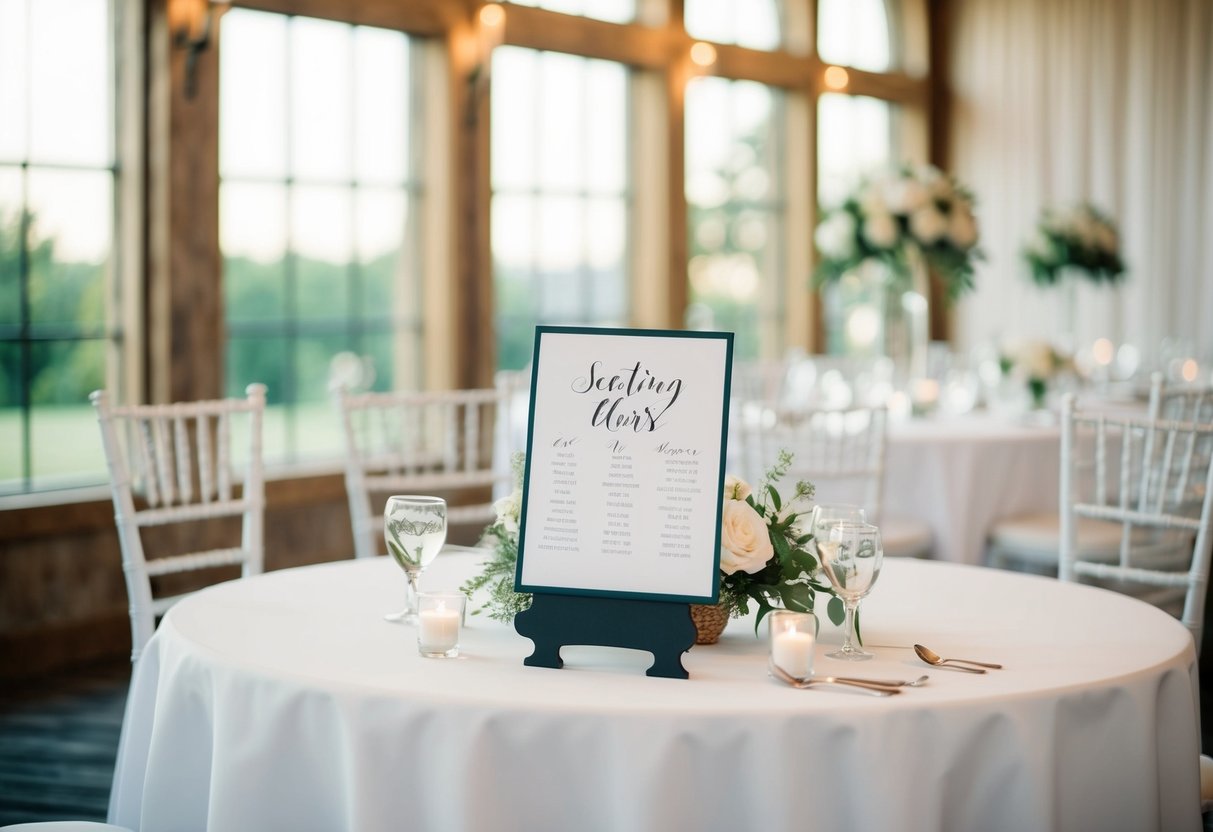
Choosing the size of your wedding is an important step that will affect your guest list and overall planning. You’ll need to think about whether you want a small, intimate gathering or a large celebration.
This involves considering various factors, including your headcount and the dynamics between local and out-of-town guests.
Small Vs. Big Wedding Dynamics
When deciding on a small wedding, think about the benefits of having fewer guests. An intimate setting allows for deeper connections with each guest. It can also reduce costs related to catering, venue, and decor.
On the other hand, a big wedding can create a lively atmosphere. You can invite a larger group of family, friends, and colleagues. This option might increase the complexity of planning, including managing the final guest count and seating arrangements.
Whether you choose a small or big wedding, make sure it reflects your personalities as a couple. Balance your desires with practicalities, like your budget and venue size. Keeping a list of must-invite guests can help streamline this process.
Balancing Local and Out-of-Town Guests
Balancing local and out-of-town guests is key to your wedding planning. You might have friends and family from various locations, so it’s vital to consider who you want to include.
For local guests, you can send save the date notices more casually. They may also be able to attend wedding-related events leading up to the big day.
Out-of-town guests may need more advance notice and accommodations. Ensure that you provide them with detailed venue information and local attractions. If you’re expecting an equal number of guests from both groups, plan activities that cater to everyone.
Finalizing Your Guest List
When finalizing your guest list, it’s crucial to consider how many guests you want while keeping in mind the needs of your vendors. This helps ensure your special day runs smoothly.
Impact of Vendors on Final Headcount
Your final headcount greatly affects your vendors, especially caterers and venues. You need to provide an accurate count to ensure enough food and drink for everyone, including yourself.
Think about how to include your close friends and family in this count. The venue might charge you per person, so subtracting the bride and groom can reduce costs.
It’s also helpful to communicate with your wedding planner. They can guide you on the best practices for including everyone in your guest list while staying within budget.
Creating an Effective Wedding Seating Chart
Creating a solid wedding seating chart can help you manage your guest list wisely. Once you know the final headcount, start planning where everyone will sit.
Consider relationships and dynamics among guests. Placing close friends together fosters a warm environment.
Be mindful of your vendors when arranging seating. Ensure that your photographers or planners have a good view and are close to the action.
Keep your seating chart flexible. Changes may happen, and being adaptable will help things flow smoothly on your big day.