
Do You Have to Invite All Family to Your Wedding? Navigating Family Dynamics with Grace
Planning a wedding can be both exciting and overwhelming, especially when it comes to making your guest list.
You might feel pressure to invite every family member, but remember that you are not required to invite all family members to your wedding. Instead, focus on those you have a close relationship with or want to share this special day.
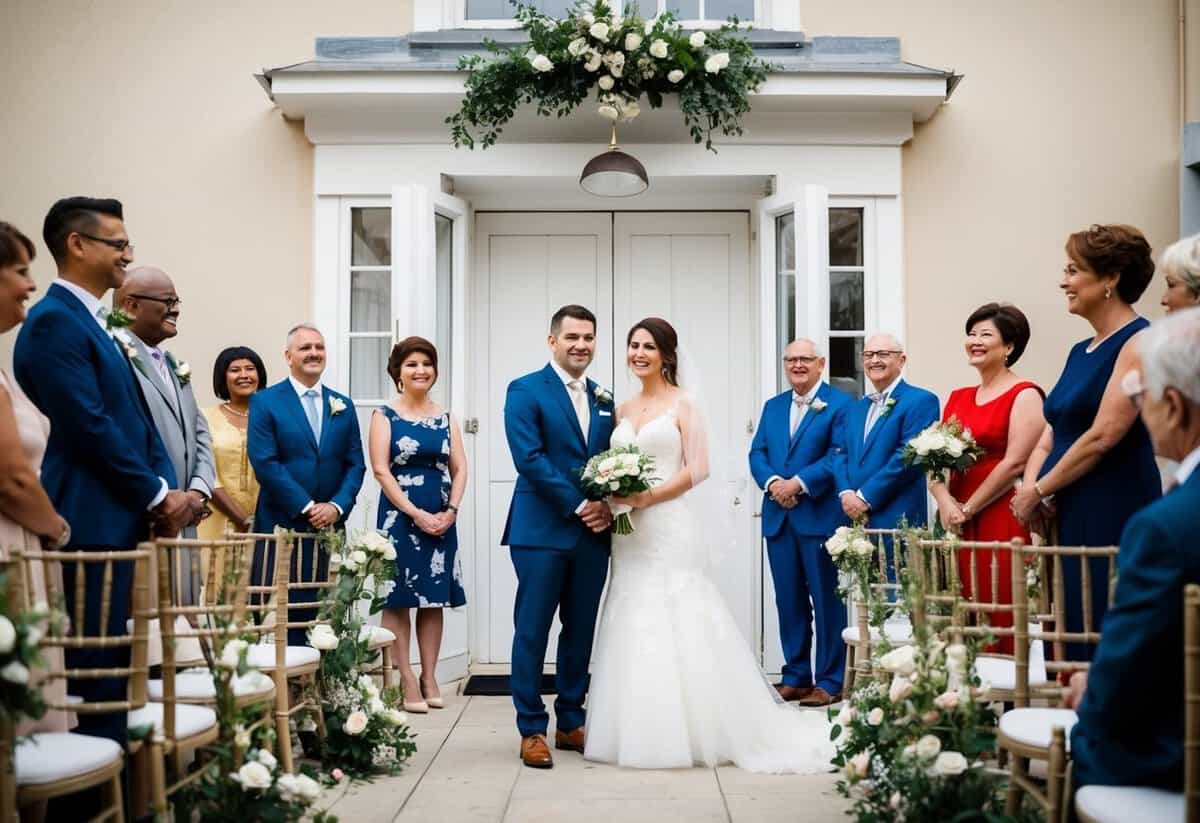
Family dynamics can be complicated, and it’s important to prioritize your comfort and happiness. Think about which family members you truly want to celebrate with you.
You can consider feelings and obligations, but ultimately, it should be about what feels right for you and your partner.
As you navigate these decisions, remember that your wedding day is about celebrating your love. Choosing the right people to share that moment with can make it even more meaningful. Let’s explore more about how to approach your guest list thoughtfully.
Understanding Wedding Invitation Etiquette
Deciding who to invite to your wedding can be tricky. Wedding etiquette suggests that you think carefully about your guest list.
When it comes to family, it’s important to consider feelings. You might not have to invite everyone. It’s okay to invite some family members but not others. Just be prepared for some questions.
Key Points to Consider:
- Immediate Family: Always include your parents and siblings.
- Extended Family: You can invite aunts, uncles, and cousins based on your relationship.
- Number of Guests: Consider your budget and the venue size when making your list.
Tips for Inviting Family:
- Communicate Clearly: If there are family members you’re not inviting, be honest about your choices.
- Use Separate Invitations: For adult children, send separate invitations even if they live at home.
- It’s Your Day: Ultimately, the choice is yours. Keep in mind your comfort and happiness.
Following wedding invitation etiquette can help you navigate these decisions. Remember, managing expectations is key. Making your guest list should reflect your wishes while being mindful of family dynamics.
Deciding Whom to Invite
When creating your wedding guest list, it’s important to think about who matters most to you. Understanding how to balance your immediate family, extended family, and friends can help ease the decision-making process.
Immediate Family and Close Friends
Start with your immediate family. These are the people who are likely to have the biggest impact on your special day. Think about your parents, siblings, and any children you may have. They should top your list.
Next, consider your close friends. These are the people you share meaningful moments with. They are often like family. Make sure to include those who have been there for you through thick and thin.
Extended Family and Cousins
Extended family can be tricky. This group includes aunts, uncles, and cousins. You don’t have to invite every relative. If you choose to include a few cousins, try to keep it fair. If you invite one, consider inviting others. It can help avoid hurt feelings.
Decide based on your relationship. If you see a cousin regularly, they deserve an invite. If it’s someone you barely know, you might skip it. Think about how comfortable you feel having them at your wedding.
Family Friends and Plus-Ones
Family friends often feel like part of the family. If you have grown up with them, consider inviting them. They may have been there for milestones in your life, so their presence could mean a lot.
Don’t forget about plus-ones! If your friends or relatives are in a committed relationship, they might appreciate being able to bring their partner. This can create a fun and supportive environment for everyone. Just be sure to communicate your invitation options clearly.
Navigating Budget and Venue Constraints

When planning your wedding, you need to carefully consider your budget and the capacity of your venue. These aspects can significantly impact who you decide to invite, especially when it comes to family.
Setting Your Wedding Budget
First, think about how much you want to spend. Create a detailed wedding budget that includes all costs, such as the venue, catering, and decorations. Write down each category and estimate costs to have a clear picture.
- Prioritize: Decide which areas matter most to you. Is the venue your main focus, or is it the food?
- Limit your guest list: The more people you invite, the higher the costs. Consider inviting only family members who truly matter to you.
- Be realistic: If your budget is small, it’s okay to limit your invites to close family. Stick to your budget to avoid stress later.
Understanding Venue Capacity
Next, understand the capacity of your chosen venue. Each place has a limit on how many guests it can hold safely and comfortably.
- Check restrictions: Some venues are strict about guest numbers, which will influence your list.
- Plan for space: Think about whether you want an intimate gathering or a larger event. Intimate settings may fit well with fewer guests, which can ease costs.
- Consider layout: A smaller venue might lend itself to a cozy atmosphere, while a larger space could feel empty with too few guests.
You want to create a pleasant environment that reflects your vision while staying within limits. Balancing these factors makes your wedding day enjoyable without overspending.
Handling Potential Family Drama
Weddings can be joyful but also challenging, especially when it comes to family dynamics. Navigating potential drama requires careful planning and a clear approach to who gets invited and how to handle any unexpected situations.
Making the B-List
Creating a guest list can be tough, especially if you have a big family. If space or budget is a concern, consider making a B-list. This list includes family members like aunts and uncles who are less intimate but still important.
Start by identifying your closest family. Think about who you share fond memories with. This helps you focus on inviting those who mean the most to you. For your B-list, reach out to relatives later if you have room. This way, you can maintain good relationships without feeling pressured to invite everyone.
Always be honest if asked about your guest list choices. Explain that you wish to keep your wedding small. Most family will understand your decision.
Dealing With Uninvited Family Members
Some family members may not receive an invite. This can lead to hurt feelings or even drama.
Prepare yourself for these situations with a kind, yet firm approach.
If someone reaches out and expresses disappointment, acknowledge their feelings. You might say, “I wish I could invite everyone.”
Be clear about your reasons. You may explain that your wedding is meant for a more intimate gathering.
If uninvited family members decide to show up, calmly handle the situation.
Assess if their presence is manageable. If they create tension, you can politely ask them to leave.
Having a supportive person nearby can help ease the discomfort.
Remember, your day is about celebrating love, so prioritize your happiness!